Chaga mushroom has garnered attention for its potential therapeutic benefits, particularly in managing discomfort and pain. Derived from a fungus that grows predominantly on birch trees, this natural remedy has been used traditionally in various cultures to address a range of ailments. Modern interest in chaga mushroom for pain stems from its unique composition of bioactive compounds, which may influence inflammation and immune responses. This article explores the mechanisms by which chaga might alleviate pain, reviews scientific research supporting its efficacy, and provides guidance on usage and safety. By examining both traditional practices and contemporary studies, readers can gain a comprehensive understanding of how chaga mushroom may fit into a holistic approach to pain management.
How Chaga Mushroom May Help with Pain
The interest in using chaga mushroom for pain management is primarily linked to its powerful blend of bioactive compounds. These substances work synergistically to address some of the underlying causes of physical discomfort, particularly those related to inflammation and cellular stress. By targeting these root issues, chaga may offer a supportive role in alleviating various types of pain. Overall, the chaga mushroom benefits stem from its rich composition.
The Anti-Inflammatory Properties of Chaga Extracts Obtained …
Chaga mushroom is rich in compounds that exhibit significant anti-inflammatory properties. Key among these are triterpenoids, polyphenols, and polysaccharides. Scientific interest has focused on how these compounds can inhibit certain inflammatory pathways in the body. For example, some studies suggest that chaga extracts may help downregulate the production of inflammatory mediators, such as certain cytokines. By moderating the body’s inflammatory response, chaga can help reduce the swelling, stiffness, and discomfort associated with chronic inflammation, which is a common driver of persistent pain. This makes using chaga mushroom for inflammation a key aspect of its role in pain management.
How Chaga Mushroom Interacts with the Body’s Pain Pathways
Pain is a complex signal communicated through the nervous system, often triggered by inflammation or injury. Chaga mushroom does not act like a typical painkiller that blocks nerve signals directly. Instead, its interaction with pain pathways is more indirect and foundational. By reducing inflammation, chaga helps decrease the intensity of the signals that trigger pain perception. Furthermore, its high concentration of antioxidants helps combat oxidative stress, a condition where cellular damage contributes to chronic pain and sensitivity. Reducing this underlying cellular stress can help create a more balanced internal environment, potentially leading to less pain over time.
Chaga Mushroom’s Role in Supporting Immune Response Related to Pain
A well-functioning immune system is crucial for managing pain, especially in conditions where the immune system mistakenly attacks healthy tissues, leading to chronic inflammation. Chaga is known as an immunomodulator, meaning it helps balance the immune system rather than simply boosting it. For individuals with autoimmune-related pain, an overactive immune response is the problem. Chaga may help regulate this response, calming the system and thereby reducing the inflammatory attacks that cause pain. This adaptogenic quality makes it a valuable tool for supporting long-term immune health and managing inflammation-driven discomfort. While its effects are beneficial for everyone, some research is exploring specific chaga mushroom benefits for women, particularly in relation to hormonal balance and immune health.
Scientific Evidence on Chaga Mushroom’s Pain-Relieving Properties

While traditional use provides a strong foundation, modern science is beginning to investigate the specific mechanisms behind chaga’s reputed benefits. Research is exploring how its compounds affect the body at a molecular level, providing a clearer picture of its potential in pain management. Much of the current understanding of using **chaga mushroom for pain** comes from preclinical studies that lay the groundwork for future human trials.
Research on Pain Management
Direct research on chaga mushroom for pain management in humans is still in its early stages. Most available studies are laboratory-based (in vitro) or conducted on animal models. These preclinical studies have been instrumental in identifying chaga’s analgesic and anti-inflammatory potential. They have demonstrated how chaga extracts can reduce inflammatory responses and indicators of pain in controlled settings. While these results are promising, they cannot be directly extrapolated to human outcomes. More robust clinical trials are needed to confirm its efficacy and establish clear guidelines for its use in pain management protocols. High-quality systematic reviews from organizations like the Cochrane Library are needed to synthesize existing evidence and guide future clinical trials.
Scientific Studies on Chaga’s Impact on Inflammatory Markers
More specific research has focused on how chaga affects key inflammatory markers in the body. Studies have observed that chaga extracts can inhibit the activity of enzymes like cyclooxygenase-2 (COX-2) and messengers like nitric oxide, both of which play a central role in the inflammatory cascade that leads to pain and swelling. By influencing these markers, chaga demonstrates a plausible biological mechanism for its pain-relieving effects. This evidence supports its traditional use and provides a scientific basis for its inclusion in holistic wellness routines aimed at managing inflammation.
User Experiences and Testimonials on Chaga Mushroom for Pain
Beyond scientific data, a significant body of anecdotal evidence supports chaga’s use for pain relief. Many individuals who incorporate chaga into their daily routines, often as a tea or supplement, report noticeable reductions in chronic pain, particularly from conditions like arthritis or general joint stiffness. These personal accounts often highlight improvements in mobility and a decreased reliance on conventional pain relievers. While testimonials are subjective and not a substitute for clinical evidence, their consistency suggests a beneficial effect that warrants further scientific investigation.
How to Use Chaga Mushroom for Pain Relief
Chaga can be consumed in several forms, each offering a different way to access its beneficial compounds. The choice of form often depends on personal preference, lifestyle, and the desired concentration of its active ingredients.
Forms of Chaga Mushroom Used for Pain Relief
The most common forms of chaga available to consumers include raw chunks or powder, extracts, tinctures, and capsules.
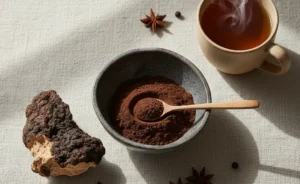
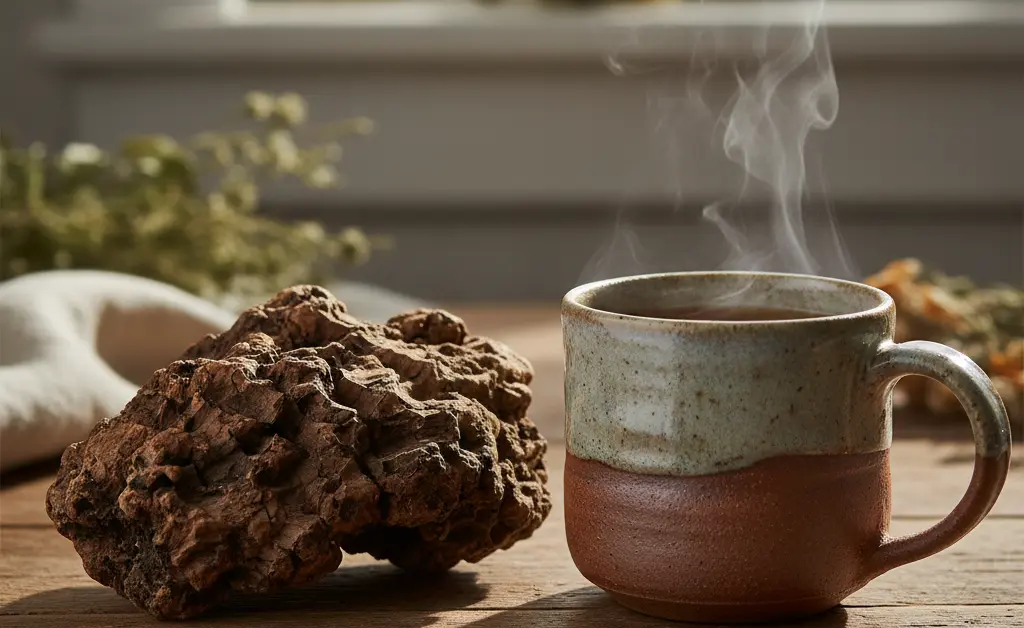
- Chaga Tea: This is the most traditional method. Chunks or powder are simmered in hot water for an extended period to extract the water-soluble compounds. The resulting brew has an earthy, slightly vanilla-like flavor.
- Extracts and Tinctures: These are concentrated liquid forms of chaga, often made using a dual-extraction process involving both hot water and alcohol. This method is believed to pull out a broader spectrum of bioactive compounds, including both water-soluble polysaccharides and alcohol-soluble triterpenoids.
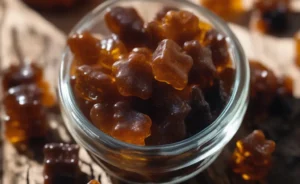
- Capsules: For convenience, powdered chaga extract is available in capsules. This form offers a pre-measured, easy-to-take option, ideal for those who dislike the taste of chaga tea or want a portable solution.
Regardless of the form, it is important for consumers to source high-quality chaga from reputable suppliers to ensure purity and potency.
Chaga Mushroom for Pain: Traditional Uses and Cultural Perspectives
The use of chaga mushroom is deeply rooted in history, particularly in the folk medicine traditions of Northern Europe and Russia. For centuries, it has been revered as a powerful tonic for overall health and a remedy for various ailments, including those involving pain and inflammation. Understanding these traditional applications provides valuable context for its modern use. While less documented, some traditional practices also explored chaga mushroom benefits for hair and skin vitality.
Traditional Preparation Methods of Chaga Mushroom for Pain
Historically, the most common way to prepare **chaga mushroom for pain** and other conditions was by brewing it into a decoction or tea. People in Siberia and other cold regions would harvest the fungus from birch trees, dry it, and break it into small chunks. These pieces would then be simmered in water over a low heat for hours, or even days, to create a dark, rich liquid. This slow-brewing method was believed to be essential for extracting the mushroom’s potent healing properties. The resulting tea was consumed regularly to boost vitality, support the immune system, and alleviate internal and external discomfort.
Potential Benefits of Chaga Mushroom for Chronic Pain Conditions
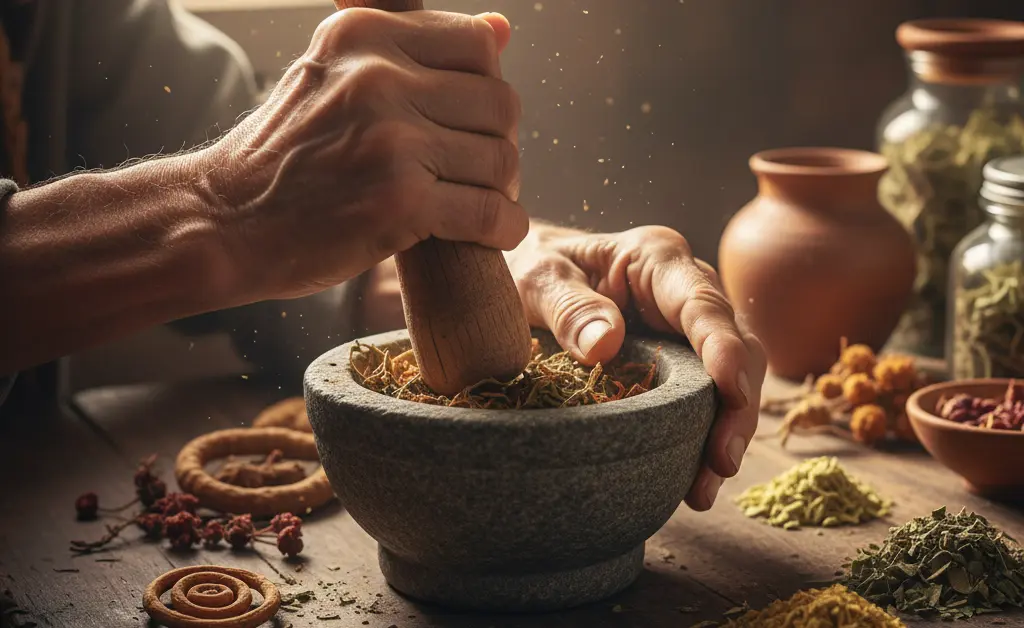
Chaga’s unique combination of anti-inflammatory, antioxidant, and immunomodulatory properties makes it a subject of interest for various chronic pain conditions. Its holistic action on the body may offer supportive care for individuals seeking natural ways to manage long-term discomfort.
A Holistic Remedy for Arthritis with Chaga Mushroom Extract
Arthritis is a condition characterized by joint inflammation, leading to pain, stiffness, and reduced mobility. Chaga mushroom extract is often considered by those seeking a holistic approach to managing arthritis symptoms. Its potential to modulate the immune system and reduce the production of inflammatory cytokines may help soothe inflamed joints. By addressing the underlying inflammation rather than just masking the pain, chaga could support joint health and improve quality of life for those living with arthritic conditions.
Is chaga good for osteoarthritis?
Osteoarthritis involves the breakdown of cartilage in joints, which causes pain, swelling, and movement problems. While inflammation is a key factor, oxidative stress is also believed to contribute to the progression of the disease. Chaga’s powerful antioxidant compounds, such as melanin and superoxide dismutase (SOD), can help neutralize harmful free radicals in the body. By reducing this oxidative stress in joint tissues and simultaneously providing anti-inflammatory benefits, chaga may offer a two-pronged supportive approach for individuals with osteoarthritis.
Comparing Chaga Mushroom with Other Natural Pain Relievers
In the world of natural wellness, several herbs and fungi are known for their pain-relieving properties. When comparing chaga to others like turmeric or boswellia, it’s important to look at their mechanisms of action. Turmeric, with its active compound curcumin, is a potent anti-inflammatory that works on similar pathways as chaga. Boswellia is known for inhibiting an inflammatory enzyme that is a key driver in joint pain. Chaga stands out due to its additional benefits as an adaptogen and immunomodulator, offering broad-spectrum support for the body’s overall resilience. While one is not necessarily better than the other, chaga provides a unique, multi-faceted approach that complements other natural remedies. Many people exploring natural options for wellness find that learning about **chaga mushroom for pain** can add a valuable dimension to their regimen.
Safety Considerations When Using Chaga Mushroom for Pain

While chaga is generally considered safe for most people, it’s essential to be aware of potential side effects and interactions. As with any natural supplement, responsible use and professional guidance are key to ensuring safety.
Possible Side Effects When Using Chaga Mushroom
One of the primary chaga warnings relates to its high oxalate content. Oxalates are compounds that can bind with calcium and form crystals, which may lead to kidney stones or kidney damage in susceptible individuals, especially with long-term, high-dose use. Additionally, chaga may affect blood sugar levels, so individuals with diabetes or hypoglycemia should use it with caution and monitor their levels closely. Due to its potential to influence blood clotting, people on blood-thinning medications or with bleeding disorders should consult their healthcare provider before using chaga. There is insufficient research on its safety during pregnancy or for children, so it is best to avoid use in these populations. Always speak with a qualified health professional before adding chaga or any new supplement to your routine.
The journey to understanding **chaga mushroom for pain** reveals a complex interplay of anti-inflammatory, antioxidant, and immune-modulating properties. Rooted in centuries of traditional use and supported by emerging scientific evidence, chaga offers a promising natural avenue for those seeking to manage chronic discomfort holistically. While it is not a cure, its ability to address underlying factors like inflammation and oxidative stress makes it a valuable component of a comprehensive pain management strategy.
***
*Disclaimer: This article is for informational purposes only and does not constitute medical advice. The information contained herein is not intended to diagnose, treat, cure, or prevent any disease. Always consult with a qualified healthcare professional before starting any new supplement, especially if you are pregnant, nursing, have a pre-existing medical condition, or are taking any medications. The statements made regarding these products have not been evaluated by the Food and Drug Administration.*
FAQ
— Does chaga mushroom help reduce inflammation?
Chaga mushroom is often discussed for its potential anti-inflammatory properties. Some studies suggest it contains compounds that may help modulate inflammatory responses, though more research is needed to confirm its efficacy.
— How does chaga mushroom relieve pain?
Chaga mushroom for pain is thought to work through its bioactive compounds, which might influence the body’s inflammatory pathways and oxidative stress. These effects are believed to contribute to a reduction in discomfort, but the exact mechanisms remain under scientific investigation.
— What is the recommended dosage of chaga mushroom for pain?
There is no universally established dosage for chaga mushroom when it comes to pain management. Dosage can vary based on the form used and individual factors, so consulting with a healthcare professional is advisable.
— Are there any side effects of using chaga mushroom?
While generally considered safe for many people, chaga mushroom may cause side effects such as digestive upset or allergic reactions in some individuals. Its interactions with certain medications also warrant caution.
— Can chaga mushroom be used alongside other pain medications?
Using chaga mushroom alongside other pain medications should be approached carefully. Potential interactions may occur, so it is important to discuss this with a healthcare provider before combining treatments.
— What forms of chaga mushroom are best for pain relief?
Chaga mushroom is available in various forms including teas, extracts, and powders. The choice often depends on personal preference and the desired concentration of active compounds, with extracts typically offering a more potent option.
— How long does it take for chaga mushroom to affect pain levels?
The time frame for experiencing any pain relief from chaga mushroom can vary widely between individuals. Some may notice effects sooner, while others might require consistent use over an extended period before observing changes.
— Is chaga mushroom effective for all types of pain?
Chaga mushroom’s effectiveness may differ depending on the type and source of pain. It is often studied in relation to inflammatory pain, but its impact on other kinds of pain is less certain and requires further research.