Many cultures have long valued mushrooms for their diverse applications. As interest in natural health solutions grows, various preparations derived from fungi have become more prominent. Among these, the maitake mushroom stands out, celebrated for its unique properties. This comprehensive guide delves into the world of maitake mushroom tincture, offering insights into its creation, proper usage, and what to look for when choosing a high-quality product. We will explore the dual-extraction process that concentrates the mushroom’s beneficial compounds and discuss how tinctures compare to other forms like powders and capsules. Understanding these aspects is crucial for anyone looking to incorporate this natural extract into their daily routine effectively and safely.
Understanding Maitake Mushroom Tincture
Maitake Tincture Explained
A maitake mushroom tincture is a concentrated liquid extract derived from the Grifola frondosa fungus, commonly known as maitake or “Hen of the Woods.” This functional mushroom has a long history of use in traditional Eastern practices. The tincture form is designed for convenient and efficient delivery of the mushroom’s bioactive compounds, presenting as a liquid mushroom extract. As an herbal supplement, it aims to support overall daily wellness through its adaptogenic properties. This makes it a popular choice for those seeking a natural maitake mushroom supplement.
Dual-Extraction Process: What It Means
The efficacy of a maitake mushroom tincture often relies on a meticulous dual-extraction process. This method involves two distinct phases: hot water extraction and alcohol extraction. Hot water extraction is crucial for drawing out water-soluble compounds like polysaccharides and beta-glucans, which are known for their immune support potential. Subsequently, alcohol extraction targets non-water-soluble compounds such as triterpenes. By combining both methods, a broader spectrum of the mushroom’s beneficial constituents is captured, leading to a more comprehensive and potent liquid extract. Further research on these compounds is readily available on scientific databases like PubMed.
Carrier Ingredients: Alcohol and Water
The primary carrier ingredients in most medicinal mushroom tinctures are alcohol and purified water. Alcohol, often organic cane alcohol, serves multiple vital functions. It acts as an effective solvent for various compounds, enhances the shelf life of the extract, and can aid in the absorption of the mushroom’s constituents by the body. Purified water plays an equally important role, dissolving water-soluble compounds and ensures a balanced and stable liquid extract. The careful selection and balance of these carrier ingredients are fundamental to the overall quality and stability of the maitake mushroom tincture.
General Properties and Considerations of Maitake Tincture
Comparing Tinctures to Powders and Capsules
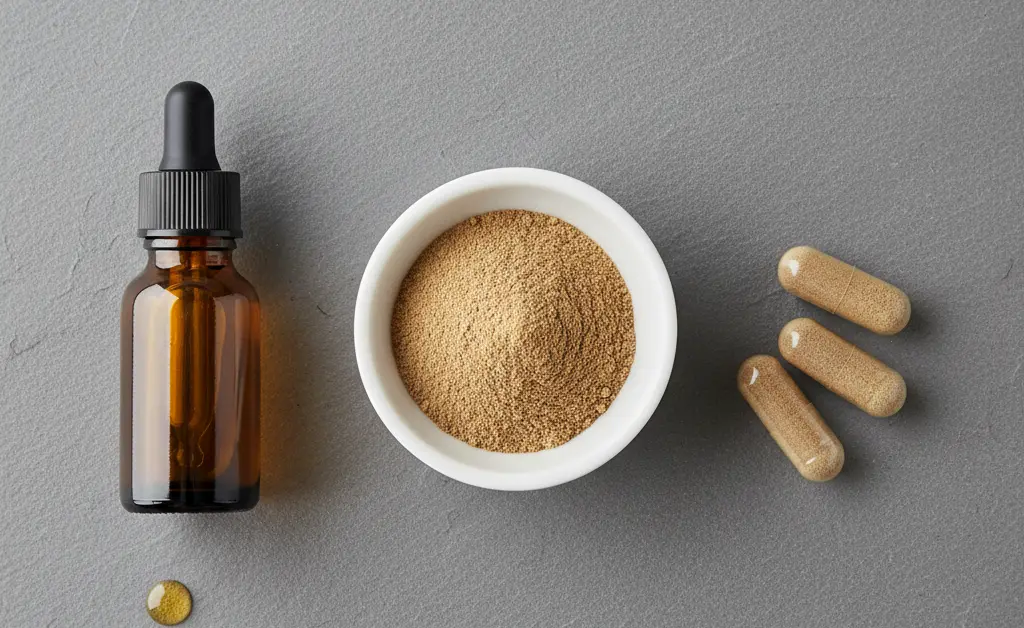
When considering functional mushroom products, consumers often weigh the options between tinctures, powders, and capsules. Maitake mushroom tincture, as a liquid extract, typically offers rapid absorption, particularly when taken sublingually, allowing bioactive compounds to enter the bloodstream more directly. Powders can be versatile for culinary uses, while capsules provide pre-measured serving sizes, which some find convenient. However, tinctures often concentrate more of the mushroom’s constituents into a smaller volume, potentially offering a higher potency per serving. The form chosen often depends on individual preferences for convenience, taste, and desired absorption rate for daily wellness. For those who prefer culinary integration, the maitake mushroom powder benefits are a key consideration.
Proper Storage for Maximum Freshness
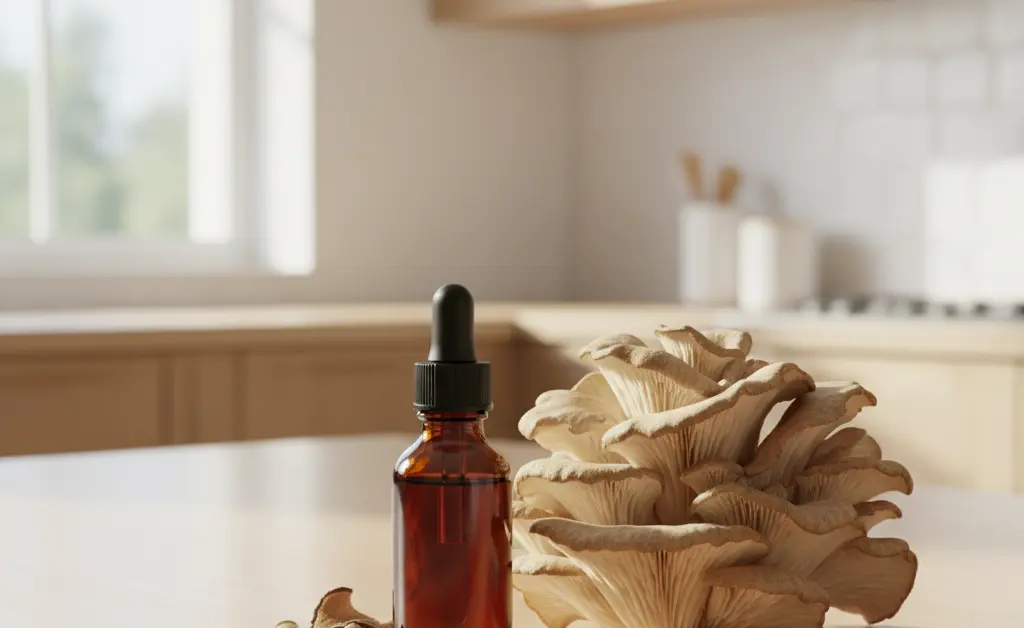
To preserve the potency and freshness of your maitake mushroom tincture, proper storage is essential. Tinctures are typically bottled in a dark glass dropper bottle, which helps protect the liquid from light degradation. It is advisable to store the bottle in a cool, dry place, away from direct sunlight and excessive heat. Ensuring the cap is tightly sealed after each use prevents evaporation and contamination. Following these simple storage guidelines can help maintain the integrity and effectiveness of the liquid mushroom extract for its intended shelf life.
How to Use Maitake Mushroom Tincture Effectively
Best Practices for Taking Tinctures
Integrating a maitake mushroom tincture into a daily wellness routine is straightforward, though individual practices may vary. Generally, tinctures are designed to be taken by placing the liquid under the tongue (sublingually) or by mixing it into water, juice, or a warm beverage. For sublingual administration, holding the liquid under the tongue for a short period may facilitate quicker absorption. While there are no universal strict rules on timing, some individuals prefer to take their adaptogenic mushrooms in the morning to support daily vitality, while others incorporate them at different times based on personal preference and desired effects. For those who prefer a different taste profile, maitake mushroom gummies are another popular format. Always refer to product-specific guidelines for suggested usage.
Choosing a High-Quality Maitake Mushroom Tincture
Understanding Potency and Extraction Ratios
When selecting a high-quality maitake mushroom tincture, understanding potency and extraction ratios is crucial. Potency refers to the concentration of beneficial compounds in the final liquid extract. This can often be indicated by an extraction ratio, such as 1:1 or 10:1, which tells you how much raw mushroom material was used to produce a certain amount of tincture. A higher ratio typically signifies a more concentrated product. Look for products that specify using maitake fruiting bodies rather than mycelium, as fruiting bodies are generally considered to contain a higher concentration of valuable bioactive compounds like beta-glucans. An organic maitake extract also ensures the product is free from pesticides and harmful chemicals, contributing to overall purity and efficacy.
The History and Cultural Context of Maitake
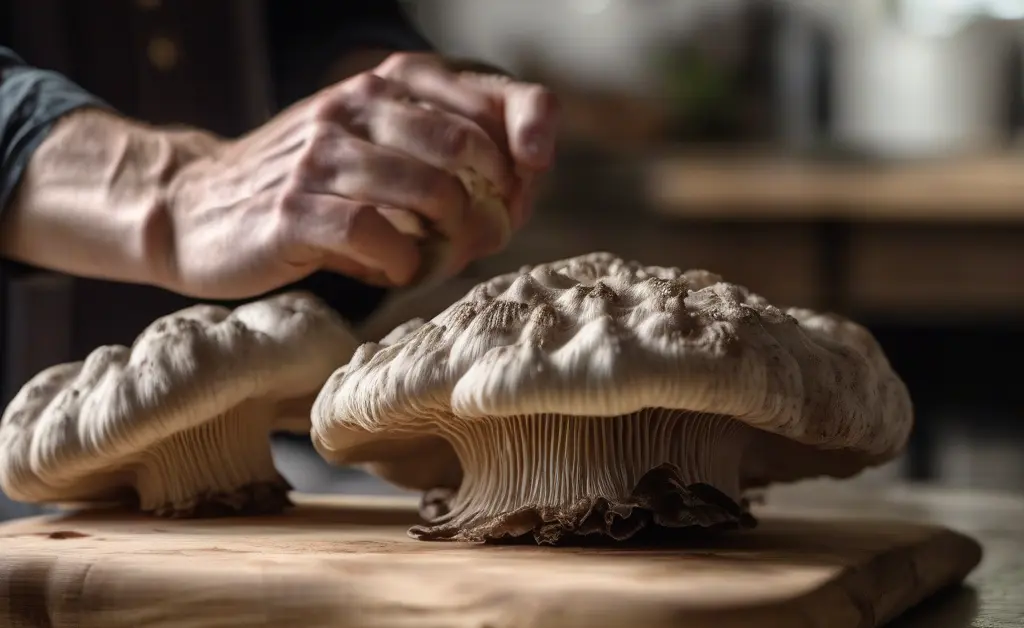
Maitake, known scientifically as Grifola frondosa, boasts a rich history deeply rooted in Eastern traditional medicine, particularly in Japan and China. Its name, “maitake,” translates to “dancing mushroom” in Japanese, said to originate from people dancing with joy upon finding this prized fungus in the wild. Historically, it was revered not only for its culinary appeal but also for its perceived adaptogenic properties, believed to help the body adapt to various stressors and promote vitality. In traditional practices, maitake was often prepared as teas or decoctions, reflecting its status as a valuable herbal supplement. Today, the enduring appreciation for this mushroom continues, extending its legacy into modern medicinal mushroom tinctures as people seek natural avenues for immune support and holistic health.
Frequently Asked Questions About Maitake Tincture

Many individuals exploring natural supplements often have questions regarding maitake tincture. Common inquiries include its potential role in supporting the immune system and its adaptogenic properties, which may contribute to overall balance within the body. People frequently ask about its impact on metabolic health, with some studies exploring its traditional association with healthy blood sugar and blood pressure levels, though specific effects can vary. A primary focus for many is understanding the full spectrum of maitake mushroom extract benefits. Concerns about taste, ease of integration into daily routines, and identifying truly pure and potent maitake mushroom tincture products are also prevalent. Consumers are generally interested in understanding the science behind Grifola frondosa and how best to incorporate this functional mushroom extract into their journey toward holistic health.
The maitake mushroom tincture offers a convenient and potent way to explore the benefits of this remarkable fungus. Through a careful dual-extraction process, key compounds are concentrated into a liquid form that can be easily integrated into a daily regimen. Understanding its preparation, proper storage, and how to select a high-quality product ensures consumers can make informed choices. As interest in natural wellness continues to grow, the maitake mushroom tincture stands out as a valued herbal supplement, supporting holistic health and contributing to overall vitality.
This content is for informational use and should not be considered medical instruction. It is not intended to provide medical advice, diagnosis, or treatment. Always consult with a qualified healthcare professional before making any decisions about your health or starting any new supplement regimen. Individual results may vary, and the information provided is not a substitute for professional medical guidance.
FAQ
— What is maitake mushroom tincture used for?
Maitake (Grifola frondosa) is recognized for its rich concentration of beta-glucans, complex polysaccharides that interact with the immune system. These compounds are why maitake has been studied for its role in supporting immune function and promoting metabolic balance. Its historical use in traditional practices centers on promoting overall vitality and wellness.
— How do you take maitake tincture?
Mushroom tinctures are liquid extracts designed for easy incorporation into a daily routine. They are typically administered directly into the mouth or mixed into a beverage like water, tea, or juice. This liquid format allows for flexible and convenient use.
— What does dual-extracted mushroom tincture mean?
Dual extraction is a two-step process designed to pull the full spectrum of a mushroom’s beneficial compounds into the final liquid. The first step, typically a hot water extraction, isolates water-soluble compounds like beta-glucans. A second extraction using alcohol then isolates non-water-soluble compounds such as triterpenoids, resulting in a more comprehensive extract.
— What should I look for when buying a maitake mushroom tincture?
When selecting a maitake mushroom tincture, key quality indicators include the use of the mushroom’s fruiting body, which is the part containing the highest concentration of active compounds. Look for information on the extraction method, such as dual extraction, and confirmation of organic sourcing. Reputable producers will often provide third-party lab testing results to verify purity and potency.
— How should maitake mushroom tincture be stored for longevity?
To preserve the stability and potency of a mushroom tincture, it is best stored in a cool, dark place away from direct sunlight and heat. The alcohol and water base acts as a natural preservative, but keeping the bottle tightly sealed in a cupboard or pantry helps protect the delicate compounds from degradation. This simple practice ensures the extract maintains its quality over time.
— What does maitake taste like in a tincture form?
The flavor of maitake in a tincture is often characterized by a distinctly earthy and slightly bitter profile, reflecting its natural fungal origins. Depending on the extraction base, there can be a sharp note from the alcohol and sometimes a subtle, underlying sweetness. This concentrated taste is why many people prefer to mix it into another beverage.