Achieving the ideal texture and rich, earthy flavor of maitake mushrooms is straightforward when you understand their unique cooking requirements. Properly prepared maitake offers a delightful culinary experience, characterized by crispy edges and a succulent, tender interior that elevates any dish. This distinct mushroom, also known as Hen of the Woods, transforms beautifully with the right heat application, unlocking its full aromatic potential. To consistently deliver these exquisite results, it’s crucial to address the practical question of how long to cook maitake mushroom. This guide will explore the various factors influencing cooking times, different methods from roasting to sautéing, and crucial indicators of doneness, ensuring you can confidently prepare this versatile fungi to perfection every time.
Essential Preparation for Evenly Cooked Maitake
Proper preparation is the foundational step for ensuring maitake mushrooms cook evenly and achieve their desired texture. Begin by gently cleaning the mushroom clusters. Unlike some other fungi, maitake do not typically require extensive washing; a soft brush or a damp cloth can remove any clinging debris or soil. Avoid submerging them in water, as this can make them soggy and hinder crisping during cooking.
Once cleaned, the next crucial step involves breaking the maitake into appropriate-sized pieces. The mushroom grows in frond-like clusters, and these should be carefully separated. Aim for pieces that are relatively uniform in thickness and size. Larger, thicker pieces will naturally take longer to cook than smaller, thinner ones. By standardizing the size of your mushroom fronds, you create a more consistent cooking environment, preventing some pieces from becoming overcooked and tough while others remain undercooked. This attention to detail in preparation significantly impacts the overall cooking duration and the final quality of the dish, contributing to how long to cook maitake mushroom effectively for optimal results.
Factors That Influence Maitake Cooking Duration
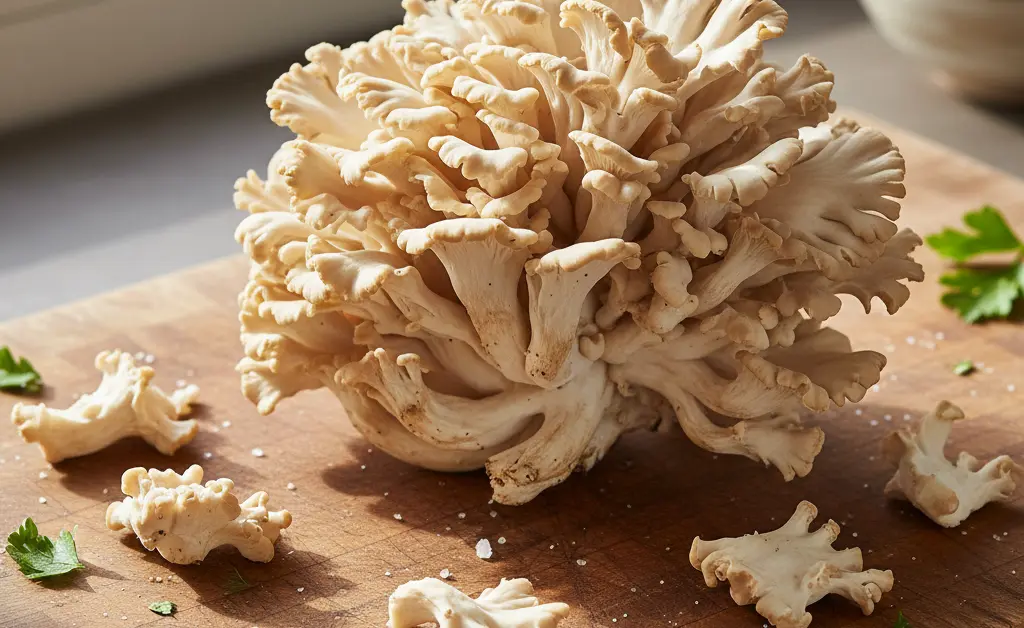
Several variables can significantly impact how long to cook maitake mushroom, influencing the final texture and flavor. Understanding these factors allows for better judgment and adjustments during the cooking process. One primary factor is the size and thickness of the maitake pieces. Thicker, denser fronds will naturally require more time and heat to become tender and browned compared to thinner, more delicate pieces.
The cooking method chosen also plays a crucial role. High-heat methods like roasting, sautéing, or air frying generally cook maitake more quickly and produce crispier results, while gentler methods might take longer to achieve tenderness. The temperature of your cooking surface or oven is another key consideration; consistent heat application is vital for even cooking. Furthermore, overcrowding the pan or baking sheet can lead to steaming rather than browning, extending the cooking time and resulting in a less desirable texture. The moisture content within the mushrooms themselves, which can vary, will also affect the duration, as excess moisture needs to evaporate before browning can occur.
A Guide to Different Cooking Methods and Their Timings
Mastering how long to cook maitake mushroom requires an understanding of various culinary techniques. Each method imparts unique characteristics to the mushroom, from crispy edges to a tender, meaty texture. The key is to match the method to your desired outcome, while observing visual and textural cues rather than relying on strict numerical timings, which can vary greatly depending on specific conditions.
Optimal Roasting Times for Maitake
Roasting is an excellent method for bringing out the deep, earthy flavors of maitake and achieving a delightful crispiness. To roast maitake effectively, preheat your oven to a sufficiently high temperature. Arrange the cleaned and broken mushroom fronds in a single layer on a baking sheet, ensuring they have ample space to brown without steaming. Drizzle with a good quality olive oil and season simply with salt, pepper, and perhaps some garlic and herbs.
The roasting process involves a balance of heat and time, working towards golden brown edges and a tender interior. Regularly check the mushrooms, gently flipping them halfway through the process to ensure even cooking and browning on all sides. The total duration will depend on the thickness of the fronds and the specific oven conditions, but the goal is to reach a state where the mushrooms are visibly caramelized and have a pleasant, slightly chewy texture.
Sauté and Pan-Fry Timings for Maitake
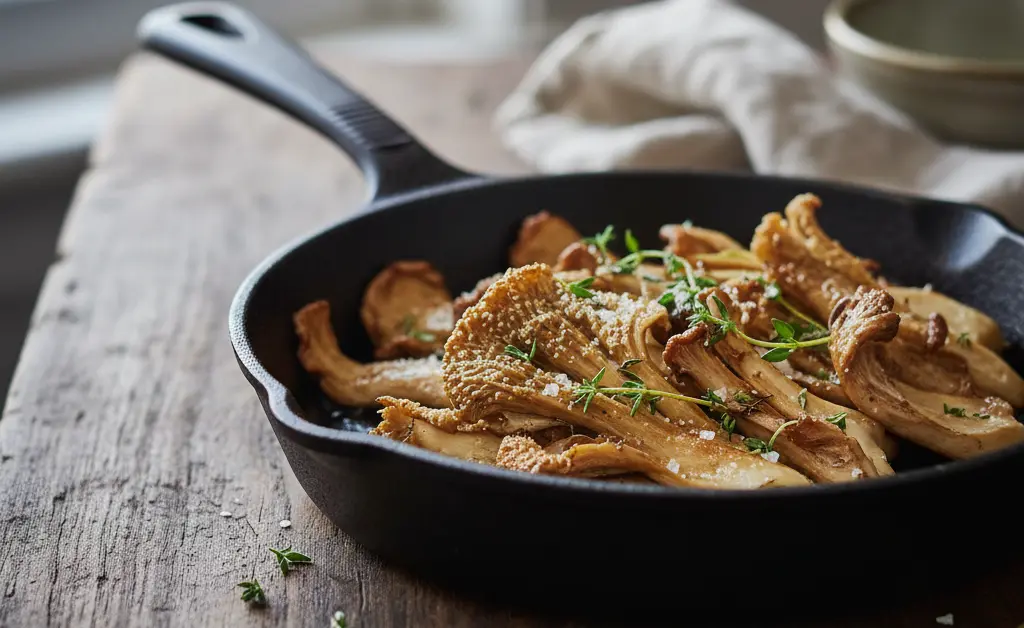
Sautéing and pan-frying are quick, high-heat methods perfect for developing rich, umami flavors and creating a delicious fried maitake mushroom. Begin by heating a skillet, preferably cast iron or heavy-bottomed, over medium-high heat with a suitable cooking fat like butter or olive oil. Once the fat is shimmering, add the maitake fronds in a single layer, ensuring not to overcrowd the pan. Cooking in batches may be necessary to prevent steaming.
These methods rely on consistent high heat to achieve a beautiful golden-brown color and tender texture. Stir or flip the mushrooms periodically to ensure all sides make contact with the hot pan. The process is relatively swift, marked by the mushrooms shrinking slightly, releasing their moisture, and then developing a caramelized crust. The exact duration will depend on the heat intensity and the size of the pieces, but the focus should be on achieving that desirable browned exterior and a tender, succulent interior, indicating ideal doneness.
Air Frying Duration for Maitake
Air frying offers a convenient way to achieve a crisp texture similar to deep-frying or roasting, but with less oil. When preparing maitake for the air fryer, ensure the mushroom fronds are dry and lightly tossed with a minimal amount of oil and seasonings. Preheat the air fryer to a medium-high setting for optimal results.
Arrange the maitake in a single layer within the air fryer basket, avoiding overcrowding, which can lead to uneven cooking. The cooking process is characterized by regular shaking or tossing of the basket to ensure all sides are exposed to the circulating hot air. The duration will vary based on the air fryer model and the size of the mushroom pieces, but aim for a crispy, golden-brown exterior and a tender, cooked-through interior. Keep a close watch during the process, as air fryers can cook quite rapidly, to prevent over-drying.
Grilling Times for Maitake Mushrooms
Grilling imparts a unique smoky flavor and char to maitake mushrooms, making it an excellent choice for outdoor cooking. This method is perfect for creating a memorable grilled maitake mushroom experience. Prepare the maitake by breaking them into larger, flatter clusters that can withstand direct heat without falling through the grates. Lightly brush them with oil and season generously. Preheat your grill to a medium-high heat setting.
Place the maitake directly on the preheated grates. The grilling process is relatively fast, focusing on developing attractive grill marks and tenderizing the mushroom. Flip the fronds periodically to ensure even cooking and prevent burning. The precise duration will depend on the grill’s temperature and the thickness of the mushroom pieces, but the key is to look for distinct charring and a softened texture, indicating they are ready to be removed from the heat.
Mastering Cooking Times: How Long to Cook Maitake Mushroom for Each Method
To truly master how long to cook maitake mushroom, it’s essential to not only understand the methods but also to interpret the visual and textural cues that indicate doneness. While general guidelines exist for different cooking techniques, the precise duration can fluctuate based on numerous factors, including the mushroom’s moisture content, the intensity of the heat source, and personal preference for texture. The journey to perfectly cooked maitake is an iterative one, where observation and responsiveness to the mushroom’s transformation are paramount.
Instead of rigid adherence to specific timeframes, focus on the sensory experience: the sizzling sounds, the evolving aroma, and the visible changes in color and form. This intuitive approach allows for adaptability, ensuring that whether you are pan-frying for a quick side dish or roasting a larger batch for a Japanese cuisine-inspired meal, your maitake will consistently achieve its optimal state of deliciousness. Experimenting with various maitake mushroom recipes can help you discover new ways to enjoy this versatile ingredient. The following section delves into how to recognize these critical signs of readiness.
Identifying Doneness: How to Know When Maitake is Cooked
Knowing when maitake mushrooms are perfectly cooked is more about observation than strict timekeeping. The primary indicators of doneness involve both visual and textural cues. Visually, cooked maitake should exhibit a beautiful golden-brown to deep caramelization, particularly on its edges, where it develops a desirable crispiness. The fronds should appear slightly shrunken and darker in color, indicating that much of their moisture has evaporated, concentrating their rich, earthy flavor.
Texturally, perfectly cooked maitake should be tender but still retain a slight firmness and a satisfying, meaty texture. This satisfying texture is why a maitake mushroom steak recipe is so popular as a meat alternative. It should not be rubbery, which often indicates undercooking, nor should it be overly soft and mushy, which suggests it has been overcooked. When tasted, it should be succulent, savory, and full of umami. If you pick up a piece, it should feel lighter due to moisture loss. A quick test bite is often the best way to confirm that your maitake has reached its peak doneness, offering that ideal balance of crispy exterior and tender interior.
Common Cooking Mistakes to Avoid with Maitake Mushrooms
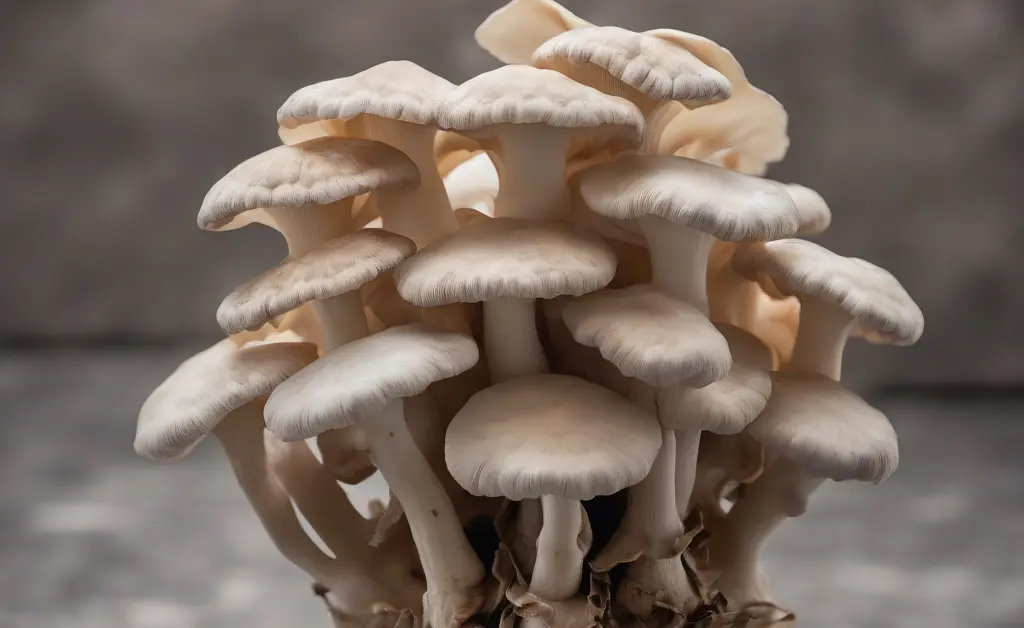
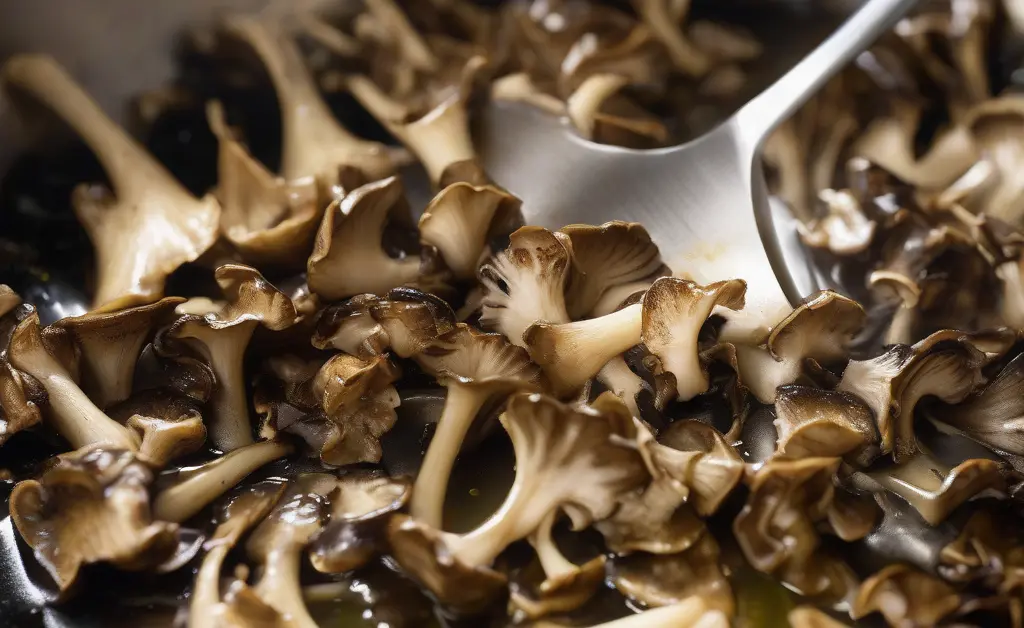
Achieving perfectly cooked maitake mushrooms can be straightforward, but certain common mistakes can hinder optimal results. Avoiding these pitfalls ensures you make the most of this unique fungi. One frequent error is overcrowding the cooking vessel, whether it’s a skillet, baking sheet, or air fryer basket. When mushrooms are packed too tightly, they release moisture and steam instead of browning, leading to a soggy, lackluster texture rather than the desired crispiness. It’s always better to cook in batches if necessary.
Another mistake is under-seasoning. Maitake has a robust, earthy flavor that benefits greatly from proper seasoning. A simple application of salt and pepper is a minimum, but it truly shines with additions like garlic, herbs, or a splash of soy sauce. While proper seasoning is crucial, it’s also wise to be mindful of sodium intake, aligning with dietary guidelines from health organizations like the WHO. Furthermore, inconsistent heat management can lead to uneven cooking; ensure your pan or oven is properly preheated and maintains a consistent temperature throughout the process. Overcooking or undercooking directly impacts how long to cook maitake mushroom effectively. Overcooked maitake can become tough or rubbery, losing its delicate texture, while undercooked maitake may lack depth of flavor and proper tenderness. Paying attention to these details will elevate your maitake cooking experience.
By focusing on proper preparation, understanding influencing factors, and recognizing visual cues, you can consistently achieve the perfect texture and flavor, ensuring you master how long to cook maitake mushroom every time.
This content is for informational use and should not be considered medical instruction. It is not intended to provide medical advice, diagnosis, or treatment. Always consult with a qualified healthcare professional for any health concerns or before making any decisions related to your health or well-being. Individual results may vary, and the information provided should not be used as a substitute for professional medical guidance.
FAQ
— How do you know when maitake is done cooking?
Maitake is done when the delicate, frilly edges turn golden brown and slightly crispy. The thicker, central parts will become tender and have released much of their moisture. You will also notice the mushrooms have shrunk in size and developed a rich, savory aroma.
— Can you overcook maitake mushrooms?
Yes, overcooking maitake can negatively affect its texture, causing the delicate fronds to become tough or leathery rather than tender-crisp. Prolonged cooking can also diminish its unique, savory flavor profile. The goal is to cook off the excess water without completely drying out the mushroom itself.
— What part of the maitake mushroom is edible?
The entire maitake mushroom, from the feathery fronds to the dense central base, is edible. Some people prefer to trim away the very bottom of the core if it feels particularly tough or woody. Otherwise, the whole cluster offers a wonderful range of textures and can be cooked together.
— Why do my cooked maitake mushrooms seem watery or soggy?
Maitake mushrooms have a high water content, and if the pan isn’t hot enough or is overcrowded, they will steam instead of sauté, resulting in a soggy texture. The question of how long to cook maitake mushroom is directly related to giving it enough time for this moisture to cook off before the browning process can begin. Allowing the water to evaporate quickly is what enables the mushrooms to sear properly.
— What is the ideal texture of properly cooked maitake?
Properly cooked maitake offers a delightful contrast in textures within the same cluster. The thin, fan-like edges should be nicely crisped and caramelized, while the thicker core and stems become pleasantly tender and chewy. This combination of crispiness and succulence is what makes the mushroom so highly prized in culinary applications.