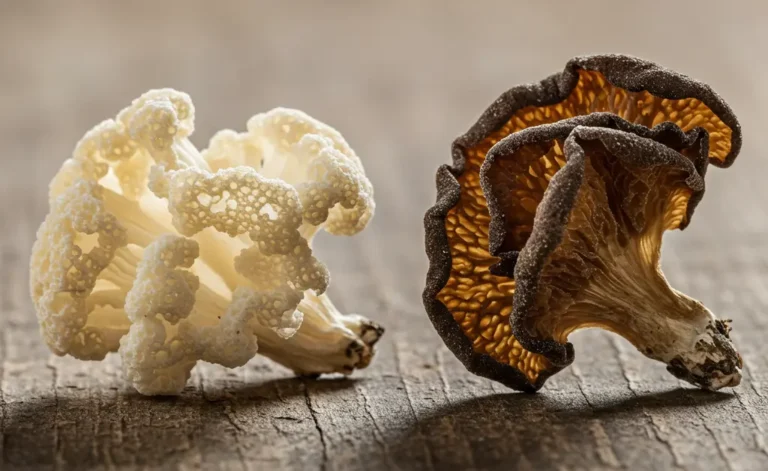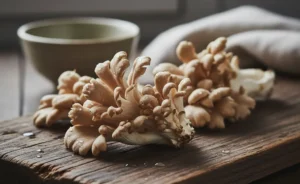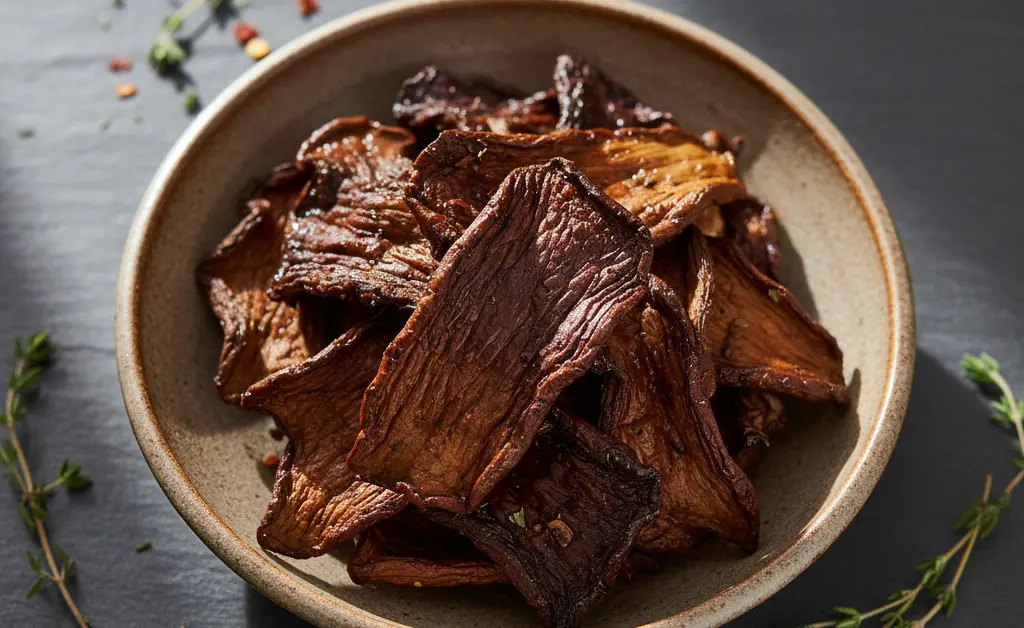
In today’s health-conscious world, consumers are increasingly seeking out nutritious and satisfying plant-based snacks that align with modern dietary preferences. Maitake mushrooms, revered for their rich umami flavor and robust, shreddable texture, offer an exceptional foundation for a homemade jerky experience. This guide explores how to craft a delicious and wholesome alternative to traditional meat snacks, perfect for active lifestyles or simply enjoying at home. We will delve into the essential steps, from selecting the finest ‘hen of the woods’ to mastering the art of the marinade and efficient dehydration techniques. Discover the rewarding process of making your own maitake mushroom jerky recipe, a savory treat that satisfies cravings without compromise.
Maitake Mushroom Jerky Recipe: Overview & Benefits
Crafting a delicious maitake mushroom jerky recipe involves transforming these unique fungi into a chewy, savory snack that rivals traditional meat jerky in both texture and flavor. Maitake mushrooms, also known as “hen of the woods” or Grifola frondosa, are celebrated for their earthy, rich, and slightly peppery taste, alongside a naturally fibrous structure that lends itself exceptionally well to the jerky-making process. This plant-based snack offers a wealth of advantages, including being naturally low in calories and fat while providing a satisfyingly meaty texture that can appease cravings for savory foods. This same meaty quality makes it an excellent substitute in dishes like maitake mushroom fried chicken. It’s an excellent option for those following vegan or vegetarian diets, as well as anyone looking to incorporate more whole foods into their snacking habits. The process allows for complete control over ingredients, ensuring a wholesome and clean snack free from artificial additives.
Preparing Your Maitake Mushrooms for Jerky
Choosing the Best Maitake for Jerky
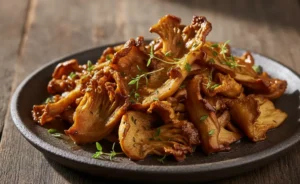
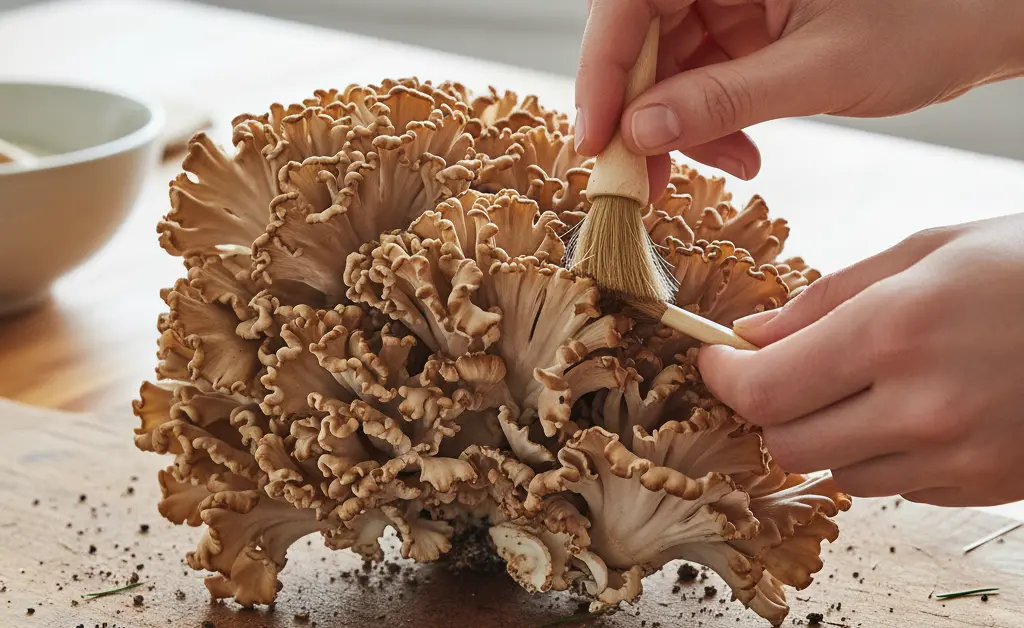
Selecting high-quality maitake mushrooms is the first step toward a successful jerky batch. Look for fresh, firm clusters with a vibrant appearance, indicating their prime condition. The edges of the frilly caps should be intact and not show signs of wilting or sliminess, which can indicate older mushrooms. Opt for larger clusters if possible, as they yield more substantial pieces for a satisfying chew. The stem end should be clean and firm, free from excessive soil or damage. Sourcing from reputable grocers or local farmers’ markets ensures you get the freshest “hen of the woods” available for your homemade jerky. These fresh mushrooms are also perfect for a comforting maitake mushroom soup recipe.
Preparing the Hen of the Woods Mushrooms
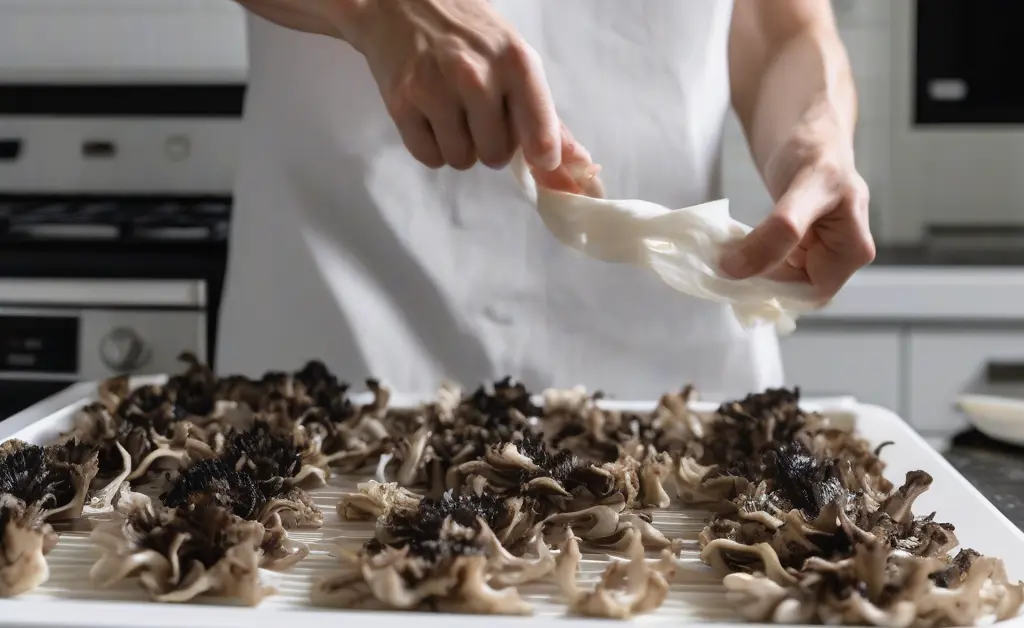
Once you have chosen your maitake mushrooms, preparation is straightforward. Begin by gently brushing off any visible dirt or debris with a soft mushroom brush or a damp paper towel. Avoid rinsing them under running water extensively, as mushrooms can absorb water, which can hinder the marinating and dehydrating process. Next, carefully separate the individual fronds or tear the larger clusters into pieces that resemble strips of jerky. Aim for pieces that are relatively uniform in thickness, about 1/4 to 1/2 inch, to ensure even drying. The natural, feathery texture of maitake makes it easy to pull apart into irregular, organic shapes that enhance the authentic jerky feel. Understanding the basics of how to cook maitake mushroom can open up a world of culinary possibilities beyond just jerky.
Crafting the Perfect Maitake Jerky Marinade
Core Liquid Base
The foundation of any exceptional maitake mushroom jerky recipe lies in its marinade. For the core liquid base, tamari or soy sauce are excellent choices, providing a deep umami flavor that perfectly complements the earthiness of the mushrooms. For those avoiding gluten, tamari is a suitable alternative. A touch of apple cider vinegar can also be added; its acidity not only brightens the flavors but may also assist in tenderizing the mushroom fibers slightly, contributing to a more pleasant chew.
Sweet and Salty Components
To achieve that classic sweet and salty jerky profile, incorporate natural sweeteners and additional savory elements. Maple syrup or agave nectar work wonderfully, offering a balanced sweetness without refined sugars. For an extra layer of umami and salt, a dash of liquid aminos or a bit more soy sauce can be included. This combination helps to create a complex flavor that is both satisfying and addictive, enhancing the natural taste of the maitake.
Spices and Aromatics
The right blend of spices and aromatics transforms a simple marinade into a flavor powerhouse. Essential additions include garlic powder, onion powder, and black pepper, which provide a robust aromatic base. Smoked paprika is highly recommended for imparting a deep, smoky character often associated with traditional jerky. For those who enjoy a little heat, a pinch of cayenne pepper or red pepper flakes can be included. Freshly grated ginger can also add a bright, zesty note.
Combining the Marinade
Once all your ingredients are gathered, combine them in a bowl or a large sealable bag. Whisk or shake thoroughly until all the components are well integrated and the sweeteners are dissolved. It is important to ensure a homogenous mixture so that every piece of maitake receives an even coating of flavor. Taste the marinade at this stage and adjust seasonings as desired, keeping in mind that the flavors will concentrate during dehydration.
Marinating for Optimal Flavor
Effective marinating is crucial for infusing the maitake mushrooms with rich flavor and developing their texture. After preparing your mushrooms, add them to the marinade, ensuring every piece is fully submerged and coated. Gently massage the marinade into the mushroom pieces to help with absorption. Place the sealed container or bag in the refrigerator to marinate. While shorter marinating times can still yield good results, allowing adequate time is key for deep flavor penetration.
Maitake jerky recipe with overnight marinate
For an intensely flavored and perfectly textured maitake mushroom jerky recipe, an overnight marinate is highly recommended. Letting the mushrooms steep in the savory marinade for at least 8 to 12 hours, or even up to 24 hours, allows the complex flavors to fully permeate the mushroom fibers. This extended soaking time not only enhances the taste but also helps to achieve a more pliable and chewy texture after dehydration, mimicking the desirable qualities of traditional jerky. Ensure the mushrooms are kept refrigerated throughout this process to maintain freshness.
Step-by-Step Dehydrator Instructions for Mushroom Jerky
maitake mushroom jerky recipe dehydrator
Using a food dehydrator is often the preferred method for making this maitake mushroom jerky recipe, as it provides consistent low heat and airflow, essential for even drying. Once your maitake mushrooms have finished marinating, remove them from the liquid, allowing any excess to drip off. Arrange the marinated mushroom pieces in a single layer on your dehydrator trays, ensuring there is enough space between them for air to circulate freely. Overlapping pieces can lead to uneven drying and potential spoilage. This careful arrangement ensures each piece transforms into a delicious and chewy vegan mushroom jerky.
Dehydrating the Jerky
Set your dehydrator to a low temperature. The exact temperature may vary slightly based on your specific dehydrator model, but generally a setting around the lower end of the spectrum is suitable for vegetables and fruits. Dehydration time can vary widely, depending on the thickness of your mushroom pieces, the dehydrator’s efficiency, and the desired level of dryness. It is important to check the jerky periodically, rotating trays if necessary to ensure even drying. The jerky is ready when it is pliable but firm, with a leathery, chewy texture. It should not be brittle or crumbly, nor should it feel soft or moist. A perfectly dehydrated piece will bend without breaking and will not release any moisture when squeezed.
Flavor Customization and Recipe Variations
One of the joys of preparing a homemade maitake mushroom jerky recipe is the endless potential for flavor customization. Once you master the basic technique, you can experiment with various ingredients to create unique and exciting variations that cater to your personal taste preferences. This flexibility allows for a truly personalized plant-based snack experience, ensuring your vegan mushroom jerky is always a delightful treat. Beyond jerky, there are numerous other maitake mushroom recipes to discover.
Adjusting the Sweetness
The balance of sweet and savory is crucial in jerky. If you prefer a sweeter jerky, you can increase the amount of maple syrup, agave, or even a touch of brown sugar in your marinade. Conversely, for a more savory profile, reduce the sweeteners and consider adding more umami-rich ingredients like nutritional yeast or a deeper miso paste. Adjusting this component can significantly alter the overall character of your homemade mushroom jerky.
Increasing the Spice Level
For those who crave heat, upping the spice level is simple. Incorporate more cayenne pepper, red pepper flakes, or a dash of your favorite hot sauce into the marinade. Smoked chipotle powder can also add a smoky heat. Start with a smaller amount and gradually increase to your desired intensity, as the heat can become more concentrated during the dehydration process, resulting in a spicy mushroom jerky.
Adding a Smoky Element
A smoky flavor is often a hallmark of traditional jerky. To enhance this in your maitake version, beyond smoked paprika, you can carefully add a small amount of liquid smoke to the marinade. A little goes a long way, so introduce it sparingly. Alternatively, a smoked salt or even a pinch of Lapsang Souchong tea (steeped and cooled before adding to the marinade) can impart a subtle, natural smokiness without the need for an open flame.
Common Mistakes to Avoid When Making Mushroom Jerky
Making mushroom jerky is a rewarding process, but avoiding common pitfalls can ensure a successful and delicious outcome. One frequent mistake is over-hydrating the mushrooms during cleaning; remember to gently brush them clean rather than rinsing them excessively, as absorbed water can prolong drying times and affect texture. Another error is not marinating the mushrooms long enough; insufficient marinating can result in bland jerky that lacks depth of flavor, so allowing for optimal soak time is essential. Slicing the mushrooms too thick or too thin can also be problematic; thick pieces take excessively long to dry and might harbor moisture, while overly thin pieces can become brittle and lose their desired chewy texture.
Over-dehydrating is another mistake that leads to a crumbly, unpalatable product, while under-dehydrating poses a risk of spoilage due to residual moisture. Proper food handling and dehydration are key to preventing foodborne illness, a topic covered extensively by health authorities like the NHS. Always aim for a pliable, leathery consistency. Lastly, overcrowding the dehydrator trays can hinder air circulation, leading to uneven drying. Ensure proper spacing between your mushroom pieces to allow for consistent airflow and efficient moisture removal.
Storage and Shelf Life of Homemade Maitake Jerky
Proper storage is essential to maintain the quality and extend the shelf life of your delicious homemade maitake mushroom jerky. Once the jerky is thoroughly dehydrated, allow it to cool completely to room temperature. This step is crucial, as any trapped warmth can create condensation within the storage container, potentially leading to moisture buildup and spoilage. Store the cooled jerky in an airtight container or a resealable bag, ensuring as much air as possible is removed. For optimal freshness, keep the container in a cool, dark pantry or cupboard away from direct sunlight and heat sources.
While homemade jerky generally has a shorter shelf life than commercially produced versions due to the absence of preservatives, when stored correctly, your maitake mushroom jerky can remain fresh for a period, providing a convenient and healthy snack. Regularly check your stored jerky for any signs of moisture, mold, or off-odors before consumption. This mindful approach to storage ensures you can enjoy your carefully prepared maitake mushroom jerky recipe for as long as possible.
Alternative Cooking Methods for Maitake Jerky
Using a Convection Oven for Jerky
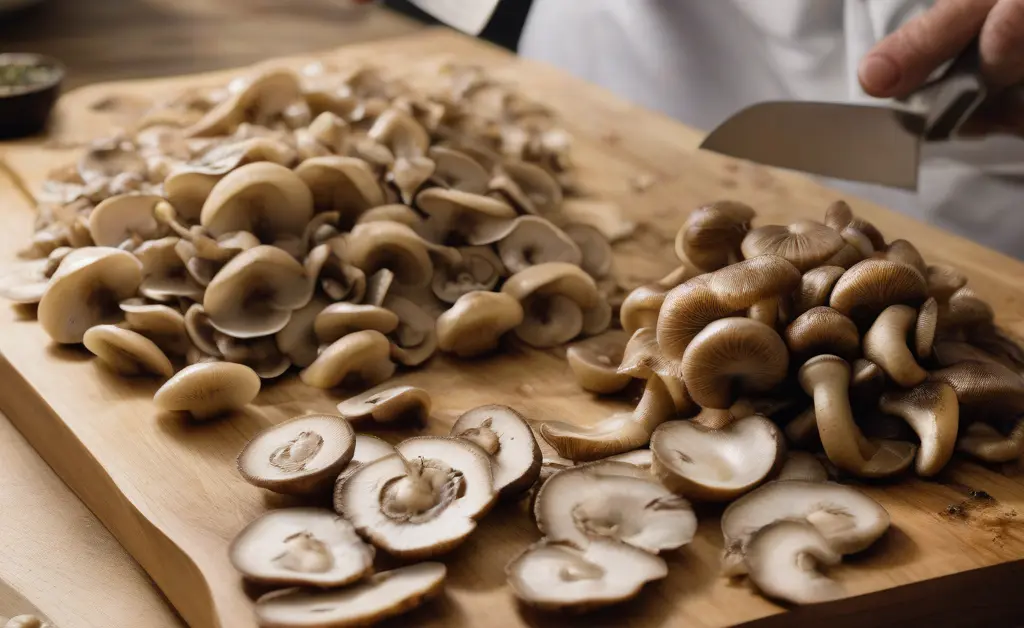
If you don’t have a dehydrator, a convection oven can be a viable alternative for making maitake mushroom jerky. The fan in a convection oven circulates hot air, mimicking some of the drying effects of a dehydrator. To use this method, arrange your marinated mushroom pieces on baking sheets lined with parchment paper, ensuring they are in a single layer and not touching. Set your oven to its lowest temperature setting, typically around 150-200°F (65-95°C). Prop the oven door slightly ajar with a wooden spoon to allow moisture to escape. Flip the mushroom pieces periodically to ensure even drying. This process will take several hours, and the goal is to achieve a chewy, pliable texture without baking them until crispy. Monitor closely to prevent burning.
Air Fryer Method for Mushroom Jerky
The air fryer offers a quicker alternative for making smaller batches of mushroom jerky, especially for those seeking a more crispy texture. Preheat your air fryer to a very low temperature, usually around 200-250°F (95-120°C). Arrange the marinated maitake pieces in a single layer in the air fryer basket, making sure not to overcrowd it. Cook in short increments, shaking the basket or flipping the pieces every 10-15 minutes to ensure even cooking and to prevent burning. The exact time will depend on your air fryer model and the thickness of the mushrooms, but it’s crucial to check frequently to achieve a dehydrated, chewy texture rather than fried. This method typically takes less time than an oven or dehydrator but requires more hands-on attention.
Making your own maitake mushroom jerky is a delightful culinary adventure, transforming humble fungi into a savory, satisfying snack. This plant-based alternative stands out for its rich umami flavor and remarkable texture, making it a perfect choice for those seeking wholesome and delicious options. From selecting the finest ‘hen of the woods’ to mastering the art of the marinade and efficient drying techniques, each step contributes to a rewarding result. Whether you’re a seasoned chef or a curious beginner, embarking on this maitake mushroom jerky recipe journey promises a flavorful treat that caters to various dietary preferences and active lifestyles.
The information presented in this article is educational and not meant as professional medical counsel. It is intended for general knowledge and informational purposes only, and does not address individual circumstances. It is not a substitute for professional medical advice, diagnosis, or treatment. Always seek the advice of your physician or other qualified health provider with any questions you may have regarding a medical condition or before undertaking any new health regimen.
FAQ
— How do you cut maitake mushrooms for jerky?
Maitake mushrooms are typically pulled apart into individual fan-like fronds rather than being sliced with a knife. This method respects the mushroom’s natural structure and creates pieces with more surface area for the marinade to cling to. The goal is to separate the cluster into consistently sized pieces for uniform drying.
— Can you make maitake mushroom jerky in an oven?
An oven is a common alternative to a food dehydrator for making mushroom jerky. The process involves setting the oven to its lowest temperature to slowly remove moisture without cooking the mushrooms. Propping the oven door slightly ajar helps improve air circulation and allows humidity to escape, which is crucial for achieving a chewy texture.
— What does maitake jerky taste like?
Maitake mushrooms possess a naturally rich, earthy, and savory flavor profile that intensifies during dehydration. The final taste of the jerky is largely defined by the marinade, which typically adds smoky, salty, and slightly sweet notes to complement the mushroom’s inherent umami. Many people find that a good maitake mushroom jerky recipe creates a snack with a satisfyingly dense and chewy texture.
— Why is my mushroom jerky not crispy?
The final texture of mushroom jerky is directly related to how much moisture has been removed. If the jerky is soft or pliable instead of chewy and firm, it often indicates that the dehydration time was insufficient or the pieces were too thick to dry evenly. Trapped humidity in the oven or dehydrator can also prevent the mushrooms from reaching the desired texture.
— What is the ideal thickness for maitake mushroom slices?
The thickness of the maitake pieces is a critical factor that influences both the drying time and the final texture of the jerky. Thinner pieces dehydrate more quickly and tend to have a crispier quality, while thicker pieces retain more chewiness. Maintaining a consistent thickness across all the pieces is important for ensuring they all dry at a similar rate.