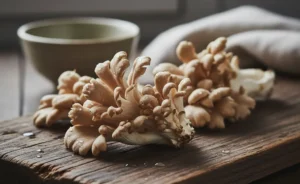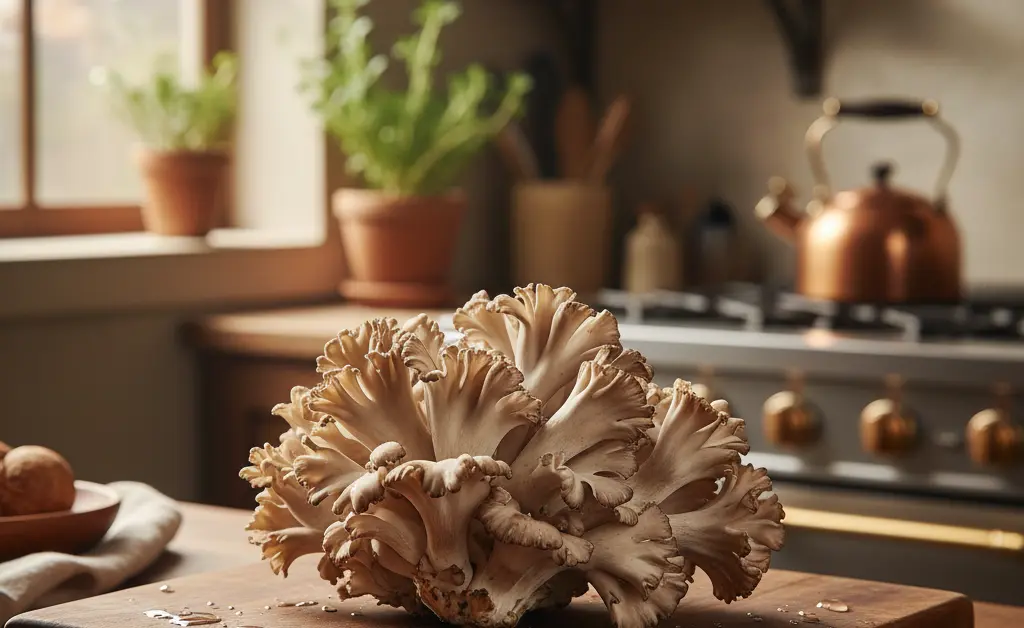
Picture this: you’re at the farmer’s market, scanning the produce, when your eye catches a beautiful, feathery cluster unlike any ordinary button mushroom. Its intricate layers promise a unique texture and a rich, earthy aroma. This is the maitake, often called “Hen of the Woods,” a gourmet fungi celebrated for its robust flavor and impressive culinary versatility. While its appearance might seem exotic, incorporating maitake into your home cooking is surprisingly straightforward and immensely rewarding. This guide is crafted to demystify this exceptional ingredient, providing comprehensive insights from preparation to advanced cooking techniques. We’ll explore various Maitake Mushroom recipes, offering practical steps and creative ideas to help you unlock its full potential, transforming simple meals into memorable culinary experiences.
Preparing Maitake Mushrooms for Cooking
Before diving into any delicious dish, proper preparation of maitake mushrooms is key to ensuring their optimal taste and texture. This delicate fungi requires a gentle touch to maintain its unique structure and inherent umami flavor.
How to Clean and Trim Maitake
Unlike many other mushrooms, maitake (often known as Hen-of-the-Woods) are best cleaned without excessive water. Their delicate, frond-like structure can absorb moisture easily, leading to a less desirable texture when cooked. Begin by gently brushing off any visible dirt or debris with a soft mushroom brush or a damp paper towel. Inspect the mushroom thoroughly for any tough or discolored parts at the base, which should be carefully trimmed away. The individual mushroom fronds can then be separated from the main stem, creating smaller, manageable pieces that will cook more evenly. It’s important to use a sharp knife for clean cuts, preserving the integrity of the mushroom.
The Secret to a Non-Soggy Mushroom
Preventing sogginess is paramount when cooking maitake. The primary secret lies in two stages: minimal moisture during cleaning and proper cooking technique. After brushing and trimming, ensure the mushrooms are completely dry before cooking. If you must rinse them, do so quickly under cool water and immediately pat them dry with paper towels. When cooking, avoid overcrowding the pan. Giving the mushrooms enough space allows moisture to evaporate rather than steam the mushrooms, which leads to a crispy texture. High heat and adequate ventilation are your allies in achieving that perfect, non-soggy result.
Fundamental Maitake Cooking Techniques
Maitake’s robust flavor and unique texture make it suitable for a wide array of cooking methods. Mastering these fundamental techniques will open up a world of delicious Maitake Mushroom recipes, ensuring this gourmet fungi truly shines on your plate.
Simple Maitake Cooking
For those new to maitake, simple cooking methods allow its natural taste to take center stage. Roasting or pan-frying with minimal seasoning can highlight its earthy, peppery notes. The goal here is to achieve a beautiful golden-brown exterior and a tender yet firm interior, which speaks to the quality of the maitake itself. A quick sauté or a gentle roast can be a perfect introduction to its distinct characteristics.
Sauteed Maitake Basics
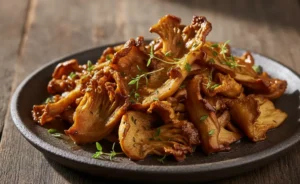
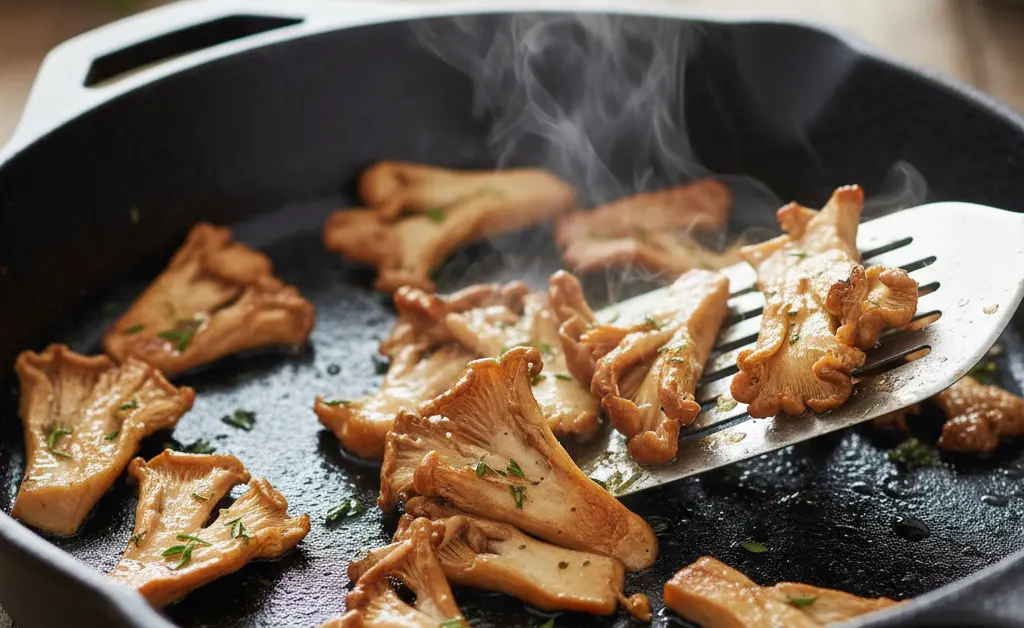
Sautéing is one of the most popular maitake cooking methods for a reason. Start by heating a pan, preferably cast iron or stainless steel, over medium-high heat. Add a small amount of oil, such as olive oil or butter, ensuring it’s hot but not smoking before adding the mushrooms. Place the maitake fronds in a single layer, making sure not to overcrowd the pan. Cook for several minutes without stirring, allowing the mushrooms to brown and develop a rich, savory crust. Flip and continue cooking until tender and deeply golden on all sides. Season simply with salt and black pepper to enhance its natural umami flavor.
Fried Maitake Techniques
For a crispier, more indulgent treat, fried maitake offers a delightful contrast in textures. This technique often involves a light dredging or batter. To achieve perfectly fried maitake, separate the mushroom into smaller, bite-sized clusters. You can toss them lightly in seasoned flour or a cornstarch mixture before frying. Heat a shallow amount of high-smoke point oil in a pan until shimmering. Fry the maitake in batches until golden brown and crispy, turning as needed. Drain on paper towels and season immediately with salt. This method results in an incredibly savory snack or side dish, with a satisfyingly crispy texture.
Grilling Maitake for a Smoky Flavor
Grilling imbues maitake with a wonderful smoky flavor that complements its earthy profile beautifully. Prepare your grill for medium-high heat. Toss maitake clusters with a touch of olive oil, salt, and black pepper. Place the mushrooms directly on the grill grates, ensuring they don’t fall through. Grill for a few minutes per side, until tender, lightly charred, and infused with that characteristic smoky aroma. Grilled maitake makes an excellent side dish, or can be added to salads and noodle bowls for an extra layer of flavor. The substantial texture of grilled maitake makes it an excellent base for a maitake mushroom steak recipe, offering a satisfying vegetarian alternative.
Flavor Profiles and Pairing Suggestions
Understanding the nuanced flavor profile of maitake is essential for creating truly memorable dishes. Its distinct characteristics lend themselves to a variety of seasonings and pairings, enhancing many Maitake Mushroom recipes.
Seasoning for an Umami-Packed Taste
Maitake mushrooms are celebrated for their potent umami flavor, a rich, savory depth that can elevate any dish. To enhance this natural characteristic, focus on seasonings that complement rather than overpower. Salt is crucial, as it draws out the mushroom’s inherent flavors. Freshly cracked black pepper adds a subtle warmth. Garlic, either fresh or in powder form, is a classic pairing that amplifies savory notes. A dash of soy sauce or tamari can further boost the umami, especially when used in a marinade or as a finishing touch. Other excellent choices include nutritional yeast for a cheesy depth, or even a touch of miso paste for fermentation-derived savoriness.
Classic Herb and Spice Pairings
When it comes to herbs and spices, maitake is quite versatile. Woody herbs like fresh thyme, rosemary, and sage pair wonderfully, bringing an aromatic, earthy complement to the mushroom. These are best added during the cooking process to allow their flavors to meld. Delicate herbs such as parsley or chives are excellent as a fresh garnish, providing brightness and a mild oniony note. Beyond herbs, a pinch of smoked paprika can echo the grilled maitake’s smoky flavor, while a touch of red pepper flakes can introduce a gentle heat. A drizzle of balsamic vinegar at the end can add a bright, acidic counterpoint, balancing the richness of the mushroom.
Maitake Mushroom Recipes: An Overview
Maitake mushrooms are incredibly versatile, making them a fantastic ingredient for a wide range of culinary creations. From traditional preparations to modern twists, these Maitake Mushroom recipes showcase the fungi’s unique texture and umami-rich flavor.
Japanese-Inspired Maitake Recipes
In Japanese cuisine, maitake (舞茸) is highly prized and frequently featured. It’s often found in hot pots (nabe), stir-fries, and as a tempura item, highlighting its delicate fronds and earthy taste. A common preparation involves grilling or pan-frying with a simple seasoning of soy sauce, mirin, and sake, allowing its natural sweetness and umami to shine. It’s also a popular addition to miso soup, providing depth and a satisfying texture. One can explore a detailed Japanese maitake mushroom recipe to recreate these authentic flavors at home.
Vegan Butter Shoyu Maitake
This simple yet incredibly flavorful dish is a testament to how easily maitake can be transformed. It celebrates the mushroom’s savory profile with the richness of vegan butter and the quintessential umami of soy sauce. To prepare, separate maitake into bite-sized clusters. Heat a pan over medium-high heat, add vegan butter, and once melted, add the maitake. Sauté until golden and tender. Towards the end of cooking, splash in some soy sauce (or tamari for gluten-free) and a hint of garlic powder. The vegan butter creates a beautiful caramelization, while the shoyu provides a deeply savory, aromatic finish, perfect as a side dish or topping for rice.
Detailed Recipe: Crispy Roasted Maitake
This recipe offers a fantastic way to enjoy maitake, creating a delightful crispy texture and an explosion of umami flavor. It’s a simple, hands-off method that yields impressive results, making it one of the most beloved Maitake Mushroom recipes.
Why You’ll Love This Recipe
You’ll fall in love with crispy roasted maitake for its incredible textural contrast – tender on the inside, wonderfully crunchy on the outside – and its intensely savory taste. It’s an easy preparation that requires minimal fuss but delivers maximum flavor. This dish is versatile enough to be a standout side dish, a savory snack, or a unique salad topping. It’s also naturally vegan and gluten-free, appealing to a wide range of dietary preferences, and highlights the natural goodness of the Hen-of-the-Woods. Incorporating a variety of vegetables and fungi into one’s diet aligns with healthy eating guidelines promoted by organizations like the WHO.
Key Ingredients You’ll Need
- Fresh maitake mushrooms, cleaned and separated into fronds
- Olive oil or avocado oil
- Soy sauce or tamari
- Garlic powder
- Black pepper
- Optional: Smoked paprika, nutritional yeast, or a touch of balsamic vinegar for extra depth
Step-by-Step: How to Make Crispy Maitake
- Preheat your oven to a moderate temperature. Line a baking sheet with parchment paper for easy cleanup.
- In a large bowl, combine the cleaned maitake fronds with olive oil, soy sauce, garlic powder, and black pepper. Toss gently to ensure all mushroom pieces are evenly coated.
- Spread the seasoned maitake in a single layer on the prepared baking sheet. Ensure there’s plenty of space between the mushrooms to allow for proper airflow and browning; avoid overcrowding the baking sheet.
- Roast in the preheated oven, turning the mushrooms once or twice during cooking to ensure even crisping. The exact roasting time will depend on your oven and the size of your mushroom pieces.
Roasting to Crispy Perfection
The key to achieving crispy roasted maitake lies in the right temperature and adequate cooking time. Roasting allows the moisture within the mushrooms to evaporate slowly, concentrating their flavors and creating those desirable browned, crispy edges. Keep an eye on the mushrooms as they roast; they should shrink slightly, turn deeply golden brown, and feel crisp to the touch. Avoid the temptation to pull them out too early, as that’s when they might turn soggy instead of perfectly crisp. This oven-roasted method is foolproof for achieving excellent texture.
Tips for Maximum Crispiness and Umami
- Don’t Wash: As discussed earlier, avoid washing maitake with water if possible. Brush clean to keep them dry.
- High Heat: Ensure your oven is sufficiently preheated. High heat helps initiate browning quickly.
- Single Layer: This is critical! Overlapping mushrooms will steam instead of roast, preventing crispiness. Use two baking sheets if necessary.
- Pat Dry: If you must rinse, pat the maitake thoroughly dry with paper towels before seasoning.
- Flavor Boost: For an extra umami kick, consider adding a sprinkle of nutritional yeast or a tiny dash of mushroom powder to your seasoning mix before roasting. A squeeze of fresh lemon juice or a drizzle of balsamic vinegar right after roasting can also brighten the flavors.
Exploring Diverse Maitake Mushroom Dishes
Beyond simple roasting or sautéing, maitake mushrooms lend themselves beautifully to a variety of complex and comforting dishes, providing a robust flavor and satisfying texture. These Maitake Mushroom recipes highlight its versatility.
Maitake Mushroom Pasta
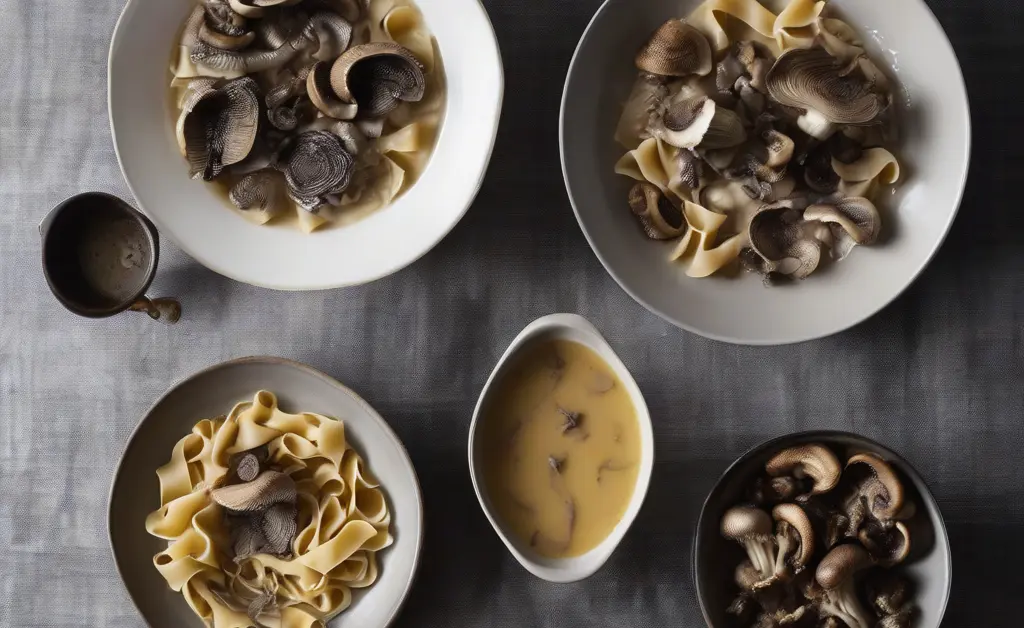
Maitake mushrooms are an excellent addition to pasta dishes, offering a meaty texture and rich umami that stands up well to sauces. For a delectable maitake mushroom pasta, begin by sautéing the mushroom fronds until golden and crispy. You can then incorporate them into a creamy sauce made with garlic, shallots, white wine, and a touch of heavy cream or a vegan alternative. Alternatively, fold them into a simple olive oil and garlic sauce, perhaps with some fresh parsley or thyme. The cooked maitake adds a wonderful chewiness and depth of flavor that complements various pasta shapes, from fettuccine to penne. It’s a hearty and satisfying meal that truly showcases the mushroom. This versatility extends to other Italian classics, making a maitake mushroom pizza a gourmet treat.
Maitake Mushroom Risotto
Risotto is another classic dish that benefits immensely from the inclusion of maitake mushrooms. The creamy, slow-cooked rice provides a perfect canvas for the mushroom’s earthy notes. To prepare maitake mushroom risotto, sauté finely chopped maitake and aromatics like onion and garlic in butter or olive oil. Add arborio rice and toast it lightly before deglazing with white wine. Gradually add warm vegetable broth, stirring continuously, until the rice is tender and creamy. Stir in the sautéed maitake towards the end, along with a knob of butter and grated Parmesan cheese (or a vegan alternative) for richness. The maitake infuses the entire risotto with its deep umami, creating a comforting and luxurious dish.
Maitake Mushroom Soup
Maitake mushrooms are ideal for creating deeply flavorful and comforting soups. Their robust taste makes them a star ingredient, whether in a clear broth or a creamy concoction. For a simple maitake mushroom soup, sauté the mushrooms with onions, garlic, and herbs like thyme. Deglaze with vegetable broth and simmer until the flavors meld. For a richer soup, you can add a touch of cream or blend a portion of the soup to create a thicker texture. Maitake also works well in miso soup, adding a wonderful textural element and enhancing the savory depth. The mushroom’s unique structure holds up well in liquid, providing satisfying bites in every spoonful.
Creative Serving Ideas for Maitake
Roasted Maitake Variations
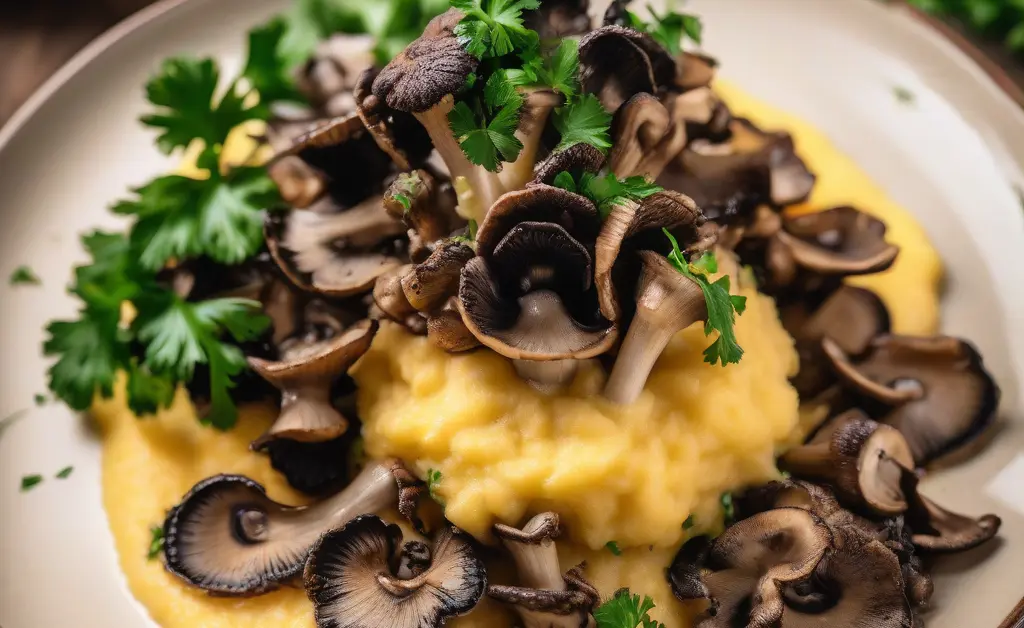
Once you’ve mastered the basic crispy roasted maitake, consider various applications and flavor variations to keep things exciting. Beyond being a delightful side dish on its own, roasted maitake makes an excellent salad topping, adding texture and a savory punch to greens. It can also be incorporated into grain bowls or noodle bowls for a hearty, umami-rich component. For a savory snack, simply season the crispy pieces with a sprinkle of sea salt and a touch of chili flakes. You can also toss roasted maitake with fresh herbs like chopped parsley or chives, or drizzle it with a finishing oil like truffle oil or a vibrant herb oil for an elevated experience. For another innovative snack, a maitake mushroom jerky recipe can transform these fungi into a chewy, savory treat.
From simple sautés to intricate risottos, maitake mushrooms offer a world of culinary possibilities, making them a true delight for any home cook. Their distinctive umami flavor and versatile texture can transform everyday meals into gourmet experiences. Experimenting with various Maitake Mushroom recipes not only enhances your cooking repertoire but also brings a unique and healthful ingredient to your table, proving that this “Hen of the Woods” is much more than just a mushroom.
The content presented here is not a substitute for professional medical guidance. While mushrooms like maitake are enjoyed in various culinary traditions and are part of many dietary practices, individual dietary needs and health conditions vary. Any information regarding potential benefits is for educational purposes and should not be interpreted as medical advice. Always consult with a qualified healthcare professional before making any decisions related to your health or diet, especially if you have pre-existing conditions or are taking medications.
FAQ
— How do you make maitake mushrooms crispy?
To achieve a crispy texture, maitake mushrooms are best cooked at a high temperature, such as roasting or pan-searing. Tearing the mushroom into smaller, individual fronds increases the surface area that is exposed to the heat. This allows moisture to evaporate quickly, which helps the delicate edges to brown and crisp up beautifully.
— What is the best way to cook maitake mushrooms?
The ideal cooking method depends on the desired final texture, as maitake is quite versatile. Roasting larger clusters whole brings out a deep, savory flavor and a firm, meaty consistency. Conversely, sautéing smaller, torn pieces in a hot pan allows them to develop a rich brown color and wonderfully crisp edges.
— What does maitake mushroom taste like when cooked?
When cooked, maitake offers a rich, savory, and earthy flavor with pronounced umami notes. Its texture is characteristically firm yet tender and succulent, often being described as meaty. Many people also notice subtle, woodsy, and slightly peppery undertones that add to its complexity.
— What flavors pair well with maitake mushrooms?
Maitake’s earthy and savory character pairs beautifully with flavors like garlic, thyme, and rosemary. Fats such as butter or olive oil enhance its richness, while a touch of soy sauce or tamari amplifies its natural umami. The versatility of its flavor profile is why you find it featured in so many different Maitake Mushroom recipes, from simple sautés to complex pasta dishes.
— Should you wash maitake mushrooms before cooking?
Cleaning maitake with a dry brush or damp paper towel is typically preferred over rinsing with water. Like a sponge, the mushroom is quite porous and can absorb a significant amount of liquid. This excess moisture can inhibit the browning process, preventing the mushroom from developing a desirable crispy texture during cooking.