
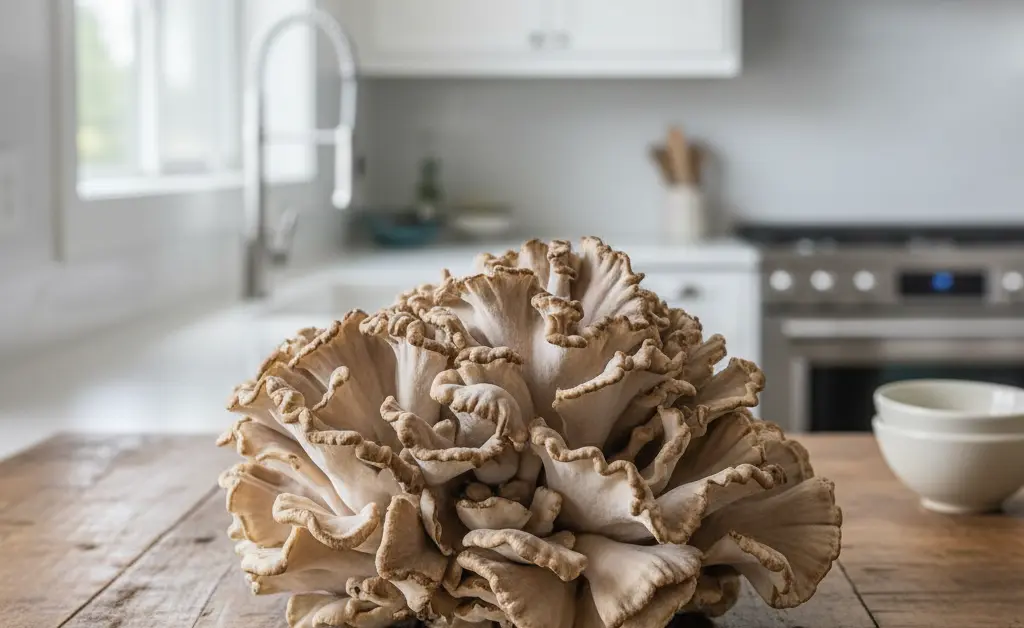
In recent years, there has been a noticeable surge in consumer interest towards natural and holistic approaches for managing chronic health conditions. This growing trend extends particularly to dietary interventions, where functional foods are gaining prominence for their potential therapeutic benefits. Among these, the maitake mushroom has emerged as a subject of considerable scientific and public attention, specifically for its potential role in cardiovascular health. This article explores the emerging research concerning maitake mushroom for cholesterol management, delving into its unique bioactive compounds and mechanisms that may contribute to maintaining healthy lipid levels. Understanding these properties can offer valuable insights into integrating this remarkable fungus into a health-conscious lifestyle.
Maitake Mushroom for Cholesterol: An Overview
The Link Between Maitake and Lipid Health
The maitake mushroom, scientifically known as Grifola frondosa, has long been revered in traditional Eastern medicine for its wide array of health-promoting properties. Modern scientific inquiry has begun to unravel the potential connections between this medicinal mushroom and a healthy lipid profile. Research suggests that various compounds within maitake may interact with the body’s metabolic processes that regulate cholesterol and other lipids, potentially supporting cardiovascular health. The interest in maitake mushroom for cholesterol management stems from observations in various studies indicating its influence on lipid metabolism. This specific focus is part of a wider investigation into the overall maitake mushroom benefits.
Summary of Key Studies and Findings
Numerous studies, including both in vitro and animal models, have explored the potential of maitake mushrooms in influencing lipid levels. Many of these investigations can be found on scientific databases like PubMed. These investigations often point to the mushroom’s complex composition as the source of its effects. Findings generally suggest a potential role in modulating certain aspects of lipid metabolism, which contributes to the broader discussion around maitake mushroom for cholesterol health. While human clinical studies are still developing, preliminary results often encourage further investigation into its benefits for maintaining a balanced lipid profile.
Understanding Maitake’s Cholesterol-Lowering Mechanisms

Impact on LDL and HDL Cholesterol Levels
The potential mechanisms by which maitake mushroom may influence cholesterol levels are a focus of ongoing research. Some theories suggest that certain compounds in maitake could interfere with the absorption of dietary fats and cholesterol in the gut. Additionally, there is exploration into how maitake might impact the synthesis of cholesterol in the liver. These actions could potentially contribute to a reduction in low-density lipoprotein (LDL cholesterol), often referred to as “bad cholesterol.” Conversely, research also examines whether maitake could help support levels of high-density lipoprotein (HDL cholesterol), known as “good cholesterol,” which plays a crucial role in removing excess cholesterol from the body. Understanding these intricate pathways is key to appreciating the potential of maitake mushroom for cholesterol support.
Effects on Triglyceride Metabolism
Beyond its potential effects on LDL and HDL cholesterol, maitake is also being studied for its influence on triglyceride metabolism. Triglycerides are another type of fat found in the blood, and elevated levels are a known factor in cardiovascular health concerns. Initial research indicates that components within maitake might play a role in regulating the body’s production and breakdown of triglycerides. This comprehensive approach to lipid management, addressing both cholesterol and triglycerides, underscores the broad potential of this mushroom.
Clinical Trials and Human Research
While much of the foundational research on maitake and cholesterol has been conducted in laboratories and animal models, a growing number of clinical trials and human research studies are emerging. These studies aim to translate preliminary findings into observable benefits in people. Such clinical validation is key to understanding the full scope of maitake mushroom medicinal uses. Although research is still evolving, the existing human data contributes to a better understanding of how maitake extract or whole mushroom consumption might be integrated into strategies for healthy lipid management. These investigations are vital for establishing the efficacy and safety of maitake mushroom for cholesterol support in diverse populations.
How to Use Maitake for Cholesterol Support
Identifying Quality Maitake Supplements
When considering maitake supplements for cholesterol support, it is important to prioritize quality and transparency. Look for reputable brands that provide clear information about the source of their mushrooms and their extraction methods. Opt for products that specify the concentration of beneficial compounds, such as polysaccharides or beta-glucans. Third-party testing for purity and potency can offer additional assurance. Avoiding products with unnecessary fillers or artificial ingredients is also advisable to ensure you are receiving a high-quality maitake dietary supplement.
General Side Effects and Considerations
Maitake mushrooms are generally well-tolerated by most individuals when consumed as food or a dietary supplement. However, like any natural product, mild side effects can occur, such as gastrointestinal upset in sensitive individuals. It is always wise to start with a smaller amount to assess individual tolerance. Observational studies on maitake mushroom for cholesterol management rarely report severe adverse reactions, but personal health conditions can influence how one responds.
Populations Who Should Consult a Professional
Certain populations should exercise caution and consult with a healthcare professional before incorporating maitake mushroom into their routine, particularly if they are considering it for cholesterol support. This includes individuals who are pregnant, breastfeeding, or have pre-existing medical conditions, especially those related to immune disorders, blood pressure regulation, or blood clotting. Specific health goals, such as exploring the potential maitake mushroom benefits for women, should also be discussed with a provider. Additionally, anyone currently taking medications, particularly those for diabetes, hypertension, or blood thinners, should seek medical advice to avoid potential interactions.
Nutritional Profile of Maitake Mushrooms
The Role of Polysaccharides and Beta-Glucans
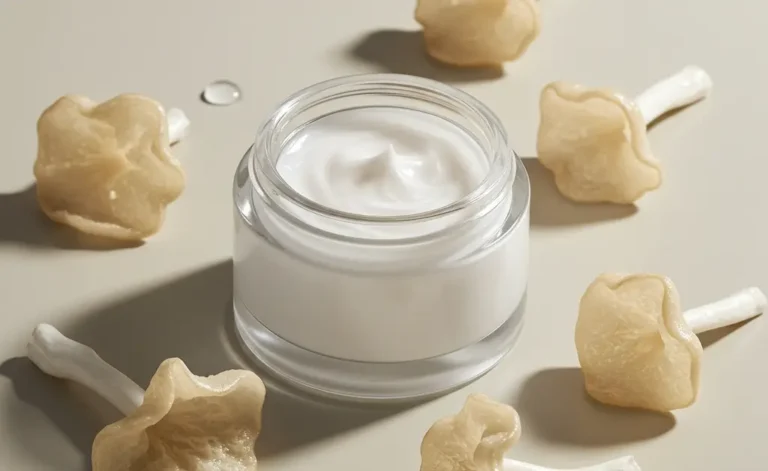
The nutritional richness of maitake mushrooms contributes significantly to their reputation as a functional food. They are a source of vitamins, minerals, and dietary fiber, but their most notable bioactive compounds are polysaccharides, particularly beta-glucans. These complex carbohydrates are recognized for their potential to support various physiological functions, including immune system support and potentially influencing metabolic processes. In addition to internal health, some research is now exploring the potential maitake mushroom benefits for skin. The unique structure of beta-glucans found in Grifola frondosa is thought to play a role in their interaction with the body, which extends to discussions around maintaining a healthy lipid profile. While not a direct lipid-lowering agent, the overall nutritional contribution and these specific compounds underpin the general interest in maitake’s health benefits.
Maitake in Traditional and Modern Cuisine

How to Select and Store Fresh Maitake
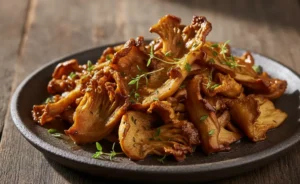
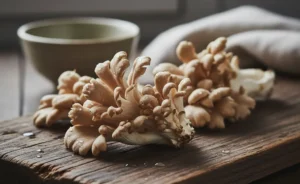
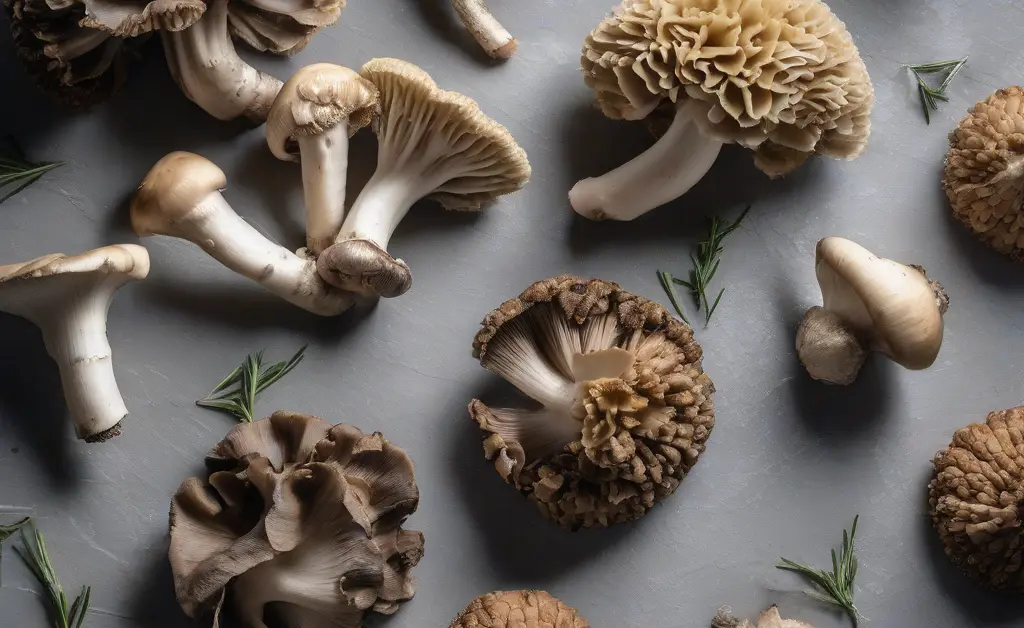
Maitake mushrooms are highly prized in culinary applications for their rich, earthy flavor and distinctive texture. When selecting fresh maitake, look for clusters that are firm, intact, and free from any signs of sliminess or decay. The edges of the caps should appear crisp and not dried out. Their color can range from gray to brownish-gray. To store fresh maitake, place them in a paper bag in the refrigerator, which allows them to breathe and prevents them from becoming soggy. Avoid storing them in plastic bags, as this can trap moisture and accelerate spoilage. Properly stored, fresh maitake can remain viable for several days, ready to be incorporated into a variety of dishes to potentially support overall wellness.
The growing body of research suggests that the maitake mushroom offers a promising natural avenue for supporting overall cardiovascular health, specifically pertaining to lipid management. Its unique blend of bioactive compounds, especially polysaccharides, may contribute to its potential effects on cholesterol and triglyceride levels. While maitake mushrooms can be a valuable addition to a health-conscious diet, especially for those interested in natural approaches, integrating maitake mushroom for cholesterol management should be part of a broader healthy lifestyle. As research continues, the full extent of its benefits and optimal usage will become even clearer, reinforcing its status as a significant functional food.
Readers should understand that this article does not offer medical diagnosis or treatment. The information provided is for general knowledge and informational purposes only, and does not constitute medical advice. It is essential to consult with a qualified healthcare professional for any health concerns or before making any decisions related to your health or treatment. Individual responses to dietary supplements and functional foods can vary, and this content should not be used as a substitute for professional medical advice.
FAQ
— What does research suggest about maitake’s relationship with cholesterol?
Maitake contains beta-glucans, which are a type of soluble fiber studied for their role in how the body processes fats. Research into maitake mushroom for cholesterol often investigates how these compounds interact with bile acids in the digestive system, a key pathway in lipid regulation. This interaction is central to its nutritional relevance in a diet focused on metabolic health.
— How does maitake affect LDL vs HDL cholesterol from a nutritional standpoint?
From a nutritional perspective, maitake’s soluble fiber content is a key factor. Soluble fibers, like beta-glucans, contribute to a healthy diet by binding with fatty substances in the digestive tract. This general mechanism is relevant to the body’s natural management of both LDL and HDL cholesterol.
— What forms of maitake mushrooms are available for culinary use?
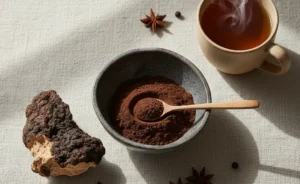
For cooking, maitake is commonly sold fresh in delicate, fan-shaped clusters that have a rich and savory flavor. You can also find dried maitake, which offers a more concentrated taste and can be rehydrated for use in soups, stews, and sauces. Additionally, maitake powder is available as an umami-rich seasoning.
— Can maitake mushrooms be eaten raw?
It is standard practice to cook maitake mushrooms before eating them. The cell walls of mushrooms contain a tough substance called chitin, which the heat from cooking helps to break down. This process makes the mushroom’s compounds more bioavailable and improves overall digestibility.
— How should fresh maitake mushrooms be stored for maximum freshness?
To maintain freshness, store maitake in a paper bag or a partially open container in the refrigerator. This allows the mushrooms to breathe and prevents moisture from accumulating, which can cause them to become slimy. Avoid storing them in airtight plastic, as this traps humidity.