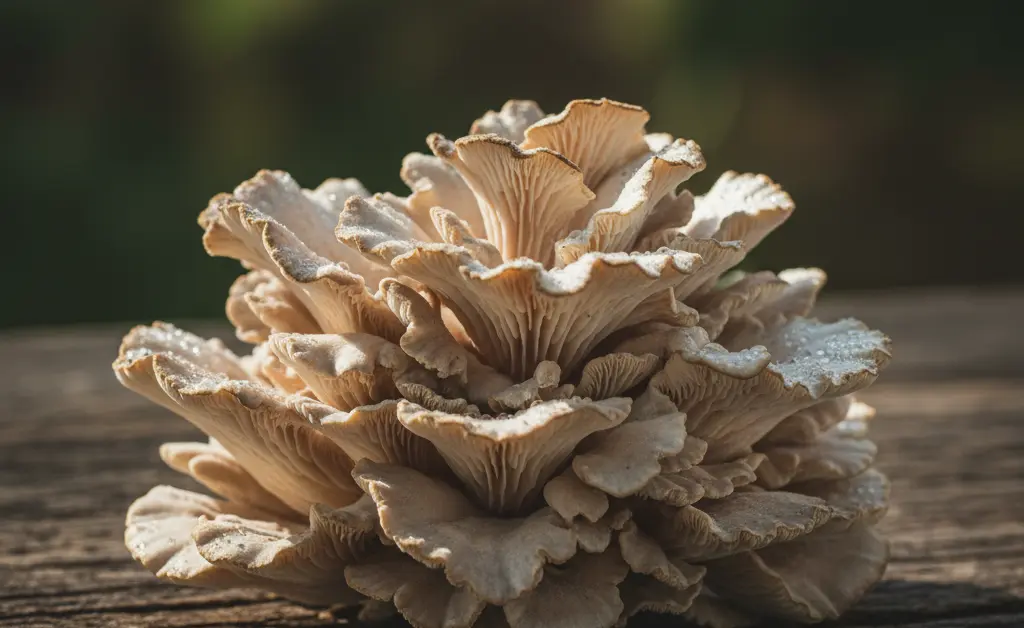
Maitake Mushroom, scientifically known as Grifola frondosa, is a distinctive and highly prized edible fungus that has garnered significant attention in both culinary and medicinal circles. Often referred to as “hen of the woods” due to its unique appearance resembling a cluster of ruffled feathers, this remarkable organism offers a fascinating array of benefits and applications. This comprehensive guide will delve into its identifying characteristics, nutritional profile, and the various health advantages it may provide. Furthermore, we will explore its culinary versatility, potential side effects, and practical advice on where to find, buy, and store this exceptional mushroom, ensuring readers are well-equipped with all essential knowledge.
Understanding Maitake Mushrooms: An Introduction
Identifying Characteristics and Appearance
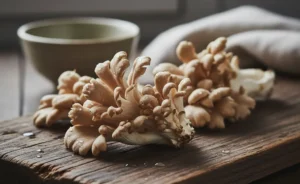
The Maitake Mushroom, or Grifola frondosa, is instantly recognizable by its unique morphology. It typically grows in large, multi-branched clusters resembling a head of ruffled feathers or a blossoming flower, which gives rise to its common name, “Hen of the Woods.” These clusters can be quite substantial, often reaching several pounds in weight. The individual caps, or fronds, are spoon-shaped or fan-shaped, with wavy, irregular margins. Their color ranges from light grey to brownish-grey, sometimes with white edges, and they tend to lighten with age. The underside of the caps features a network of small, white pores rather than gills, which is characteristic of polypore fungi.
Common Names and Pronunciation
Beyond its scientific designation, Grifola frondosa, the Maitake Mushroom is known by several evocative common names. The most widespread is “Hen of the Woods,” a direct reference to its appearance. In Japan, it is known as “Maitake,” which translates to “dancing mushroom,” a name said to have originated from people dancing with joy upon finding it in the wild, likely due to its delicious taste and potential health benefits. Other names include “Sheep’s Head” or “Ram’s Head” mushroom in some regions, also pertaining to its clustered form. The pronunciation of Maitake is ‘my-TAH-kee’.
Aroma and Texture
Maitake Mushroom boasts a distinct and appealing sensory profile. It emits a rich, earthy, and slightly woodsy aroma that intensifies during cooking. The texture of its fronds is another key characteristic; it is typically tender yet firm, offering a satisfying, succulent bite. When cooked, the mushroom retains a pleasant chewiness, making it a versatile ingredient in many culinary preparations. This combination of rich aroma and succulent texture contributes to its reputation as a gourmet mushroom.
Maitake Mushroom Benefits

Overall Health Advantages
Overall Health Advantages
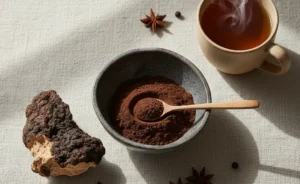
The Maitake Mushroom is revered not only for its culinary appeal but also for its potential health-promoting properties. It is often regarded as a medicinal mushroom, traditionally used in various wellness practices. Research suggests that it contains beneficial compounds, particularly beta-glucans, which are polysaccharides that may support immune function. As an adaptogen, Maitake Mushroom is studied for its potential to help the body adapt to various stressors and promote overall balance. It may contribute to general well-being by supporting cellular health and metabolic processes. In a similar way to
Reishi Mushroom, which is widely known for its immune-modulating and stress-supporting properties, Maitake is valued in traditional wellness systems for helping maintain internal balance and resilience. Exploring the full range of maitake mushroom benefits reveals its significant role in traditional wellness.
Impact on Blood Sugar Regulation
One area of significant interest regarding the Maitake Mushroom is its potential role in supporting healthy blood sugar levels. Studies have explored how certain components within this mushroom may influence glucose metabolism. Traditionally, it has been used in some cultures for these purposes, and modern research continues to investigate its mechanisms. While findings are promising, it’s important to remember that such mushrooms are part of a balanced diet and healthy lifestyle, and should not replace conventional medical treatments.
Maitake Mushroom Nutrition Profile
Vitamins, Minerals, and Compounds
The Maitake Mushroom offers a commendable nutritional profile, contributing a range of essential vitamins, minerals, and bioactive compounds. It is a source of B vitamins, including niacin, riboflavin, and thiamine, which are crucial for energy metabolism. It also provides minerals such as potassium, copper, and phosphorus. Beyond these conventional nutrients, Maitake is particularly noted for its abundance of polysaccharides, especially beta-glucans, which are the primary focus of much of the research into its potential health benefits. Extensive research on these compounds is available through databases like the National Library of Medicine. Additionally, it contains antioxidants and other unique compounds that contribute to its overall nutritional value and appeal as an edible fungi.
Potential Side Effects and Precautions
Understanding Potential Risks
While generally considered safe for most people when consumed as food, the Maitake Mushroom can, like any food, potentially cause side effects in some individuals. Mild digestive upset, such as stomach discomfort or diarrhea, has been reported in rare cases, especially when consumed in large quantities. Allergic reactions, though uncommon, are also possible and may manifest as skin rashes or respiratory issues. Individuals with autoimmune conditions or those on specific medications, particularly blood-thinning agents, should exercise caution and consult with a healthcare provider before incorporating significant amounts of Maitake Mushroom into their diet or supplement regimen. As with any natural product, starting with small amounts is advisable to assess individual tolerance. Understanding the potential maitake mushroom side effects is important for safe consumption.
Maitake Mushroom Culinary Uses and Recipes

Flavor Profile and What it Tastes Like
The Maitake Mushroom is highly celebrated in culinary circles for its distinct and complex flavor profile. It delivers a robust umami flavor, often described as earthy, nutty, and subtly peppery, with a meaty richness. This unique taste makes it a favorite among gourmet mushrooms. Its rich aroma and deep flavor intensify when cooked, making it a standout ingredient capable of elevating a wide range of dishes.
Basic Preparation and Cooking Techniques
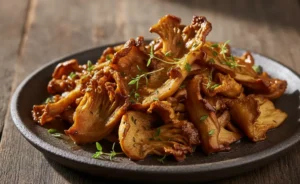
Preparing Maitake Mushroom for cooking is relatively straightforward. First, gently clean the mushroom with a soft brush or damp cloth to remove any debris, avoiding prolonged rinsing as it can absorb water. Then, separate the individual fronds from the central stem. The fronds can be sautéed, roasted, grilled, or stir-fried. Sautéing maitake in butter or olive oil until golden brown brings out its rich flavor and succulent texture. Roasting maitake at a moderate temperature also yields a wonderfully crisp exterior and tender interior. It’s important not to overcrowd the pan to ensure proper browning and prevent steaming.
Specific Recipe Ideas and Pairings
The culinary versatility of Maitake Mushroom allows it to shine in numerous recipes. It makes an excellent addition to stir-fries, omelets, and frittatas, where its umami notes complement eggs and vegetables beautifully. For a hearty main dish, pan-seared Maitake can serve as a fantastic meat substitute or be added to pasta dishes and risottos to enhance their depth of flavor. Its earthy taste pairs well with garlic, thyme, rosemary, soy sauce, and balsamic vinegar. Consider incorporating Maitake Mushroom into a warm mushroom salad with a light vinaigrette or using it as a topping for gourmet pizzas. Its distinctive flavor and succulent texture make it a star ingredient in any dish it graces. A wide variety of maitake mushroom recipes are available for those looking to explore its culinary potential.
Buying and Storing Maitake Mushrooms
Factors Affecting Maitake Mushroom Price
The price of Maitake Mushrooms can vary significantly based on several factors. Wild-foraged Maitake, often sought for its intense flavor, tends to be more expensive due to its seasonal availability and the labor involved in foraging. Cultivated varieties are generally more accessible and moderately priced. Demand, geographic location, and whether the mushrooms are organic also influence cost. As a gourmet mushroom, it often commands a higher price than more common varieties, reflecting its unique qualities and increasing popularity.
Tips for Purchasing and Freshness
When purchasing Maitake Mushrooms, look for clusters that are firm to the touch, with a fresh, earthy aroma. The fronds should appear plump and vibrant, ranging from light gray to brown, and free from any dark spots, sliminess, or excessive moisture. Avoid mushrooms that look dried out, shriveled, or have a strong, unpleasant odor, as these are signs of spoilage. Fresh Maitake Mushroom should feel relatively light and not soggy, indicating good quality and freshness.
Proper Storage for Longevity
To maximize the shelf life of Maitake Mushrooms, proper storage is crucial. The best method is to store them unwashed in a paper bag in the refrigerator. The paper bag allows for air circulation while absorbing excess moisture, which helps prevent sliminess and spoilage. Avoid storing them in airtight plastic bags or containers, as this traps moisture and accelerates deterioration. Stored correctly, fresh Maitake can typically last for about 5 to 7 days. If you plan to store them for longer, they can be cooked and then frozen, or dried for future use.
Natural Habitat and Foraging for Maitake Mushroom
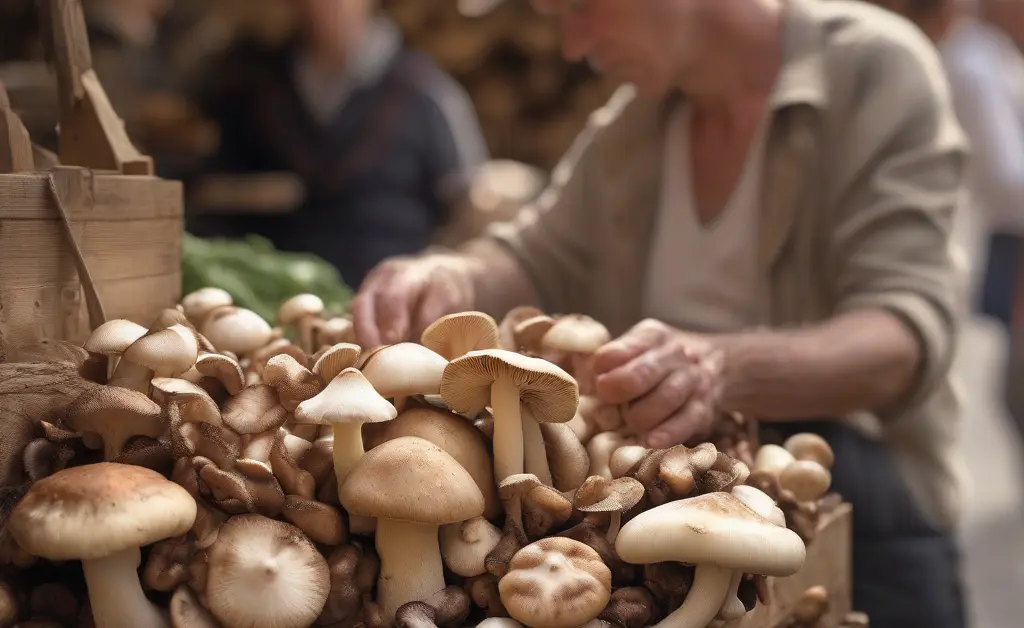
Where to Find Maitake in the Wild
The Maitake Mushroom thrives in specific natural environments, making it a prize for wild foragers. It predominantly grows at the base of deciduous trees, especially mature oak trees, but can also be found near maples, elms, and sometimes chestnut trees. These mushrooms prefer older, larger trees, often appearing on the roots or directly from the trunk near the ground. They are typically found in hardwood forests, where they form large, impressive mushroom cluster formations that are hard to miss once spotted. Locating a Maitake patch often means a bountiful harvest, as they tend to reappear in the same locations year after year.
Seasonal Growth Patterns
Maitake Mushroom has a distinct seasonal growth pattern, making late summer and autumn the prime time for foraging. In many temperate regions, it begins to emerge in late August and continues to flourish through September and October, sometimes even into early November, depending on the local climate and weather conditions. Ideal conditions for its growth include warm days followed by cooler nights, along with sufficient moisture. This seasonal availability contributes to its status as a highly anticipated and sought-after edible fungi for mushroom enthusiasts.
Ethical Foraging Practices
Engaging in ethical foraging practices is paramount when searching for Maitake Mushroom in the wild. Always ensure you have proper identification skills or forage with an experienced guide, as misidentification can have serious consequences. To promote sustainability, never over-harvest; leave a portion of the mushroom cluster intact to allow for regeneration. It’s also good practice to carry a mesh bag, which allows spores to disperse as you walk, aiding in the mushroom’s propagation. Always obtain permission before foraging on private land and be mindful of local regulations. Respecting the natural environment and ensuring the longevity of mushroom populations is a crucial aspect of responsible foraging.
The Maitake Mushroom, a treasure both culinarily and for its potential health benefits, offers a remarkable addition to diverse lifestyles. From its distinctive appearance and rich umami flavor to its traditional uses and nutritional value, it continues to captivate interest worldwide. Understanding its characteristics, proper preparation, and storage ensures a rewarding experience, whether sourced from a market or found through ethical foraging. This adaptable fungus truly stands out as a unique and valuable natural resource.
The information provided in this article is for general informational purposes only and does not constitute medical advice. It is not intended to diagnose, treat, cure, or prevent any disease. Always consult with a qualified healthcare professional before making any decisions about your health or starting any new dietary or supplement regimen. Individual results may vary, and the use of natural products should be approached with caution and personal responsibility.
FAQ
— What do maitake mushrooms taste like?
Maitake has a rich, earthy, and savory flavor that is distinctly umami-forward. When cooked, its woodsy and slightly peppery notes become more pronounced. Its texture is both firm and delicate, absorbing flavors well while maintaining a satisfying chewiness.
— What is another name for the maitake mushroom?
The common name for this fungus is “Hen of the Woods” because its clustered, feathery structure resembles the ruffled feathers of a sitting hen. In Japan, its name “maitake” translates to “dancing mushroom,” a name linked to the joy people felt upon finding it in the wild. Its scientific name is *Grifola frondosa*.
— How do you prepare maitake mushrooms to eat?
Because of their robust flavor and firm texture, these mushrooms are excellent when roasted, grilled, or sautéed, which helps concentrate their savory character. They can be pulled apart into individual fronds or sliced before cooking. They also hold their shape well in soups, stews, and stir-fries.
— Can you eat the entire maitake mushroom?
The entire cluster, from the delicate, feathery fronds to the central stem, is edible. While the fronds are tender and cook quickly, the core is denser and benefits from being chopped finely or cooked longer to soften it. Every part of the Maitake Mushroom offers culinary value.
— How can you tell if a maitake mushroom is fresh?
A fresh maitake will feel firm and dry to the touch, with plump, well-defined fronds. You can look for a pleasant, earthy aroma and avoid any specimens that appear slimy, wilted, or have dark, mushy spots. The color should be a consistent grayish-brown without significant discoloration.