Chaga mushroom jumbo pieces have gained significant attention for their unique size and potent health properties, making them a popular choice among natural health enthusiasts. These larger chunks of chaga are often preferred for their ease of use and longer extraction potential, offering a convenient way to enjoy the mushroom’s benefits. Understanding what sets jumbo chaga apart from smaller pieces can help consumers make informed decisions when sourcing and utilizing this functional mushroom. This article delves into the defining features, health benefits, sourcing tips, and practical uses of chaga mushroom jumbo, providing a comprehensive guide for anyone interested in incorporating this natural remedy into their wellness routine. Whether you’re new to chaga or looking for premium jumbo chunks, the following information will equip you with everything necessary to get started.
What Defines Chaga Mushroom Jumbo Chunks?
Defining “Jumbo” and “Chunks” for Chaga
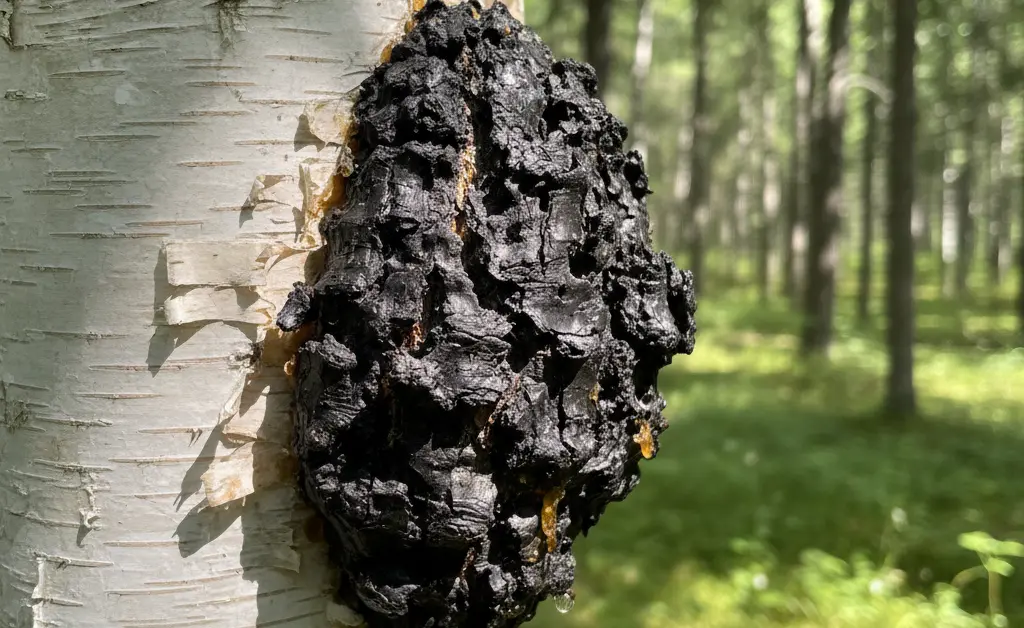
In the context of chaga, the term “jumbo chunks” refers to large, whole pieces of the raw, wild-harvested mushroom. Unlike powders or small nuggets, these are substantial pieces of the chaga sclerotium—the hard, black, charcoal-like mass that grows on birch trees. The term “jumbo” signifies their considerable size, which makes them easy to handle and ideal for multiple uses. “Chunks” denotes that the mushroom is in its natural, minimally processed state, simply broken into manageable pieces after being harvested and dried.
Understanding Jumbo Chunk Sizes (e.g., 3-4″)
While sizes can vary, jumbo chunks are typically several inches in diameter. This larger format is often sought after because a single piece can be used for several brewing sessions. The substantial mass allows for a slow, thorough extraction of its key compounds over repeated simmerings. This contrasts with smaller pieces or powders, which have a larger surface area and tend to release their components more quickly, often limiting them to a single use.
Characteristics of Dried Chaga Chunks
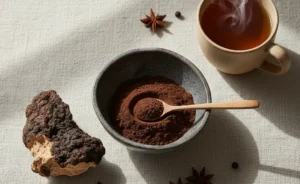
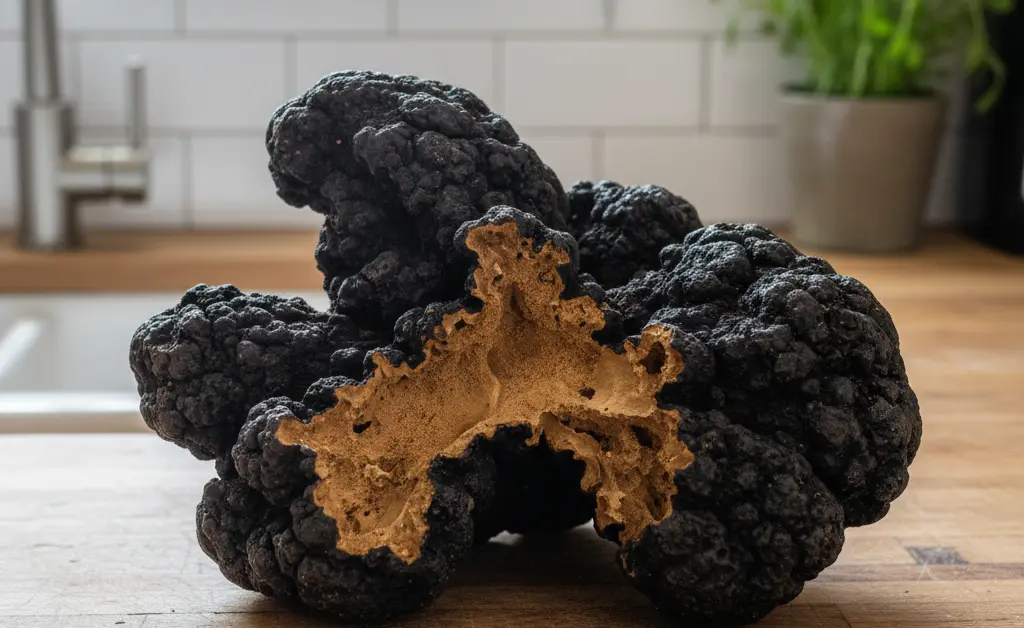
Dried chaga chunks are unmistakable in their appearance. They possess a very hard, brittle texture, similar to a piece of wood. The exterior is a deep, cracked black, resembling burnt charcoal, which is rich in melanin. The interior, in stark contrast, reveals a cork-like texture with a vibrant rust or golden-brown color. This inner part contains many of the mushroom’s notable compounds, including polysaccharides. When properly dried, these chunks are dense, heavy for their size, and should be completely free of moisture or any signs of mold.
Health Benefits of Chaga Mushroom Jumbo

General Wellness Benefits of Chaga Mushroom Jumbo
Chaga has been used for centuries in traditional practices, particularly in Siberia and other northern regions, as a tonic for overall health and vitality. It is often consumed as a tea to support general well-being and promote a sense of balance within the body. Its traditional use is centered on maintaining resilience and supporting the body’s natural functions, contributing to a feeling of overall wellness when incorporated into a consistent routine.
Antioxidant and Adaptogenic Properties of Chaga
Chaga is widely studied for its impressive concentration of antioxidants. These compounds may help the body counteract oxidative stress caused by free radicals, which are unstable molecules that can damage cells. Additionally, chaga is classified as an adaptogen. Adaptogens are natural substances believed to help the body adapt to various kinds of stressors, whether physical, chemical, or biological. This adaptogenic quality is one of the key reasons chaga is valued in wellness circles for promoting equilibrium and resilience.
Chaga for Overall Wellness and Healthy Lifestyles
Incorporating chaga into a healthy lifestyle can be a supportive measure for maintaining overall wellness. Its use is often associated with supporting the body’s natural defense systems. Rather than being a single solution, chaga is best viewed as a complementary element to a balanced diet, regular physical activity, and other healthy habits, as recommended by global health authorities like the WHO. Its gentle, supportive nature makes it a suitable addition for those seeking to enhance their daily wellness regimen with a natural, plant-based product.
Chaga as a Functional Mushroom for Active Individuals
For individuals leading active lifestyles, the adaptogenic properties of chaga can be particularly appealing. The demands of regular physical exertion can be a form of stress on the body. As an adaptogen, chaga may help the body better manage and recover from these physical demands. By supporting overall resilience, the consistent use of chaga mushroom jumbo may contribute to sustained energy and endurance, making it a popular choice among athletes and physically active people.
Sourcing and Selecting Premium Chaga Jumbo
Why Wild Harvested Chaga is Preferred for Quality
Wild-harvested chaga is considered superior to lab-grown alternatives because of its symbiotic relationship with its host, the birch tree. The chaga sclerotium slowly absorbs and concentrates compounds from the tree itself, including betulin and betulinic acid, which are not present in chaga mycelium grown in a laboratory setting. The complexities of chaga mushroom growing in a lab versus the wild contribute to these differences. This natural growth process, which can take many years, is believed to be essential for developing the mushroom’s full spectrum of beneficial compounds, resulting in a more potent and authentic product.
Natural Habitats and Optimal Growth Conditions of Chaga
Chaga, or Inonotus obliquus, thrives in cold, harsh climates. The most prized chaga grows in the boreal forests of Siberia, Alaska, Northern Canada, and other high-latitude regions. The extreme cold is thought to be a critical factor, as it forces the fungus to produce higher concentrations of protective compounds to survive. This specific chaga mushroom habitat is what makes wild specimens so valued. It grows almost exclusively on birch trees, appearing as a dark, sterile conk that protrudes from the trunk. Sustainable harvesting practices are crucial to ensure the host tree remains alive and the chaga can continue to grow.
Where to Find Chaga Mushroom Jumbo for Sale
Premium chaga jumbo chunks can typically be found through specialized suppliers. Reputable online retailers focusing on medicinal mushrooms and wild-crafted herbs are a common source. Additionally, some well-stocked health food stores or local apothecaries may carry them. When purchasing, it is important to choose a supplier that is transparent about their sourcing location and harvesting methods to ensure you are getting a high-quality, sustainably collected product.
Identifying Quality Chaga Jumbo Chunks
Factors for Purity and Potency in Chaga Jumbo Chunks
The purity and potency of chaga are largely determined by its environment. The best chaga comes from pristine, unpolluted forests, far from industrial contamination. Responsible suppliers will often test their products for heavy metals and other potential contaminants. Potency is also linked to the age of the chaga and the maturity of the host birch tree. Older, more mature chaga that has grown slowly in a very cold climate is generally considered to be the most potent. Seeking out a clean chaga mushroom jumbo ensures you are getting a product free from unwanted impurities.
Visual Indicators of High-Quality Chaga Jumbo Chunks
There are several visual cues to look for when assessing the quality of chaga chunks. A high-quality piece will have a deep, black, and heavily cracked outer layer, often referred to as the sclerotium. This exterior should be hard and dense. The inside of the chunk should display a bright, rich, golden-orange or rust color with a corky texture. Avoid pieces that look pale, greyish, or have soft, crumbly spots, as these could be signs of improper drying, contamination, or poor quality.
Preparing and Using Chaga Mushroom Jumbo Chunks
Traditional Brewing Methods for Chaga Tea from Chunks
The most common and traditional way to prepare chaga is by making a tea or decoction. This involves gently simmering one or more jumbo chunks in a pot of water over low heat for several hours. The low, slow heat is essential for breaking down the tough cell walls of the mushroom and extracting its water-soluble compounds. The resulting liquid will be a dark, rich brew resembling black tea or coffee. A single chunk can often be re-brewed multiple times until the tea it produces becomes noticeably lighter in color.
Creative Ways to Use Chaga Chunks in Beverages
Beyond a simple tea, the brewed liquid from a chaga mushroom jumbo can serve as a versatile base for numerous healthy drinks. Its mild, earthy flavor pairs well with many other ingredients. You can use chaga tea as a substitute for water when making coffee or hot cocoa for an added nutritional boost. It also works well chilled and added to smoothies or blended with nut milks and natural sweeteners. Some people even use the chaga infusion as a flavorful, nutrient-rich broth for soups and stews.
Buying Considerations: Price, Packaging, and Forms
Comparing Chaga Chunks and Powder Forms
When choosing chaga, consumers often decide between chunks and powder. Chunks are the least processed form, and their quality is easier to assess visually. They are ideal for traditional, slow-brewing methods and can be reused. Chaga powder is more convenient for quick preparations like adding directly to smoothies or hot water. However, the powder has a much larger surface area, making it more prone to oxidation, and it can be difficult to verify the quality of the raw material used to create it. Some users prefer to buy chunks and make their own powder with a dedicated chaga mushroom grinder.
Understanding Chaga Mushroom Jumbo Pricing
The price of chaga can vary significantly based on several factors. Wild-harvested chaga, especially from prized locations like Siberia, typically commands a higher price due to its perceived potency and the difficulty of harvesting. Sustainably harvested and certified organic products also tend to be more expensive. Jumbo chunks may have a higher upfront cost than smaller pieces or powder, but their reusability can make them more economical over time.
Common Packaging and Size Options for Chaga Chunks
Chaga chunks are usually sold by weight in airtight, resealable bags. This type of packaging is crucial for protecting the dried mushroom from moisture, light, and air, which helps preserve its freshness and potency. Common sizes range from a few ounces to a pound or more. The pieces themselves will be irregular in size and shape, reflecting their natural origin.
Storing Chaga Mushroom Jumbo Chunks for Longevity
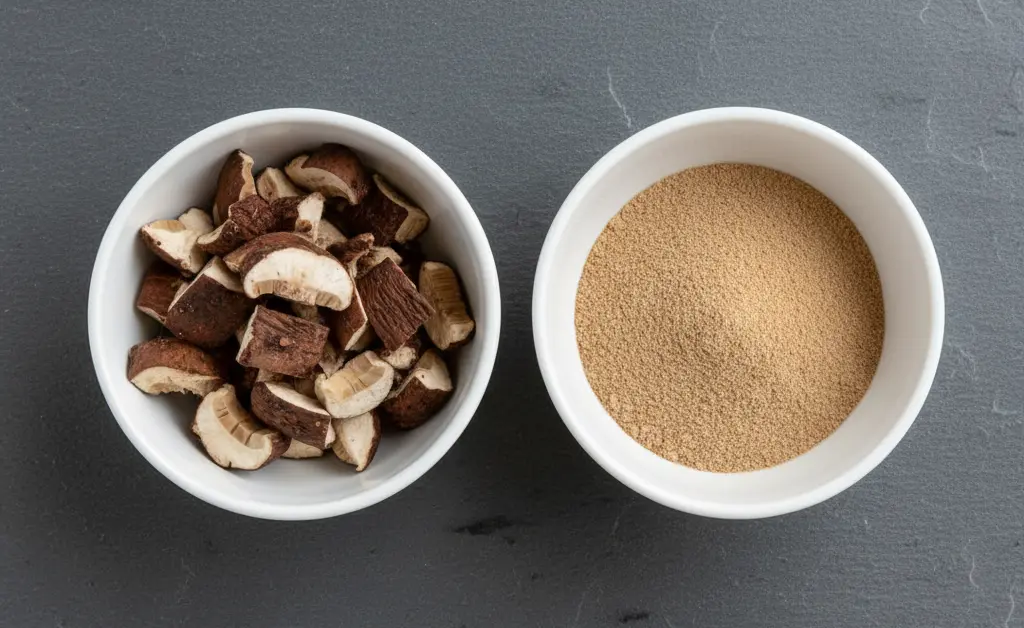
Proper storage is essential to maintain the quality and extend the shelf life of your chaga. Dried chaga mushroom jumbo chunks should be kept in a cool, dark, and dry place. An airtight container, such as a glass jar with a tight-fitting lid or the original resealable pouch, is ideal for protecting the chunks from humidity and preventing degradation. Avoid storing them in direct sunlight or in a warm, moist environment like a cabinet above a stove. When stored correctly, these dense, dried chunks are very stable and can retain their beneficial properties for several years.
In summary, chaga in its large chunk form provides a traditional and effective way to access the potential benefits of this remarkable functional mushroom. Sourcing high-quality, wild-harvested pieces from cold climates is key to ensuring potency and purity. With their reusability and simple preparation methods, these chunks are a versatile and economical option for anyone looking to incorporate this natural superfood into their wellness routine. By understanding how to identify, prepare, and store it, you can fully appreciate everything a premium chaga mushroom jumbo has to offer.
FAQ
— Where does chaga mushroom jumbo naturally grow?
Chaga mushroom jumbo typically grows on birch trees in cold, northern climates. These fungi are most commonly found in regions with harsh winters, such as parts of Siberia, Northern Europe, and North America. Their growth is closely tied to the presence of mature birch forests.
— How should chaga mushroom jumbo chunks be stored for freshness?
To maintain freshness, chaga mushroom jumbo chunks should be kept in a cool, dry place away from direct sunlight. Using an airtight container can help prevent moisture and contaminants from affecting the quality. Proper storage helps preserve the potency and flavor over time.
— Can chaga mushroom jumbo chunks be re-brewed?
Yes, chaga mushroom jumbo chunks can often be re-brewed multiple times. Each subsequent brew may yield a milder flavor and fewer compounds, but some beneficial components can still be extracted. Many traditional practices involve several rounds of brewing from the same chunks.
— What is the typical shelf life of dried chaga jumbo chunks?
Dried chaga jumbo chunks generally have a long shelf life when stored correctly, often lasting for several years. Their durability is due to low moisture content and natural preservative properties. However, exposure to air, light, or humidity can reduce their effectiveness over time.
— Is it necessary to clean chaga mushroom jumbo before brewing?
Cleaning chaga mushroom jumbo before brewing is commonly recommended to remove dirt and debris. Rinsing the chunks lightly under cold water can help eliminate surface impurities without affecting their properties. Avoid soaking or washing extensively to preserve bioactive compounds.
— What distinguishes “jumbo” chaga from smaller pieces?
“Jumbo” chaga refers to larger, bulkier chunks harvested from mature growths. These pieces often contain higher concentrations of active compounds due to their size and density. Additionally, jumbo chunks may require longer brewing times but can provide a richer extraction experience.
— Are there any specific tools needed to prepare chaga jumbo chunks?
Preparing chaga jumbo chunks usually involves using a sturdy knife or hatchet to break the pieces into smaller, manageable sizes. A grinder or mortar and pestle might be employed if a finer consistency is desired. Beyond basic cutting tools, no specialized equipment is essential for typical preparation.