

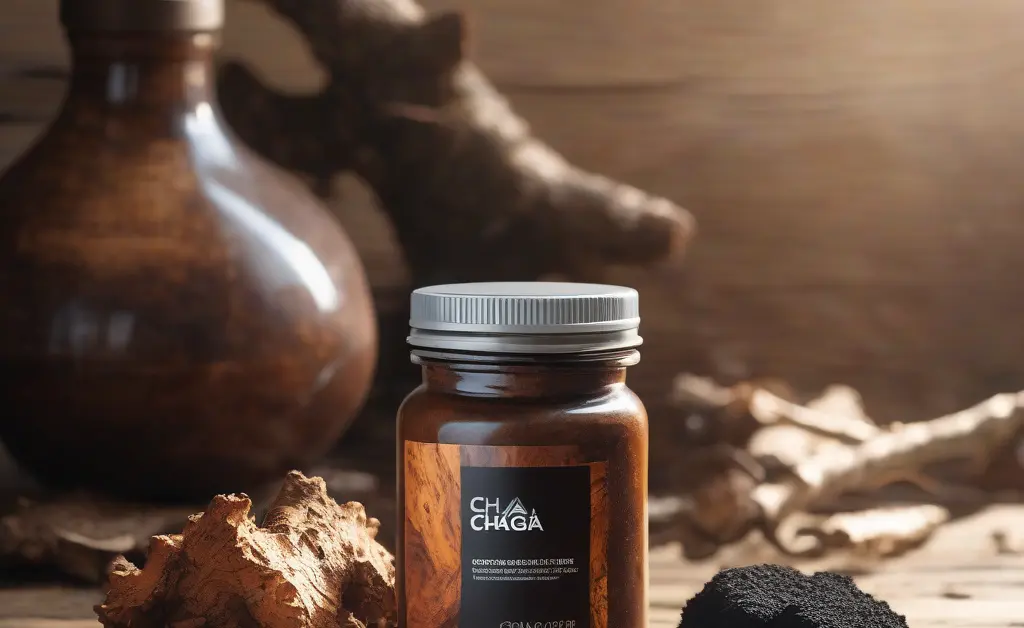
Chaga mushroom supplements have gained significant attention for their potential health benefits and natural healing properties. Derived from a fungus that grows primarily on birch trees, these supplements are prized for their antioxidant content and immune-supporting compounds. As interest in natural wellness products grows, understanding the different forms, proper dosages, and quality indicators of chaga mushroom supplements becomes essential. This guide delves into the various aspects of chaga supplementation, offering insights into how to choose reliable products, potential side effects, and optimal usage to maximize benefits safely and effectively.
Benefits of Chaga Mushroom Supplements
Chaga mushroom supplements are widely recognized for their rich content of bioactive compounds, including polysaccharides, beta glucans, and various antioxidants. These components are commonly associated with immune support and antioxidant protection, which play a key role in maintaining overall health. Traditional medicine has long valued chaga for its adaptogenic properties, helping the body respond to stress while supporting natural healing processes. The health benefits of chaga mushrooms extend to potential anti-inflammatory effects and the promotion of cellular health, making these supplements a popular choice among those seeking natural remedies. While scientific research continues to explore these effects, many users report enhanced vitality and well-being when incorporating chaga mushroom supplements into their wellness routines.
Chaga Mushroom Supplement Forms and Dosage

Chaga Mushroom Capsules
Capsule forms of chaga mushroom supplements offer a convenient and standardized way to consume the fungus’s beneficial compounds. These capsules typically contain whole mushroom powder or concentrated extracts, allowing for consistent intake without the need for brewing teas or preparing tinctures. The encapsulation process helps preserve the integrity of chaga’s bioactive ingredients, and many consumers prefer chaga mushroom capsules for ease of use and portability. However, the potency of capsules can vary depending on the source of the chaga and manufacturing practices.
Types of Chaga Mushroom Extracts
Chaga mushroom extracts are available in various forms, including water-based, alcohol-based, and dual extracts that combine both methods. Water extracts primarily capture polysaccharides and beta glucans, known for their immune-supporting effects, while alcohol extracts tend to concentrate triterpenes and other compounds associated with antioxidant protection. Dual extracts aim to provide a more comprehensive profile of chaga’s bioactive compounds. The choice between these extracts often depends on personal preferences and desired health outcomes, as each extraction method influences the supplement’s composition and potential benefits.
Differences Between Powder and Extract Supplements
Whole mushroom powder supplements contain ground chaga fruiting bodies or sclerotia, offering a broad spectrum of fungal compounds in their natural state. This form is valued for preserving the full range of bioactive constituents but may require longer preparation times when brewed as tea. Extract supplements, by contrast, concentrate specific compounds through various extraction processes, resulting in higher potency and faster absorption. Powder supplements may appeal to those seeking a more traditional, less processed option, while extracts provide targeted support with enhanced bioavailability. Understanding these differences helps consumers select the form best suited to their health goals.
Dosage Strength and Purity
The strength and purity of chaga mushroom supplements vary considerably among products, influenced by factors such as source quality, extraction techniques, and processing standards. High-purity supplements typically include organic chaga harvested from sustainable environments, minimizing contamination risks. Dosage strength is often reflected in the concentration of key bioactive compounds like polysaccharides and triterpenes, which are sometimes listed on product labels. Consumers should be aware that the absence of standardized dosing for chaga supplements means potency can differ widely, underscoring the importance of selecting products with transparent ingredient profiles and third-party testing. For scientific evidence and systematic reviews on natural supplements, resources like the Cochrane Library offer valuable insights.
What is the recommended daily dose?
Recommended daily doses for chaga mushroom supplements are not universally established due to variability in product formulations and individual health factors. Traditional use and current consumer practices provide general guidance rather than strict recommendations. Supplement labeling may suggest intake ranges based on the form and concentration of the product, but awareness of personal tolerance and response is essential. Consulting product information and healthcare professionals can assist in determining an appropriate daily dose, keeping in mind that quality and potency influence the effective amount needed to experience potential benefits.
How to Choose a Quality Chaga Mushroom Supplement
Signs of a High-Quality Chaga Supplement
Identifying a high-quality chaga mushroom supplement involves evaluating several key indicators. Authentic supplements often use organic chaga sourced from reputable wild or cultivated environments, ensuring the presence of desired fungal compounds without harmful additives. Transparent labeling that details extraction methods, ingredient origins, and concentration of bioactive constituents enhances product credibility. Additionally, the absence of fillers, artificial preservatives, or unnecessary additives contributes to supplement purity. Customer reviews and manufacturer reputation can provide further insights into product reliability and overall quality.
Certifications to Look for in Chaga Supplements
Certifications serve as valuable markers of quality and safety for chaga mushroom supplements. Organic certification assures consumers that the chaga was harvested without synthetic pesticides or fertilizers. Third-party testing for contaminants such as heavy metals and microbial impurities helps confirm product purity. Other certifications, like Good Manufacturing Practice (GMP), indicate that the supplement was produced under strict quality control standards. While not all products carry these certifications, their presence often reflects a higher commitment to quality and consumer safety.
Safety Cosiderations When Using Chaga Supplements

Potential Side Effects to Monitor
Although chaga mushroom supplements are generally well tolerated, some individuals may experience side effects, especially when starting supplementation or using high-potency products. Possible reactions include digestive discomfort or allergic responses, which could manifest as skin irritation or respiratory symptoms. Since chaga contains bioactive compounds that may influence blood sugar and clotting factors, caution is advised for those with related health conditions. Monitoring for any unusual symptoms and discontinuing use if adverse effects occur is prudent. Awareness of chaga mushroom benefits and side effects helps users make informed decisions about supplementation.
Can I take Chaga supplements with other medications?
Interactions between chaga mushroom supplements and medications are an important consideration for safety. Chaga’s influence on blood sugar regulation and anticoagulant activity suggests potential interactions with diabetes medications or blood thinners. While definitive studies are limited, it is generally recommended to exercise caution and consult healthcare professionals before combining chaga supplements with prescription drugs. This approach minimizes risks and ensures that supplementation aligns with individual health circumstances, avoiding unintended effects.
Frequently Asked Questions about Chaga Mushroom Supplements
Common inquiries about chaga mushroom supplements often focus on effectiveness, safety, and usage. Many want to know how long it takes to see benefits, with responses noting that individual results vary based on product quality, dosage, and personal health. Questions about the differences between whole mushroom powder and extracts reflect consumer interest in optimizing immune support and antioxidant protection. Other frequent topics include storage recommendations, potential allergic reactions, and how to identify authentic supplements. Addressing these questions helps demystify chaga supplementation and supports informed choices.
Understanding Chaga Mushroom Supplement Ingredients
Common Additives in Chaga Supplements
Some chaga mushroom supplements contain additional ingredients intended to enhance stability, flavor, or bioavailability. Common additives may include natural binders, vegetable cellulose for capsules, or complementary herbal extracts that support immune health. While many products strive to minimize unnecessary additives, it is important for consumers to review ingredient lists to avoid allergens or synthetic substances. Choosing supplements with minimal and recognizable ingredients aligns with preferences for natural remedies and supports transparency in product formulation. For those interested, chaga mushroom gummies often include such additives for improved taste and ease of consumption.
Storage and Shelf Life of Chaga Mushroom Supplements
Proper Storage Conditions for Chaga Supplements
Maintaining the quality of chaga mushroom supplements depends significantly on proper storage conditions. Protecting these products from moisture, heat, and direct sunlight helps preserve their bioactive compounds and extends shelf life. Airtight containers stored in cool, dry environments are ideal for preventing degradation or contamination. Consumers should follow specific storage instructions provided by manufacturers to ensure maximum potency and safety throughout the product’s use period.
Shelf Life and Expiration of Chaga Products
The shelf life of chaga mushroom supplements varies based on the form, processing methods, and packaging. Whole mushroom powders may have different stability profiles compared to concentrated extracts. Expiration dates on packaging provide guidance on product freshness, with some supplements retaining efficacy well beyond these dates if stored correctly. However, over time, bioactive compounds can diminish, potentially reducing the supplement’s effectiveness. Regularly checking expiration information and observing any changes in appearance or odor can help consumers determine product usability. For convenience and standardization, many choose chaga mushroom pills which often have clear expiration labeling.
In summary, chaga mushroom supplements offer a range of potential health benefits, including immune support and antioxidant protection. Understanding the different forms, such as capsules, powders, and extracts, alongside considerations of dosage strength and purity, enables informed selection of quality products. Being aware of safety aspects, possible side effects, and interactions contributes to a responsible approach to supplementation. Proper storage and attention to shelf life further ensure that chaga mushroom supplements maintain their intended efficacy over time.
Disclaimer: This article is intended for informational purposes only and does not constitute medical advice. Chaga mushroom supplements should not be used to diagnose, treat, cure, or prevent any disease. Individuals interested in using these supplements are encouraged to consult healthcare professionals to discuss their specific health conditions and potential interactions. Product quality and effects may vary, and personal experiences with chaga mushroom supplementation can differ.
FAQ
— What are the benefits of taking chaga mushroom supplements?
Chaga mushroom supplements are often discussed for their potential antioxidant properties and immune system support. They have traditionally been used in various cultures for their possible anti-inflammatory effects and to promote overall wellness. Scientific research is ongoing to better understand their full range of benefits.
— How much chaga mushroom should I take daily?
There is no universally established amount for daily intake, as recommendations can vary widely depending on individual needs and product concentration. It is important to consult product guidelines and healthcare professionals for personalized advice.
— Are chaga mushroom capsules safe?
Chaga mushroom capsules are generally considered safe when obtained from reputable sources and used as intended. However, individual reactions can vary, and it is wise to be cautious if you have underlying health conditions or are taking other medications.
— What is the best form of chaga mushroom supplement?
The best form often depends on personal preference and the intended use. Some prefer capsules for convenience, while others may choose powders or tinctures for versatility in preparation. Each form may offer different absorption rates and potency.
— How do I know if a chaga mushroom supplement is high quality?
High-quality supplements typically come from products that are tested for purity and potency by independent labs. Look for clear ingredient lists, certifications, and transparency about sourcing. Organic and sustainably harvested options are often preferred.
— Can chaga mushroom supplements cause side effects?
While side effects are not commonly reported, some individuals may experience digestive disturbances or allergic reactions. It is advisable to monitor your body’s response when starting any new supplement and discontinue use if adverse effects occur.
— How should I store chaga mushroom supplements?
Storage recommendations generally suggest keeping these supplements in a cool, dry place away from direct sunlight. Proper storage helps maintain potency and prevents degradation over time.
— Are there different types of chaga mushroom supplements?
Yes, chaga mushroom supplements come in various forms such as capsules, powders, extracts, and teas. Each type may offer different benefits and methods of consumption, allowing users to select based on their lifestyle and preferences.