Chaga mushroom extract has gained considerable attention for its potential health benefits and unique properties. Derived from a fungus that grows primarily on birch trees in cold climates, this extract is rich in antioxidants and bioactive compounds that support wellness. Understanding the composition, preparation methods, and uses of chaga mushroom extract is essential for those interested in incorporating it into their health regimen. This article explores the key aspects of chaga mushroom extract, from its traditional and modern extraction techniques to its effective usage, storage, and safety considerations. Whether you are a newcomer or looking to deepen your knowledge, this comprehensive guide provides valuable insights to help you make informed decisions about this natural supplement.
What is Chaga Mushroom Extract?
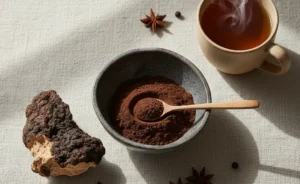
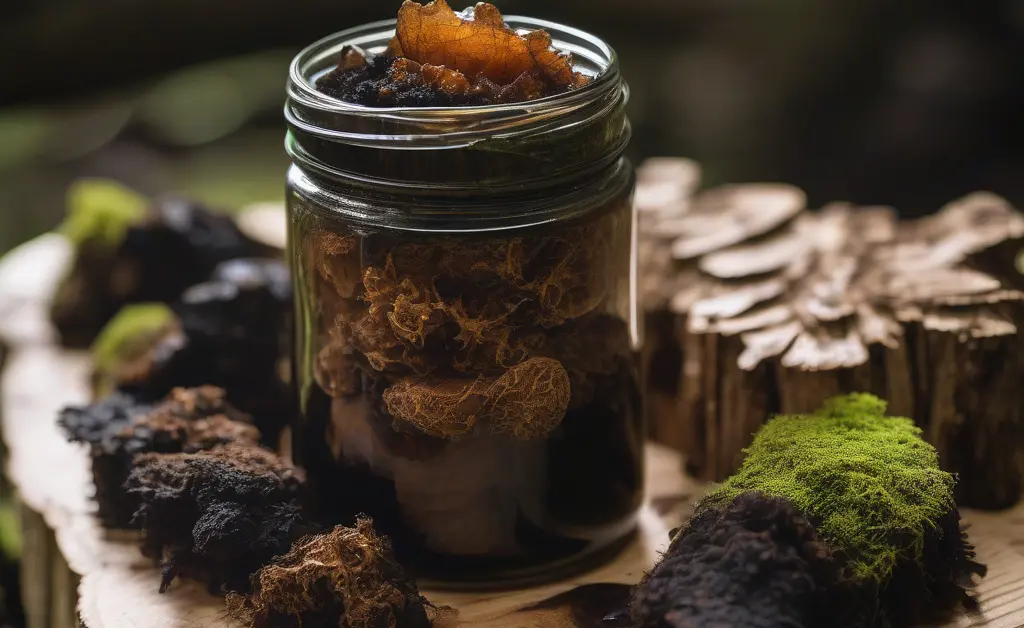
Chaga mushroom extract is derived from the fungus Inonotus obliquus, which is commonly found growing on birch trees in northern regions characterized by cold climates. This extract is known to concentrate the bioactive compounds found in the chaga fungus, including antioxidants, polyphenols, beta glucans, and fungal polysaccharides. These components are widely studied for their potential to support immune function and overall wellness. The extract is typically obtained by processing the hardened conk of chaga, which appears as a dark, cracked mass on the birch tree bark and has been used traditionally in various cultures for its medicinal properties.
Differences Between Raw and Processed Extracts
Raw chaga extract usually refers to the minimally processed material obtained directly from the harvested fungus, often ground into powder or used as chunks for brewing tea. This form retains much of the natural composition but may require longer preparation times to release the active compounds effectively. In contrast, processed extracts undergo additional refinement steps such as extraction with solvents or heat, which can concentrate certain beneficial constituents and improve bioavailability. Processed extracts may appear as tinctures, powders, or liquid concentrates, offering convenience and potency advantages. However, processing methods can influence the profile of antioxidants and polysaccharides, so consumers often choose based on their intended use and preference for natural versus concentrated products.
How is Chaga Mushroom Extract Made?
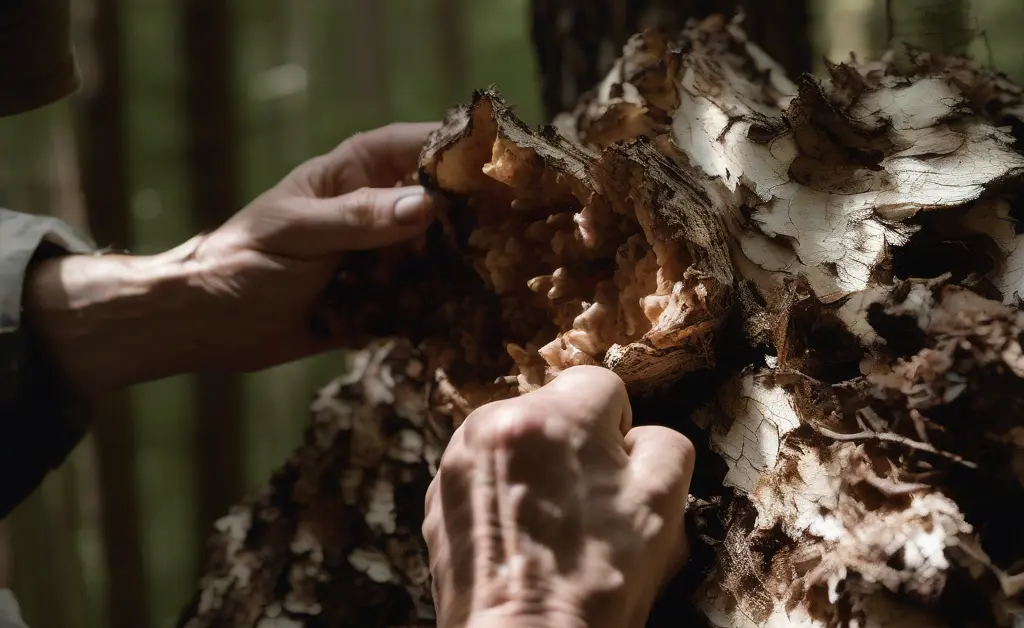
The production of chaga mushroom extract involves harvesting the fungal mass from birch trees and then applying techniques to isolate the desirable compounds. The methods vary from traditional to modern approaches, each impacting the quality and characteristics of the final extract.
Extraction Methods
Traditional extraction often involves hot water infusion or decoction, where chaga chunks or powder are simmered to draw out water-soluble components such as polyphenols and antioxidants. This method has been used historically in folk medicine, especially in Siberia and Northern Europe, for preparing chaga tea. Another conventional technique involves alcohol extraction, which targets certain bioactive compounds not readily soluble in water, resulting in tinctures that may contain additional fungal polysaccharides and beta glucans. Combining these methods can yield extracts with a broader spectrum of beneficial compounds.
Modern Extraction Technologies
Contemporary processing techniques include advanced methods such as ultrasonic-assisted extraction, supercritical fluid extraction, and microwave-assisted extraction. These technologies enhance the efficiency and selectivity of chaga compound isolation, often reducing extraction time and preserving sensitive bioactives. For example, supercritical CO2 extraction can concentrate lipophilic compounds without the use of harsh solvents, aligning with consumer demand for clean-label products. Additionally, modern methods facilitate the production of standardized chaga mushroom liquid extract powders and tinctures, ensuring consistent potency and quality for commercial use.
Benefits and Uses of Chaga Mushroom Extract
Chaga mushroom extract is commonly associated with several wellness benefits, largely attributed to its rich antioxidant content and immune-supportive fungal polysaccharides. Many users incorporate it as a natural supplement to promote general vitality and resilience against oxidative stress. Traditional practices have long valued chaga for its potential to support digestive health and soothe inflammation.
Combining Chaga Extract with Other Ingredients
Chaga extract is often combined with other natural ingredients to enhance its effects or improve flavor profiles. For instance, blending it with herbs such as ginger or turmeric can create synergistic antioxidant effects and add warming qualities to beverages. It is also mixed with other medicinal mushrooms like reishi or lion’s mane to support a broader spectrum of immune and cognitive health benefits. In culinary applications, chaga mushroom extract powder can be incorporated into smoothies, broths, or baked goods, pairing well with spices and adaptogens that complement its earthy taste.
How to Use Chaga Mushroom Extract Effectively
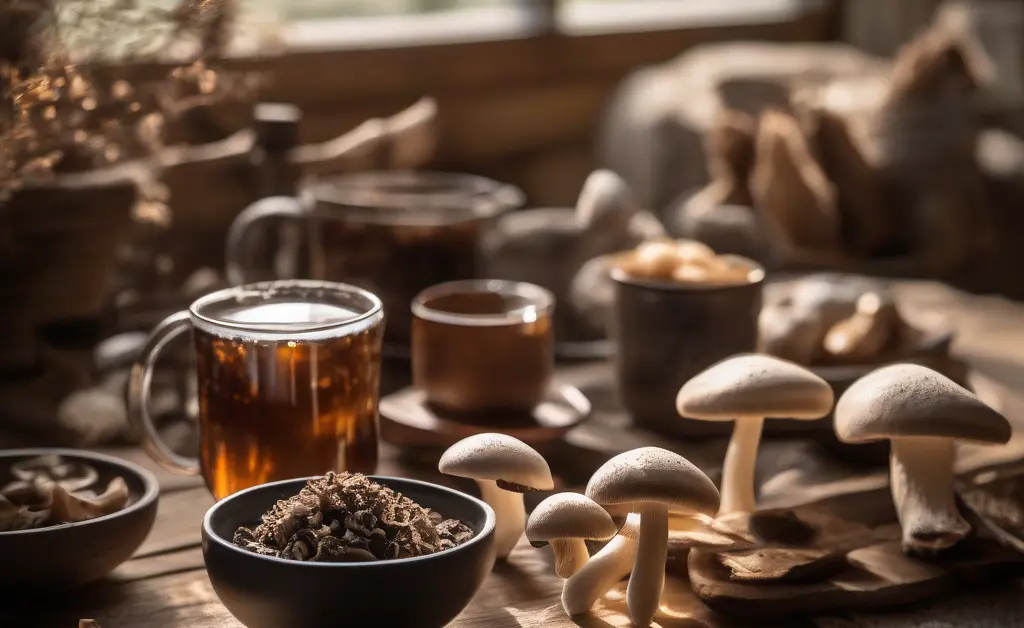
Effective use of chaga mushroom extract depends on the chosen form and the desired wellness outcome. Understanding the characteristics of each form allows for tailored consumption that fits individual preferences and lifestyles.
Recommended Consumption Methods
Chaga extract is most commonly consumed as a tea or tincture. Brewing chaga tea involves steeping the extract in hot water to release the active compounds, providing a warming, antioxidant-rich beverage. Tinctures offer a more concentrated option that can be administered directly or added to liquids. Powdered chaga extract is versatile for mixing into drinks or recipes, providing a convenient way to integrate the mushroom’s benefits into daily routines. Consumers should consider factors such as taste, convenience, and absorption when selecting the form most suitable for their needs. For example, detailed information about chaga mushroom tincture is available for those interested in concentrated forms.
Choosing and Storing Quality Chaga Mushroom Extract
Selecting a high-quality chaga mushroom extract is essential to ensure the presence of beneficial compounds and product safety. Proper storage further preserves the extract’s potency over time.
How to Identify Quality Extracts
Quality chaga extracts are typically sourced from sustainably harvested wild birch tree chaga, which ensures the fungus has developed a rich profile of bioactive compounds. Look for products that specify the origin, such as wild harvested or organic chaga powder, and provide transparency about extraction methods. Certificates of analysis or third-party lab testing can confirm the presence of antioxidants and fungal polysaccharides while verifying the absence of contaminants. Packaging that protects from light and moisture also indicates attention to quality preservation.
Proper Storage Conditions
To maintain the efficacy of chaga mushroom extract, store it in a cool, dry place away from direct sunlight and humidity. Airtight containers help prevent oxidation and degradation of sensitive compounds like polyphenols. For liquid tinctures, refrigeration after opening may be recommended to extend shelf life and prevent spoilage. Proper storage is particularly important for powder forms, which can absorb odors or moisture if left exposed.
Signs of Spoiled or Poor Quality Extract
Indicators of degraded or poor-quality chaga extract include unusual odors, discoloration, or the presence of mold. A bitter or off taste may also suggest spoilage or improper storage. Visual inspection for clumping or excessive moisture in powders can reveal compromised products. Consumers should be cautious with extracts lacking clear sourcing information or those that have passed their expected shelf life, as these factors can affect both safety and effectiveness. For instance, chaga mushroom drops should be inspected carefully for quality over time.
Dosage, Serving Size, and Safety Considerations
Chaga mushroom extract dosage varies widely depending on the form of the extract, concentration, and individual health contexts. Labels often provide serving size recommendations based on traditional use and manufacturer guidance, but these should be considered as general references rather than prescriptive instructions. Awareness of potential interactions and contraindications is important; for example, individuals with certain health conditions or those who are pregnant should exercise caution and seek professional advice before use. Safety considerations also include monitoring for any adverse reactions and choosing products from reputable sources to minimize risks associated with contamination or adulteration. For further reliable health information, resources such as the NIH site can be consulted.
Chaga Mushroom Extract Preparation Techniques
Preparation techniques significantly influence the quality and properties of the final chaga mushroom extract. Traditional methods emphasize slow extraction to preserve delicate compounds, while modern practices aim to optimize yield and consistency.
Traditional Preparation Methods
Traditionally, chaga mushroom extract is prepared through long, slow simmering of the fungal chunks or powder in water, a process that can take several hours. This decoction method allows water-soluble antioxidants and polysaccharides to be released gradually, resulting in a deeply colored, flavorful tea. Sometimes, a dual-extraction approach is used, where an initial water extraction is followed by an alcohol extraction to capture a broader range of compounds. These methods are rooted in cultural practices from regions where chaga has been used medicinally for centuries.
Preparation Tips
When preparing chaga extract, it is important to use clean, filtered water and avoid boiling aggressively, as excessive heat can degrade sensitive compounds. Using smaller, broken pieces or powder can improve extraction efficiency. Steeping times should be sufficient to allow full release of bioactives without causing bitterness. For tinctures, proper dilution and shaking before use ensure even distribution of the extract. Additionally, combining preparation with complementary ingredients such as cinnamon or cloves can enhance both flavor and potential health benefits.
Common Forms of Chaga Mushroom Extract

Chaga mushroom extract is available in several forms, each offering different advantages in terms of convenience, potency, and application.
Types of Chaga Extracts (Powder, Tincture, etc.)
Powdered chaga extract is versatile and can be used to brew teas, added to smoothies, or incorporated into recipes. It retains much of the natural composition of the fungus and allows for flexible dosing. Tinctures are alcohol-based extracts that provide a concentrated form of chaga’s active compounds, convenient for rapid absorption and use in small volumes. Other forms include capsules and liquid concentrates, which cater to different preferences for supplementation. Each type reflects variations in extraction methods and intended use scenarios.
Shelf Life Expectations
The shelf life of chaga mushroom extract depends on the form and storage conditions. Powders typically have a longer shelf life when kept dry and protected from light, while tinctures may have shorter durations influenced by their alcohol content and storage environment. Manufacturers often indicate best-before dates based on stability testing, but consumers should also rely on sensory checks such as appearance and smell to assess freshness. Properly stored chaga extracts can maintain their beneficial properties for extended periods, ensuring consistent support when used over time.
In summary, chaga mushroom extract is a natural supplement derived from the fungus Inonotus obliquus that offers a rich source of antioxidants and immune-supportive compounds. Its preparation, extraction, and consumption methods vary widely, reflecting both traditional practices and modern technological advances. Selecting quality chaga mushroom extract and understanding appropriate usage and storage can help individuals incorporate this medicinal mushroom effectively into their wellness routines.
Disclaimer: This article is intended for informational purposes only and does not constitute medical advice. The effects and safety of chaga mushroom extract may vary among individuals. Those considering its use should consult with a healthcare professional, especially if pregnant, nursing, or managing health conditions. Product quality and ingredient standards can differ, so sourcing from reputable suppliers is recommended.
FAQ
— What is chaga mushroom extract used for?
Chaga mushroom extract is often discussed for its potential antioxidant properties and traditional use in supporting overall wellness. People have used it in various cultures as a natural supplement, though scientific evidence regarding its benefits is still being explored.
— How do you take chaga mushroom extract?
The method of taking chaga mushroom extract can vary depending on the product form and individual preference. It is commonly prepared as a tea or incorporated into beverages, but specific usage should align with product guidelines and professional advice.
— Is chaga mushroom extract safe to consume?
Chaga mushroom extract is generally considered safe for many individuals when sourced from reputable suppliers. However, its safety profile may depend on individual health conditions and potential interactions, so consulting with a healthcare professional is advisable before use.
— How is chaga mushroom extract made?
Chaga mushroom extract is typically produced by harvesting the chaga fungus from birch trees, drying it, and then using water or alcohol extraction methods to concentrate its bioactive compounds. This process helps isolate the constituents traditionally believed to offer health benefits.
— What forms does chaga mushroom extract come in?
This extract is available in several forms, including powders, capsules, tinctures, and ready-to-drink liquids. The choice of form often depends on convenience and personal preference for consumption.
— How should chaga mushroom extract be stored?
To maintain its quality, chaga mushroom extract should be stored in a cool, dry place away from direct sunlight and moisture. Proper sealing after opening can also help preserve its potency over time.
— Can chaga mushroom extract be used in cooking?
While not commonly used as a culinary ingredient, chaga mushroom extract can be incorporated into recipes like soups or teas to add its distinctive earthy flavor. It is more traditionally consumed as a brewed beverage rather than a cooking ingredient.
— What should I look for when buying chaga mushroom extract?
When selecting chaga mushroom extract, it is important to consider factors such as purity, sourcing from wild or sustainably harvested chaga, and third-party testing for quality assurance. These elements can help ensure you are obtaining a reliable product.