Chaga mushroom, renowned for its rich antioxidant profile and health-promoting properties, has gained considerable attention in both traditional and modern wellness circles. Understanding the various methods and best practices for chaga mushroom usage is essential to harness its full benefits safely and effectively. This guide delves into the common applications, preparation techniques, and safety considerations necessary for responsible consumption. Whether you are exploring chaga for its immune-supporting qualities or its potential as a natural supplement, this comprehensive overview will equip you with the knowledge to incorporate chaga mushroom thoughtfully into your routine. From traditional teas to modern extracts, every aspect of usage is covered to help you make informed decisions.
Common Applications of Chaga Mushroom
Chaga Mushroom Supplement Forms
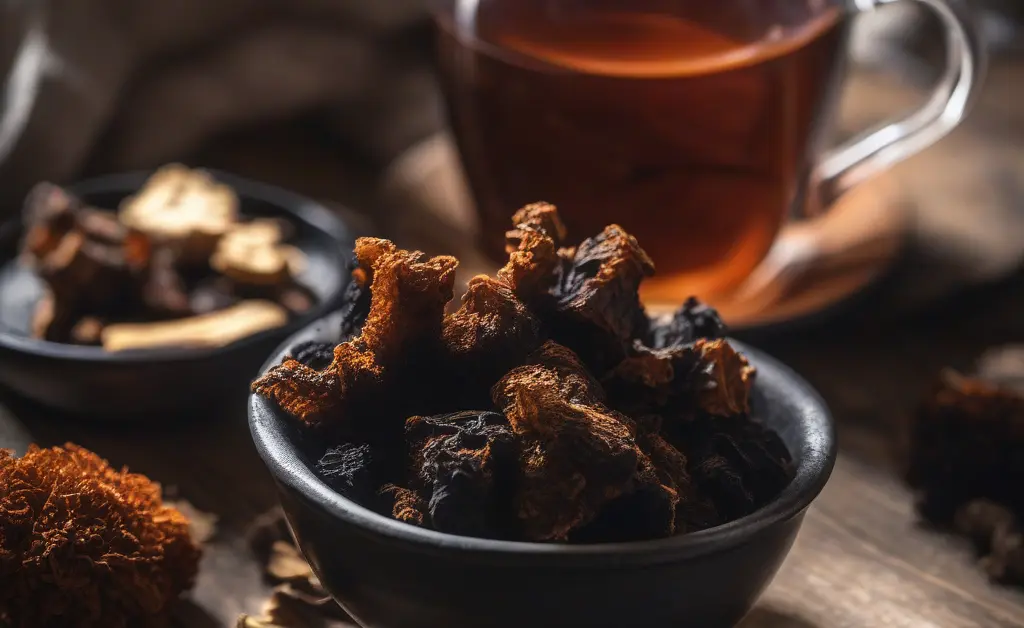
Chaga mushroom usage spans several supplement forms that cater to different preferences and lifestyles. These forms include dried chunks, powders, tinctures, and extracts, each offering unique advantages in terms of preparation ease and potency. Dried chaga chunks are often favored for traditional brewing methods, allowing for slow extraction of beneficial compounds such as polysaccharides and beta-glucans. Powdered chaga is versatile and can be incorporated into smoothies or capsules, providing a convenient route for those seeking antioxidant-rich supplementation. Tinctures and liquid extracts deliver concentrated doses of bioactive compounds and are popular among users who prefer quick absorption and precise dosing. The choice among these forms depends largely on individual needs, the desired intensity of effects, and the context in which chaga is being used.
Chaga Mushroom Tea Preparation
One of the most common and traditional methods of chaga mushroom usage involves brewing it into a tea. This preparation technique facilitates the extraction of water-soluble compounds that are believed to contribute to chaga’s antioxidant and anti-inflammatory properties. Typically, the dried chaga is simmered gently over low heat for an extended period, allowing the release of beneficial polysaccharides, melanin, and other phytochemicals. This results in a rich, dark brew with a slightly earthy and bitter flavor profile. Chaga tea is appreciated not only for its potential health benefits but also for its comforting and warming qualities. Many users combine chaga tea with other herbal ingredients to enhance flavor or synergize health effects.
Chaga Mushroom Extracts
Extracts represent a more concentrated form of chaga mushroom usage, often prepared using alcohol or other solvents to isolate specific bioactive compounds. These extracts are prized for their potency and convenience, particularly among those who seek the therapeutic properties of Inonotus obliquus without the time commitment required for traditional brewing. Alcohol-based tinctures effectively draw out both water-soluble and alcohol-soluble constituents, including antioxidants and adaptogenic compounds. Extracts may be standardized to contain certain levels of polysaccharides or betulinic acid, which are linked to chaga’s reputed health benefits. This form of chaga usage aligns well with modern wellness practices emphasizing standardized dosing and ease of incorporation into daily routines.
Chaga Mushroom Powder Uses
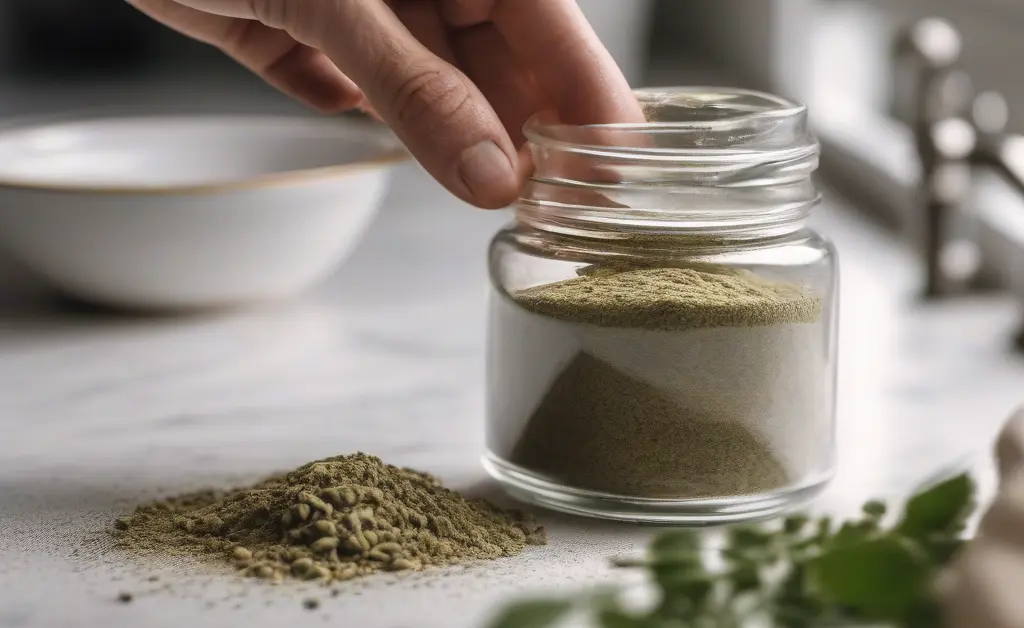
Powdered chaga is a versatile supplement form that caters to various consumption methods. It can be brewed as a tea, mixed into beverages, or encapsulated for convenient intake. The powder is typically produced by finely grinding dried chaga chunks, which increases the surface area and potentially enhances extraction efficiency during preparation. This form enables users to blend chaga with other natural products such as herbs or superfoods, creating synergistic formulations aimed at immune support or antioxidant enhancement. Chaga powder is also popular among those interested in its potential benefits for cognitive function or inflammation reduction, as it allows for flexible and personalized integration into wellness regimens.
Chaga Mushroom Tinctures
Tinctures provide an accessible and concentrated approach to chaga mushroom usage. Prepared through maceration in alcohol or glycerin, tinctures extract a broad spectrum of chaga’s therapeutic compounds, including adaptogens and antioxidants. This liquid form is favored for its rapid absorption and ease of dosing, making it especially suitable for individuals who prioritize convenience or require a more potent product. Tinctures can be consumed directly or added to water, tea, or other beverages. Their shelf stability and portability contribute to their popularity in modern wellness circles. Additionally, tinctures can be combined with other herbal extracts to enhance immune system support or anti-inflammatory effects.
How to Use Chaga Mushroom Safely
Dosage Recommendations
Chaga mushroom dosage usage in terms of dosage varies widely due to differences in supplement forms, concentrations, and individual health considerations. Labels on commercial chaga products often provide general guidelines, but these are not standardized and can differ significantly across brands. Traditional practices do not emphasize precise dosing but focus on regular consumption through teas or decoctions. Modern consumers should be aware that the potency of chaga supplements can be influenced by extraction methods, source quality, and preparation techniques. It is important to consider these factors when selecting a product and to approach chaga usage with mindfulness toward one’s unique health context. Consulting knowledgeable sources or health professionals familiar with herbal supplementation can help inform safe usage patterns.
Safety Precautions When Using Chaga Mushroom
While chaga mushroom is generally regarded as safe for many individuals, certain precautions are recommended to minimize potential risks. People with pre-existing health conditions or those taking medications, especially for blood sugar regulation or anticoagulation, should exercise caution due to chaga’s possible interactions. The rich antioxidant content, while beneficial, raises concerns in specific contexts such as immune modulation or liver function, necessitating careful consideration. Additionally, chaga mushroom usage during pregnancy or breastfeeding is typically advised against due to insufficient evidence regarding safety. Monitoring for any unexpected symptoms and discontinuing use if adverse effects arise is prudent. Sourcing chaga products from reputable suppliers further reduces risks associated with contaminants or adulteration.
Signs of Adverse Reactions
Users of chaga mushroom should be attentive to any signs that may indicate adverse reactions. Such signs can include gastrointestinal disturbances, allergic responses, or changes in energy levels and well-being. Though uncommon, some individuals may experience sensitivity to chaga’s bioactive compounds, resulting in symptoms like skin irritation or digestive discomfort. Awareness of these reactions is essential, especially when initiating chaga usage or trying a new product form. Prompt recognition and response, such as ceasing consumption and seeking professional advice, help ensure safety. Because chaga’s effects can vary by person, maintaining a cautious and observational approach supports responsible integration into health routines.
Preparation and Consumption Methods for Chaga Mushroom
Traditional Preparation Techniques
Traditional preparation of chaga mushroom predominantly involves simmering chunks of the dried fungus in water over low heat. This slow extraction process is designed to release valuable polysaccharides, antioxidants, and other compounds that contribute to its therapeutic properties. The process may take several hours, reflecting a patient approach that honors the mushroom’s natural complexity. In some cultures, chaga is also prepared by soaking or tincturing, but the decoction remains the most common method. Traditional techniques emphasize quality sourcing of wild chaga and minimal processing to preserve natural constituents. These methods align with longstanding herbal remedy practices and provide a foundation for understanding the mushroom’s role in natural health.
Storage and Shelf Life
Proper storage of chaga mushroom products is crucial to maintaining their potency and safety. Dried chaga chunks and powders should be kept in airtight containers away from moisture, light, and heat to prevent degradation of active compounds. Tinctures and extracts generally exhibit longer shelf lives due to their alcohol content but still require cool, dark storage conditions to retain efficacy. Attention to storage extends the usability of chaga supplements and supports consistent benefits over time. Consumers are advised to check expiration dates and observe any changes in aroma, color, or texture as indicators of product quality.
Combining Chaga with Other Natural Products
Chaga mushroom usage often involves combining it with other natural products to enhance its health-promoting effects. Common pairings include adaptogenic herbs, antioxidant-rich botanicals, and immune-supportive ingredients. These combinations may be found in blended teas, powdered formulations, or tincture mixes. The synergistic potential arises from chaga’s diverse bioactive compounds working alongside complementary phytochemicals, potentially amplifying antioxidant capacity or modulating inflammation. When integrating chaga with other supplements, awareness of overlapping effects and interactions is important to optimize benefits safely. This approach reflects a holistic perspective common in herbal medicine traditions.
Chaga Mushroom Usage in Traditional Practices

Traditional Preparation Techniques
In traditional medicine systems, chaga mushroom usage is deeply rooted in natural remedy practices that prioritize slow, deliberate preparation to unlock its therapeutic properties. Indigenous and folk healers have long utilized chaga primarily as a decoction, valuing its adaptogenic and anti-inflammatory effects. The mushroom is harvested from birch trees, dried, and then simmered to create a nourishing tea believed to support the immune system and combat oxidative stress. Traditional usage often includes ritualistic elements and knowledge passed through generations, emphasizing sustainability and respect for natural resources. These time-honored methods continue to influence contemporary approaches to chaga mushroom preparation and consumption.
Chaga Mushroom Usage in Modern Wellness
Modern Consumption Trends
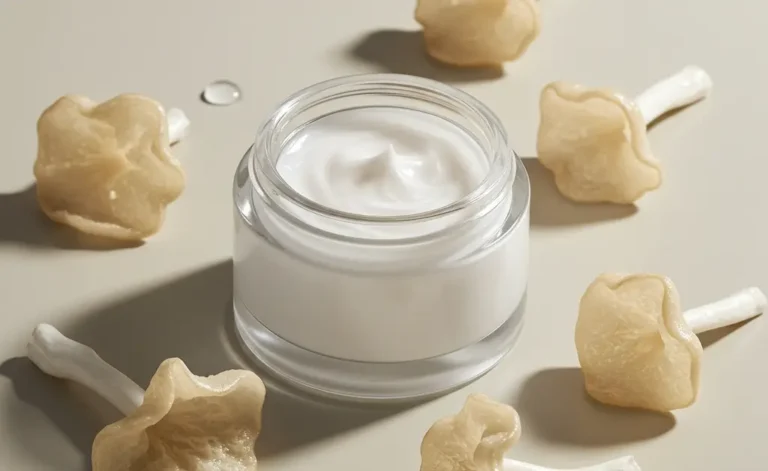
Modern wellness practices have embraced chaga mushroom usage by adapting traditional methods into convenient and standardized formats suitable for today’s lifestyles. The rise of chaga extracts, powders, and tinctures reflects consumer demand for potent, easy-to-use supplements that integrate seamlessly into daily routines. Interest in chaga as an immune system booster and antioxidant-rich mushroom has surged alongside trends emphasizing natural and plant-based health solutions. Contemporary research into chaga’s therapeutic properties of Inonotus obliquus further fuels its popularity, encouraging innovation in delivery forms. Additionally, chaga is often incorporated into functional beverages, skincare products, and holistic health regimens, showcasing its versatility beyond conventional tea preparation. For more detailed research, visit NIH.
Potential Risks and Considerations for Chaga Mushroom Usage

Despite its celebrated benefits, chaga mushroom usage carries potential risks and considerations that users should be aware of to ensure safe incorporation into health practices. Concerns such as chaga mushroom liver toxicity have been noted in rare cases, warranting caution particularly among individuals with pre-existing liver conditions. Awareness of chaga warnings, including possible interactions with medications and contraindications in pregnancy, is important. Some users may experience side effects ranging from mild digestive upset to allergic reactions. Additionally, the variability in supplement quality and labeling means consumers must critically assess product sources. Understanding who should not consume chaga and adhering to safety precautions helps mitigate risks while allowing for the responsible use of this antioxidant-rich mushroom.
In summary, chaga mushroom usage encompasses diverse forms and preparation methods, both rooted in tradition and adapted for modern wellness. Its reputation as an immune system booster and antioxidant-rich mushroom underlines its value, while mindful attention to safety and potential risks supports effective integration into health routines. Whether through teas, extracts, or powders, chaga offers a natural complement to holistic wellness strategies when used with informed consideration.
Disclaimer: This article is intended for informational purposes only and does not constitute medical advice. Chaga mushroom usage should be approached with caution, especially if you have underlying health conditions or are taking medications. Consult a qualified healthcare professional before incorporating any new supplement into your regimen. Individual responses to chaga may vary, and this content does not substitute professional guidance.
“`
FAQ
— How do you prepare chaga mushroom for consumption?
Chaga mushroom is typically prepared by drying and then steeping it in hot water to make a tea or decoction. This process helps to extract the beneficial compounds. Some also grind the dried mushroom into a powder for easier use in various recipes. The preparation method can affect the flavor and potency of the final product.
— What is the best way to consume chaga mushroom?
The most common method involves drinking it as a tea or infusion, which allows the extraction of water-soluble compounds. Some prefer tinctures or extracts for convenience, though these may vary in strength. Ultimately, the best way depends on personal preference and how one wishes to incorporate it into their routine.
— Are there any safety concerns with chaga mushroom usage?
Chaga mushroom usage is generally considered safe when consumed in moderation, but it may interact with certain medications or health conditions. People with blood clotting disorders or those on anticoagulants should exercise caution, as some compounds in chaga may affect blood thinning. Consulting a healthcare professional before use is often recommended.
— Can chaga mushroom be used daily?
While some traditional practices reference daily use, continuous consumption should be approached thoughtfully. Individual tolerance and health status can influence how often it might be appropriate. Monitoring one’s response and seeking guidance from a knowledgeable source is advisable for ongoing use.
— What forms of chaga mushroom are available for use?
Chaga mushroom is available in several forms including dried chunks, powder, tinctures, and capsules. Each form offers distinct advantages in terms of preparation ease and concentration of active components. This variety allows users to select the option that best fits their lifestyle and preferences regarding chaga mushroom usage.