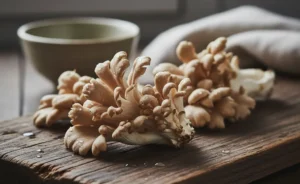


Reishi mushrooms have long been valued in traditional medicine for their wide range of health benefits, particularly in supporting cognitive function and brain health. Recent scientific research has begun to uncover how compounds within these mushrooms may positively influence memory, focus, and overall neural performance. This article explores the specific mechanisms behind reishi mushroom benefits for brain, examining its potential to enhance cognitive abilities, protect against neurodegenerative conditions, and support mental well-being. By understanding these effects, individuals seeking natural approaches to maintain and improve brain function can make informed decisions about incorporating reishi mushrooms into their wellness routines. The following sections delve into the key properties of reishi mushrooms and their role in fostering a healthy brain environment.
Reishi Mushroom Benefits for Brain Health
What Does Reishi Do For The Brain?
Reishi mushrooms contain a complex blend of bioactive compounds, including polysaccharides, triterpenes, and peptides, which contribute to their neuroprotective and cognitive-enhancing properties. These compounds are believed to support the brain by modulating inflammatory pathways, reducing oxidative stress, and promoting the health of neural cells. Such actions help maintain an optimal environment for brain function, potentially improving mental clarity and mitigating factors that contribute to cognitive decline. The mushroom’s ability to influence neurotransmitter systems may also play a role in enhancing mood and cognitive performance. More information about reishi mushroom benefits can provide a fuller picture of its effects.
Is Reishi Mushroom Good for the Brain?
Traditionally, reishi mushrooms have been used to support longevity and vitality, with particular emphasis on mental health and resilience. Modern research supports these claims by indicating that reishi may help improve neuronal health and protect against neurodegenerative processes. The mushroom’s antioxidant and anti-inflammatory effects are especially notable, as chronic inflammation and oxidative damage are key contributors to brain aging and cognitive impairment. While individual responses can vary, reishi is commonly regarded as a beneficial natural agent for supporting overall brain health.
Cognitive Function and Memory Enhancement with Reishi Mushroom

Polysaccharides from Ganoderma lucidum Promote Cognitive Function
Polysaccharides extracted from Ganoderma lucidum, the scientific name for reishi mushrooms, have been studied for their role in enhancing cognitive function. These complex carbohydrates may support brain health by modulating immune responses and reducing neuroinflammation, which is often linked to cognitive decline. By fostering a balanced neurological environment, these polysaccharides contribute to improved mental processing speeds and cognitive resilience, which are crucial aspects of maintaining sharpness in daily tasks.
Memory Improvement
Some compounds in reishi mushrooms are associated with enhancements in memory retention and recall. These effects are thought to arise from the mushroom’s capacity to protect hippocampal neurons, a brain region essential for memory formation and consolidation. Additionally, reishi’s influence on neurotransmitter balance may facilitate better synaptic communication, which is fundamental to learning and memory processes. While more human-based studies are needed, preliminary findings suggest reishi could be a supportive element in memory maintenance strategies.
Focus and Concentration
Reishi mushrooms may also support improvements in focus and concentration by regulating neurotransmitter activity and reducing mental fatigue. Their adaptogenic properties help the brain manage stress responses, which can often impair attention and cognitive endurance. Through these mechanisms, reishi contributes to enhanced mental clarity and sustained concentration, making it a popular supplement for those seeking cognitive enhancement in demanding environments.
Neuroprotective and Antioxidant Effects of Reishi Mushroom
Reducing Neuroinflammation
Neuroinflammation reduction is a critical pathway through which reishi mushrooms exert their neuroprotective effects. Chronic inflammation in the brain has been linked to a range of neurodegenerative diseases, and reishi’s bioactive compounds may help attenuate this process by modulating inflammatory mediators. This reduction in neuroinflammation supports healthier neuronal environments and may slow the progression of cognitive decline. For further details on brain health, you can consult the CDC.
Decreasing Plaque Formation
There is emerging evidence that reishi mushroom components may influence the processes involved in brain plaque formation, which is characteristic of conditions like Alzheimer’s disease. By interfering with the aggregation of certain proteins, reishi could contribute to a decreased buildup of harmful plaques, thereby protecting neural tissue and supporting cognitive integrity over time.
Reducing Oxidative Stress
Oxidative stress in brain tissue results from an imbalance between free radicals and antioxidant defenses, leading to cellular damage. Reishi mushrooms contain potent antioxidant agents that can neutralize free radicals, thereby reducing oxidative stress. This protective effect helps preserve the structure and function of brain cells, contributing to overall brain health and resilience against age-related changes.
Antioxidant Properties
The antioxidant effects of reishi extend beyond free radical scavenging. By enhancing endogenous antioxidant enzyme activities, reishi supports the brain’s own defense systems. These properties help maintain cellular homeostasis and protect neurons from oxidative insults, which are often implicated in cognitive impairment and neurodegenerative disorders. The reishi mushroom benefits for men include these antioxidant properties among others.
Anti-inflammatory Effects
In addition to its neuroprotective antioxidant actions, reishi exhibits broad anti-inflammatory effects that help regulate immune responses in the central nervous system. This modulation of inflammation not only supports neural health but also contributes to mood regulation and mental well-being by reducing the impact of systemic inflammatory signals on brain function.
Impact of Reishi Mushroom on Brain Aging

Effects on Brain Aging Processes
Brain aging is characterized by a decline in cognitive function, increased neuroinflammation, and reduced neural plasticity. Reishi mushrooms may influence these processes by promoting cellular repair mechanisms and reducing factors that accelerate neural degeneration. These effects collectively support a slower progression of cognitive decline, contributing to sustained brain health in aging populations.
Neurogenesis Support
Reishi has been studied for its potential to encourage neurogenesis, the formation of new neurons, particularly in brain regions associated with learning and memory. Supporting neurogenesis is critical for maintaining cognitive flexibility and memory capacity throughout life. Compounds in reishi may stimulate signaling pathways that favor the growth and survival of new neural cells, enhancing brain adaptability.
Support for Brain Cell Regeneration
Beyond neurogenesis, reishi mushroom compounds may aid in the regeneration and repair of existing brain cells. This support helps maintain the functional integrity of neural networks and may improve recovery from neuronal damage caused by stress or injury. Such regenerative properties are essential for preserving cognitive function as the brain ages. The reishi mushroom benefits for hair article discusses regenerative properties relevant to cellular health.
Reishi Mushroom and Stress Reduction for Brain Health
Anxiety Relief
Reishi mushrooms are traditionally recognized for their adaptogenic qualities, helping to balance the body’s response to stress. By modulating stress hormones and neurotransmitters, reishi may contribute to anxiety relief, creating a calmer mental state that is conducive to better cognitive performance and emotional stability. This anxiolytic effect supports overall brain health by preventing the negative impacts of chronic stress.
Depression Management
In addition to anxiety relief, reishi mushrooms have been explored for their role in managing symptoms of depression. Through their influence on neurotransmitter systems such as serotonin and dopamine, reishi may help improve mood and reduce depressive symptoms. These mental health benefits are important components of maintaining cognitive function and quality of life.
Reishi Mushroom and Cortisol Levels
Cortisol, a key stress hormone, can adversely affect brain function when chronically elevated. Reishi mushrooms may support the regulation of cortisol levels, helping to mitigate the harmful effects of prolonged stress exposure on the brain. By promoting hormonal balance, reishi aids in protecting cognitive function and emotional well-being. The reishi mushroom benefits for menopause include hormonal balance effects, which can be related to cortisol regulation.
Role of Reishi Mushroom in Supporting Neural Communication
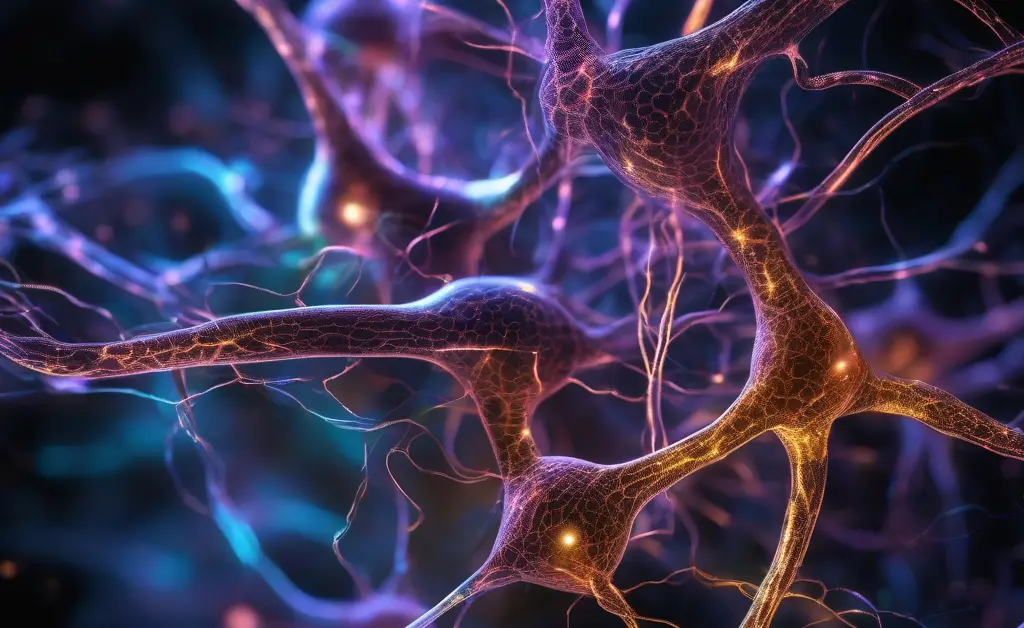
Enhancement of Synaptic Plasticity
Synaptic plasticity—the ability of synapses to strengthen or weaken over time—is fundamental to learning, memory, and overall brain adaptability. Reishi mushrooms may enhance synaptic plasticity through their neuroprotective and anti-inflammatory properties, fostering improved neural communication. This enhancement supports better information processing, memory formation, and cognitive flexibility, making reishi a valuable natural agent in sustaining brain function.
Reishi mushroom benefits for brain encompass a diverse range of effects, from cognitive enhancement and memory support to neuroprotection and stress reduction. Its complex bioactive compounds work synergistically to create a brain-friendly environment that promotes mental clarity, resilience against aging, and emotional balance. While ongoing research continues to uncover the full extent of these benefits, integrating reishi mushrooms into one’s wellness routine may offer a promising approach to supporting brain health naturally.
Disclaimer: This article is for informational purposes only and does not constitute medical advice. The effects of reishi mushrooms can vary among individuals, and their use should not replace professional healthcare consultation. Before incorporating any new supplement into your routine, consider discussing it with a qualified healthcare provider to ensure safety and appropriateness based on your personal health circumstances.
FAQ
— How does reishi mushroom reduce neuroinflammation in the brain?
Reishi mushroom contains bioactive compounds that are believed to have anti-inflammatory properties. These compounds may help modulate immune responses and potentially reduce inflammation within neural tissues. While research is ongoing, this effect is often studied in the context of neuroprotection.
— Can reishi mushroom help with anxiety and depression?
Reishi mushroom is traditionally referenced for its calming and adaptogenic qualities, which might support emotional balance. Some studies suggest it could influence neurotransmitter systems linked to mood regulation. However, evidence remains preliminary and should be interpreted with caution.
— Does reishi mushroom improve memory and cognition?
There is limited but promising research indicating that certain components of reishi mushroom may support cognitive functions. These effects might be related to its antioxidant and neuroprotective activities. Nonetheless, conclusive data on direct memory enhancement is still lacking.
— What compounds in reishi mushroom benefit brain health?
Reishi mushrooms are rich in polysaccharides, triterpenoids, and antioxidants, which have been the focus of many studies assessing brain health. These compounds may contribute to reducing oxidative stress and supporting cellular health in the nervous system.
— Are there any risks associated with taking reishi mushroom for the brain?
While generally considered safe, reishi mushroom may cause adverse effects in some individuals, such as allergic reactions or digestive disturbances. Its interactions with medications or underlying health conditions should be carefully considered. Consulting with a healthcare professional before use is advisable.
— How does reishi mushroom affect brain aging?
Reishi mushroom benefits for brain aging are often discussed in the context of its antioxidant and anti-inflammatory properties. These actions might help mitigate cellular damage associated with aging processes, though human studies are still needed to confirm such effects.
— Can reishi mushroom support stress management related to brain health?
Reishi mushroom has traditionally been used as an adaptogen, which means it may help the body cope with stress. By potentially influencing stress hormone levels and promoting relaxation, it might indirectly support brain health. However, individual responses can vary significantly.