Menopause introduces a range of physiological changes that can significantly impact a woman’s quality of life, including hormonal fluctuations, mood swings, and decreased bone density. Among natural approaches to managing these symptoms, the reishi mushroom has gained attention for its potential therapeutic effects. Understanding the reishi mushroom benefits for menopause involves exploring its properties related to hormonal balance, immune support, and stress reduction. This article delves into the scientific and anecdotal evidence surrounding reishi mushrooms, offering insights into how this traditional remedy may ease menopausal challenges and contribute to overall well-being during this transitional phase.
Reishi Mushroom Benefits For Menopause
Relationship Between Menopause and Reishi Mushroom
Menopause marks a significant shift in a woman’s endocrine system, characterized primarily by the decline of estrogen and progesterone production. This hormonal transition often leads to various symptoms such as hot flushes, mood fluctuations, and sleep disturbances. Reishi mushrooms, long revered in traditional medicine, are considered adaptogenic fungi that may help modulate bodily functions and promote balance. Their bioactive compounds, including polysaccharides, triterpenes, and antioxidants, have been studied for their capacity to influence hormone regulation and support the body’s resilience during stress. The relationship between reishi mushrooms and menopause centers on this adaptogenic potential, offering a holistic approach to managing the physiological changes experienced during this life stage.
Reduction of Hot Flushes and Other Symptom Relief
Hot flushes are among the most common and disruptive symptoms of menopause, often linked to fluctuations in estrogen levels and the resultant instability in the hypothalamic regulation of body temperature. Reishi mushrooms are believed to contribute to symptom relief through their effects on the hypothalamic-pituitary-adrenal (HPA) axis, which plays a crucial role in stress response and temperature regulation. By supporting HPA axis balance, reishi may help moderate the severity and frequency of hot flushes. Additionally, the anti-inflammatory and antioxidant properties of reishi are thought to alleviate other discomforts such as night sweats and general inflammation-related symptoms, contributing to a more comfortable menopausal experience.
Impact on Mood and Sleep
Mood swings, anxiety, and sleep disturbances frequently accompany menopause due to hormonal imbalances and stress. Reishi mushrooms have been traditionally used to promote calmness and improve sleep quality, effects attributed to their adaptogenic and neuroprotective compounds. Scientific studies suggest that reishi may influence neurotransmitter activity and cortisol levels, which are closely tied to mood regulation and sleep cycles. By potentially reducing anxiety and improving sleep architecture, reishi mushrooms can support emotional stability and restorative rest, which are critical for overall menopausal health.
Effects on Bone Health During Menopause
Decreased estrogen during menopause can accelerate bone density loss, increasing the risk of osteoporosis. Some research indicates that reishi mushrooms exhibit anti-inflammatory and antioxidant effects that may help protect bone tissue from oxidative stress and inflammation, factors that contribute to bone degradation. While reishi is not a direct source of bone-building nutrients, its role in supporting immune modulation and reducing systemic inflammation could indirectly benefit bone health. These properties may complement other dietary and lifestyle strategies aimed at preserving bone integrity during menopause.
Influence on Immune System Function in Menopausal Women
Menopause can affect immune function, sometimes leading to increased susceptibility to infections and autoimmune conditions. Reishi mushrooms are widely recognized for their immune-modulating properties, capable of enhancing the activity of natural killer cells and promoting balanced cytokine production. This immune modulation is especially relevant during menopause, when hormonal changes can disrupt immune homeostasis. The polysaccharides in reishi contribute to its ability to support immune resilience, potentially helping menopausal women maintain a more robust defense system throughout this transitional period. For more details on reishi’s effects on women, see reishi mushroom benefits for women.
Role in Stress Reduction and Anxiety Management
Stress and anxiety often intensify during menopause due to hormonal fluctuations and the psychosocial adjustments that accompany this life phase. Reishi mushrooms have traditionally been valued for their adaptogenic qualities, which help the body adapt to stressors and maintain equilibrium. Their potential to modulate cortisol—the body’s primary stress hormone—may alleviate stress-related symptoms and improve mental clarity. By promoting relaxation and reducing anxiety, reishi may serve as a natural adjunct in managing the emotional challenges associated with menopause.
How Reishi Mushroom Supports Hormonal Balance During Menopause
Mechanism of Hormone Regulation by Reishi
The hormone-regulating effects of reishi mushrooms are primarily linked to their ability to influence the hypothalamic-pituitary-adrenal (HPA) axis, which plays a central role in endocrine system communication. Through this pathway, reishi may indirectly support the balance of hormones such as cortisol, estrogen, and progesterone, which are critical during menopause. Additionally, certain triterpenes found in reishi exhibit phytoestrogenic activity, meaning they can mimic or modulate estrogenic effects in the body without the risks associated with synthetic hormone therapies. This nuanced interaction helps promote hormonal balance, potentially easing symptoms related to estrogen deficiency while supporting overall endocrine health. This mechanism is further explored in the article about reishi mushroom benefits for men, highlighting hormonal regulation aspects.
How to Use Reishi Mushroom During Menopause
Ways to Incorporate Reishi Mushroom into Daily Routine
Incorporating reishi mushrooms into a daily routine can be approached through various methods depending on personal preference and lifestyle. Commonly, reishi is consumed as a tea, which allows for gradual absorption of its compounds and provides a soothing ritual that may enhance stress relief. Capsules and tinctures offer a convenient alternative, delivering concentrated extracts that are easy to integrate into supplement regimens. Some individuals also include powdered reishi in smoothies or culinary preparations to combine its benefits with other nutrient-rich foods. Establishing a consistent intake method can support sustained benefits related to menopausal symptom management.
Different Forms of Reishi Mushroom for Menopause Support
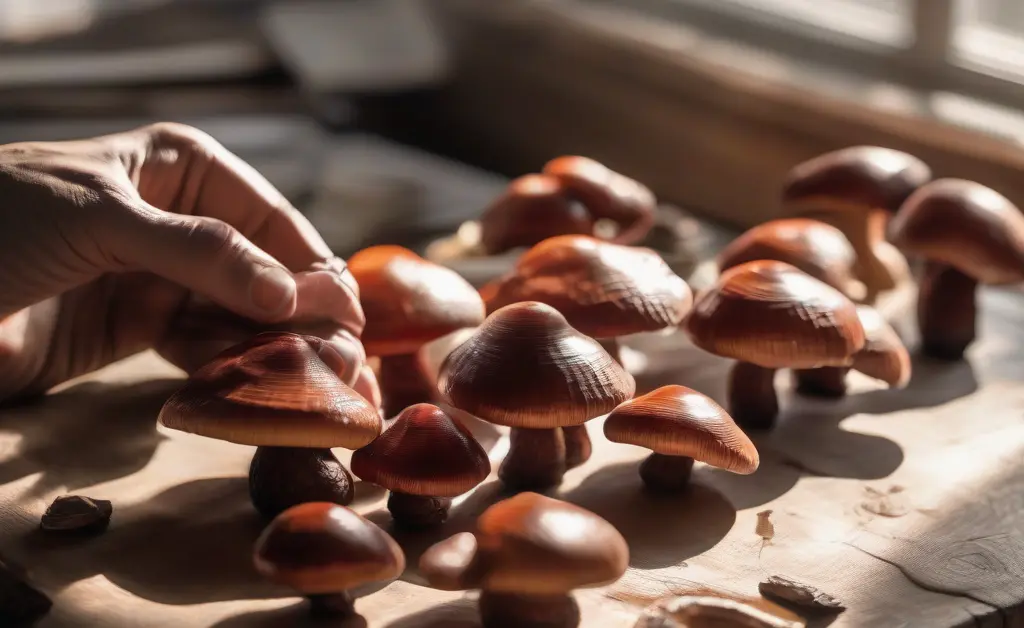
Reishi mushrooms are available in multiple forms, each offering distinct advantages. Dried whole mushrooms are often brewed into teas, preserving a broad spectrum of bioactive compounds, though the preparation requires time and attention. Extracts and tinctures concentrate specific constituents such as polysaccharides and triterpenes, allowing for standardized potency and ease of use. Capsules provide a familiar supplement format that is convenient for daily consumption without taste considerations. Additionally, some menopause mushroom blends combine reishi with other adaptogenic or medicinal mushrooms, like maitake or cordyceps, to target multiple aspects of menopausal health synergistically.
Duration and Timing of Use for Optimal Benefits
The effects of reishi mushroom on menopausal symptoms may develop gradually, reflecting the time needed for the body to respond to its adaptogenic properties and hormonal modulation. While there is no universal timeline, traditional use and contemporary consumer practices suggest that consistent use over a sustained period is more likely to yield noticeable benefits. Timing of intake can be adapted to individual needs, with some preferring evening consumption to support sleep, while others take it during the day for stress reduction. Awareness of product labeling and consultation with healthcare providers can help guide appropriate use in alignment with personal health goals.
Potential Side Effects and Precautions of Reishi Mushroom

Precautions for Women with Specific Health Conditions
While reishi mushrooms are generally considered safe for most individuals, certain health conditions warrant caution. Women with bleeding disorders or those taking anticoagulant medications should be aware that reishi may affect blood clotting. Additionally, individuals with autoimmune diseases might experience immune stimulation that requires careful monitoring. Pregnant or breastfeeding women are typically advised to avoid reishi due to limited safety data. It is important for menopausal women with underlying health concerns to consult healthcare professionals before incorporating reishi to ensure compatibility with their medical history.
Interactions with Other Supplements or Herbs
Reishi mushrooms can interact with various supplements and medications, potentially altering their effects. For example, reishi’s immune-modulating properties may enhance or interfere with immunosuppressive drugs. Its influence on blood thinning mechanisms could also interact with herbal supplements such as ginkgo biloba or garlic. Being mindful of these interactions is essential to avoid adverse effects, especially in complex supplement regimens common during menopause. Careful review of all concurrent supplements and open communication with healthcare providers can help mitigate risks.
Nutritional Profile of Reishi Mushroom Relevant to Menopause
The nutritional profile of reishi mushrooms includes a diverse array of bioactive compounds that collectively contribute to its health-promoting effects. Polysaccharides, particularly beta-glucans, support immune modulation, while triterpenes exhibit anti-inflammatory and hormone-regulating activities. Reishi also contains antioxidants that help combat oxidative stress—a factor implicated in aging and menopausal symptom severity. Though not a significant source of macronutrients like vitamins or minerals, these specialized compounds make reishi a valuable functional food in the context of menopause, complementing nutritional strategies aimed at hormonal balance and symptom management.
Comparison of Reishi Mushroom with Other Natural Remedies for Menopause
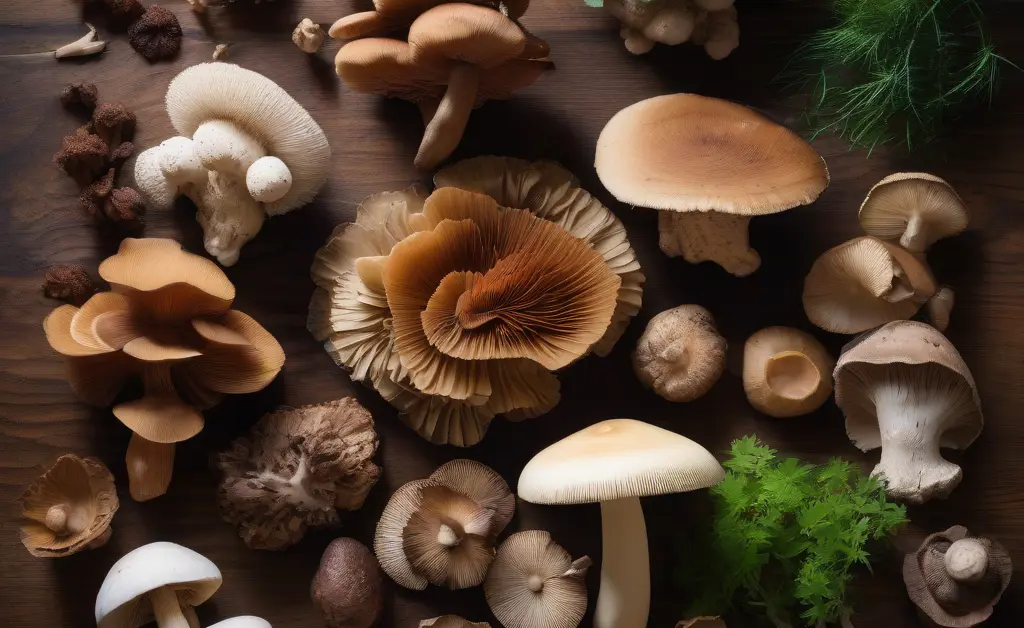
When considering natural remedies for menopause, reishi mushrooms stand out for their adaptogenic and immune-supportive properties, which differ from other botanicals that primarily focus on phytoestrogenic effects. For instance, herbs such as black cohosh and red clover are often used specifically for their estrogen-like actions, directly targeting hormone receptors. In contrast, reishi offers a more systemic approach by supporting the HPA axis and promoting overall hormonal regulation. Mushroom blends that include reishi alongside maitake or cordyceps can provide a broader spectrum of benefits, combining immune modulation with energy and stress support. This multifaceted profile positions reishi as a complementary option within the landscape of menopause natural treatment, especially for women seeking holistic and integrative approaches. To understand how reishi compares with other benefits, review the reishi mushroom benefits for weight loss article.
In summary, reishi mushroom benefits for menopause encompass a broad range of supportive effects, from hormonal balance and hot flush relief to mood stabilization and immune function enhancement. While ongoing research continues to clarify its mechanisms and efficacy, existing evidence and traditional use highlight reishi as a promising natural ally for menopausal women navigating this complex life stage.
Disclaimer: This article is for informational purposes only and does not constitute medical advice. Reishi mushroom supplements should not replace professional healthcare consultation or prescribed treatments. Individuals considering reishi use during menopause are encouraged to discuss it with qualified healthcare providers to ensure safety and appropriateness based on their personal health circumstances.
Scientific studies on reishi mushroom’s effects related to hormonal balance and immune support can be found on PubMed.
FAQ
— How does reishi mushroom help with menopause symptoms?
Reishi mushroom benefits for menopause are often discussed due to its potential to support immune function and reduce stress. It is traditionally referenced for its adaptogenic properties, which may help the body manage hormonal fluctuations and improve overall well-being during this stage.
— Can reishi mushroom reduce hot flashes during menopause?
Some studies and anecdotal reports suggest that reishi mushroom might help alleviate hot flashes, but evidence remains limited. Its effect may depend on individual physiological factors and should be explored cautiously alongside other supportive measures.
— Is reishi mushroom safe to use for hormone regulation?
Reishi mushroom is generally considered safe when used appropriately, but its impact on hormones is not fully understood. Anyone considering it for hormone regulation should consult with a healthcare professional to ensure it aligns with their health profile.
— What is the recommended dosage of reishi mushroom for menopause?
There is no universally established dosage for reishi mushroom related to menopause, and recommendations vary widely. Dosage decisions should be based on product guidelines and professional advice rather than fixed formulas.
— Are there any side effects of taking reishi mushroom during menopause?
Some people may experience mild side effects such as digestive discomfort or allergic reactions when taking reishi mushroom. Monitoring for any adverse effects is important, especially when introducing it during hormonal changes.
— How long does it take to notice benefits from reishi mushroom during menopause?
The time frame for noticing any benefits from reishi mushroom can vary significantly between individuals. Some may observe changes relatively quickly, while others might require longer periods to experience any effects.
— Can reishi mushroom improve sleep quality in menopausal women?
Reishi mushroom has been traditionally used to promote relaxation and better sleep, which may be beneficial for menopausal women facing sleep disturbances. However, scientific support for this use remains preliminary and should be considered alongside other sleep hygiene practices.
— Are there any women who should avoid using reishi mushroom during menopause?
Women with certain medical conditions or those taking immunosuppressive medications may need to avoid reishi mushroom. It is advisable to seek medical guidance before starting any new supplement during menopause to ensure safety.