


The reishi mushroom has garnered attention not only for its medicinal properties but also for its promising role in hair care. As concerns over hair thinning and scalp health grow, many are turning to natural solutions, and reishi mushroom benefits for hair have emerged as a compelling option. This fungus is rich in bioactive compounds that contribute to strengthening hair follicles, promoting scalp health, and potentially reducing hair loss. Understanding how reishi mushroom supports hair growth and maintenance can help individuals make informed decisions about incorporating it into their hair care routine. This article explores the various ways reishi mushroom can enhance hair quality, its application methods, safety considerations, and the scientific evidence behind its effectiveness.
Reishi Mushroom Benefits for Hair Growth and Thickness
How do Reishi mushrooms benefit hair health?
Reishi mushrooms contain a complex array of bioactive components such as triterpenes, polysaccharides, and antioxidants that work synergistically to support hair health. These compounds contribute to creating a favorable environment for hair follicles by modulating inflammation and oxidative stress, which are commonly involved in hair thinning and poor scalp conditions. The adaptogenic qualities of reishi also help balance the body’s internal systems, indirectly supporting hair growth cycles. Regular use, whether topical or oral, may help improve hair thickness by reinforcing follicular strength and resilience, promoting healthier strands over time.
Reducing Scalp Inflammation
One of the notable benefits of reishi mushroom is its potent anti-inflammatory properties. Scalp inflammation can disrupt the natural hair growth cycle and contribute to conditions such as dandruff or folliculitis, which may exacerbate hair thinning. The triterpenes found in reishi are known to inhibit inflammatory pathways, helping to soothe irritated skin and reduce redness or swelling on the scalp. By alleviating inflammation, reishi supports a healthier scalp environment conducive to robust hair growth and improved follicle function.
Improving Scalp Blood Circulation
Effective blood circulation to the scalp is essential for delivering vital nutrients and oxygen to hair follicles, which in turn supports their growth and strength. Some compounds in reishi mushroom are traditionally believed to promote vasodilation, enhancing microcirculation within the scalp tissues. Improved blood flow can facilitate the removal of metabolic waste and increase the availability of nourishment necessary for hair regeneration processes. This circulation boost may help maintain the vitality of existing hair and encourage the emergence of new growth.
Enhancing Nutrient and Oxygen Delivery to Hair Follicles
Beyond improving circulation, reishi mushroom’s bioactive substances may optimize the delivery of nutrients and oxygen directly to hair follicles. Polysaccharides and antioxidants present in reishi contribute to protecting follicular cells from oxidative damage while supporting their metabolic needs. Enhanced nutrient uptake strengthens hair follicles, making them more resilient against environmental stressors and aging factors. This nourishment is crucial for maintaining the thickness, shine, and overall health of hair strands. For additional benefits of reishi on overall wellness, see reishi mushroom for liver.
Reishi Mushroom Benefits for Hair Loss and Hair Fall
Antioxidant Effects of Reishi Mushroom on Hair
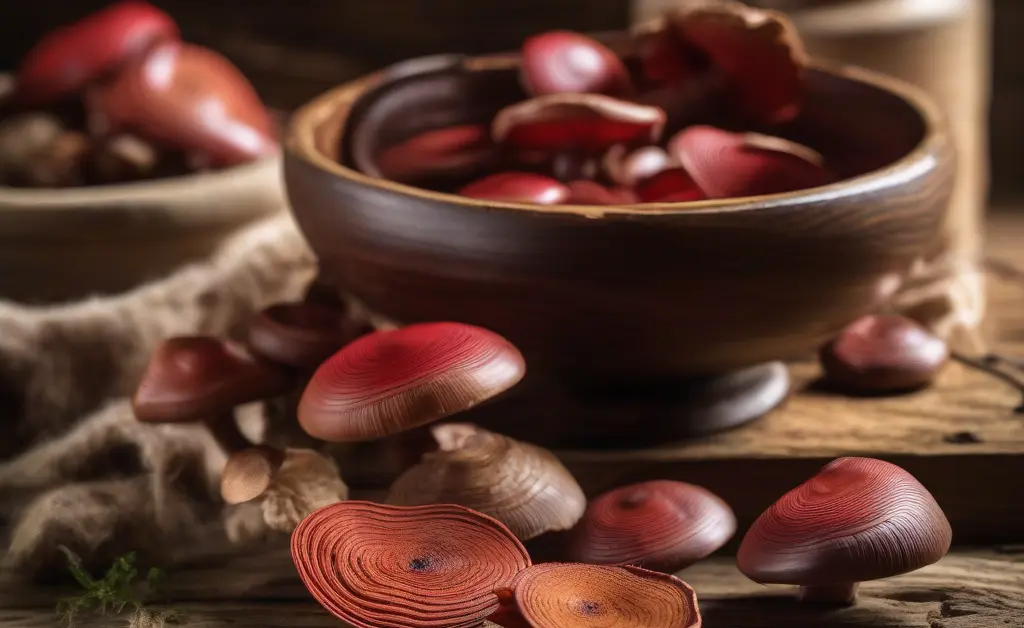
Oxidative stress is a significant factor contributing to hair loss and follicular aging. Reishi mushroom is rich in antioxidants that neutralize free radicals, which are harmful molecules capable of damaging hair follicle cells. By mitigating oxidative damage, reishi helps sustain the structural integrity of hair follicles and scalp tissues. This protective effect may reduce the rate of hair fall associated with environmental pollutants, UV exposure, and metabolic imbalances, offering a natural defense mechanism for hair preservation.
Role of Polysaccharides in Hair Care
Polysaccharides in reishi mushroom are complex carbohydrates known for their immune-modulating and moisturizing properties. In the context of hair care, these molecules assist in maintaining scalp hydration and supporting the scalp’s natural barrier function. A well-moisturized scalp is less prone to dryness, itching, and flaking, all of which can contribute to hair loss. Furthermore, polysaccharides may stimulate cellular repair and regeneration around hair follicles, providing a nurturing environment that supports sustained hair growth and reduces shedding. Research shows that reishi mushroom is also helpful for improving sleep quality, which may indirectly support hair health; learn more at reishi mushroom for sleep.
Impact of Reishi Mushroom on Scalp Microbiome
The scalp microbiome, composed of diverse microorganisms, plays a crucial role in scalp health and hair growth. An imbalance in this microbiome can lead to conditions such as dandruff or seborrheic dermatitis, which negatively affect hair retention. Reishi mushroom’s antimicrobial and anti-inflammatory properties may help modulate the scalp microbiome by suppressing harmful microbes while supporting beneficial ones. This balance contributes to a healthier scalp environment, potentially reducing hair fall caused by microbial imbalances and improving overall hair quality. For women specifically, the benefits of reishi mushroom extend to hair care as well; see reishi mushroom benefits for women.
How to Use Reishi Mushroom for Hair Care
Topical Applications of Reishi Mushroom
Topical use of reishi mushroom typically involves applying extracts or infusions directly to the scalp and hair. These applications allow the bioactive compounds to interact intimately with the scalp skin, targeting inflammation and oxidative stress locally. Some formulations combine reishi with other soothing ingredients to enhance scalp comfort and follicle nourishment. Topical use is favored for those seeking a natural approach to scalp health without systemic effects, and it can be integrated into regular hair care routines with serums, oils, or masks containing reishi extracts.
Reishi Mushrooms in Shampoo: Boost Hair Growth
Incorporating reishi mushroom into shampoos offers a convenient way to benefit from its properties during routine cleansing. Shampoos infused with reishi may help reduce scalp inflammation and improve circulation while gently cleansing the scalp of impurities. This dual action supports an optimal scalp environment, which is fundamental for hair growth stimulation. While shampoos provide brief contact time, regular use can contribute to cumulative benefits by continuously delivering reishi’s active compounds to the scalp. For safety and health-related information on natural ingredients like reishi, consult resources such as the NHS.
Oral Supplements for Hair Health
Oral supplementation with reishi mushroom extracts is another popular method to harness its adaptogenic and antioxidant benefits. When taken as part of a holistic wellness approach, these supplements may support systemic factors that influence hair health, such as immune modulation and hormonal balance. Consumers often seek oral reishi to complement topical treatments, aiming for a comprehensive strategy that addresses both internal and external contributors to hair vitality. Awareness of supplement quality and ingredient sourcing is important for maximizing potential effects.
Precautions and Considerations When Using Reishi Mushroom for Hair
Safety Measures When Using Reishi Mushroom Products
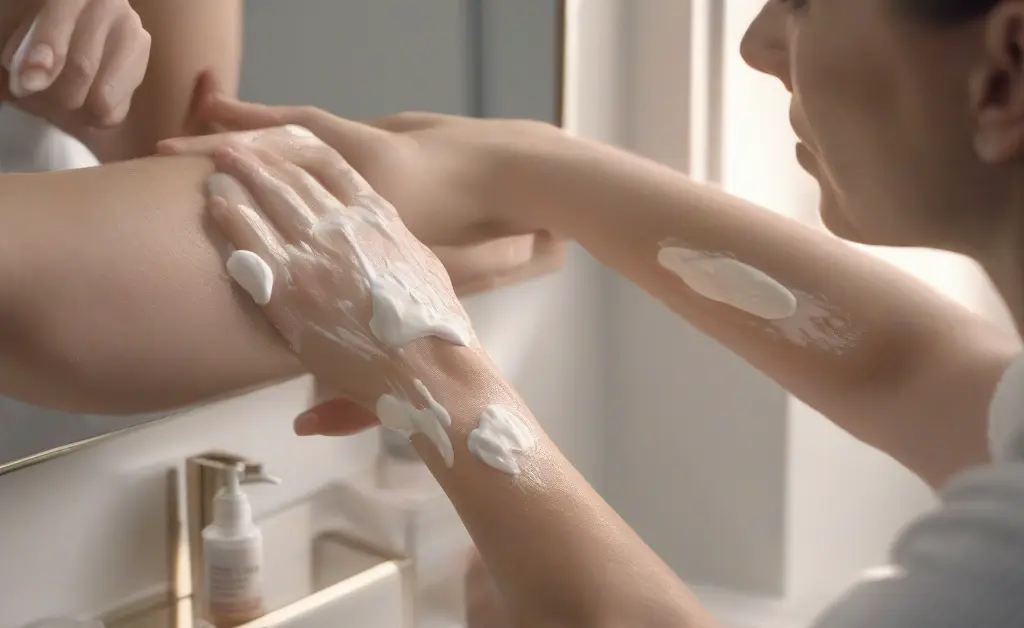
While reishi mushroom is generally regarded as safe, it is important to consider individual sensitivities and product quality when incorporating it into hair care. Users should select products from reputable sources that provide clear ingredient information and adhere to good manufacturing practices. Patch testing topical formulations can help identify potential skin reactions before widespread use. Additionally, those with pre-existing health conditions or who are pregnant should consult healthcare professionals before starting oral supplementation, as reishi’s bioactive compounds may interact with certain medications or health states.
Signs of Allergic Reactions to Reishi Mushroom on Scalp
Although rare, allergic reactions to reishi mushroom applied topically can occur. Symptoms may include redness, itching, swelling, or rash localized to the area of application. If such signs develop, discontinuing use promptly is advisable. Severe reactions are uncommon, but persistent irritation should prompt consultation with a healthcare provider. Sensitivity testing prior to first-time use can reduce the risk of adverse effects, especially for individuals with a history of allergies or sensitive skin.
Scientific Insights into Reishi Mushroom Benefits for Hair
Differences Between Reishi Mushroom Extracts for Hair Use
Various extraction methods yield different concentrations and profiles of bioactive compounds from reishi mushrooms, influencing their efficacy in hair care applications. Water-based extracts tend to be rich in polysaccharides, which are beneficial for immune modulation and moisturizing effects, while alcohol-based extracts often contain higher levels of triterpenes associated with anti-inflammatory activity. Selecting the appropriate extract depends on the desired hair care outcome, whether targeting scalp inflammation, oxidative stress, or follicle nourishment. Scientific studies continue to investigate how these different extracts perform in stimulating hair growth and improving scalp health.
Comparing Reishi Mushroom with Other Natural Hair Care Ingredients
Combining Reishi Mushroom with Other Herbs for Hair Benefits
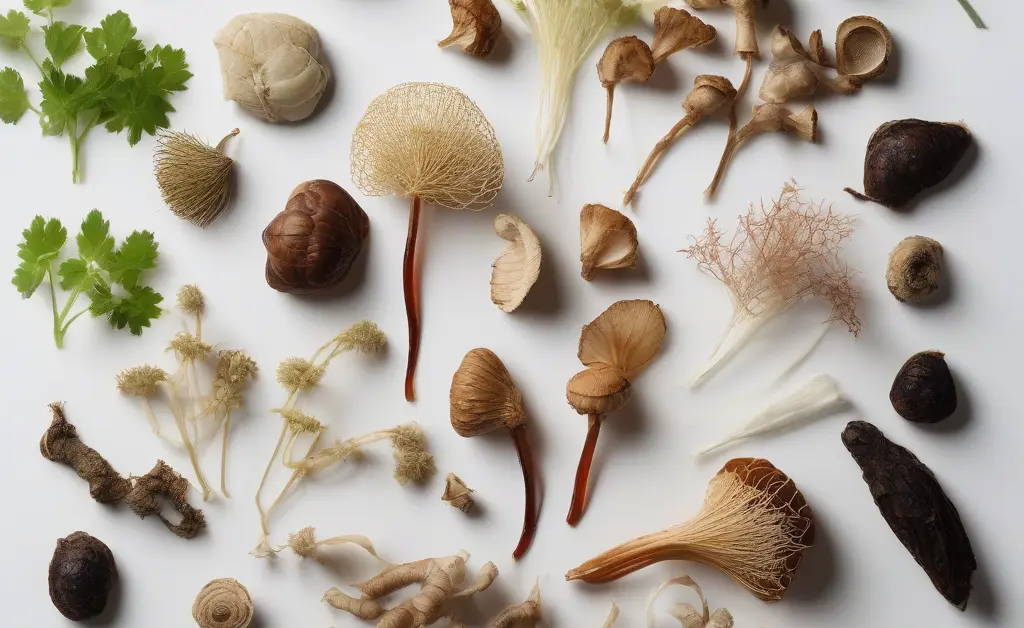
Reishi mushroom is frequently combined with other botanicals known for their hair-enhancing properties to create synergistic formulations. Herbs such as ginseng, nettle, and horsetail provide complementary benefits, including improved blood flow, mineral supplementation, and strengthening of hair structure. These combinations can amplify the overall effect on hair growth support and scalp health by addressing multiple underlying mechanisms simultaneously. Natural hair care regimens that incorporate such herbal blends alongside reishi may offer a more comprehensive approach to managing hair thinning and promoting hair vitality.
In summary, reishi mushroom benefits for hair are multifaceted, involving anti-inflammatory, antioxidant, and circulatory support mechanisms that contribute to healthier hair growth and reduced hair loss. Its versatility in topical and oral forms allows for personalized integration into hair care routines. Coupled with other natural ingredients, reishi mushroom represents a promising option for individuals seeking to enhance their hair health through natural remedies.
Disclaimer: This article is intended for informational purposes only and does not constitute medical advice. The effects of reishi mushroom on hair health may vary among individuals. Before using any new supplement or topical product, consulting with a qualified healthcare professional is recommended, especially for those with pre-existing conditions or who are pregnant or breastfeeding. Always follow product instructions and monitor for any adverse reactions.
FAQ
— What are the main benefits of reishi mushroom for hair?
Reishi mushroom benefits for hair are often associated with its potential to support scalp health and reduce inflammation. It contains compounds that might promote a healthier environment for hair follicles. Additionally, its antioxidant properties are traditionally referenced for protecting hair from environmental stressors.
— How does reishi mushroom reduce scalp inflammation?
Reishi mushroom contains bioactive compounds that may help modulate the immune response and soothe irritated skin. These properties can potentially alleviate redness and discomfort on the scalp. This calming effect is thought to create a more balanced scalp condition conducive to hair maintenance.
— Can reishi mushroom help with hair growth?
There is some interest in how reishi mushroom might influence hair growth by improving scalp circulation and reducing oxidative stress. While not conclusively proven, it is often discussed in holistic circles for its supportive role in nurturing hair follicles. More research is needed to firmly establish this connection.
— What is the best way to apply reishi mushroom for hair health?
Reishi mushroom is commonly used in topical formulations such as shampoos, conditioners, or scalp serums. Extracts can be incorporated into hair care routines to maximize contact with the scalp. Some people also explore homemade infusions, but commercial products tend to offer more consistent concentrations.
— Are there any side effects of using reishi mushroom on hair?
Topical use of reishi mushroom is generally considered safe for most individuals, but some might experience mild irritation or allergic reactions. It is advisable to perform a patch test before widespread application. Consulting a dermatologist can provide personalized advice if concerns arise.
— How long does it take to see results from reishi mushroom for hair?
Visible changes may vary significantly depending on individual scalp condition and hair type. Some users report subtle improvements in scalp comfort within a short period, while noticeable hair benefits might take longer to manifest. Patience and consistent use are often emphasized in traditional practices.
— Is reishi mushroom suitable for all hair types?
Reishi mushroom is regarded as broadly compatible with various hair types due to its gentle, natural properties. However, those with sensitive scalp conditions should monitor their response carefully. Its versatility makes it a popular ingredient across diverse hair care formulations.
— Can reishi mushroom be combined with other hair care treatments?
Yes, reishi mushroom is often integrated with other botanical extracts and hair care ingredients to enhance overall efficacy. Combining it with moisturizing agents or scalp tonics may provide complementary effects. Nonetheless, it is important to consider potential interactions when mixing multiple products.







