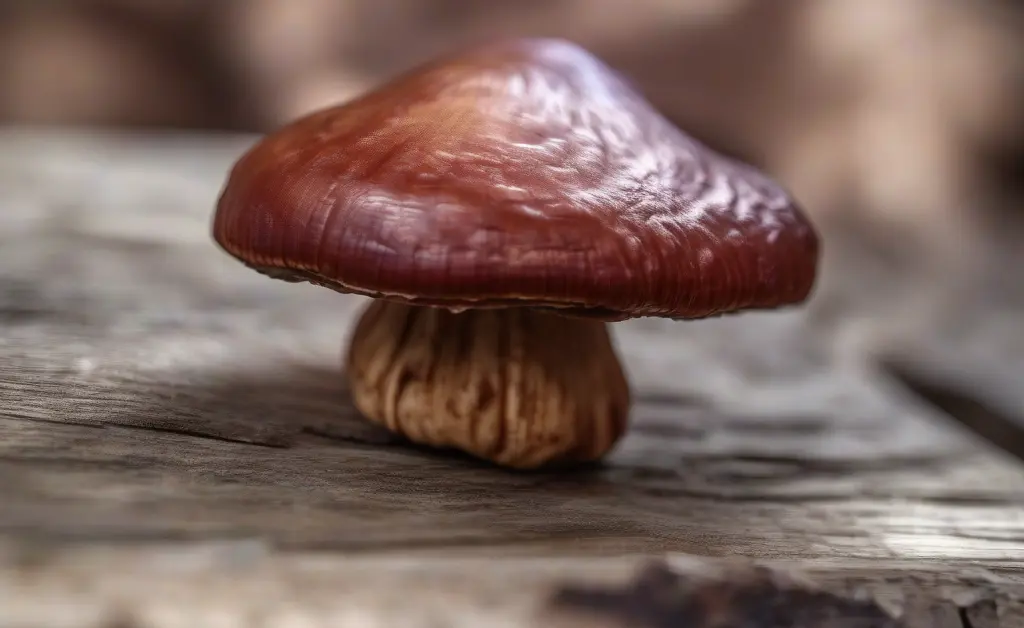
Reishi mushroom has been revered in traditional medicine for centuries, particularly for its potential to support liver health. As the liver plays a crucial role in detoxification and overall metabolic function, maintaining its health is essential. Recent scientific investigations have begun to explore how reishi mushroom’s unique bioactive compounds interact with liver cells, potentially offering antioxidant benefits and aiding in detoxification processes. However, alongside these promising effects, concerns have also been raised about possible risks and adverse reactions related to its use. This article delves into the current understanding of reishi mushroom for liver, examining both its therapeutic potential and safety profile to help readers make informed decisions about its use in liver health management.
Reishi Mushroom for Liver Health: Benefits and Uses
Bioactive Compounds in Reishi Mushroom Relevant to Liver Health
Reishi mushroom, also known as Ganoderma lucidum or Lingzhi, contains a rich array of bioactive compounds that contribute to its potential effects on liver health. Key constituents include triterpenoids and polysaccharides, which have been extensively studied for their pharmacological properties. Triterpenoids are known to possess anti-inflammatory and hepatoprotective effects, potentially modulating liver enzyme activity and reducing oxidative stress within hepatic cells. Polysaccharides found in reishi mushrooms are recognized for their immunomodulatory capabilities, which may help balance immune responses involved in liver inflammation and injury. These phytochemicals work synergistically to support liver function by enhancing antioxidant defenses, promoting liver cell regeneration, and modulating cytokine production. The complex mixture of these compounds distinguishes reishi mushroom as a multifaceted nutraceutical in the context of liver health. For more detailed information on the overall advantages, see reishi mushroom benefits.
Antioxidant Properties of Reishi Mushroom Affecting Liver Cells
Oxidative stress is a significant contributor to liver damage and the progression of various hepatic disorders. Reishi mushroom exhibits potent antioxidant properties largely attributed to its triterpenoids and phenolic compounds. These antioxidants can scavenge reactive oxygen species (ROS) and reduce oxidative damage to hepatocytes, the primary functional cells of the liver. By mitigating oxidative stress, reishi mushroom may help preserve the structural integrity of liver tissue and prevent cellular apoptosis linked to chronic liver conditions. Additionally, its antioxidant effects may support the liver’s natural detoxification pathways, thus reducing the burden of toxic compounds. These properties are especially important in conditions characterized by excessive oxidative damage, such as fatty liver disease and liver fibrosis.
Reishi Mushroom’s Role in Liver Detoxification Processes
The liver’s role in detoxification involves metabolizing and eliminating endogenous and exogenous toxins through enzymatic pathways. Reishi mushroom has been traditionally used to enhance these detoxification functions. Research suggests that some bioactive compounds in reishi may stimulate hepatic phase I and phase II detoxification enzymes, facilitating the biotransformation and excretion of harmful substances. Moreover, reishi’s anti-inflammatory and immunomodulating effects can help reduce liver inflammation that often accompanies toxic insults, thereby supporting optimal detoxification processes. While these effects are promising, it is important to recognize that individual responses to reishi mushroom can vary due to differences in preparation, dosage, and the presence of other underlying liver conditions.
Reishi Mushroom for Fatty Liver and Liver Support
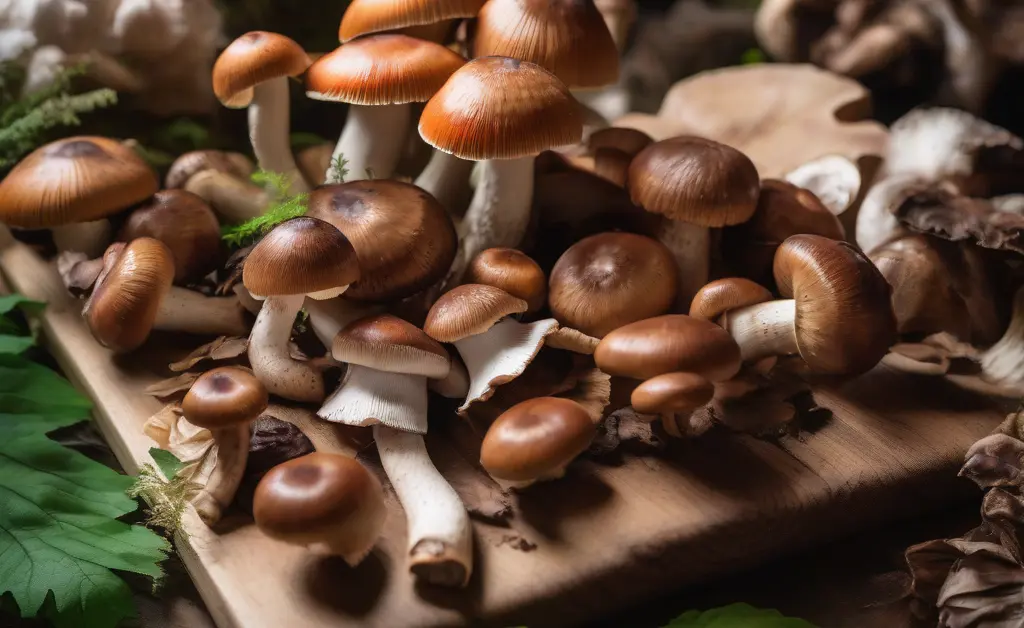
Potential Protective Effects of Reishi Mushroom Against Liver Stress
Fatty liver disease, characterized by excessive fat accumulation in liver cells, is often associated with oxidative stress and inflammation. Reishi mushroom is commonly studied for its adaptogenic and hepatoprotective properties that may counteract these stressors. Its bioactive compounds appear to reduce markers of liver stress by decreasing lipid peroxidation and regulating inflammatory cytokines within the hepatic environment. This protective effect may help prevent progression from simple fatty liver to more severe liver injury such as steatohepatitis or fibrosis. Additionally, reishi’s immunomodulatory actions may assist in maintaining a balanced immune response, which is crucial in mitigating chronic liver inflammation and supporting overall liver resilience. Research on reishi mushroom for hirsutism also sheds light on its broader immunomodulatory capabilities.
Animal Studies on Reishi Mushroom and Liver Function
Preclinical animal studies have provided valuable insights into the effects of reishi mushroom on liver function. Various rodent models of liver injury and fatty liver disease have demonstrated that reishi supplementation can lead to improvements in liver histology, reductions in liver enzyme elevations, and attenuation of fibrosis markers. These studies often highlight reductions in oxidative stress and inflammatory mediators following reishi administration. However, it is essential to interpret these findings with caution, as results may not fully translate to humans due to differences in metabolism and experimental conditions. Nevertheless, animal research continues to support the investigation of reishi mushroom as a promising hepatoprotective agent deserving of further clinical exploration.
Risks, Toxicity, and Safety of Reishi Mushroom in Liver Conditions
Immune-Mediated Liver Damage Potential
Despite its potential benefits, reishi mushroom has been implicated in some cases of immune-mediated liver damage. Certain compounds within reishi may trigger an exaggerated immune response in susceptible individuals, leading to liver inflammation or hepatotoxicity. This immunological reaction can resemble drug-induced liver injury (DILI), characterized by elevated liver enzymes and symptoms of liver dysfunction. The risk appears to be associated more frequently with concentrated extracts or long-term use rather than whole mushroom preparations. Understanding individual variability in immune response and preexisting liver conditions is critical when considering reishi mushroom supplementation. Monitoring for signs of liver inflammation and consulting healthcare providers is advisable, especially for those with compromised liver health or autoimmune predispositions.
Reported Cases and Symptoms of Liver Injury Linked to Reishi Mushroom
There have been documented reports of liver injury temporally associated with reishi mushroom intake. Symptoms in these cases often include jaundice, fatigue, nausea, and abnormal liver function tests indicative of hepatocellular damage. While such cases are relatively rare, they highlight the importance of awareness regarding possible adverse effects. In some instances, liver injury symptoms resolved upon discontinuation of reishi, suggesting a reversible or idiosyncratic reaction. These reports underscore the need for careful evaluation of product quality, dosing, and individual susceptibility. Consumers should also be wary of herbal supplement safety, as variability in reishi mushroom preparations may contribute to inconsistent risk profiles.
Mechanisms and Clinical Evidence of Reishi Mushroom-Induced Liver Effects

Effects of Reishi Mushroom on Liver Enzymes
Liver enzymes such as alanine aminotransferase (ALT) and aspartate aminotransferase (AST) serve as clinical indicators of liver cell integrity. Studies investigating reishi mushroom’s impact on liver enzymes have shown mixed results. Some clinical trials and observational studies report stable or reduced enzyme levels, consistent with hepatoprotective effects. Conversely, isolated case reports indicate that reishi extracts may cause transient elevations in liver enzymes, signaling potential hepatic stress or injury. The mechanisms behind these elevations may involve immune-mediated inflammation or direct hepatotoxicity from certain bioactive constituents. The variability in enzyme response emphasizes the complexity of reishi’s interactions with hepatic metabolism and the importance of individualized monitoring during use. Clinical studies on reishi mushroom benefits for menopause show similar considerations of bioactive component effects on metabolism.
Interactions Between Reishi Mushroom and Liver Metabolism
Reishi mushroom’s influence on liver metabolism extends beyond direct cellular effects to include interactions with drug-metabolizing enzymes in the liver. It has been suggested that reishi compounds may modulate cytochrome P450 enzyme activity, which plays a critical role in the metabolism of many pharmaceuticals. Such modulation could potentially alter the clearance or bioavailability of concomitant medications, thereby impacting therapeutic outcomes or increasing the risk of adverse effects. Furthermore, reishi’s immunomodulatory properties might influence metabolic pathways involved in liver regeneration and detoxification. Understanding these pharmacological interactions is vital for those using reishi mushroom alongside other treatments, highlighting the need for medical consultation and monitoring of liver function tests. For men concerned with such metabolic interactions, see reishi mushroom benefits for men.
Dosage Guidelines and Recommendations for Safe Use of Reishi Mushroom
Dosage guidelines for reishi mushroom can vary widely depending on the form of the product—whether whole mushroom, powdered extract, or concentrated tincture—and the intended use. Traditional practices often employ whole mushroom preparations in specific contexts, while modern supplements provide standardized extracts with variable concentrations of bioactive compounds. Because of this variability, labeling practices and product quality can significantly affect the effective dose and safety margin. Consumers should be aware that higher concentrations do not necessarily equate to greater efficacy and may increase the risk of adverse reactions. Safe use generally involves careful product selection, attention to manufacturer instructions, and consultation with healthcare professionals, particularly when underlying liver conditions exist or when other medications are being used concurrently.
Traditional and Cultural Perspectives on Reishi Mushroom and Liver Health
Traditional Uses of Reishi Mushroom in Liver Support
In traditional Chinese medicine (TCM) and other Eastern healing systems, reishi mushroom has been valued as a potent adaptogen and tonic herb for promoting longevity and vitality. It has been traditionally used to support liver function and overall detoxification, often incorporated into herbal formulations aimed at harmonizing liver qi and strengthening hepatic resilience. These practices emphasize the mushroom’s role in balancing the immune system and reducing inflammation, aligning with its contemporary pharmacological profile. Cultural perspectives also highlight the importance of the mushroom’s preparation method, dosage, and combination with other herbs, reflecting a holistic approach to liver health. Such traditional knowledge continues to guide modern research and clinical application of reishi mushroom as a complementary liver-supportive agent.
Comparative Analysis of Reishi Mushroom with Other Liver-Supportive Herbs

Comparative Effects of Reishi Mushroom Extracts Versus Whole Mushroom
There is a notable distinction between reishi mushroom extracts and whole mushroom preparations in terms of bioactive compound concentration and therapeutic effects. Extracts often contain concentrated triterpenoids and polysaccharides, which may provide more pronounced antioxidant and immunomodulatory actions. However, whole mushrooms offer a broader spectrum of phytochemicals that may work synergistically to support liver health. Some studies suggest that whole mushroom intake may result in a more balanced and gentle effect on liver metabolism, whereas extracts could deliver stronger but potentially more variable outcomes. This comparative understanding is essential for tailoring liver-supportive interventions and minimizing risks related to toxicity or immune reactions.
Variability in Reishi Mushroom Preparations and Impact on Liver
The impact of reishi mushroom on liver health can be influenced significantly by the variability in its preparations. Factors such as cultivation conditions, harvesting time, extraction methods, and formulation contribute to the chemical profile and potency of the final product. This variability affects not only efficacy but also safety, as differences in concentrations of toxic compounds or allergens may alter the risk of liver toxicity or immune-mediated damage. Consumers and clinicians should recognize that not all reishi products are equivalent, and consistent quality control is critical. Awareness of product origin, certification, and third-party testing may help mitigate potential adverse effects and ensure a safer experience for liver health support. For authoritative health information on liver safety, consult NIH.
In summary, reishi mushroom offers a multifaceted profile of bioactive compounds that may contribute to liver health through antioxidant, anti-inflammatory, and immunomodulatory mechanisms. Its traditional use and emerging scientific evidence suggest potential benefits for liver detoxification and protection against liver stress, including fatty liver conditions. However, there are documented risks of immune-mediated liver damage and hepatotoxicity, especially with concentrated extracts or improper use. Careful consideration of dosage, product quality, and individual health status is essential. The complex interplay between reishi mushroom and liver metabolism underscores the importance of monitoring and medical consultation when incorporating this medicinal mushroom into liver health regimens.
Disclaimer: This article is intended for informational purposes only and does not provide medical advice. The effects of reishi mushroom on liver health are subject to ongoing research, and individual responses may vary. It is important to consult with a qualified healthcare professional before starting any new supplement, particularly if you have existing liver conditions or are taking medications. Use of reishi mushroom should be approached with caution and awareness of potential risks and interactions.
FAQ
— Can reishi mushroom cause liver damage?
Reishi mushroom is generally considered safe, but there have been rare reports suggesting potential liver issues in sensitive individuals. These cases are not common and often involve excessive or prolonged use. It is important to approach its consumption cautiously, particularly if preexisting liver concerns exist.
— Is reishi mushroom safe for people with liver disease?
People with liver disease should consult healthcare professionals before using reishi mushroom, as its effects can vary depending on the condition and severity. While traditionally referenced for supportive health, individual responses can differ significantly. Monitoring by a medical expert is advisable in such cases.
— How does reishi mushroom affect liver function?
Reishi mushroom for liver health is often discussed due to its potential antioxidant and anti-inflammatory properties, which may support liver function in certain contexts. However, the exact mechanisms and effects are still under investigation, and results can vary among individuals. More research is needed to establish definitive benefits.
— Are there any clinical studies on reishi mushroom and liver health?
Some clinical studies have explored the properties of reishi mushroom related to liver health, focusing on its bioactive compounds and their influence on liver enzymes and oxidative stress. While findings suggest possible supportive roles, comprehensive and large-scale trials remain limited. The evidence is promising but not yet conclusive.
— What are the potential side effects of reishi mushroom on the liver?
Potential side effects linked to reishi mushroom may include mild digestive discomfort or allergic reactions, but liver-specific adverse effects are uncommon. Nonetheless, there have been isolated reports of liver enzyme abnormalities, typically in cases of high intake or long-term use. Caution and professional guidance are recommended.
— How long does it take for reishi mushroom to affect liver health?
The timeframe for any impact of reishi mushroom on liver health is not well-defined and can depend on individual factors such as metabolism and overall health status. Effects, if any, are likely gradual and subtle rather than immediate. Ongoing research aims to clarify these timelines more precisely.
— Can reishi mushroom interact with medications affecting the liver?
Reishi mushroom may interact with certain medications metabolized by the liver, potentially altering their effectiveness or side effects. Individuals taking drugs that influence liver enzymes should discuss reishi use with their healthcare provider to avoid unintended interactions. Vigilance is key when combining supplements with prescription treatments.