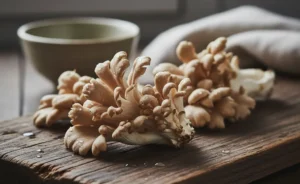
Reishi mushroom has been recognized for its potential health benefits across various cultures, often praised for its immune-boosting and stress-relieving properties. However, its use during pregnancy raises important questions regarding safety and efficacy. Expectant mothers must carefully consider how natural supplements might affect both their health and that of their developing baby. This article explores the implications of consuming reishi mushroom during pregnancy, examining its nutritional value, traditional uses, and current medical perspectives. By understanding both the potential advantages and risks, pregnant individuals can make informed decisions about incorporating this herbal supplement into their prenatal care routine.
Benefits of Reishi Mushroom During Pregnancy
Nutritional Components of Reishi Mushroom Relevant to Pregnancy
Reishi mushrooms contain a variety of bioactive compounds such as polysaccharides, triterpenoids, peptides, and antioxidants. These elements are often associated with immune modulation and anti-inflammatory effects, which can be particularly relevant during pregnancy when the immune system undergoes significant changes. The presence of natural antioxidants in reishi mushroom may contribute to reducing oxidative stress, a factor that some studies suggest can impact pregnancy health. While reishi is not a traditional source of macronutrients, its unique phytochemicals position it as a potential natural supplement to support maternal health. However, it is important to note that the bioavailability and effects of these components during pregnancy have not been extensively studied. More information can be found about the general reishi mushroom benefits.
Traditional Beliefs About Reishi Mushroom and Pregnancy
In traditional medicine systems, especially within East Asian cultures, reishi mushroom has been revered as a tonic for longevity and vitality. Historically, it has been used to promote overall wellness and adaptogenic support, which includes stress relief and immune support. Some traditional practices have recommended reishi for pregnant women to help maintain balance and reduce fatigue, although these uses are largely anecdotal and passed down through generations. Despite these long-standing beliefs, modern usage during pregnancy is less common and approached with caution due to the lack of rigorous clinical evidence supporting safety and efficacy in this population.
Impact of Reishi Mushroom on Pregnancy-Related Conditions
Reishi mushroom is commonly studied for its potential to influence immune function and inflammation, factors that can play roles in conditions such as gestational diabetes, hypertension, and general pregnancy-related fatigue. Some proponents suggest that reishi’s adaptogenic properties may help alleviate stress and promote better sleep, which are beneficial during pregnancy. However, scientific data specifically evaluating reishi’s impact on these pregnancy-related conditions remain limited. Pregnant individuals considering reishi for these purposes should weigh traditional uses against the current lack of conclusive research.
Safety Concerns and Risks of Reishi Mushroom During Pregnancy
Possible Risks and Side Effects
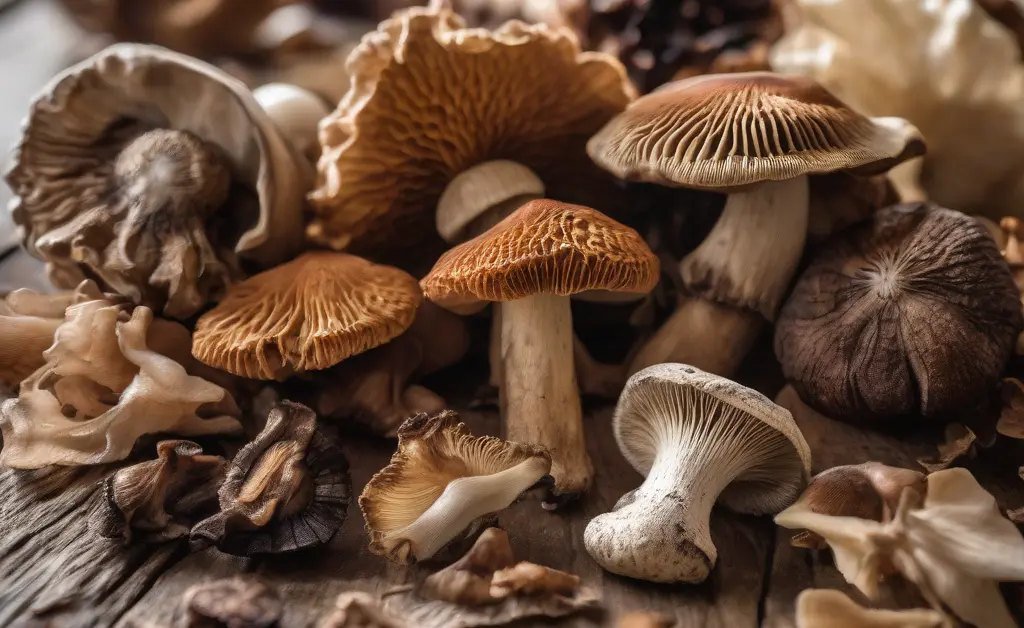
While reishi mushroom is generally regarded as safe in the general adult population, its safety profile during pregnancy is not well established. Potential side effects reported in non-pregnant users include gastrointestinal discomfort, allergic reactions, and interactions affecting blood clotting. Given pregnancy’s delicate physiological state, these effects could carry greater concern. Additionally, reishi contains compounds that may act as blood thinners, which could theoretically increase bleeding risk during pregnancy or delivery. The absence of comprehensive safety studies means that potential risks cannot be fully ruled out, reinforcing the need for caution.
Interactions with Pregnancy Medications
Reishi mushroom may interact with certain medications often prescribed during pregnancy, such as anticoagulants or immunosuppressants. These interactions could alter the effectiveness of medications or increase side effects. Since pregnant individuals may be managing pregnancy-related conditions with pharmaceutical treatments, the combination of reishi supplements with such medications requires careful consideration. Healthcare providers typically recommend disclosing all supplement use to monitor for possible interactions and adjust care plans accordingly. Reliable sources like NIH provide valuable information on medication and supplement interactions.
Monitoring Symptoms When Using Reishi Mushroom During Pregnancy
If a pregnant individual chooses to use reishi mushroom supplements, vigilant monitoring of any new or unusual symptoms is essential. This includes watching for signs of allergic reactions, gastrointestinal upset, changes in bleeding patterns, or other unexpected effects. Keeping a detailed record and communicating promptly with healthcare providers can help ensure that any adverse events are addressed promptly. Given the limited clinical data, symptom monitoring serves as a key component of responsible supplement use during pregnancy.
Reishi Mushroom Use During Different Pregnancy Trimesters
Reishi Mushroom Tea During Pregnancy
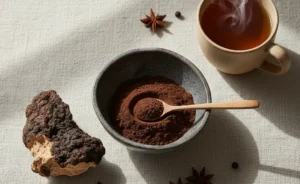
Reishi mushroom tea is one of the more traditional and gentle forms of consumption. Brewing the dried mushroom into a tea allows for a mild extraction of its active compounds. During pregnancy, some may prefer this form due to its perceived lower potency compared to concentrated extracts or capsules. However, the safety and effects of reishi tea specifically during each trimester have not been clearly defined. The body’s sensitivity and metabolic changes vary across trimesters, which may influence how reishi compounds are processed and tolerated.
Preparation Methods of Reishi Mushroom for Pregnant Women
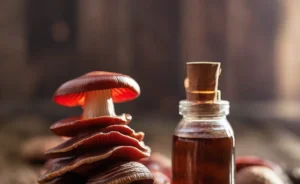
Preparation methods for reishi mushroom include drying, powdering, decoction, and extraction into tinctures or capsules. Pregnant individuals often seek the least processed forms, such as teas or dried slices, to reduce exposure to concentrated compounds. Proper preparation can also affect the bioavailability of beneficial constituents and minimize potential contaminants. It is important for pregnant consumers to source reishi products from reputable suppliers to avoid adulteration and ensure quality. Traditional preparation techniques emphasize slow simmering to extract triterpenoids and polysaccharides, but how these methods translate to safety in pregnancy remains under-researched.
Medical Advice and Recommendations on Reishi Mushroom During Pregnancy

Consulting Healthcare Providers
Given the complexities and unknowns surrounding reishi mushroom use in pregnancy, consulting healthcare providers is strongly advised. Providers familiar with pregnancy health can offer individualized guidance based on medical history, current medications, and pregnancy status. They can help assess potential benefits against risks and monitor for any adverse effects if reishi is used. Open communication ensures that supplement use is integrated safely into prenatal care, aligning with evidence-based practices and pregnancy health guidelines.
Alternatives to Reishi Mushroom for Pregnancy Wellness
For those seeking natural approaches to support pregnancy wellness, there are alternative herbal supplements and nutritional strategies with more established safety profiles. Common options include ginger for nausea, chamomile for relaxation, and prenatal vitamins designed to meet increased nutritional needs. Additionally, other medicinal mushrooms like shiitake and cordyceps are sometimes explored for immune support, though they also require careful consideration in pregnancy. Ultimately, alternatives should be evaluated for their evidence base and safety, ideally under healthcare supervision. More about reishi mushroom’s benefits related to menopause can be found at reishi mushroom benefits for menopause.
Potential Effects of Reishi Mushroom on Fetal Development
Scientific Studies on Reishi Mushroom Use in Pregnancy
Scientific research specifically addressing the effects of reishi mushroom on fetal development is sparse. Most studies focus on adult immune modulation or chronic disease models rather than pregnancy outcomes. Animal studies provide limited insights but do not offer definitive conclusions applicable to humans. The lack of controlled clinical trials and longitudinal data means that the impact of reishi on fetal growth, organ development, or long-term child health remains largely unknown. This uncertainty underscores the need for caution and professional guidance when considering reishi mushroom during pregnancy.
Guidelines for Herbal Supplement Use Including Reishi Mushroom During Pregnancy
Legal and Regulatory Status of Reishi Mushroom Supplements
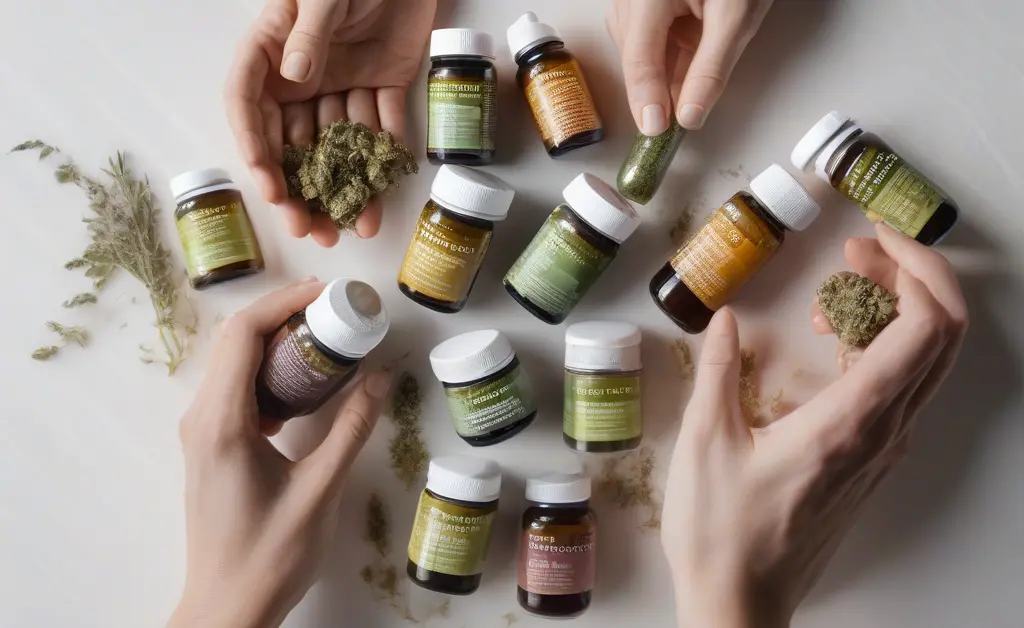
Reishi mushroom supplements are generally categorized as dietary supplements and are subject to varying regulatory standards across different countries. In many regions, these products are not tightly regulated for safety or efficacy, resulting in variability in quality and labeling accuracy. During pregnancy, regulatory agencies often emphasize caution and recommend consulting healthcare providers before using any herbal supplements. Clear legal frameworks for reishi mushroom use in pregnancy are lacking, contributing to the ambiguity around its safety. Consumers are encouraged to choose products from reputable manufacturers who adhere to good manufacturing practices to reduce potential risks. For information on the benefits of reishi mushroom for skin, see reishi mushroom benefits for skin.
Deciding whether to use reishi mushroom during pregnancy involves careful consideration of available information, traditional context, and medical advice. While reishi offers promising properties such as immune support and antioxidant effects, the current lack of comprehensive scientific evidence and specific pregnancy safety data means that many healthcare providers approach its use with caution. Pregnant individuals should prioritize communication with healthcare professionals and remain informed about the potential benefits and risks of reishi mushroom as part of their pregnancy wellness strategy.
Disclaimer: This article is intended for informational purposes only and does not constitute medical advice. The safety and efficacy of reishi mushroom during pregnancy have not been fully established, and individual circumstances vary. Always consult a qualified healthcare provider before starting any new supplement, especially during pregnancy. The information provided here should not replace professional medical evaluation or treatment.
For a specific focus on eye health, reishi mushroom’s positive effects are discussed in detail at reishi mushroom benefits for eyes.
FAQ
— Is it safe to take reishi mushroom supplements while pregnant?
The safety of reishi mushroom during pregnancy is not well-established due to limited research. Many healthcare professionals advise caution or avoidance because its effects on pregnancy have not been thoroughly studied.
— What are the risks of using reishi mushroom during pregnancy?
Potential risks may include allergic reactions or interactions with medications, though concrete evidence is scarce. Some concerns arise from its immune-modulating properties, which could theoretically influence pregnancy, but definitive risks remain unclear.
— Can reishi mushroom cause complications for pregnant women?
There are no definitive studies confirming that reishi mushroom causes complications, but the lack of comprehensive research means possible adverse effects cannot be ruled out. Pregnant women are generally encouraged to avoid substances without confirmed safety profiles.
— Are there any benefits to using reishi mushroom when pregnant?
Reishi mushroom is traditionally referenced for its immune-supporting and stress-relieving qualities, but these benefits are mostly documented outside of pregnancy contexts. Any potential advantages during pregnancy should be weighed carefully against unknown risks.
— What do doctors say about reishi mushroom use in pregnancy?
Many healthcare providers recommend erring on the side of caution and typically do not endorse the use of reishi mushroom supplements while pregnant. Professional advice generally stresses the importance of consulting with a medical expert before adding any herbal supplement during this time.
— How does reishi mushroom affect fetal development?
Current scientific data on how reishi mushroom impacts fetal development is insufficient, making it difficult to draw any firm conclusions. Due to this uncertainty, it is often suggested that pregnant women avoid its use to minimize potential harm.
— Are there safer herbal alternatives to reishi mushroom during pregnancy?
Certain herbal remedies with a more established safety record in pregnancy may be considered safer alternatives. However, any herbal product should be evaluated individually and discussed with a healthcare provider to ensure it does not pose risks to mother or baby.