

Finding the appropriate amount of reishi mushroom to incorporate into your wellness routine can be a nuanced process, especially when targeting specific benefits like improved sleep and reduced anxiety. The effectiveness of reishi mushroom varies based on factors such as the form consumed, individual health conditions, and the quality of the product. Establishing the right reishi mushroom dosage ensures you gain its therapeutic effects without experiencing adverse reactions. This guide delves into the recommended dosages for various forms, timing considerations, and safety measures to help you make informed decisions tailored to your needs.
Recommended Reishi Mushroom Dosage
Typical Adult Dosage Range
Adult dosages of reishi mushroom can vary widely depending on the intended use and the form of the supplement. Traditional practices and modern herbal supplementation often suggest a flexible range rather than a fixed amount, as individual responses may differ. The dosage typically considers the concentration of active compounds like polysaccharides and triterpenes, which contribute to its reputed benefits. It is important to note that these ranges are guidelines derived from historical use and contemporary studies, emphasizing the importance of selecting a dose that aligns with personal health goals and tolerance.
Dosage for Different Forms (Extracts, Powders, Capsules)
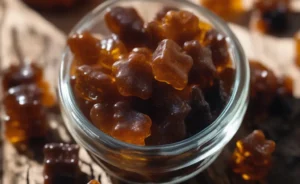
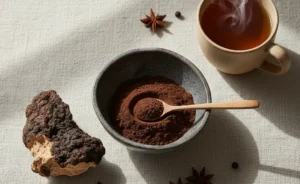
Reishi mushroom is available in multiple supplement forms, including extracts, powders, and capsules, each with unique characteristics influencing dosage considerations. Extracts tend to be more concentrated, offering higher levels of bioactive compounds in smaller quantities, whereas powders provide a more whole-food experience with less concentrated potency. Capsules offer convenience and standardized dosing but may vary in composition depending on the manufacturer. Understanding the form you are using helps in approximating an appropriate intake level, as extract potency and bioavailability can differ substantially from raw powders or capsule blends. For more details on the powder form, consider exploring reishi mushroom powder.
Reishi Mushroom Dosage for Sleep and Anxiety

Dosage Frequency and Timing
When using reishi mushroom to support sleep and alleviate anxiety, timing and frequency can influence its effectiveness. Some traditional approaches suggest taking the supplement in divided doses throughout the day to maintain steady levels of active compounds, while others favor a single dose in the evening to align with its calming properties. The onset and duration of reishi mushroom’s effects may vary among individuals, making it important to observe personal responses to different timing strategies. Establishing a consistent routine can enhance the potential benefits related to relaxation and sleep quality. There is specialized information available about reishi mushroom for anxiety that may help tailor your timing and dosage.
Guidelines for Taking Reishi Mushroom
How to Measure Dosage
Measuring the correct dosage of reishi mushroom involves understanding the product labeling and the form of the supplement. Extracts often specify the amount of standardized active ingredients, while powders and capsules may list the total mushroom content without differentiation of bioactive compounds. Utilizing measuring tools like scoops or scales can aid in consistent dosing, particularly with powders. Consumers are encouraged to rely on reputable sources and clear labeling to ensure accurate intake, as variability between products can be significant.
Adjusting Dosage Based on Response
Adjustments in reishi mushroom dosage are commonly made according to individual tolerance and the desired effects. Some users may find that lower doses provide sufficient support, while others might benefit from gradually increasing intake under guidance. Monitoring for any changes in sleep quality, anxiety levels, or side effects can inform whether to maintain, reduce, or cautiously increase the dosage. This personalized approach helps in optimizing benefits while minimizing potential adverse reactions. For those interested in convenient supplement options, reishi mushroom supplement products may offer standardized dosing to assist with adjustments.
Dosage Considerations for Different Age Groups
Age can influence how the body metabolizes and responds to reishi mushroom supplements. While adults generally follow the typical dosage guidelines, older individuals or younger adults may require different considerations due to variations in metabolism, overall health, and sensitivity to herbal supplements. It is advisable to approach dosing with heightened awareness in these groups, potentially starting with lower amounts and observing effects before making adjustments.
Factors Influencing Reishi Mushroom Dosage
Differences in Dosage by Reishi Mushroom Quality
The quality of reishi mushroom products greatly affects dosage decisions. Higher-grade supplements with verified concentrations of active ingredients might require lower dosages to achieve similar effects compared to lower-quality or adulterated products. Quality factors include sourcing, cultivation methods, extraction processes, and the presence of contaminants. Consumers should seek products with transparent quality certifications to ensure reliability and potency.
Effects of Preparation Methods on Dosage
Preparation methods, such as hot water extraction or alcohol tincturing, influence the availability and concentration of beneficial compounds in reishi mushroom supplements. Hot water extractions typically yield polysaccharides, while alcohol-based extracts favor triterpenes. These differences can dictate the recommended dosage, as certain preparations may be more potent or bioavailable. Awareness of the preparation technique helps users select a dosage that aligns with the specific health benefits they seek. A practical example includes using a reishi mushroom drink prepared by hot water extraction.
Combining Reishi Mushroom with Other Supplements
When reishi mushroom is taken alongside other herbal supplements or medications, interactions may affect its efficacy and safety. Some combinations can enhance synergistic effects, while others might increase the risk of adverse reactions. It is important to consider these interactions and adjust dosages accordingly, often under the supervision of a healthcare professional. This cautious approach ensures that the combined supplementation regimen supports overall wellness without unintended consequences. The European Food Safety Authority provides valuable guidance on supplement interactions and safety, accessible via EFSA.
Safety Considerations for Reishi Mushroom Dosage
Duration of Use and Dosage Adjustments
Extended use of reishi mushroom supplements should be approached with attention to dosage adjustments and monitoring. Some traditional practices endorse cycling usage or periodic breaks to mitigate the risk of tolerance or side effects. Adjusting the dosage over time based on ongoing health status and response is a prudent strategy to maintain safety and effectiveness. Long-term use considerations also involve evaluating any changes in liver function or other health markers associated with herbal supplementation.
Signs of Taking Too Much Reishi Mushroom
While reishi mushroom is generally regarded as safe, excessive intake may lead to side effects that warrant caution. Signs potentially associated with high dosage include digestive discomfort, allergic reactions, or other mild adverse effects. Awareness of these signals allows users to modify their intake promptly. Consulting with healthcare professionals is advisable if unusual symptoms occur, ensuring that reishi mushroom supplementation remains a beneficial and safe component of the wellness routine.
How to Choose the Right Reishi Mushroom Dosage

Tips for Starting Reishi Mushroom Dosage
Starting reishi mushroom supplementation typically involves selecting a conservative dosage informed by product guidelines and individual health considerations. Beginning with a lower amount allows assessment of tolerance and response before any modifications. Factors such as supplement form, intended benefits, and personal health status should guide initial choices. Keeping a journal to track effects can be helpful in determining the optimal dosage over time, supporting a tailored approach that balances efficacy and safety.
Determining the appropriate reishi mushroom dosage is essential for those seeking its benefits related to sleep improvement and anxiety relief. By considering the form of the supplement, individual health factors, and quality of the product, users can better navigate dosing decisions. Thoughtful attention to timing, safety, and personal response ensures that reishi mushroom can be incorporated effectively into a holistic wellness strategy.
Disclaimer: This article is for informational purposes only and does not constitute medical advice. Reishi mushroom supplements should not replace professional medical treatment. Individuals should consult healthcare providers before beginning any new supplement regimen, especially if they have pre-existing conditions or are taking medications. Results and effects may vary among individuals.