Reishi mushroom has garnered attention for its potential role in supporting mental health, particularly in managing anxiety. As anxiety disorders become increasingly prevalent, many individuals seek natural alternatives that may complement conventional treatments. This fungus, long valued in traditional medicine, contains bioactive compounds that could influence the body’s stress response and promote relaxation. Exploring its mechanisms, scientific evidence, and practical applications provides insight into how reishi mushroom for anxiety may serve as a beneficial supplement. Understanding its effects, appropriate usage, and safety considerations is essential for those interested in integrating this natural remedy into their mental wellness routine.
How Reishi Mushroom May Help with Anxiety
Impact on Mood and Stress Levels
Reishi mushroom is often associated with mood enhancement and stress reduction due to its adaptogenic properties. Adaptogens are natural substances that help the body adapt to stress and restore balance. The calming effects attributed to reishi mushroom may support the nervous system by modulating stress hormone levels and promoting relaxation. This modulation of stress response is thought to contribute to improved mood and decreased feelings of anxiety, making reishi mushroom an appealing natural option for those seeking relief from chronic stress and heightened nervous tension.
Active Compounds in Reishi Mushroom Related to Anxiety
The therapeutic potential of reishi mushroom for anxiety is largely linked to its unique bioactive compounds, including triterpenoids, polysaccharides, and peptidoglycans. These constituents exhibit immune modulation and anti-inflammatory effects, which may indirectly support mental well-being by reducing physiological stress markers. Additionally, certain compounds in reishi mushroom are believed to influence neurotransmitter activity, such as serotonin and gamma-aminobutyric acid (GABA), which play crucial roles in regulating mood and anxiety. Understanding the interaction of these active compounds helps explain how reishi mushroom could contribute to calming the mind and alleviating anxiety symptoms.
How Reishi Mushroom May Influence Sleep and Anxiety
Sleep disturbances often accompany anxiety, creating a cycle that exacerbates both conditions. Reishi mushroom has traditionally been used as a sleep aid, offering calming and sedative-like effects that may improve sleep quality. By supporting more restful sleep, reishi mushroom for anxiety could help break the cycle of sleeplessness and anxious thoughts. Its potential to promote relaxation and balance within the nervous system might facilitate easier sleep onset and deeper restorative sleep, which is essential for emotional resilience and stress management.
Traditional Uses of Reishi Mushroom for Mental Well-being
In herbal medicine, reishi mushroom has a long history of use as a tonic for mental and physical health. Traditional practices often highlight its role in enhancing longevity, reducing fatigue, and fostering a calm state of mind. Its historical use as a natural remedy for nervous system support and fatigue relief aligns with contemporary interest in reishi mushroom supplement for anxiety. These traditional applications provide a cultural and historical context that informs modern exploration of its mental health benefits.
Scientific Evidence Supporting Reishi Mushroom for Anxiety

Scientific Studies on Reishi Mushroom and Anxiety Symptoms
Clinical studies on reishi mushroom anxiety have explored its effects on stress reduction and mood improvement, though research is still emerging. Some trials report that reishi mushroom supplementation may help reduce anxiety symptoms by influencing the body’s physiological response to stress. These studies often focus on the mushroom’s adaptogenic properties and its capacity to regulate immune function and inflammation, which are linked to mental health. However, limitations in sample size and study design mean that more rigorous research is needed to confirm these findings and fully understand how reishi mushroom supports relaxation and balance. For more information on research and product quality, resources like the NIH provide valuable scientific insights.
User Experiences and Anecdotal Evidence
Anecdotal evidence from individuals using reishi mushroom for anxiety often describes subjective improvements in calmness, stress relief, and sleep quality. Personal testimonials highlight its potential as a natural supplement for managing mild anxiety and promoting a sense of well-being. While these accounts are valuable for understanding user perspectives, they should be considered complementary to scientific research rather than definitive proof of efficacy. Such experiences can guide interest and further inquiry into reishi mushroom’s mental benefits.
How to Use Reishi Mushroom for Anxiety
Differences Between Reishi Mushroom Forms for Anxiety
Reishi mushroom is available in various forms, including powders, capsules, tinctures, and teas. Each form offers different concentrations of active compounds, which may influence their effectiveness and suitability for anxiety support. For instance, extracts may provide more standardized doses of bioactive constituents, while powders might retain a broader spectrum of natural compounds with a milder effect. Understanding these differences helps individuals choose the form that best fits their preferences and lifestyle when considering reishi mushroom powder for anxiety.
Guidelines for Selecting Quality Reishi Mushroom Products
Quality selection is crucial when choosing reishi mushroom supplements to ensure safety and potency. Consumers should look for products that provide transparent labeling of ingredients and standardized extracts to guarantee consistent bioactive compound content. Third-party testing and certifications can offer additional assurance of product purity and absence of contaminants. Awareness of these factors is important for those seeking reliable natural anxiety relief through reishi mushroom extract supplementation.
Duration and Consistency of Use for Anxiety Effects
The effects of reishi mushroom for anxiety are generally associated with consistent use over time rather than immediate results. Regular supplementation may be necessary to experience the calming and mood-enhancing benefits attributed to its adaptogenic properties. This gradual process aligns with the traditional approach to herbal remedies, where sustained intake supports the body’s natural resilience and balance. Individual responses can vary, emphasizing the importance of patience and ongoing evaluation when incorporating reishi mushroom capsules into a wellness routine.
How long does reishi take to work for anxiety?
The onset of noticeable effects when using reishi mushroom for anxiety can vary widely depending on individual factors such as physiology, stress levels, and product quality. Some users report subtle improvements in relaxation within a short period, while others may require extended use to observe meaningful changes. This variability reflects the complex nature of anxiety and the multifaceted actions of reishi mushroom’s bioactive compounds. Therefore, expectations regarding timing should remain flexible, with an understanding that natural supplements often support gradual rather than immediate relief.
Potential Benefits of Reishi Mushroom for Anxiety

Reishi mushroom for anxiety is commonly associated with a range of potential benefits, including stress reduction, mood enhancement, and nervous system support. Its anti-inflammatory and immune-modulating properties may contribute to overall mental well-being by addressing underlying physiological stressors. Additionally, reishi’s calming effects can aid in fatigue relief and improve sleep quality, which are often compromised in individuals experiencing anxiety. These combined benefits create a holistic profile that supports reishi mushroom’s role as a natural supplement in anxiety management strategies.
Safety and Side Effects of Reishi Mushroom for Anxiety
Precautions When Using Reishi Mushroom for Anxiety
While reishi mushroom is generally considered safe for many people, certain precautions should be observed. Individuals with underlying health conditions or those taking medications should consult with healthcare professionals before beginning supplementation to avoid potential adverse effects. Monitoring for any unusual reactions or side effects is important, as sensitivities can vary. Being informed about the source and quality of the product also helps minimize risks associated with contaminants or improper dosing.
Possible Interactions with Other Supplements
Reishi mushroom may interact with other supplements or medications, particularly those affecting the immune system or blood clotting. Such interactions can influence the overall effectiveness and safety of concurrent treatments. Awareness of these possibilities encourages cautious integration of reishi mushroom into existing supplement regimens. Consulting with a healthcare provider can help navigate potential interactions and ensure a safe and balanced approach to natural anxiety relief.
Comparison of Reishi Mushroom with Other Natural Remedies for Anxiety
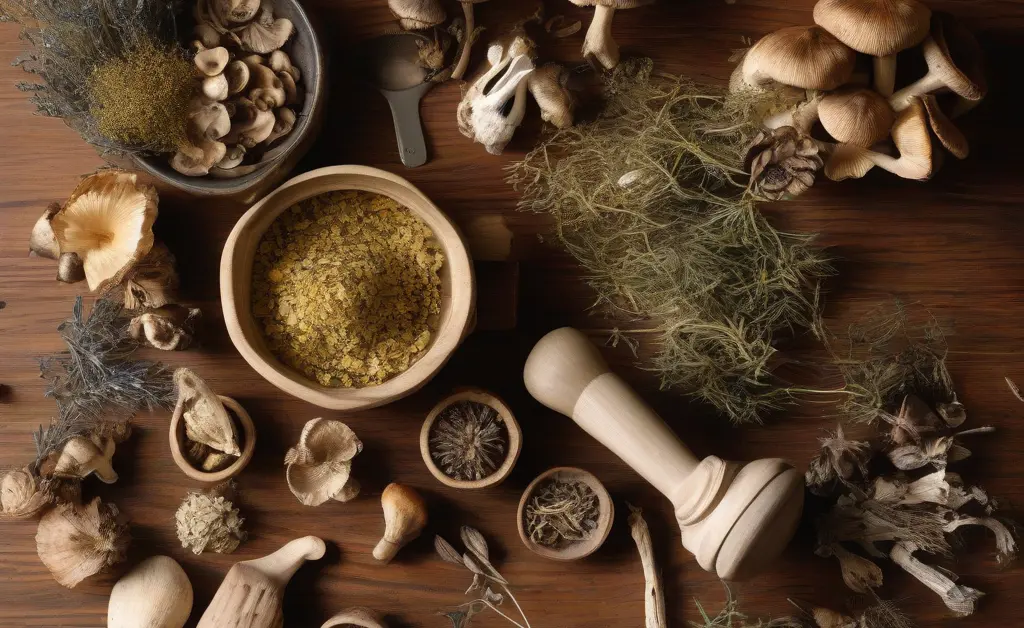
Compared to other natural remedies for anxiety, reishi mushroom offers a unique combination of adaptogenic, immune-supportive, and calming properties. While herbs like valerian or chamomile focus primarily on sedation and sleep aid, reishi mushroom provides broader systemic support, including immune modulation and anti-inflammatory effects. This multifunctional profile distinguishes it within the category of natural anxiety relief and aligns with its traditional use as a holistic tonic. Understanding these differences can assist individuals in selecting the most suitable natural supplement based on their specific anxiety-related symptoms and health goals.
In summary, reishi mushroom for anxiety represents a promising natural supplement with multifaceted benefits. Its blend of bioactive compounds may support mood stabilization, stress reduction, and improved sleep, all of which contribute to mental well-being. While scientific evidence continues to evolve, traditional uses and emerging studies highlight its potential role as part of a comprehensive approach to managing anxiety. Careful consideration of product quality, usage consistency, and safety precautions can enhance the experience of integrating reishi mushroom into a mental wellness routine.
Disclaimer: This article is for informational purposes only and does not constitute medical advice. The effects of reishi mushroom for anxiety may vary between individuals, and it should not replace professional mental health treatment. Always consult a healthcare provider before starting any new supplement, especially if you have existing health conditions or are taking medications. The safety and efficacy of reishi mushroom supplements have not been evaluated by regulatory authorities for the treatment of anxiety disorders.
FAQ
— Does reishi mushroom really help reduce anxiety?
Reishi mushroom is often discussed in traditional medicine for its calming properties, though scientific evidence regarding its effectiveness for anxiety is still emerging. Some studies suggest it may have a relaxing effect, but results can vary among individuals.
— How long does it take for reishi mushroom to affect anxiety?
The onset of any potential effects from reishi mushroom may differ based on various factors, including individual metabolism and method of consumption. Because it is a natural supplement, its impact is generally considered gradual rather than immediate.
— Are there any side effects of taking reishi mushroom for anxiety?
Mild side effects such as digestive discomfort or dry mouth have been reported in some cases. It is important to monitor any reactions and consult healthcare professionals especially if combining with other treatments.
— What is the best way to take reishi mushroom for anxiety?
Reishi mushroom is available in several forms, including teas, powders, and capsules. The choice often depends on personal preference and convenience, as well as the quality and source of the product.
— Can reishi mushroom be used alongside anxiety medications?
Combining reishi mushroom with prescribed anxiety medications should be approached with caution. It is advisable to seek guidance from a healthcare provider to avoid potential interactions or side effects.
— Is reishi mushroom safe for long-term use for anxiety?
Long-term safety data on reishi mushroom use is limited, though it has been traditionally consumed over extended periods in some cultures. Ongoing monitoring by healthcare professionals is recommended when considering prolonged use.
— What forms of reishi mushroom are most effective for anxiety?
Extracts and concentrated forms of reishi mushroom are often studied for their bioactive compounds, which may influence their efficacy. The effectiveness can depend on the preparation method and the presence of key constituents.
— Are there any groups of people who should avoid reishi mushroom for anxiety?
Individuals with certain health conditions, such as those with autoimmune disorders or those who are pregnant or breastfeeding, are typically advised to exercise caution. Consulting a healthcare professional before use is important for vulnerable populations.