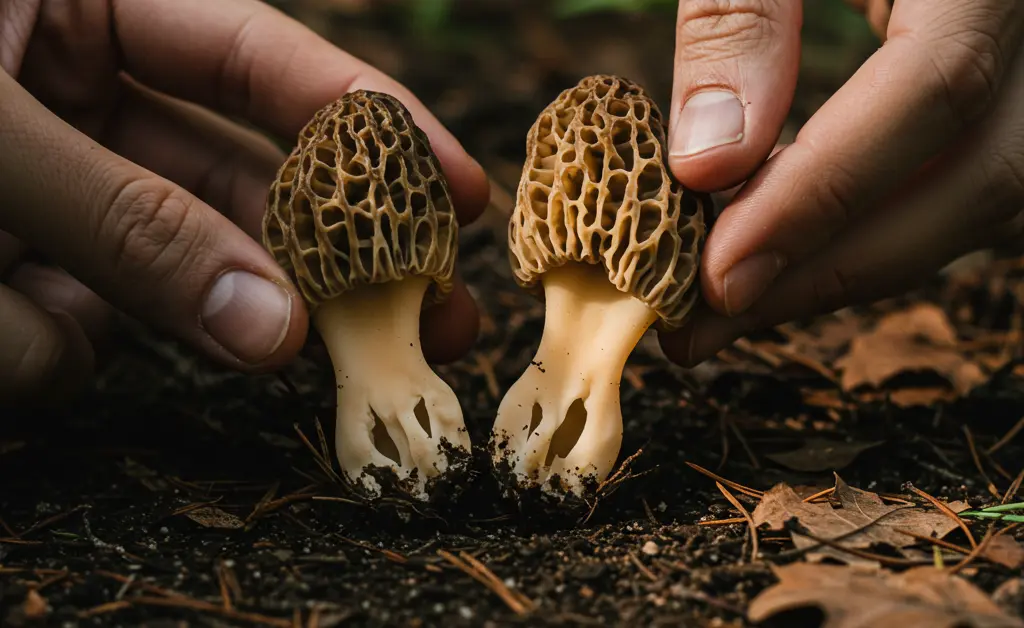
One of the most reliable ways to confirm you’ve found a true morel is to slice it in half; it should be completely hollow from the top of its cap to the bottom of its stem. This simple test is a crucial step for foragers, as the world of wild mushrooms contains both prized edibles and dangerous look-alikes. Distinguishing between them is a skill that requires careful observation of several key features. Foraging for Morel Mushrooms Morchella spp. offers a rewarding culinary experience, but safety must always be the top priority. This guide will explore the essential identification characteristics of true morels, detail the differences between them and their toxic counterparts, and provide the knowledge needed to forage with confidence and responsibility.
Morel Mushroom Identification
Positive identification is the most critical skill for any mushroom forager. True morels possess a unique combination of features that, when assessed together, distinguish them from other fungi. Relying on a single characteristic is never recommended; instead, a holistic examination of the cap, stem, and interior structure is necessary for a confident and safe identification. Learn more about morel mushroom identification.
Cap Shape and Texture
The cap of a true morel is its most recognizable feature. It has a distinct, honeycombed appearance with a network of pits and ridges, rather than gills or pores. The shape can vary from conical and pointed to more rounded or bulbous, but the pitted texture is consistent. A crucial detail is that the cap is fully attached to the stem along its lower edge. There is no skirt-like overhang or gap where the cap meets the stem.
Stem Characteristics
The stem, or stipe, of a true morel is typically pale, ranging from white to a creamy or light yellowish color. It is generally uniform in width but may be slightly thicker at the base. In proportion to the cap, the stem can be short or tall depending on the specific species and growing conditions. The texture can be smooth or have a fine, grainy feel. Like the cap, the stem contributes to the mushroom’s overall hollow structure.
Hollow Interior
As mentioned, the hollow interior is a definitive characteristic. When a true morel is sliced vertically from the top of the cap to the bottom of the stem, it reveals a single, continuous hollow chamber. There should be no cotton-like fibers, fleshy partitions, or chambers filling the inside. This simple test is one of the most reliable ways to rule out many dangerous look-alikes.
Smell and Taste
Fresh true morels have a distinct and pleasant aroma that is often described as earthy, woodsy, or nutty. They should not have a strong, chemical, or unpleasant smell. While their flavor is a primary reason for their popularity, it should only be assessed after cooking. Raw or undercooked morels can cause gastric distress, so they should never be eaten raw. When cooked, they develop a rich, savory flavor that is highly prized in culinary circles.
Morel vs. “False Morel”
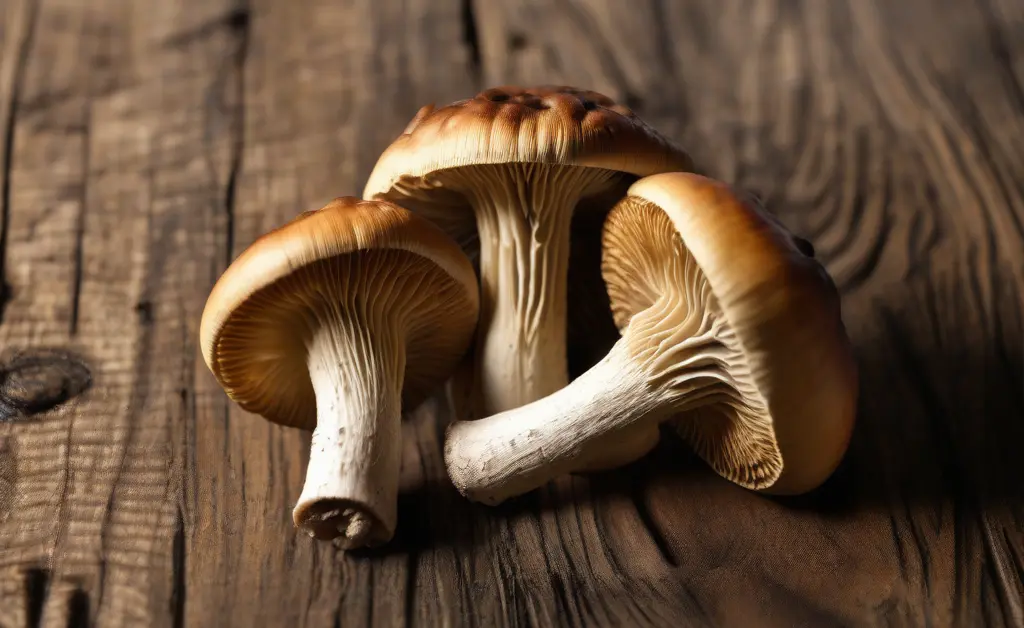
The term “false morel” refers to several species of mushrooms that bear a superficial resemblance to true morels but are toxic. The most common and dangerous of these belong to the genus Gyromitra. Learning to differentiate them is not just a matter of culinary preference; it is a critical safety measure. Explore the differences in our guide on morel vs. “false morel”.
Distinguishing True Morels from False Morels
The differences become clear upon close inspection. False morels have a cap that is typically reddish-brown and appears wrinkled or brain-like, not pitted and ridged like a honeycomb. Their cap often hangs freely from the top of the stem, resembling a skirt, rather than being fully attached. The most definitive test is the cross-section. While true morels are completely hollow, false morels are filled with cottony fibers, flesh, or a series of chambers. Consuming false morels can lead to serious illness, making the distinction between them and true Morel Mushrooms Morchella spp. absolutely essential.
Identifying Different Morel Mushroom Species
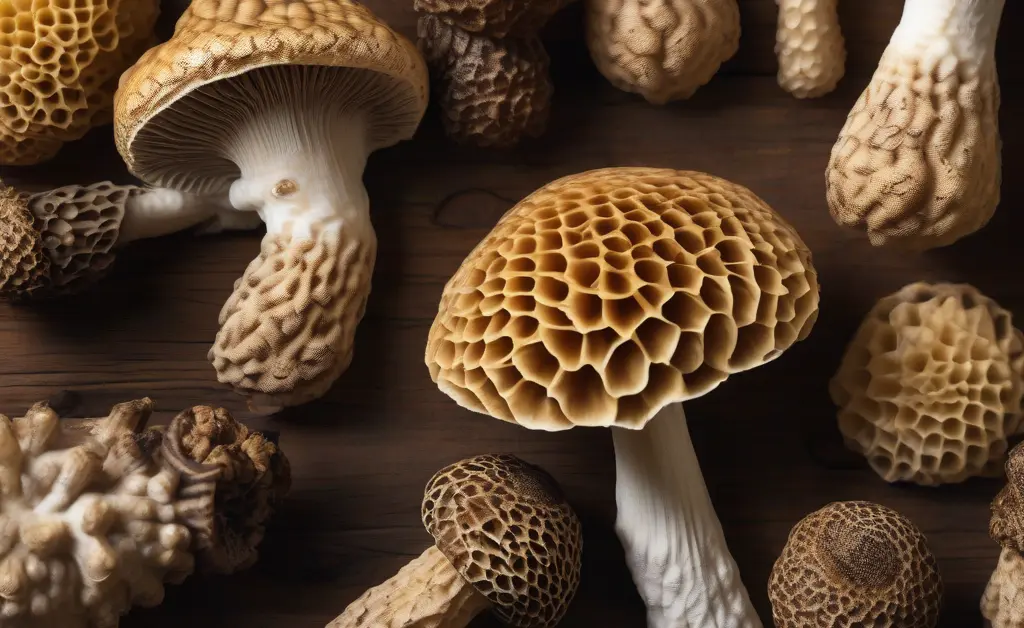
The genus Morchella is complex, with dozens of species that can be challenging to differentiate without genetic analysis. However, for foraging purposes, most can be grouped into a few common categories based on their appearance and the time of year they fruit. For a comprehensive look, consult the morel mushrooms 2026 species guide.
Common Morel Varieties (e.g., Yellow, Black)
The most commonly encountered groups are black morels and yellow morels. Black morels, belonging to the Morchella elata group, are often the first to appear in the spring. They have darker, grayish or brownish ridges with lighter-colored pits, and their caps are frequently more conical or pointed. Yellow morels, part of the Morchella esculenta group, tend to appear a bit later in the season. They are typically larger with a more uniform yellowish-tan color across both pits and ridges. Other types, such as half-free morels, exist but are less common. In all cases, the key identifying features—the hollow interior and attached cap—remain consistent. Discover more about morel mushroom colors.
Key Characteristics of Morel Mushrooms
To summarize, the core set of characteristics for identifying true morels is non-negotiable for safe foraging. First, the cap must have a true pitted and ridged, honeycombed appearance. Second, the entire mushroom, from the top of the cap through the stem, must be completely hollow. Third, the cap must be fully attached to the stem, with no gap or free-hanging edge. Observing this trifecta of features is the most reliable field method for confirming you have found genuine Morel Mushrooms Morchella spp.
Where to Find Morel Mushrooms
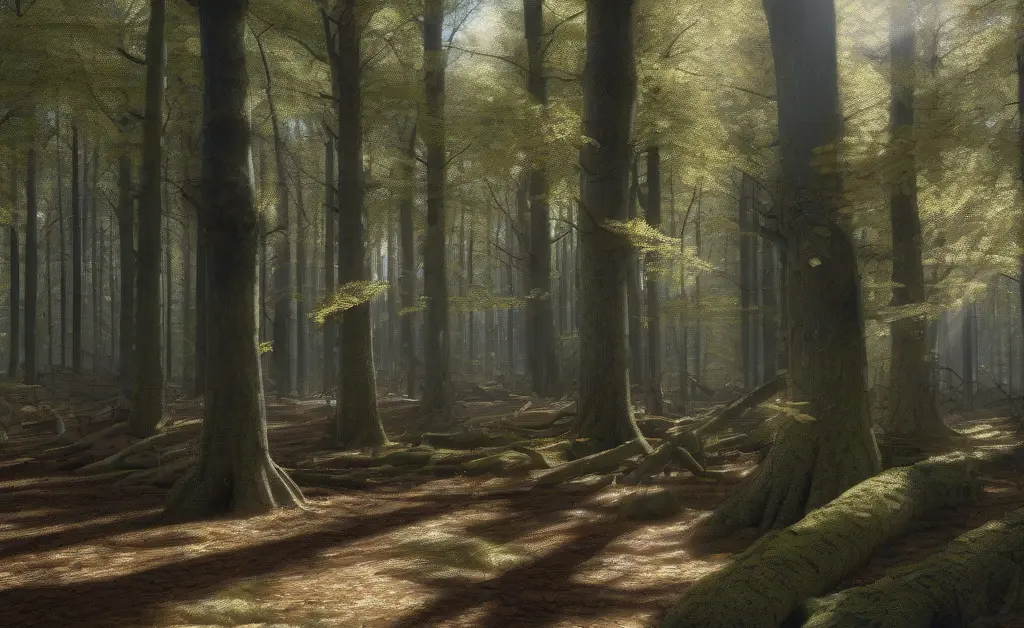
Morels are elusive, but understanding their preferred habitats significantly increases the chances of a successful hunt. They have a complex relationship with their environment and are often found in specific types of locations. Their association with certain trees is well-documented; they frequently grow near ash, dying elms, old apple orchards, and sycamore trees. Disturbed ground is another key indicator. Look for morels in areas that have recently experienced logging, flooding, or forest fires, as these events can stimulate their growth. Their geographic distribution is widespread across temperate forests in the Northern Hemisphere.
When to Forage for Morels
Timing is everything when foraging for morels. They are quintessentially a spring mushroom, appearing after the last frost but before the full heat of summer. The exact timing of the spring foraging season is dictated by local weather conditions. The key trigger is soil temperature, with fruiting beginning when the ground warms to a certain degree. Consistent spring rains followed by warm, sunny days often create the perfect conditions for a flush of morels. Seasonality can vary significantly by region, with foragers in southern areas finding them weeks or even months before those in northern climates.
Cooking and Preparing Morel Mushrooms
Once you have confidently identified and harvested your mushrooms, proper preparation is key to enjoying their flavor safely. Cleaning should be done with care to remove dirt and any insects hiding in the pits. A soft brush is ideal for removing debris. Some foragers prefer a quick rinse under cold water, while others may briefly soak them in salt water, though this can affect their texture. Slicing them in half not only confirms they are hollow but also helps in cleaning. It is critically important to cook Morel Mushrooms Morchella spp. thoroughly. They contain compounds that can cause stomach upset if eaten raw. Sautéing in butter, frying, or incorporating them into cream sauces are all popular common culinary uses that bring out their exceptional, savory taste. For more information on mushroom safety and toxins, you can refer to resources from the National Library of Medicine.
Ethical Foraging Practices
Responsible harvesting ensures that mushroom populations remain healthy for years to come. A core tenet of ethical foraging is sustainability. Never take every mushroom in a patch; leaving some behind allows them to release spores and contributes to future growth. Using a mesh bag or basket for collection is preferable to a plastic bag, as it allows spores to disperse as you walk through the woods. It is also important to respect the environment by treading lightly, not disturbing the fragile mycelial network under the soil, and packing out everything you bring in. Always be aware of land ownership and obtain permission before foraging on private property. Following these guidelines ensures that the practice of foraging for Morel Mushrooms Morchella spp. remains a sustainable and respectful activity.
The pursuit of morels connects foragers with the cycles of nature, offering both a culinary prize and a deep appreciation for the forest ecosystem. The thrill of the hunt is matched only by the satisfaction of a meal made with wild-harvested ingredients. However, this reward comes with the profound responsibility of accurate identification. By mastering the key characteristics of true morels, understanding their differences from toxic look-alikes, and practicing ethical harvesting, foragers can enjoy this springtime ritual with confidence and safety.
This article is meant for general informational use and awareness. The information provided is not a substitute for expert, in-person identification by a trained mycologist or experienced local forager. Misidentification of wild mushrooms can lead to severe illness or be fatal. Never consume a wild mushroom unless you are absolutely certain of its identity. It is your responsibility to forage safely and legally.
FAQ
What are the different types of morel mushrooms?
Morel mushrooms, scientifically known as Morchella spp., encompass a diverse group with notable variations in size, shape, and habitat. Common types include the yellow morel, black morel, and the elusive half-free morel, each presenting unique characteristics appreciated by foragers. These distinctions often relate to their ecological preferences and the specific conditions under which they thrive each spring.
How can you tell a real morel from a false morel?
Distinguishing true morels from their look-alikes, known as false morels, is crucial for safe consumption. Real morels possess a distinct honeycomb-like cap that is distinctly attached to the stem along its entire length, and their internal structure is uniformly hollow. False morels, in contrast, often have a cap that hangs loosely, may be filled with a cotton-like material, or have a brain-like texture rather than true pits.
What do morel mushrooms look like?
Morel mushrooms are easily recognized by their unique appearance, featuring a cone-shaped or elongated cap that is covered in a pattern of irregular pits and ridges. This characteristic texture often resembles a sponge or a honeycomb, setting them apart from many other fungi. The stem is typically stout and hollow, and the overall color can range from pale yellow to deep brown, depending on the species and its environment.