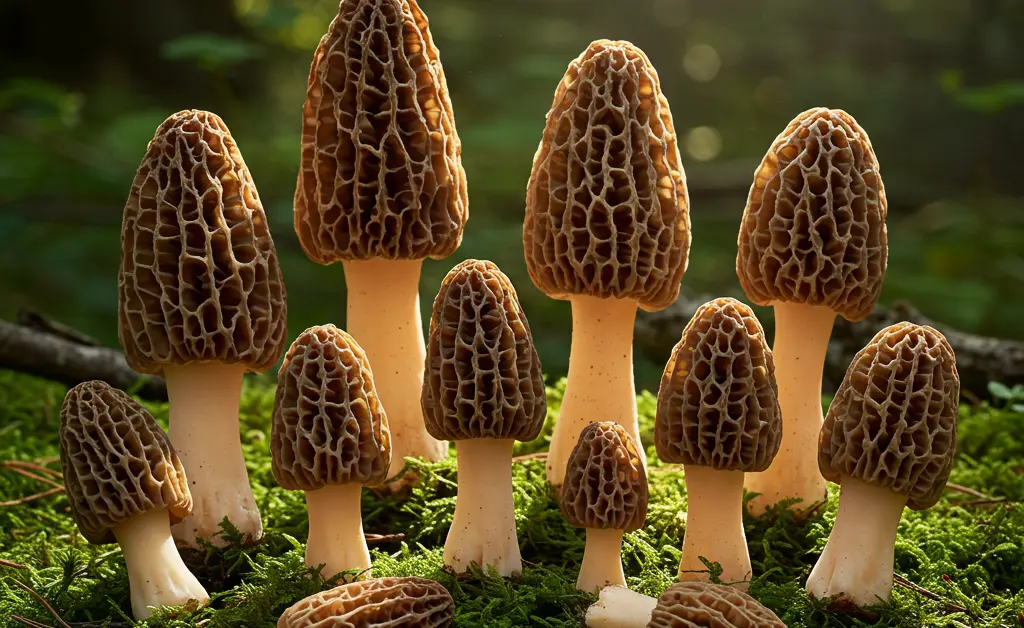
The palette of these prized edibles is essentially a forager’s first clue to identifying which type they’ve found. These earthy tones, ranging from deep, smoky blacks and grays to creamy yellows and blondes, help distinguish between different species in the wild. For anyone seeking these honeycomb-capped delicacies, understanding the nuances of morel mushroom colors is a fundamental skill. However, these hues are not always a definitive guide, as they can be influenced by factors like the mushroom’s age, its specific habitat, and even the surrounding soil and tree types. This guide explores the common shades and what they signify for successful and safe foraging.
Understanding Morel Mushroom Colors
Learning how to identify edible morels often begins with a visual assessment, and color is a primary characteristic. The various shades are not just for show; they provide important clues about the mushroom’s species, environment, and maturity. While not a standalone identifier, an understanding of the typical morel hues is a foundational piece of the foraging puzzle. This knowledge, combined with an examination of the mushroom’s structure, is critical for distinguishing true morels from their non-edible or toxic look-alikes. For comprehensive guidance on distinguishing these fungi, consult resources on morel mushroom identification.
The Spectrum of Morel Hues
The range of morel mushroom hues is surprisingly diverse, yet it stays within a distinctly earthy palette. At one end of the spectrum are the black morels, which present with deep, smoky-gray to near-black ridges. At the other end are the blondes and yellows, showcasing shades from pale, creamy white to a rich, honey-yellow. In between, foragers will find a variety of grays, tans, and browns. These colors are found on the mushroom’s pitted, honeycomb-like cap, which contrasts with its typically lighter, whitish stem. Understanding all varieties of morel mushrooms (Morchella spp.) is key to foraging.
Significance of Color in Morel Identification
Color is one of the first and most accessible traits used in morel mushroom identification by color. It helps a forager quickly categorize a potential find into one of the major groups, such as black or yellow morels. For instance, the dark coloration of black morels helps them stand out against the pale, leafy forest floor of early spring, while yellow morels blend in more with dried leaves later in the season. However, relying solely on color can be misleading. It is crucial to use it in conjunction with other key features, such as ensuring the cap is fully attached to the stem (or semi-attached, as with Half-Free Morels) and that the entire mushroom is hollow from the tip of the cap to the base of the stem.
What are white morel mushrooms and what causes their color?
True white morels, in the sense of being albino, are exceedingly rare. More commonly, what foragers refer to as “white morels” are actually very pale specimens of yellow or blonde morels (Morchella esculenta). Their light, creamy coloration can be due to genetic variation, a lack of sunlight exposure (growing under dense leaf litter), or their early stage of development. These mushrooms are not a distinct species but rather a color variation. As they mature and receive more sunlight, these pale morels often darken to a more characteristic yellow or tan hue.
Common Morel Mushroom Varieties and Their Colors
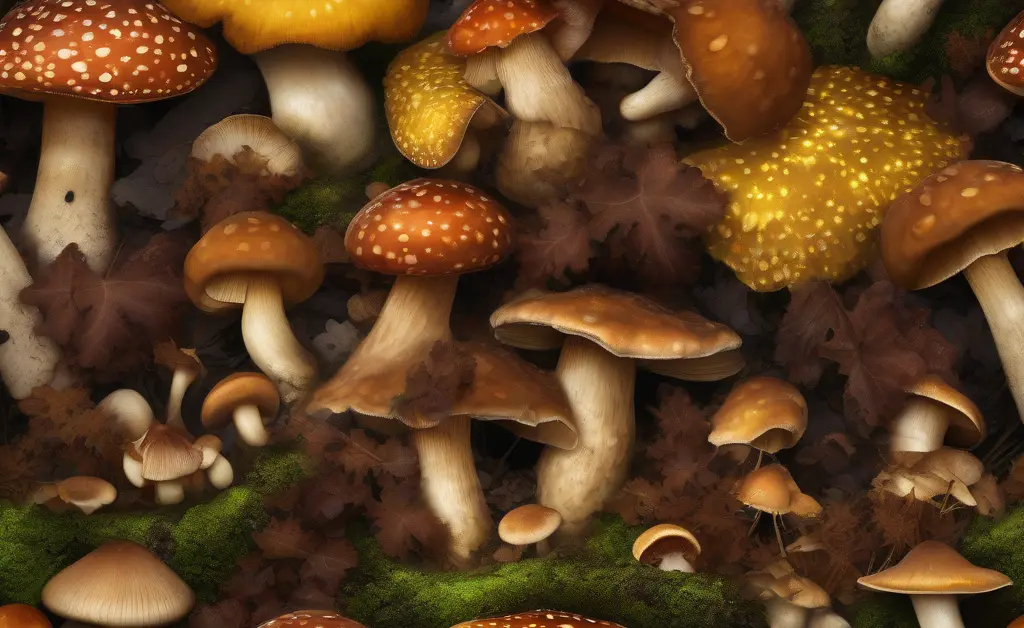
Exploring the different varieties of morels reveals a fascinating link between species and their typical coloration. The different morel mushroom colors are often associated with specific types that appear at different times of the season and in different habitats. From the early-emerging blacks to the classic yellows, each group has a general color profile that aids in identification. Knowing these common varieties is key to understanding what the different morel mushroom colors mean in the field.
Red morel mushroom colors
The term “red morel” can be a source of confusion for foragers. True morels in the genus Morchella do not typically exhibit a vibrant red color. Some specimens may develop reddish or rust-colored stains due to age or environmental factors, but there is no distinct species of “red morel.” More importantly, this term is often used to describe certain species of false morels, such as those in the Gyromitra genus. These look-alikes can be toxic and must be avoided. Distinguishing true morels from false morels by color and texture is a critical safety skill; true morels have a uniformly pitted and ridged cap, whereas many false morels have a more wrinkled, brain-like or saddle-shaped cap. Learning to differentiate these is crucial for safe consumption. Familiarize yourself with the differences in morel mushroom vs. false morel to prevent poisoning.
Black Morels (Morchella elata)
Black morels are typically the first to appear in the spring foraging season. They are characterized by their conical or pointed caps with dark gray or black ridges and lighter-colored pits. Their appearance is striking, often described as smoky or ashen. The stem is whitish and, like all true morels, is hollow and attached to the base of the cap. They are commonly found in association with specific trees and in areas of recent disturbance, like burn sites.
Yellow/Blonde/Grey Morels (Morchella esculenta and Morchella deliciosa)
This group represents the classic morel that many people picture. Yellow morels, also known as common morels, have a more rounded, bulbous, or oval cap compared to the conical shape of black morels. Their color ranges from a pale grayish-tan when young to a rich golden or honey-yellow as they mature. The pits and ridges on the cap are less contrasted than on black morels. Blonde and grey morels are generally considered color variations within this group, often reflecting different stages of maturity or environmental influences.
Do grey morels turn into yellow?
Yes, it is very common for morels that start out with a grayish hue to transition to a distinct yellow as they grow and mature. Many foragers refer to these young specimens as “grey morels.” As the mushroom expands and is exposed to more sunlight, its pigmentation develops, shifting the cap color from gray to a more classic yellow or blonde. This transition is a key reason why color alone is not a definitive identifier; the same mushroom can display different colors at different points in its life cycle. Therefore, color can sometimes indicate ripeness or maturity.
Factors Influencing Morel Mushroom Color
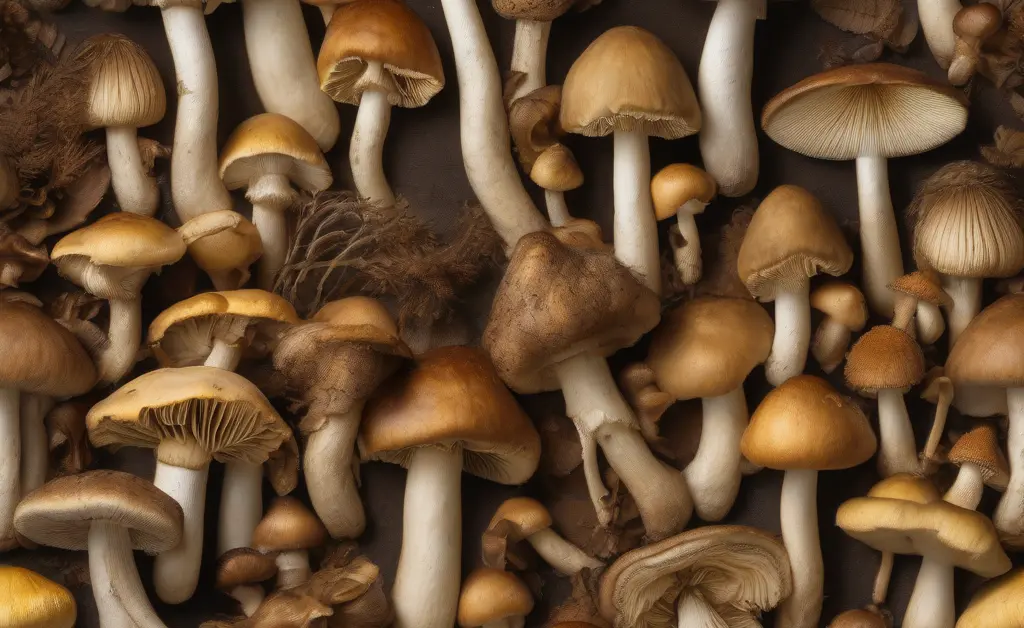
The final coloration of a morel is not solely determined by its species. A variety of factors can influence the shades you see in the wild, making the study of morel mushroom colors a dynamic field. The maturity stage is a primary influence; as noted, young gray morels often mature into yellow ones. Environmental conditions also play a huge role. The amount of sunlight a mushroom receives can deepen or lighten its color, while soil composition and moisture levels can also cause subtle variations. Furthermore, the type of tree the morel is associated with can sometimes correlate with slight differences in appearance, as the mushroom’s mycelial network interacts with the tree’s root system. Knowing how to properly identify these mushrooms ensures they are safe to eat. Learn more about morel mushroom edible varieties.
Distinguishing Morel Varieties by Color and Features
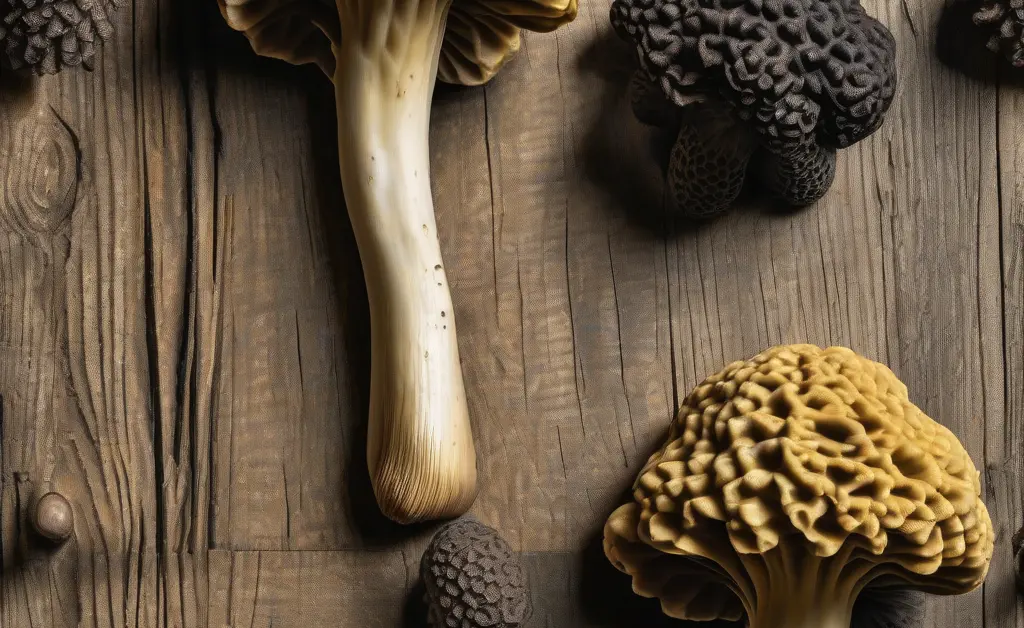
While a guide to morel mushroom colors is an excellent starting point, safe foraging requires looking beyond just the hue. Distinguishing between the major varieties involves a holistic approach, combining color with observations about shape, size, and habitat. The differences between black and yellow morels, for example, are about more than just their palette. Understanding these combined features builds a more reliable identification skill set and reduces the risk of misidentifying a non-edible or toxic look-alike. For guidance on potential health risks associated with mushrooms, consult official advisories from agencies like the FDA.
Comparing Black vs. Yellow Morel Appearance
When comparing black and yellow morels, several key differences emerge. The most obvious is color: black morels feature dark gray to black ridges with lighter pits, creating a high-contrast look, while the yellow morel appearance is more uniform, with honey-yellow to tan pits and ridges. Beyond color, their shape differs; black morels are typically conical and pointed, whereas yellow morels are often more rounded and bulbous. Their structure is also distinct. In black morels, the cap is attached directly to the stem with no overhanging “lip.” In contrast, many yellow morels have a small channel or groove where the cap meets the stem. Finally, they often appear at different times, with black morels heralding the start of the season and yellows following later.
In conclusion, understanding the spectrum of morel mushroom shades is a vital skill for any forager. Color serves as the initial clue that helps differentiate between major varieties like the early-season blacks and the classic yellows. However, it is a variable trait influenced by maturity, sunlight, and habitat. The most successful and safe identification practice combines this color knowledge with a careful examination of the mushroom’s physical structure, including its hollow interior and cap attachment. Mastering how color helps identify morel mushrooms is a rewarding process that deepens a forager’s connection to the forest and its seasonal treasures.
This content is for informational use and should not be considered medical instruction. Identifying wild mushrooms requires expert knowledge, as misidentification can lead to poisoning. This guide is not a substitute for hands-on training with an experienced forager or the use of multiple reputable field guides. Never consume a wild mushroom unless you are absolutely certain of its identity. When in doubt, always err on the side of caution and do not eat it.
FAQ
What are the different colors of morel mushrooms?
Morel mushrooms typically present in shades of yellow, brown, and gray, with some varieties exhibiting darker, almost black hues. These variations depend on the species and their growing environment.
Are all morel mushrooms the same color?
No, morel mushrooms are not all the same color, as different species naturally have distinct coloration. Environmental factors can also influence the shade of a morel mushroom.
Why do morel mushrooms have different colors?
The distinct morel mushroom colors are primarily due to genetic variations between species, affecting pigment production. Additionally, factors like soil composition, light exposure, and moisture levels during growth can subtly alter their final appearance.