Many aspiring foragers walk into the spring woods with a basket and high hopes, only to return empty-handed after hours of uncertain searching. The forest floor can seem like a chaotic mystery, with every fallen leaf and piece of bark looking like a potential find. This guide helps transform that uncertainty into focused skill. By learning to recognize specific tree associations, ideal soil conditions, and the subtle cues of the season, a hopeful walk becomes a productive hunt. Having the right knowledge is the key to successfully finding genuine Morel mushrooms and bringing home a prized culinary treasure, safely and sustainably. It shifts the experience from one of chance to one of informed discovery.
What Are Morel Mushrooms?
Morel mushrooms are a group of highly prized edible fungi that appear for a short period each spring. Renowned for their unique appearance and rich, earthy flavor, they are a favorite find for both seasoned foragers and gourmet chefs. Unlike many common mushrooms, morels cannot be farmed on a large commercial scale, which adds to their mystique and value.
True Morels (Morchella)
All genuine morels belong to the genus Morchella. These are the mushrooms foragers seek for their culinary properties. They are ascomycete fungi, meaning they produce their spores inside microscopic sacs. The complex and often elusive nature of their growth cycle makes them a true wild treasure, appearing in woodlands and forests when environmental conditions are just right.
The “Sponge Mushroom” Nickname
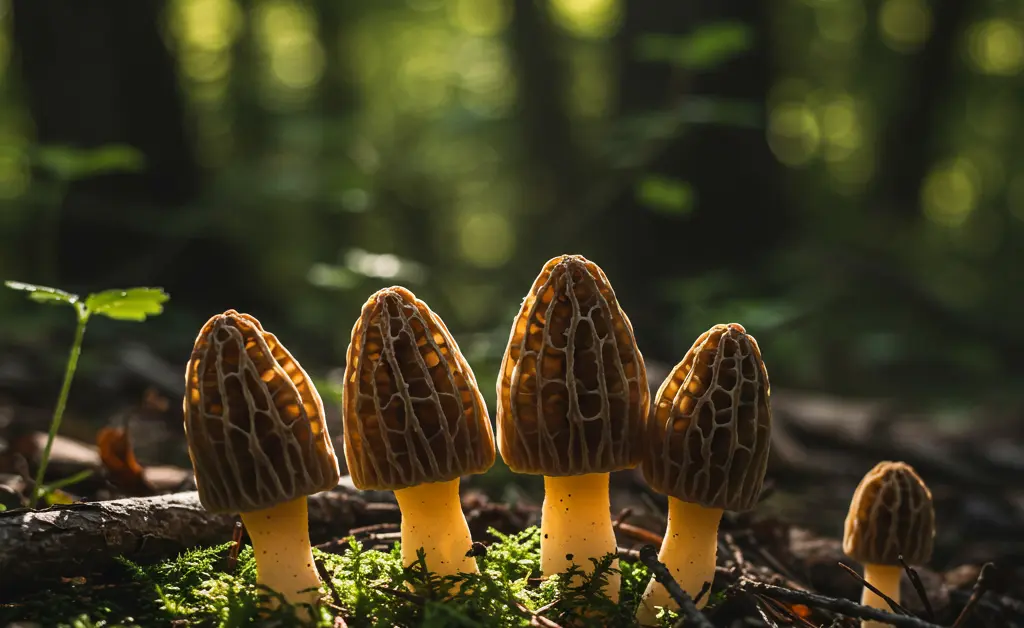
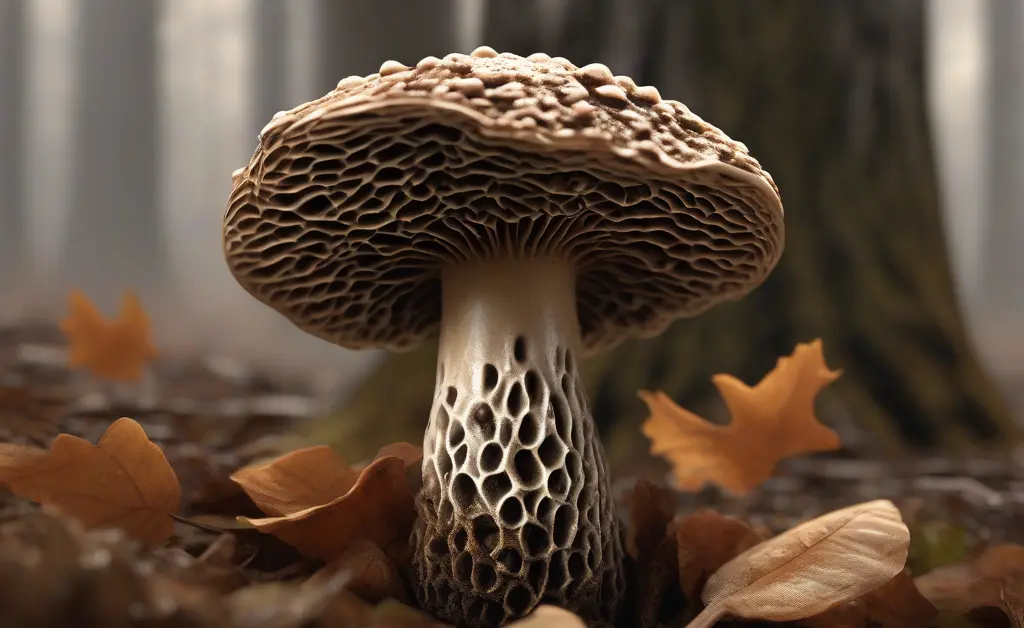
The nickname “sponge mushroom” is a fitting description of the morel’s cap. The surface is covered in a network of pits and ridges, resembling a natural sea sponge or a honeycomb. This distinctive texture is not just for show; the pits and crevices are where the mushroom’s spore-producing surfaces are located. This appearance is one of the first clues a forager uses to identify a potential morel.
Unique Characteristics of Morels
Beyond the sponge-like cap, the most critical identifying feature of a true morel is its structure. When sliced in half lengthwise, a genuine morel is completely hollow from the tip of the cap all the way down to the bottom of the stem. This hollow interior is a continuous chamber, a key trait that distinguishes it from potentially toxic look-alikes. The cap is also fully attached to the stem, rather than hanging free like a skirt.
Morchella Scientific Name
The scientific name for the genus of true morels is *Morchella*. This classification encompasses dozens of individual species that can be difficult to tell apart without genetic analysis. For foragers, it’s more practical to group them into broad categories like “yellow morels,” “black morels,” and “half-free morels,” as their fundamental characteristics for identification and edibility are consistent across the genus.
Morel Mushroom Identification
Accurate identification is the most important skill in foraging for wild mushrooms. Learning the specific characteristics of a morel—from its cap and stem to its overall structure—is essential for a safe and successful hunt. For a detailed guide, check out Morel Mushroom Identification.
Cap Shape and Texture
The cap of a morel is unmistakable once you are familiar with it. It is deeply pitted and ridged, creating a honeycomb or web-like pattern. The shape can vary from nearly round to conical or pointed, depending on the specific species and its stage of growth. The color can also range widely, from a pale tan or yellow to a dark gray or black. The cap is fused directly to the stem, with no gap or overhanging lip.
Stem Characteristics
The stem, or stipe, of a true morel is a crucial identifier. It is typically light in color, often white or pale cream, and can have a slightly grainy or smooth texture. Critically, the stem is completely hollow and is continuous with the hollow cap. When you slice a morel vertically, you should see one single, empty chamber extending through the entire mushroom.
Common Morel Species
While there are many species, foragers often refer to them in general groups. Yellow morels (often associated with the *Morchella esculenta* group) are typically found later in the season and have yellowish or tan caps. Black morels (*Morchella elata* group) tend to appear earlier and have darker, grayish-brown to black caps. Half-free morels (*Morchella punctipes*) are another type where the cap is attached at the top but hangs free at the bottom, though the stem is still hollow. All true **Morel mushrooms** are edible when cooked, but their flavors can vary slightly. You can explore more about Morel Mushroom Colors and their implications.
Morel Mushroom Look Alike
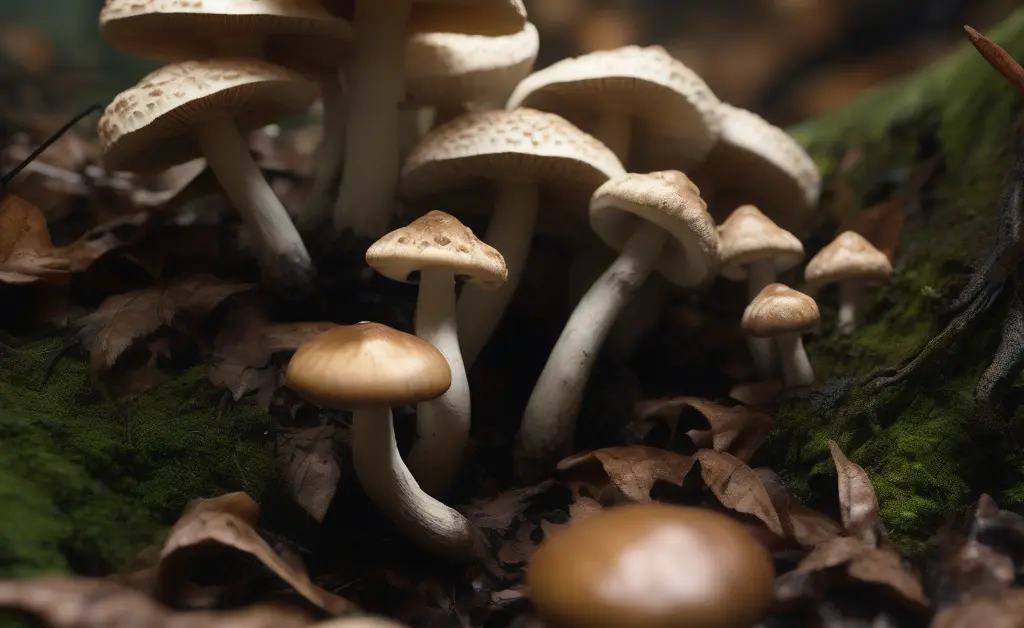
One of the greatest risks in foraging is misidentifying your find. Several species of “false morels” grow in the same habitats and seasons as true morels, and some are toxic.
Distinguishing from False Morels
The most common look-alikes belong to the genera *Gyromitra*, *Verpa*, and *Helvella*. The key difference is revealed by slicing the mushroom in half from top to bottom. A true morel is completely hollow. False morels are not. *Gyromitra* species have a chambered or cottony-fibrous material inside their stem and cap. Their caps are also more wrinkled and brain-like, rather than pitted. *Verpa* species, known as “early morels,” have a cap that hangs completely free from the stem, attached only at the very top.
Importance of Proper Identification Before Harvesting
Mistaking a false morel for a true morel can have serious consequences. Some false morels contain compounds that can be toxic, especially when consumed raw or improperly prepared. The old foraging wisdom, “When in doubt, throw it out,” is paramount. Never consume a wild mushroom unless you are absolutely certain of its identity. Proper identification is not just a suggestion; it is a critical safety rule.
Where to Find Morels
Knowing what to look for is only half the battle; the other half is knowing where to look. Morels are notorious for their picky habits, but learning to read the landscape can greatly increase your chances of finding them.
Ideal Habitats (Forests, Woodlands)
Morels typically thrive in moist woodlands and forest edges. They are often found in disturbed areas, such as the sites of old forest fires, logging operations, or floods from the previous year. Old apple orchards, stream beds, and south-facing slopes that warm up early in the spring are also classic hunting grounds. Look for areas with rich, loamy soil and good drainage.
Specific Tree Associations
Learning to identify trees is one of the most effective strategies for locating **Morel mushrooms**. They form symbiotic relationships with the root systems of certain trees. Some of the most well-known associations include ash, elm (especially dying or recently dead elms), poplar (including cottonwood and aspen), and old apple trees. In some regions, they can also be found near sycamore, hickory, and oak trees. Finding a stand of these trees is a great first step.
Soil Conditions
Morels favor a specific type of soil. They are often found in soil that is rich in organic matter and has a neutral to slightly alkaline pH. Areas with a limestone base are often productive. The soil should be moist but not waterlogged. Checking soil temperature can also be a clue; morels tend to appear when the ground temperature consistently reaches a certain warmth.
When to Forage for Morels
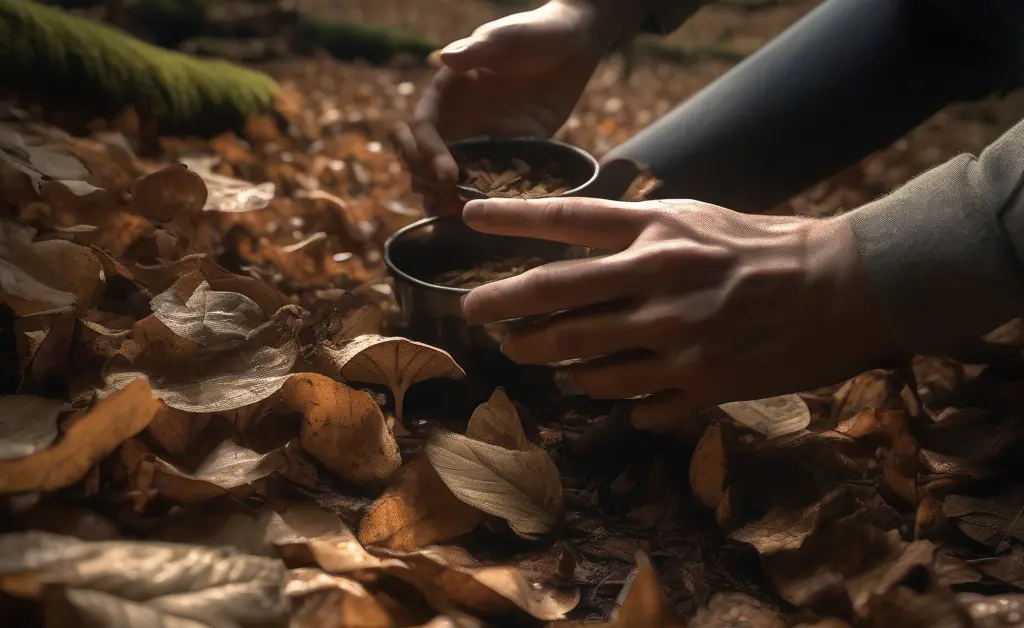
Timing is everything when it comes to morel hunting. Their season is brief, and being in the woods at the right moment is crucial for success.
Spring Foraging Season
Morels are a quintessential sign of spring. The foraging season generally begins as the last snows melt and the ground begins to warm, and it can last for several weeks. The exact timing depends heavily on local weather patterns, but it typically falls between March and June in the Northern Hemisphere.
Climate and Temperature Factors
The emergence of morels is triggered by a combination of environmental cues. Consistent ground temperatures in a specific range are a primary factor. This warming soil, combined with adequate moisture from spring rains and melting snow, signals the underground mycelium to produce mushrooms. A warm, rainy period followed by a few days of sunshine is often considered perfect morel weather.
Geographical Variations
The morel season does not happen everywhere at once. It follows the progression of spring as it moves across the continent. Foragers in southern latitudes and lower elevations will find morels weeks or even months before those in northern regions or mountainous areas. Online foraging reports and community forums can be valuable resources for tracking the season’s advance in your specific area.
How to Harvest Morels
Once you have successfully located a patch of morels, how you harvest them can impact future growth and the health of the local ecosystem. Practicing sustainable harvesting ensures that morels will continue to fruit in the area for years to come.
Sustainable Harvesting Techniques
To harvest a morel, it is best to cut or pinch the stem at its base, leaving the very bottom portion (the “foot”) and its underground mycelial network undisturbed. This practice helps ensure the organism can continue to thrive. Carrying your harvest in a mesh bag is also highly recommended. As you walk through the woods, the holes in the bag allow mushroom spores to fall to the ground, potentially seeding new morel patches for future seasons. When you find one morel, slow down and search the immediate area carefully, as they often grow in groups.
Tools for Foraging
A morel hunter’s toolkit is simple. A small knife or pair of scissors is useful for cleanly cutting the stems. A mesh bag, as mentioned, is ideal for transport. A walking stick can be helpful for navigating uneven terrain and gently moving aside leaves to inspect the forest floor. Finally, reliable navigation tools, such as a GPS device or a compass and map, are essential for safety when venturing into the woods to find **Morel mushrooms**. For a comprehensive list of species, consider consulting a Morel mushrooms 2026 species guide.
Cooking and Storing Morels
The reward for a successful hunt is bringing these culinary delicacies to the kitchen. Proper preparation and storage are key to enjoying their unique flavor and texture safely.
Preparation and Cleaning
Morels grow in the wild, so they need to be cleaned thoroughly. The pits and hollow interior can harbor dirt and small insects. A common method is to briefly soak them in a bowl of cool water to dislodge debris, though some foragers prefer to just brush them clean. Slicing morels in half lengthwise is a good practice, as it allows for a final inspection of the hollow interior and makes them easier to clean.
Cooking Methods
It is critically important that morels are always cooked thoroughly before consumption; they should never be eaten raw. Raw or undercooked morels can cause significant stomach upset. Their rich, nutty, and earthy flavor is best brought out by simple cooking methods. Sautéing them in butter with a little garlic, salt, and pepper is a classic preparation. They are also excellent in cream sauces, soups, or paired with eggs.
Storage Options
Fresh morels have a short shelf life. They are best stored in the refrigerator in a paper bag, which allows them to breathe without becoming slimy. They should be used within a few days. For long-term storage, drying is the most popular method. A food dehydrator works best, preserving their flavor for months. Once dried, they can be rehydrated in water or broth before cooking. Another option is to sauté and then freeze them.
Safety Precautions for Foraging Morels
While foraging is a rewarding activity, safety must always be the top priority. From proper identification to understanding personal sensitivities, a cautious approach is essential.
Avoiding Poisonous Look-alikes
The most significant risk in morel hunting is accidental poisoning from a misidentified look-alike. Reconfirm the key features of a true morel every time: a pitted, honeycomb-like cap that is fully attached to the stem, and a completely hollow interior from top to bottom. If any of these features are absent, the mushroom is not a true morel and should not be eaten.
Allergies and Reactions
Even when correctly identified and thoroughly cooked, some individuals may experience an adverse reaction to morels. As with any new food, it is wise to start with a small amount to see how your body reacts. In rare cases, people can have allergies or sensitivities. Additionally, consuming large quantities of morels, even when perfectly cooked, can sometimes lead to digestive upset.
Importance of Expert Guidance
For beginner foragers, there is no substitute for learning from an expert. Joining a local mycological society or going on a guided foraging walk can provide invaluable hands-on experience. Having a seasoned forager confirm your finds before you consume them is the safest way to begin your foraging journey. Finding your first **Morel mushrooms** with an expert is a memorable and safe experience.
Morel Mushroom Benefits
Morel mushrooms are primarily celebrated for their outstanding culinary value. Their deep, earthy flavor makes them a gourmet ingredient sought after by chefs worldwide. Beyond their taste, morels are a source of various dietary components. They have been studied by researchers for their potential properties and are known to contain a range of vitamins and minerals. Traditionally, they have been enjoyed as part of seasonal diets in regions where they grow. As a wild food, they offer a connection to nature and the satisfaction of foraging for a meal, a benefit that many enthusiasts value as much as their taste.
Morel Mushroom Life Cycle
The life cycle of a morel mushroom is a fascinating process that largely occurs out of sight. It begins with microscopic spores, which are released from the pits of a mature mushroom and carried by the wind. If a spore lands in a suitable location with the right soil and moisture, it germinates, sending out a thin thread called a hypha. These hyphae grow and fuse with others to form a complex underground network called mycelium. This mycelial network acts as the main body of the fungus, absorbing nutrients from the soil and decaying organic matter. When environmental conditions are perfect—typically a combination of soil temperature, moisture, and seasonal change in the spring—the mycelium will fruit, sending up the mushroom we know as a morel. The morel’s purpose is to mature and release a new generation of spores, thus completing the cycle.
Successfully foraging for morels is a blend of science, observation, and patience. By understanding their characteristics, preferred habitats, and the importance of safety, foragers can turn a walk in the woods into a thrilling and delicious pursuit. Respecting the environment through sustainable harvesting ensures that these remarkable fungi will be available for future generations to discover and enjoy. The journey from identifying a tree to savoring a cooked morel is a deeply rewarding experience that connects us to the rhythms of the natural world.
Readers should understand that this article does not offer medical diagnosis or treatment. The information provided is for educational and informational purposes only and is not a substitute for professional advice from a qualified healthcare provider or a certified mycological expert. Never consume any wild plant or mushroom unless you are absolutely certain of its identification and edibility. Misidentification can lead to serious illness or other adverse health effects. For scientific context on mushroom research, please refer to NCBI.
FAQ
What do morel mushrooms look like?
Morel mushrooms are distinctive for their honeycomb-like cap, which is conical or oval shaped and deeply pitted. Their caps attach directly to the stem, without any visible gills or membrane connecting them. The stem is typically thick, pale, and hollow, mirroring the internal hollowness of the cap.
Are morel mushrooms poisonous?
All raw morel mushrooms are considered toxic and can cause digestive upset if consumed uncooked. They contain trace amounts of toxins that are neutralized through thorough cooking. Properly cooked morels are safe to eat and are a sought-after delicacy.
Where can I find wild morel mushrooms?
Wild morel mushrooms often grow in association with certain tree species, especially dying or dead elm, ash, and oak trees. They are commonly found in mixed woodlands, along stream banks, and in disturbed areas such as old orchards or burn sites. Their preference for specific soil types and moisture levels also guides their location.
When is the best time to find morels?
The prime season for finding morel mushrooms generally spans from early spring to late spring, typically beginning when temperatures consistently reach the 60s Fahrenheit. Their emergence is closely tied to soil temperature and moisture, often appearing after periods of rain in the spring. Optimal conditions can vary based on geographic location and local climate patterns.
How do you identify a false morel mushroom?
False morel mushrooms, also known as Gyromitra species, differ significantly from true morels. Unlike the chambered, pitted cap of a true morel, false morels have a brain-like, convoluted cap that is often wrinkled or lobed rather than distinctly pitted. Additionally, the cap of a false morel is not firmly attached to the stem and may hang loosely, and their interior is typically filled with a cottony material or irregular chambers, not a single hollow space.