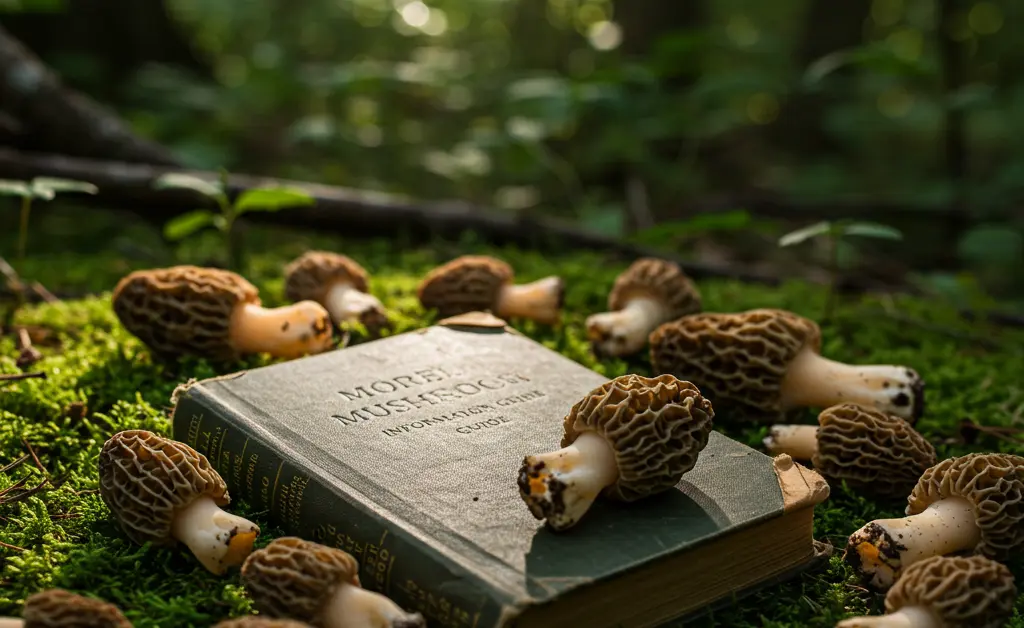
Successfully finding and safely identifying morel mushrooms is one of the great joys of foraging, offering a distinctively rich, earthy flavor to any meal. However, the thrill of the hunt comes with a responsibility to be certain about what you are harvesting. Distinguishing true morels from their toxic look-alikes is a critical skill that requires careful study and attention to detail. For those eager to explore the woods in search of these elusive fungi, having a comprehensive Morel Mushroom Information Guide is the first step toward a safe and fruitful expedition. This resource is designed to provide the foundational knowledge you need, covering key identification features, common habitats, and crucial safety warnings to help you forage with confidence.
Morel Mushroom Information Guide: An Introduction
Morel Mushroom Facts
Morel mushrooms, scientifically known as Morchella, are a prized delicacy among foragers and chefs alike due to their unique honeycomb appearance and deeply savory flavor. These fungi are saprophytic, meaning they derive nutrients from decaying organic matter, often found in woodland environments. Their distinctive appearance, characterized by a conical or oval cap covered in pits and ridges, sets them apart from many other mushrooms. The Morel Mushroom Information Guide highlights their status as a highly sought-after wild edible, appearing in early spring. Understanding the basic biology and characteristics of morels is fundamental for anyone interested in foraging. Learn more about morel mushroom here.
Identifying Morel Mushrooms
Morel Mushroom Identification Tips
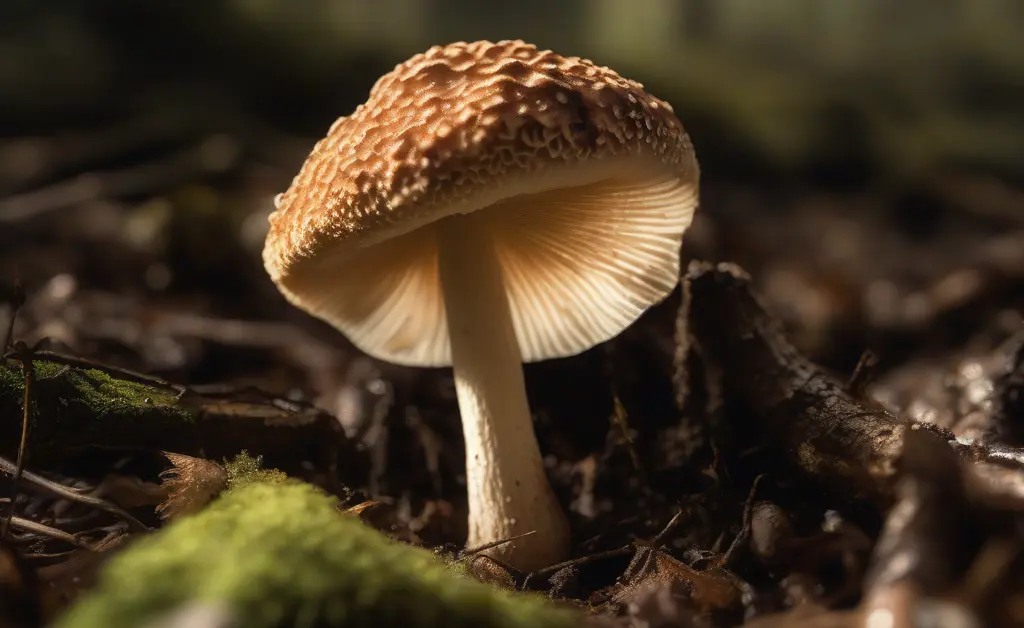
Accurate identification is paramount when foraging for any wild mushroom, especially for the highly desirable Morel Mushroom. True morels typically have a cap that is completely attached to the stem, without a significant gap. The cap surface is pitted and ridged, resembling a sponge or honeycomb, and is generally hollow throughout the entire mushroom, including the cap and stem. The color can vary from yellowish to dark brown, depending on the species and its environment. When learning how to find morel mushrooms, pay close attention to these structural details. It is always recommended to consult with experienced foragers or reliable field guides to confirm identification. Discover the unique morel mushroom taste.
False Morels and Look-alikes
The allure of finding a Morel Mushroom can sometimes lead foragers to mistakenly harvest toxic look-alikes, commonly referred to as “false morels.” These impostors, such as those in the Gyromitra genus, can cause severe illness. Unlike true morels, false morels often have a cap that is irregularly shaped, brain-like, or lobed, and may hang loosely from the stem or be absent altogether. Critically, the interior of a false morel is typically not hollow but filled with a cottony or flaky substance. Furthermore, the cap of a false morel usually hangs free from the stem, rather than being directly attached. Understanding these distinctions is a vital part of any Morel Mushroom Information Guide to prevent accidental poisoning. Some specific varieties, such as the morel mushroom Yunnan, require careful identification.
Benefits of Morel Mushrooms
While the culinary benefits of morel mushrooms are widely celebrated, research also suggests potential nutritional advantages. These fungi are a source of various vitamins and minerals, and their unique compounds have been studied for their antioxidant and other properties. Traditionally, morels have been appreciated not just for their taste but also for their perceived wellness contributions. Incorporating them into a balanced diet, when properly identified and prepared, can be a flavorful way to explore the bounty of nature.
Morel Mushroom Habitat and Temperature Range
Understanding the preferred habitat and the environmental conditions under which morels thrive is crucial for successful Morel Mushroom hunting. Morels are often found in wooded areas, particularly near certain tree species like ash, elm, oak, and apple trees. They can also be associated with disturbed ground, such as areas that have experienced forest fires or logging. The Morel Mushroom Information Guide emphasizes that these fungi have a specific seasonal window. Morels require warmth to emerge, typically appearing in the spring when soil temperatures reach a suitable range. The exact timing varies by region, but generally, they begin to sprout as the snow melts and the ground warms, usually a few weeks after the last frost. This temperature range is critical for their growth cycle. Explore why the morel is the king of all mushrooms, highly sought after; it’s all about ground temperature; morels begin to grow each spring.
For authoritative information on mycology and fungal studies, consult resources from organizations like the NLM.
FAQ
Where can morel mushrooms be found?
Morel mushrooms are typically found in wooded areas, often near specific types of trees like ash, elm, and apple trees. They prefer moist soil conditions and can be discovered in spring, especially after periods of rain. Their elusive nature and distinctive honeycomb appearance make them a sought-after find for foragers.