Many culinary enthusiasts around the world recognize the unique value of wild fungi. Among the most prized varieties are morels, known for their honeycomb appearance and rich, earthy flavor. The mountains of Southwestern China, in particular, provide a unique terroir for these elusive fungi. The delicate balance of climate and forest ecology has made the morel mushroom yunnan a benchmark for quality and taste. This region’s seasonal harvest attracts foragers and chefs alike, all seeking to understand the conditions that produce such a remarkable ingredient and how to best utilize it in the kitchen.
Understanding Yunnan’s Morel Mushrooms
Yunnan province is often called the “Kingdom of Fungi” due to its incredible biodiversity, and morels hold a special place within this rich tapestry. The region’s complex geography, with its high-altitude mountains, deep valleys, and varied forest ecosystems, creates numerous microclimates ideal for different fungal species to thrive. The morels from this area are sought after for their robust flavor and firm texture, which many believe is a direct result of the unique soil composition and environmental conditions. These factors contribute to their reputation as a premium product in both local and international markets. For a comprehensive guide, see this morel mushroom information guide.
The Significance of Morels in Yunnan’s Fungi Kingdom
While Yunnan is famous for a wide array of mushrooms, including porcini and truffles, morels are particularly esteemed. Their appearance marks the arrival of spring for many local communities, symbolizing renewal and a seasonal bounty. Economically, they represent a significant source of income for rural foragers and their families. The harvest is a cultural event, with knowledge of foraging spots and techniques often passed down through generations. In the broader context of Yunnan’s fungi kingdom, morels are a cornerstone, celebrated for their culinary versatility and their connection to the pristine forests of the province. We also have information on porcini mushroom in chinese.
The Morel Season in Yunnan Province
The window for harvesting wild morels is brief and heavily dependent on specific environmental triggers. Understanding the timing and conditions is crucial for anyone interested in the seasonal journey of these fungi from the forest floor to the dining table. The season is eagerly anticipated by foragers who monitor weather patterns closely, waiting for the perfect moment to begin their search. The morel is the king of all mushrooms, highly sought after; it’s all about ground temperature, and morels begin to grow each spring.
Optimal Months for Foraging
Generally, the morel foraging season in Yunnan begins in the spring. Depending on the altitude and specific weather patterns of a given year, the season can start as early as late winter and extend into late spring. The lower, warmer elevations will see the first flush of morels, with the season gradually moving up the mountainsides as temperatures rise. This staggered season allows for a more extended harvesting period across the province.
Typical Weather Conditions for Morel Growth
Morel growth is intrinsically linked to the weather. The ideal conditions involve a period of cold winter temperatures followed by a gradual warming trend in the spring, coupled with adequate moisture. Gentle spring rains that keep the soil moist but not waterlogged are essential. Morels often fruit after a significant temperature fluctuation, typically when the ground begins to warm after the last frost. The unique climate of the region provides the perfect sequence of cold nights and mildly warm, damp days that encourage the distinctive morel mushroom yunnan to emerge.
Identifying Characteristics of Yunnan Morels
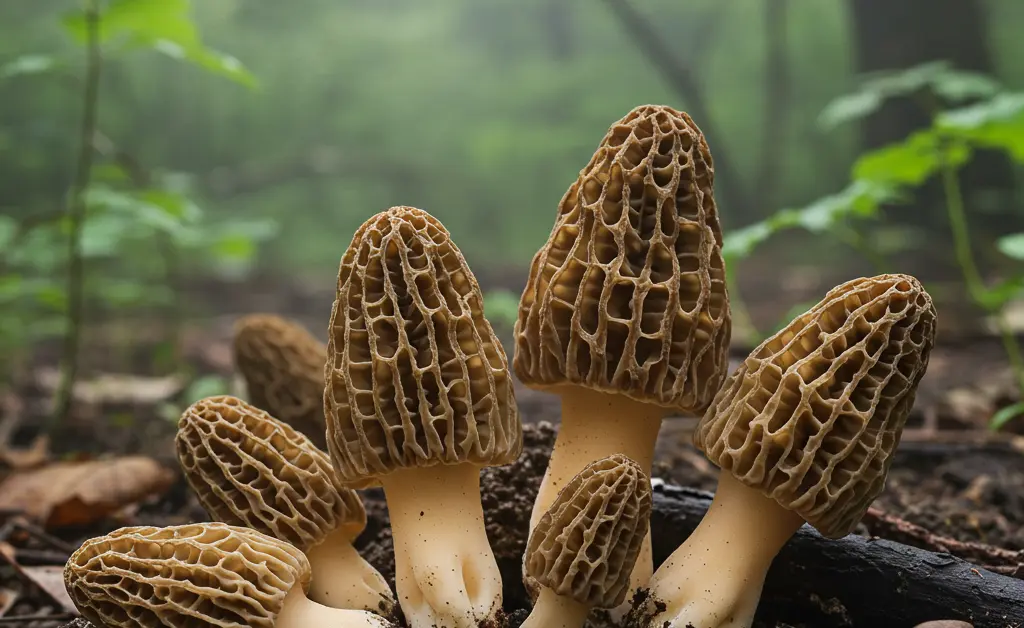
Proper identification is the most critical skill for any forager, as look-alike species can be toxic. True morels from Yunnan share key characteristics with those found elsewhere, but may have subtle variations in color and shape. They are known for their distinctive conical cap, which features a complex pattern of pits and ridges resembling a honeycomb or sponge. The color can range from a pale, creamy yellow to a dark, smoky gray. One of the most telling features of a true morel is its hollow interior; when sliced in half lengthwise, the entire mushroom from the tip of the cap to the bottom of the stem is completely hollow. Furthermore, the base of the cap is fully attached to the stem, unlike some false morels where the cap hangs freely.
Culinary Uses of Morel Mushrooms
The culinary appeal of morels lies in their deep, earthy, and nutty flavor profile. Their firm yet tender texture holds up well to various cooking methods. Before use, they must be cleaned thoroughly to remove any soil or debris from their pitted caps. Soaking them briefly in water is a common practice. Their intense flavor means a little goes a long way, and they are often used as the star ingredient in a dish rather than just a supporting element. Their popularity in French cuisine has elevated their status globally, but their use in local Yunnanese cooking is equally compelling. Learn about morel mushrooms and how to use them.
Morel Mushroom Yunnan Recipe
A classic way to prepare the morel mushroom yunnan is to incorporate it into a simple yet elegant chicken soup. The preparation involves simmering chicken with local herbs and aromatics like ginger and green onions to create a rich broth. The cleaned morels are added toward the end of the cooking process, allowing them to impart their signature earthy flavor to the soup while absorbing the savory essence of the broth. This method highlights the mushroom’s flavor without overpowering it, letting its natural qualities shine. The resulting dish is considered both nourishing and a gourmet treat, often reserved for special occasions.
Role in Traditional Local Dishes
In Yunnan, morels are woven into the fabric of traditional cuisine in several ways. Beyond their use in nourishing soups, they are frequently stir-fried with local cured meats, such as Yunnan ham, which provides a salty and savory contrast to the mushroom’s earthy notes. They may also be steamed with fish or used in hot pot, where they absorb the flavors of the communal broth. For preservation, morels are often dried, which concentrates their flavor intensely. These dried mushrooms can be rehydrated and used throughout the year, ensuring that their unique taste can be enjoyed long after the brief foraging season has passed.
The journey of the morel from the forested slopes of Yunnan to kitchens around the globe is a testament to its exceptional quality. Its deep, complex flavor and unique texture are a direct reflection of the pristine environment in which it grows. As both a culinary delicacy and a vital part of the local culture and economy, the morel mushroom stands out as one of the true treasures of Yunnan’s vast and celebrated fungi kingdom.
The content provided in this article is intended for informational learning, not clinical application. This information should not be used as a substitute for professional advice from a qualified expert, particularly regarding mushroom identification and foraging. Consuming wild-harvested fungi carries risks, and misidentification can lead to serious health issues. Always be certain of a mushroom’s identity before consumption. The discussion of traditional uses does not constitute an endorsement or medical recommendation. For public health information, consult the CDC.
FAQ
When is the best time to find morel mushrooms in Yunnan?
The prime season for foraging morel mushrooms in Yunnan typically falls within the spring months, generally from March to May. This timing aligns with the specific environmental conditions, such as temperature and moisture levels, that these unique fungi require for fruiting. The exact peak can vary slightly depending on the specific elevation and microclimate within the region.
What do morel mushrooms from Yunnan taste like?
Morel mushrooms, including those from the Yunnan region, are known for their distinct earthy, nutty, and slightly smoky flavor profile. They possess a uniquely savory umami character that is highly prized in culinary applications. The texture is also a significant aspect of their appeal, offering a satisfyingly meaty chew when cooked.