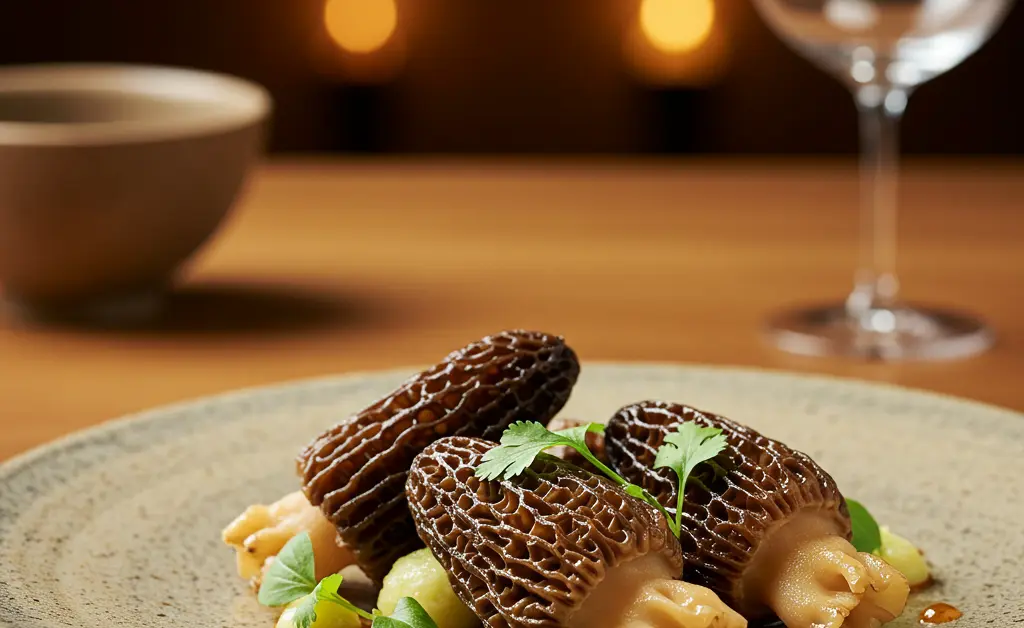
Many people consider morels to be one of the finest wild mushrooms available. Known for their distinctive honeycomb cap and deep, earthy flavor, these fungi are a prized ingredient in kitchens around the world. In China, where they have been foraged and cultivated for centuries, they hold a special place in both traditional and modern gastronomy. Understanding the specific uses of the morel mushroom in chinese cuisine offers a glimpse into a rich culinary tradition that values texture as much as taste. This exploration will delve into its names, culinary roles, preparation methods, and the popular dishes that showcase its unique character, providing a comprehensive guide for anyone looking to incorporate this delicacy into their cooking.
morel mushroom in chinese
The morel mushroom is highly esteemed not just for its unique taste but also for its cultural significance in China. For centuries, it has been foraged from the wild in mountainous regions, making it a rare and treasured find. In recent decades, the cultivation industry for morels has expanded significantly in China, making this once-elusive fungus more accessible to a wider audience. This has allowed the morel mushroom in chinese cuisine to transition from a purely seasonal, wild delicacy to a staple in high-end restaurants and home kitchens alike, celebrated for its unique properties. For more general information about morels, explore this morel mushroom information guide.
What Morel is Called in Chinese (羊肚菌)
In the Chinese language, the morel mushroom is known as 羊肚菌 (yáng dǔ jūn). The name literally translates to “sheep’s stomach fungus,” a descriptive moniker that perfectly captures the mushroom’s appearance. Its conical, pitted cap bears a striking resemblance to the honeycomb texture of a sheep’s tripe. This evocative name is used universally across China to identify this particular member of the Morchella genus. It is a name that immediately signals a prized and flavorful ingredient to chefs and food enthusiasts.
The Role of Morels in Chinese Cuisine
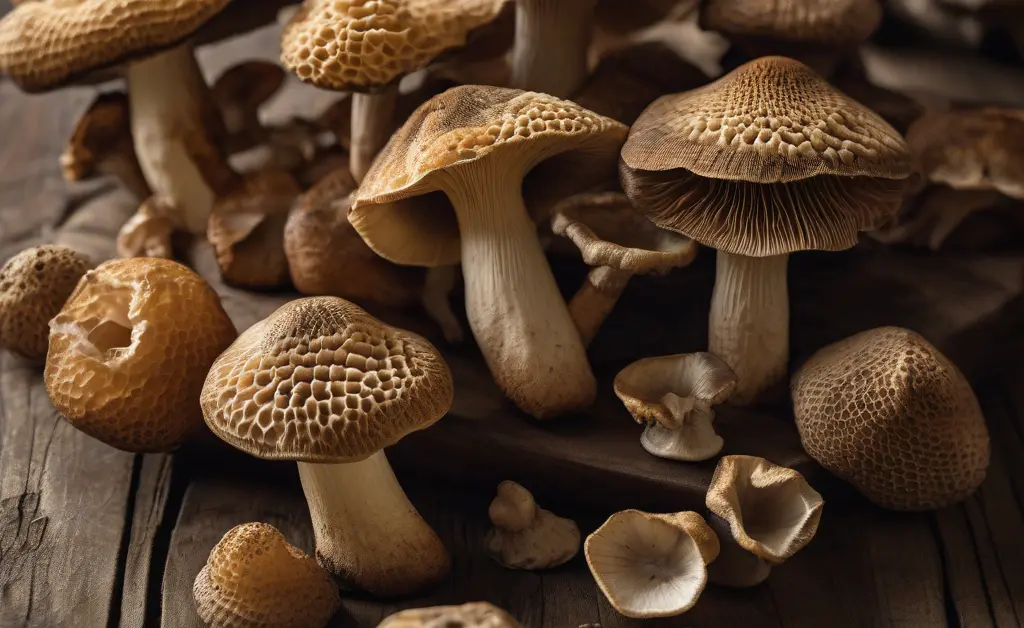
In Chinese gastronomy, ingredients are often valued for a combination of flavor, texture, and potential wellness associations, and the morel is no exception. Its primary culinary role is to impart a deep, earthy, and nutty flavor with a strong umami profile to a wide variety of dishes. The mushroom’s unique honeycomb texture is also highly prized; it is both tender and slightly chewy, and its hollow structure acts like a sponge, soaking up the delicious sauces and broths it is cooked in.
Beyond its taste, the morel holds a place in traditional food therapy. It is often included in nourishing herbal soups and double-boiled broths, simmered alongside ingredients like goji berries, red dates, and high-quality meats. In this context, the morel is seen as more than just food; it is part of a holistic approach to wellness. This dual identity as both a gourmet delicacy and a beneficial ingredient solidifies the special role of the morel mushroom in chinese food culture. The morel mushroom in Australia also holds culinary significance.
How to Prepare and Cook Morel Mushrooms for Chinese Dishes
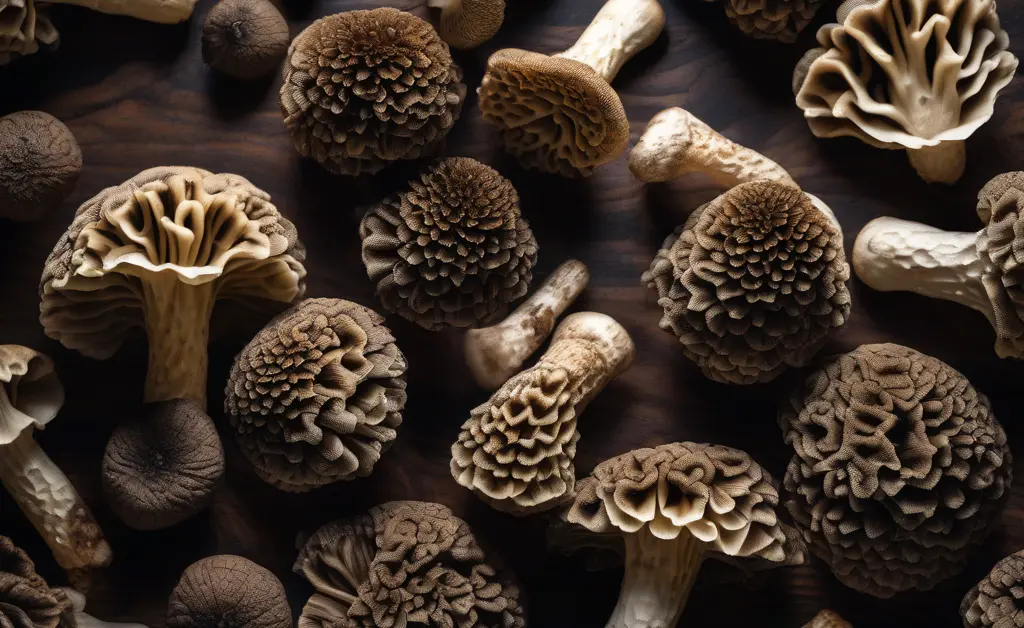
Proper preparation is key to unlocking the full potential of morel mushrooms. Whether you are using fresh or dried varieties, a few steps are essential for the best results.
Most commonly, you will find dried morels, which offer a more concentrated and intense flavor. The first step is to rehydrate them by soaking them in warm water. This process not only softens the mushrooms but also creates a highly flavorful broth. This mushroom-infused liquid is culinary gold and should never be discarded; it can be strained through a fine cloth to remove any grit and then used as a base for soups, braises, and sauces.
Cleaning is a critical step due to the mushroom’s pitted cap, which can trap soil and debris. After an initial soak, the mushrooms should be gently swirled in a bowl of water to dislodge any hidden grit. It’s often recommended to slice them in half lengthwise to ensure the hollow interior is completely clean. Once cleaned and rehydrated, morels are incredibly versatile. The best cooking methods for showcasing the morel mushroom in chinese preparations include braising, which tenderizes them beautifully; steaming, often with seafood like pomfret; and adding them to slow-cooked soups to allow their flavor to meld with the broth. You can find morel mushroom videos demonstrating preparation techniques.
Popular Chinese Recipes Featuring Morel Mushrooms
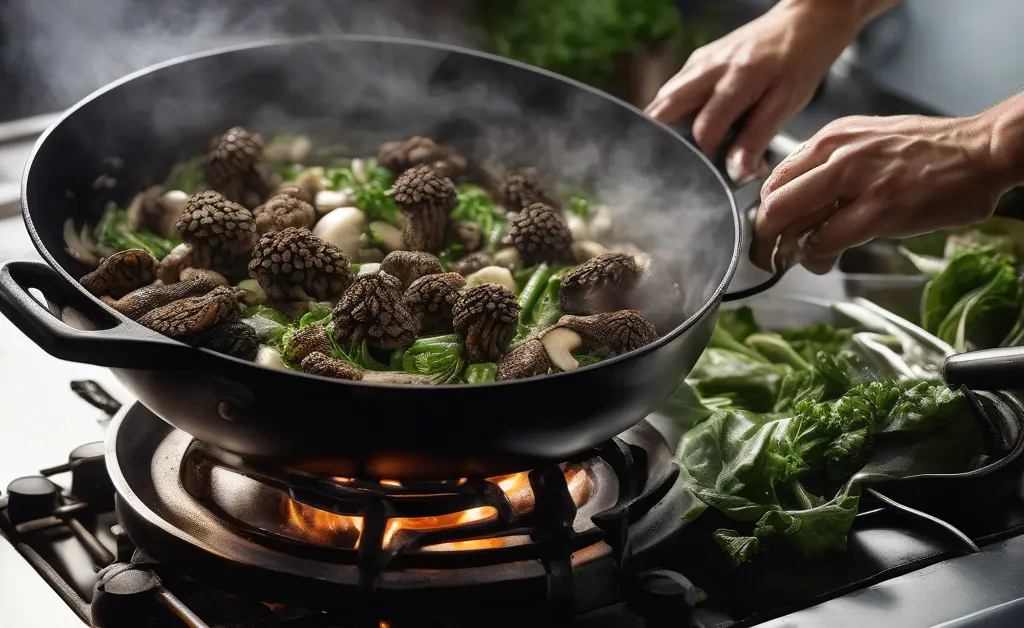
The versatility of morels allows them to shine in a wide array of Chinese dishes, from simple stir-fries to elaborate banquet-style preparations. Their ability to absorb and enhance flavors makes them a favorite among chefs.
One of the most classic preparations is Morel Mushroom Chicken Soup. In this nourishing dish, rehydrated morels are simmered with chicken, creating a rich, earthy broth. Often, traditional Chinese herbs are added to elevate its wellness properties and complexity. The mushroom imparts a deep umami flavor that perfectly complements the savory chicken.
Another popular application is Teochew-style steamed fish with morels. Thinly sliced morels are scattered over a whole fish, such as a pomfret, before it is steamed. The steam releases the mushroom’s aroma, which infuses the delicate fish, while the mushrooms themselves absorb the savory juices.
For a quicker dish, a simple stir-fry of morels with a crisp vegetable like asparagus highlights the mushroom’s unique texture. Finally, for a more intricate presentation, Chinese-style steamed stuffed morels involve filling the hollow caps with a savory mixture of minced meat or seafood before steaming them to perfection. These recipes are just a few examples of the esteemed place the morel mushroom in chinese cooking holds. Exploring morel mushroom harvesting in Wisconsin can offer insights into seasonal availability.
The morel mushroom, or “sheep’s stomach fungus,” is a cherished ingredient in China, revered for its distinctive honeycomb appearance, deep umami flavor, and satisfying texture. Whether foraged from the wild or cultivated, it plays a significant role in both traditional and modern gastronomy. Proper preparation, particularly cleaning and rehydrating dried morels while saving the precious soaking liquid, is essential to its use. From nourishing chicken soups and delicate steamed fish to elegant stir-fries, the morel’s ability to absorb and enrich sauces and broths makes it a truly versatile and luxurious component in the rich tapestry of Chinese cuisine. For information on fungal research and health, consider visiting the NIH.
The purpose of this content is to educate, not to diagnose or treat. The information provided about the culinary and traditional uses of ingredients is for cultural and informational context only. It should not be considered a substitute for professional medical advice, diagnosis, or treatment. Always seek the guidance of a qualified health provider with any questions you may have regarding a medical condition or dietary changes.
FAQ
What are the benefits of lion’s mane?
Lion’s mane mushroom is recognized for its potential to support cognitive function and nerve health. It contains compounds like hericenones and erinacines that are studied for their role in stimulating nerve growth factor synthesis. This may contribute to improved memory and focus.
What is cordyceps used for?
Cordyceps mushrooms have been historically used to enhance energy levels and athletic performance. They are known to play a role in supporting the body’s energy production processes and may aid in oxygen utilization. This makes them relevant for endurance and vitality.
What is the difference between reishi and shiitake?
Reishi mushrooms are often used for their adaptogenic properties, helping the body manage stress and promoting relaxation. Shiitake mushrooms, on the other hand, are prized for their culinary uses and are a good source of nutrients like B vitamins and minerals. Both offer unique benefits for overall wellness.
Are there other types of medicinal mushrooms?
Yes, the world of medicinal mushrooms is vast and includes many other varieties like chaga, turkey tail, and maitake. Each mushroom possesses a unique profile of beneficial compounds and has been studied for distinct health applications. These fungi offer a diverse range of natural support.
What is the Chinese name for morel mushroom?
The morel mushroom in Chinese is called 羊肚菌 (yáng dǔ jùn). This name refers to its distinctive honeycomb-like appearance, which resembles the stomach of a sheep or goat. Morel mushrooms are highly prized for their unique flavor and texture in culinary applications.