
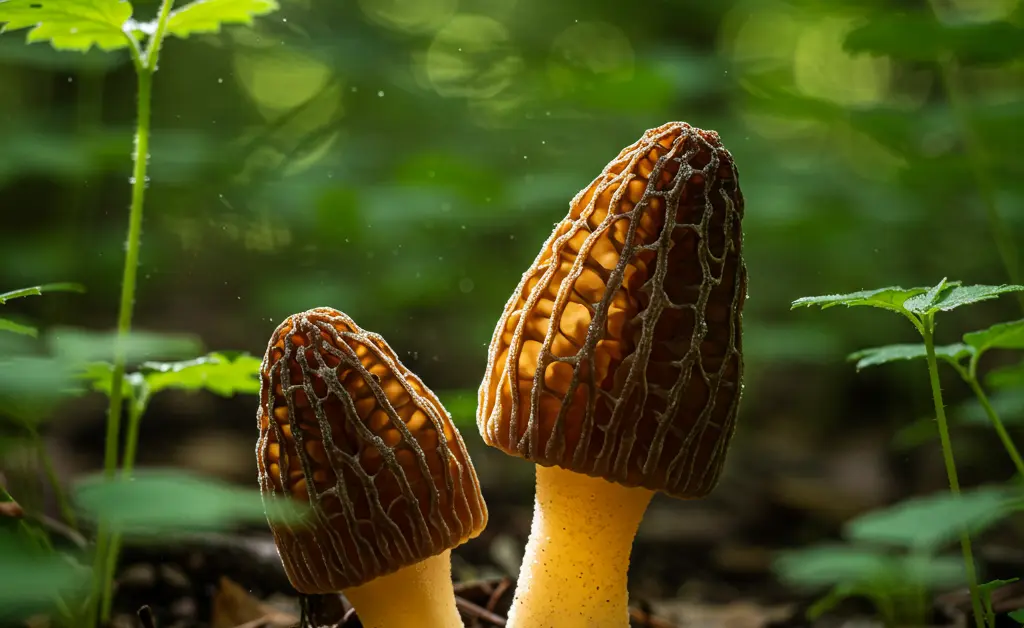
Ever wonder how seasoned foragers seem to spot those elusive morel mushrooms with ease? The truth is, successful morel hunting is a skill developed through practice and keen observation, and learning visually is a powerful way to build confidence. This guide curates the best morel mushroom videos to help you understand what to look for before heading into the woods. Watching experienced hunters in action provides invaluable insight into spotting subtle habitat clues, recognizing dangerous look-alikes, and confirming your finds are safe to eat. From identifying true morels by their hollow stems to learning advanced harvesting techniques, these visual tutorials offer a comprehensive education for foragers looking to sharpen their skills.
Best morel mushroom videos
For both beginner and experienced foragers, video content provides an unparalleled learning tool for mastering the art of morel hunting. Unlike static images or text descriptions, videos capture the subtle nuances of the forest environment, showing exactly how these coveted fungi camouflage themselves on the woodland floor. The best morel mushroom videos offer a dynamic perspective, allowing viewers to see the identification process in real-time and in various lighting and weather conditions. This visual context is crucial for building the pattern recognition skills necessary to spot morels from a distance and distinguish them from leaf litter and other natural debris.
Identifying Common True Morel Varieties
Learning to differentiate between the common types of true morels is a fundamental skill for any forager. Videos excel at showcasing the distinct characteristics of each variety. For example, tutorials often provide side-by-side comparisons of yellow morels (Morchella esculenta group), which are known for their blonde to tan color and robust size, and black morels (Morchella elata group), which typically appear earlier in the season and have darker, more defined ridges. Other varieties, like the half-free morel, are also covered, with videographers pointing out the unique way the cap attaches only partially to the stem. Seeing these differences on camera helps solidify your understanding far more effectively than reading about them alone. For more general information, check out this morel mushroom information guide.
Spotting Dangerous Morel Look-Alikes (Gyromitra & Verpa)
The most critical aspect of morel hunting is confidently distinguishing true morels from their dangerous look-alikes. Certain species of false morels, such as those in the Gyromitra and Verpa genera, can cause severe illness if consumed. Videos are an indispensable resource for learning to identify these toxic mushrooms. Foragers in these videos will often find and demonstrate the key features of a false morel, pointing out the brain-like or wrinkled cap of a Gyromitra species or the cottony-filled stem of a Verpa bohemica. This direct, visual comparison of a true morel next to a false one is one of the most effective ways to learn what to avoid. Understanding the risks involved is paramount for safe foraging, and resources like PubMed offer further insights into mushroom toxicity.
The Hollow Stem Test: A Visual Confirmation
Perhaps the most definitive test for identifying a true morel is the hollow stem test. When a true morel is sliced in half lengthwise, it is completely hollow from the tip of the cap all the way to the bottom of the stem. In contrast, dangerous look-alikes will have a fibrous, cottony, or chambered interior. Watching a video of a hunter performing this test is incredibly reassuring for a novice. It provides a clear, unambiguous demonstration of what to look for, removing any doubt about the internal structure and giving you a simple, reliable method for confirming your finds in the field.
Advanced Identification Techniques (Cap, Pitting, Attachment)
Beyond the hollow stem, advanced identification relies on observing subtler features. Videos allow for close-up shots that highlight these details. For instance, a key characteristic of a true morel is that its cap is fully attached to the stem, without a hanging skirt or free-hanging edge. Videographers can manipulate the mushroom on camera to show this attachment point clearly. Additionally, the cap of a true morel has a distinctive pitted and ridged appearance, resembling a honeycomb, whereas false morels often have a more wrinkled or brain-like surface. Watching these features examined on video helps train your eye to recognize the complete profile of a true morel. For those interested in morel hunting in other parts of the world, consider resources on morel mushroom Australia.
Video Guides for Identifying Morel Mushrooms
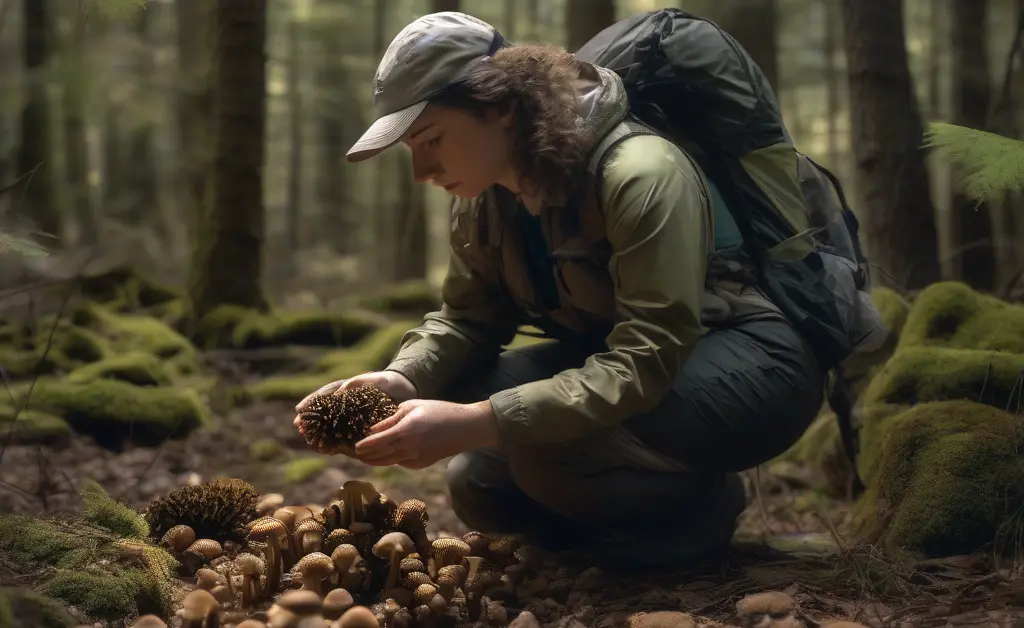
Dedicated video guides for identifying morel mushrooms serve as excellent field references and pre-hunt educational tools. These guides are often created by mycologists or seasoned foragers who meticulously walk viewers through the entire identification process. They cover everything from the mushroom’s overall shape and color to its internal structure and habitat. Many creators use high-definition cameras to capture fine details, making it easier to see the texture of the cap, the point of attachment to the stem, and the results of the hollow stem test. These comprehensive morel mushroom videos are designed to build a strong foundation of knowledge, empowering foragers to make safe and confident identifications.
Expert Tricks for Finding More Morels
Seasoned morel hunters often develop an intuition for spotting these elusive fungi, and many share their secrets through video. These expert tricks go beyond basic tree identification. For example, some hunters look for specific indicator plants that grow in the same soil conditions as morels. Others have learned to spot “the tell,” which might be a subtle glint or shape on the forest floor that signals the presence of a mushroom. Videos can effectively demonstrate how to train your eyes to scan the ground properly and what patterns to look for, significantly increasing your chances of a successful hunt. Discovering unusual occurrences like a morel mushroom once human interaction could be a topic explored in some videos, though the primary focus remains on natural habitats.
Habitat Clues and Tree Association Videos
Understanding morel habitat is just as important as knowing how to identify the mushroom itself. Morels have a symbiotic or mycorrhizal relationship with certain trees, and videos are a fantastic way to learn to identify these trees and the surrounding environment. Many video guides will show you exactly what the bark of a dying elm, an ash tree, or an old apple tree looks like in a real forest setting. They also explore other habitat clues, such as soil composition, moisture levels, and the direction of a slope, explaining why morels tend to thrive in some areas but not others. This on-the-ground perspective is invaluable for learning where to focus your search.
Using a Morel Mushroom Map: Video Tutorials
In recent years, morel mushroom maps have become a popular tool for foragers. These maps often layer different types of data, such as soil types, historical burn sites, and tree species distribution, to predict where morels are likely to grow. However, interpreting this data can be challenging for beginners. Video tutorials that explain how to use these maps are incredibly helpful. They can walk you through the process of navigating the map’s interface, understanding what each data layer represents, and using the information to scout potential new hunting spots from home before you even set foot in the woods.
Video Tips for Finding & Harvesting Morel Mushrooms
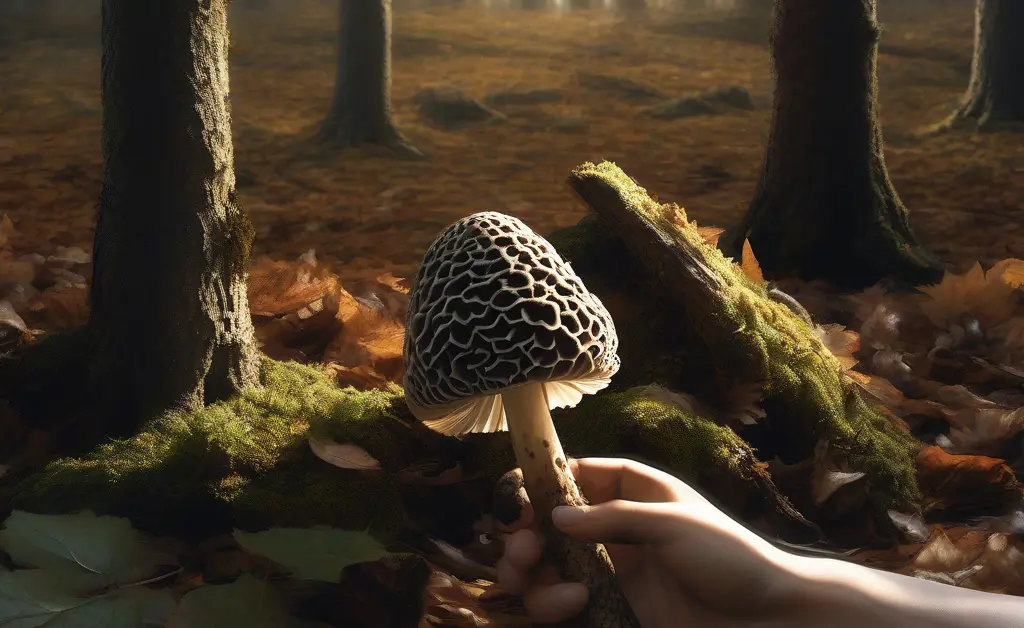
Beyond identification, video tutorials offer practical advice on the entire morel hunting process. These tips often cover ethical harvesting techniques, such as using a mesh bag to allow spores to disperse as you walk, and cutting the mushroom at the base rather than pulling it to protect the delicate mycelial network underground. Furthermore, many morel mushroom videos include tips on how to move through the woods effectively, when to slow down, and how to scan an area thoroughly. This guidance from experienced hunters can help make your time in the forest more efficient, enjoyable, and productive, leading to a better harvest.
Epic Morel Harvest Videos
While highly educational, some of the most popular videos are simply epic morel harvest compilations. These videos showcase foragers discovering astonishingly large patches of morels, sometimes filling multiple bags in a single outing. Though primarily for entertainment and motivation, these videos can also be instructive. They often reveal the type of terrain, ground cover, and forest density that produce such abundant flushes. Watching someone stumble upon a “motherlode” can reignite a forager’s passion for the hunt and provide visual clues about the ideal conditions that lead to such incredible finds.
Ultimately, learning to hunt for morel mushrooms is a journey that combines knowledge with hands-on experience. Visual learning through videos provides an accessible and effective way to build a strong foundation before you head out. By studying identification techniques, habitat clues, and harvesting methods shown by experts, you can significantly improve your confidence and success rate. The ability to pause, rewind, and re-watch key details makes video an indispensable tool for any aspiring or veteran forager looking to deepen their understanding and enjoy the rewarding pursuit of morels. For those curious about other mushroom varieties, information on porcini mushroom in India might be of interest.
This information should be viewed as educational rather than medical advice. The content in this article is for informational purposes only and is not a substitute for professional guidance from a mycologist or experienced local forager. Never consume a wild mushroom unless you are 100% certain of its identification, as misidentification can lead to serious illness or be fatal. It is your responsibility to ensure the safety and edibility of any wild fungus you collect.
FAQ
What are the key visual differences between a true and false morel on video?
True morels, when viewed in videos, possess a distinct honeycomb-like appearance across their entire cap, with the pits and ridges being continuous and running the full depth of the cap. False morels, often depicted with wrinkled or brain-like caps, typically have these irregular folds attached only at the tip of the stem, creating a distinct separation that is usually visible in well-made identification videos.
What are the main types of morel mushrooms shown in identification videos?
Identification videos commonly showcase the yellow morel (Morchella esculentoides) and the black morel (Morchella elata) as they are among the most sought-after species. These videos also frequently highlight geographical variations and sometimes less common types like the half-free morel (Morchella semilibera).
Are there videos that show what the inside of a true morel looks like?
Yes, many instructional videos demonstrate cutting a true morel lengthwise to reveal its hollow interior from cap to stem. This characteristic hollowness is a crucial identifier distinguishing true morels from some poisonous look-alikes, and its clarity in a video can be very helpful for learning.
What’s the best video guide for a beginner morel hunter?
The most effective video guides for novice morel hunters typically focus on clear, close-up footage of key identification features, alongside habitat information and explanations of common mistakes. Look for resources that consistently illustrate the critical differences between true morels and their toxic counterparts, often providing side-by-side comparisons.
How can you identify morel look-alikes like Gyromitra or Verpa in a video?
Videos illustrating morel look-alikes often highlight the distinctive features of species like Gyromitra (false morels) and Verpa. Gyromitra species typically have a brain-like, lobed cap that is often significantly detached from the stem, while Verpa species may have a cap that is only loosely attached to the stem, appearing somewhat skirt-like, features easily observable in comparative footage.