As the world increasingly turns to nature for wellness solutions, specific fungi have garnered significant attention for their purported health benefits. Among these, Tremella mushroom and Lion’s Mane mushroom stand out, each celebrated for distinct properties ranging from cognitive enhancement to skin hydration. While both are highly valued in traditional and modern health practices, their active compounds, mechanisms of action, and primary applications differ considerably. Understanding these distinctions is crucial for anyone looking to incorporate them into their wellness routine. This article aims to provide a comprehensive comparison, exploring the nuances of tremella mushroom vs lion’s mane to clarify their individual strengths and potential combined uses.
Understanding Tremella Mushroom: Benefits and Properties
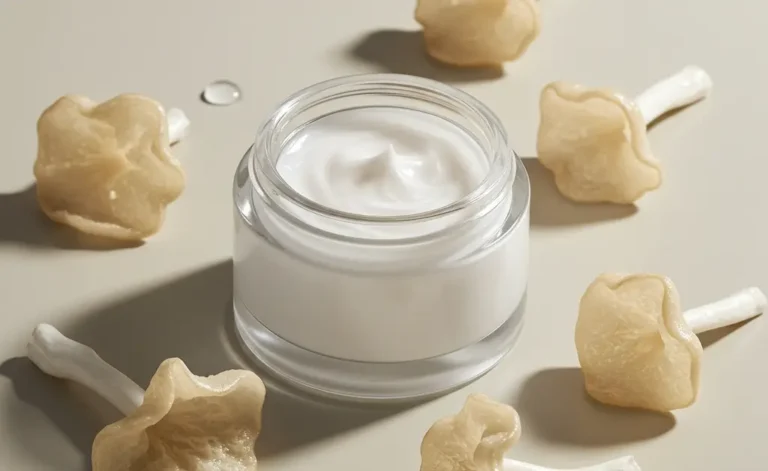
The Tremella mushroom, also known as Snow mushroom or Silver ear mushroom, has been a revered ingredient in traditional Chinese medicine (TCM) and culinary practices for centuries. For those curious about the naming, a detailed tremella mushroom vs snow fungus discussion can clarify why these terms are often used interchangeably. Its gelatinous texture and subtle flavor make it a popular addition to desserts and soups. Beyond its culinary appeal, Tremella is highly prized for its unique composition and potential health benefits. When discussing functional fungi, the topic of tremella mushroom vs lion’s mane often arises, as Tremella primarily focuses on hydration and beauty from within.
This fungi is rich in polysaccharides, which are complex carbohydrates studied for their potential to support various bodily functions. Tremella polysaccharides are particularly noted for their ability to hold significant amounts of water, similar to hyaluronic acid. This property contributes to its reputation as a “beauty mushroom,” traditionally used to promote skin health, elasticity, and hydration. Additionally, Tremella mushroom is believed to offer immune support and act as an antioxidant, helping to protect cells from oxidative stress. Its adaptogenic qualities are also explored, suggesting a role in helping the body adapt to various stressors.
Understanding Lion’s Mane Mushroom: Cognitive Benefits and Properties
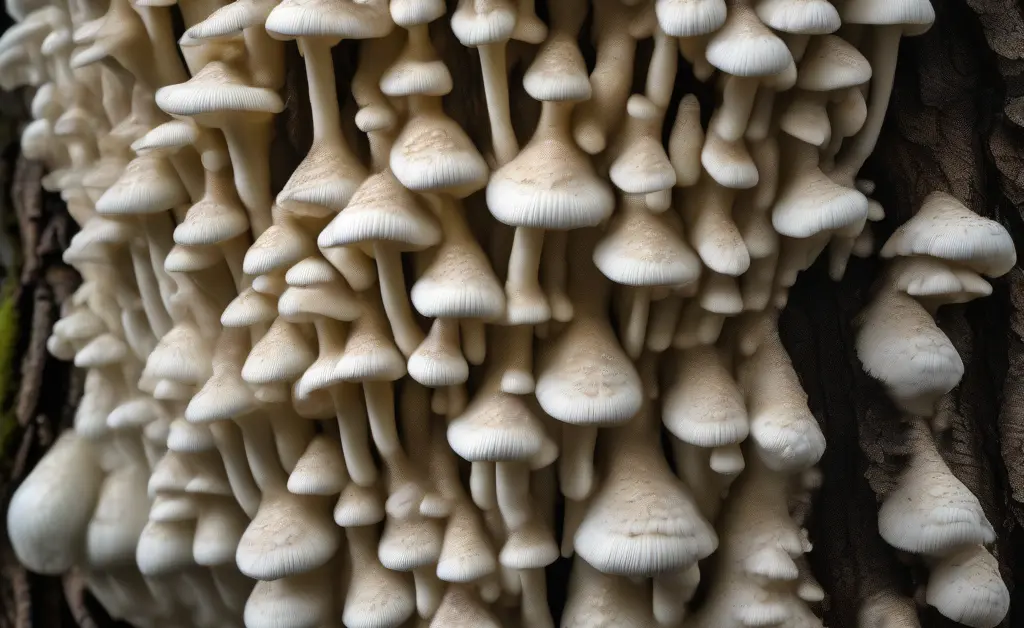
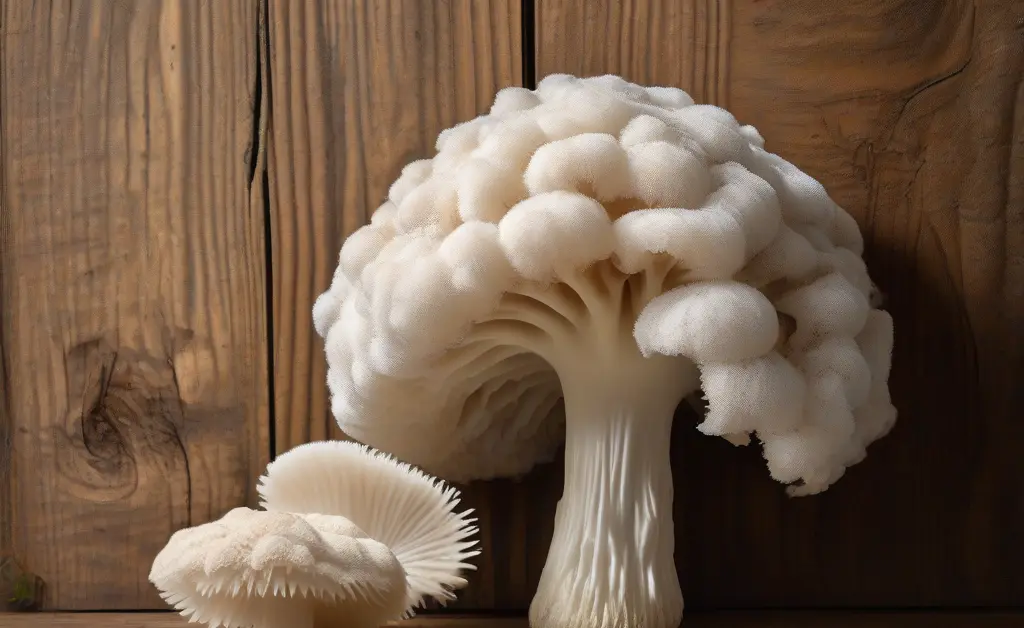
Lion’s Mane mushroom, scientifically known as Hericium erinaceus, is a striking fungi recognized by its cascading, white, shaggy spines that resemble a lion’s mane. Native to North America, Europe, and Asia, it has been used in traditional Eastern medicine for centuries to support overall health and vitality. This distinct mushroom has gained significant attention in modern wellness circles for its remarkable potential to support cognitive function and brain health. Many people explore options like tremella mushroom vs lion’s mane when seeking different kinds of functional support, with Lion’s Mane being a standout for its nootropic properties.
The primary draw of Lion’s Mane lies in its unique active compounds, specifically hericenones and erinacines, which are found in its fruiting body and mycelium, respectively. These compounds are studied for their potential to stimulate the production of Nerve Growth Factor (NGF) in the brain. NGF is crucial for the growth, maintenance, and survival of neurons. By potentially supporting neurogenesis, Lion’s Mane may contribute to improved memory, focus, and overall cognitive function. It is also explored for its neuroprotective qualities, anti-inflammatory effects, and potential role in supporting gut health, further solidifying its reputation as a powerful adaptogen for brain and nerve support.
Tremella Mushroom vs. Lion’s Mane: A Direct Comparison
When evaluating functional mushrooms for their distinct contributions to health and wellness, a direct comparison of tremella mushroom vs lion’s mane reveals their specialized applications. While both are highly valued fungi, their individual characteristics, active compounds, and primary benefits set them apart, guiding consumers toward the best choice for their specific needs.
Key Differences in Appearance and Origin
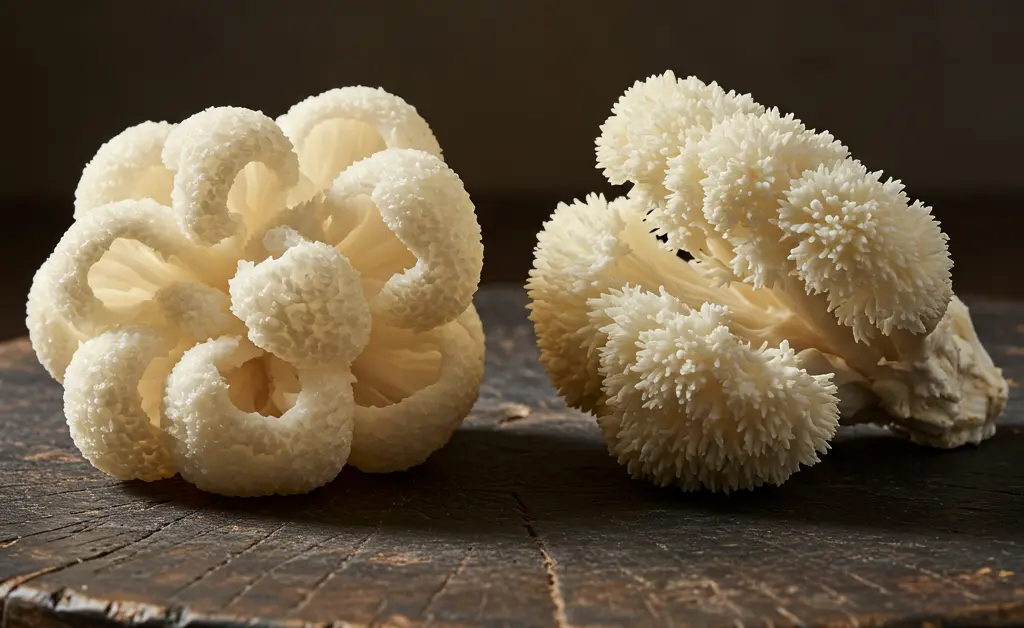
The visual distinctions between Tremella and Lion’s Mane are quite pronounced. Tremella, often called Snow mushroom or Silver ear mushroom, presents a delicate, translucent, and gelatinous appearance, typically white or pale yellow, resembling a ruffled jellyfish or coral. It thrives in tropical and subtropical regions, predominantly on broadleaf trees, and has deep roots in traditional Chinese medicine.
In contrast, Lion’s Mane mushroom (Hericium erinaceus) is unmistakable with its striking, shaggy, white icicle-like spines that can grow to several centimeters long, giving it the appearance of a cascading mane. It is typically found on hardwood trees in temperate forests across North America, Europe, and Asia. Its unique look is as distinctive as its purported cognitive benefits.
Comparing Active Compounds and Mechanisms
The therapeutic effects of Tremella and Lion’s Mane stem from their distinct biochemical compositions. Tremella mushroom is particularly rich in polysaccharides, notably a glucuronoxylomannan polysaccharide, which possesses a unique molecular structure allowing it to hold a significant amount of water. This property is often compared to hyaluronic acid, contributing to Tremella’s potential for skin hydration and promoting skin elasticity.
Lion’s Mane, on the other hand, is known for its diterpenoid compounds: hericenones (found in the fruiting body) and erinacines (found in the mycelium). These unique compounds are the subject of research for their potential to cross the blood-brain barrier and stimulate the production of Nerve Growth Factor (NGF). This mechanism is thought to support neurogenesis, contributing to the mushroom’s touted cognitive benefits and neuroprotective qualities.
Contrasting Health Benefits and Applications
The primary health benefits and applications of Tremella and Lion’s Mane diverge significantly, reflecting their unique active compounds. When considering beauty benefits, understanding the differences in a tremella mushroom vs collagen analysis can be useful. Tremella mushroom is predominantly celebrated for its beauty-enhancing properties, particularly its ability to promote skin health, hydration, and a youthful complexion due to its water-retaining polysaccharides. It is also recognized for immune support and antioxidant effects. Its traditional uses often revolve around wellness for skin and general vitality.
Lion’s Mane, conversely, is a leading adaptogen for brain health and cognitive function. Its application is primarily focused on supporting memory, focus, and overall brain performance by potentially stimulating nerve growth factor. It is often considered a nootropic, with benefits explored for neuroprotection and mental clarity. While it may also offer general anti-inflammatory and immune support, its primary reputation is rooted in its profound impact on neurological pathways.
Flavor Profiles and Culinary Uses Compared
Beyond their health benefits, Tremella and Lion’s Mane also offer distinct culinary experiences. Tremella mushroom has a very mild, almost neutral flavor, with a unique gelatinous, slightly crunchy texture. It readily absorbs the flavors of accompanying ingredients, making it versatile in both sweet and savory dishes, though it is most commonly found in traditional Chinese desserts, soups, and beverages where its hydrating properties are valued.
Lion’s Mane, in contrast, boasts a more savory and distinctive flavor profile. Many describe its taste as reminiscent of seafood, like crab or lobster, with a tender, meaty texture. This makes it an excellent culinary substitute for seafood or meat in vegetarian and vegan dishes. It is often sautéed, fried, or added to stir-fries and soups, where its unique taste and texture can truly shine.
Can Tremella and Lion’s Mane Be Taken Together?
Given their distinct yet complementary benefits, many individuals wonder if Tremella mushroom and Lion’s Mane mushroom can be combined. Generally, there is no known contraindication for taking these two functional fungi together. In fact, their different primary areas of action – Tremella for skin and immune support, and Lion’s Mane for cognitive function – suggest that they could offer a more holistic approach to wellness when used in conjunction. Functional mushroom enthusiasts often explore combinations of various medicinal mushroom names to achieve broader health goals.
When considering any mushroom supplement combination, it is always important to select high-quality extracts or powders from reputable sources. Consulting with a healthcare professional before starting any new supplement regimen is also advisable, especially for individuals with underlying health conditions or those taking other medications. The goal of combining such supplements is often to leverage their unique strengths for enhanced overall well-being.
Potential Synergistic Effects of Combination
Combining Tremella and Lion’s Mane may offer potential synergistic benefits, addressing a broader spectrum of health needs than either mushroom could achieve alone. Tremella’s focus on internal hydration, skin elasticity, and immune support complements Lion’s Mane’s profound influence on cognitive function, neuroprotection, and brain health.
Imagine supporting your skin’s vitality and immune system with Tremella, while simultaneously bolstering your memory, focus, and overall brain health with Lion’s Mane. This dual approach could lead to an enhanced feeling of overall well-being. For example, the adaptogenic qualities of both fungi could work together to help the body manage stress more effectively, contributing to both physical resilience and mental clarity. While Tremella works as a “beauty adaptogen,” Lion’s Mane functions as a “cognitive adaptogen,” creating a comprehensive wellness strategy.
Dosage Considerations for Combined Use
When considering the combined use of Tremella mushroom and Lion’s Mane mushroom, it is important to approach dosage thoughtfully. The appropriate amount can vary significantly based on the form of the supplement (e.g., mushroom extract, mushroom powder), its concentration, and individual physiological factors. It is generally recommended to start with a smaller serving to assess individual tolerance and response. Following the guidance provided by reputable manufacturers on their product labels is a common practice. For information on supplement regulation, consumers can consult resources from the FDA.
For those interested in exploring these functional fungi, sourcing high-quality products is paramount. Looking for supplements that specify the concentration of active compounds, such as polysaccharides for Tremella or hericenones/erinacines for Lion’s Mane, can be helpful. However, specific numerical values for intake are not provided here, as individual needs may differ, and professional guidance is always beneficial. Listening to your body and adjusting intake as needed, under professional advice, ensures a responsible approach to supplementation.
Tremella vs. Lion’s Mane: Which is Right for You?
Deciding which mushroom, or combination, is right for you ultimately depends on your individual health goals and priorities. If your primary aim is to enhance skin hydration, support skin elasticity, boost immune function, and experience beauty benefits from within, Tremella mushroom is likely your ideal choice. Its unique polysaccharides offer a natural way to potentially rejuvenate the skin and support overall vitality.
However, if your focus is on cognitive enhancement, improving memory and focus, supporting brain health, and promoting neurogenesis, then Lion’s Mane mushroom is the more targeted option. Its distinct compounds, hericenones and erinacines, are specifically studied for their effects on nerve growth and cognitive function. For those seeking comprehensive wellness that includes both beauty and brain support, exploring the combined benefits of tremella mushroom vs lion’s mane could offer a synergistic approach. Assessing your personal health goals and consulting with a health professional can help guide your decision in choosing the most suitable mushroom supplement for your needs.
Both Tremella mushroom and Lion’s Mane mushroom offer compelling health benefits, though their primary applications differ significantly. Tremella shines in the realm of skin health, hydration, and immune support, often referred to as the “beauty mushroom.” Lion’s Mane, conversely, stands out as a powerful nootropic, celebrated for its potential to enhance cognitive function and promote brain health. Understanding these distinctions allows individuals to make informed choices based on their specific wellness goals. Whether chosen individually or potentially combined for synergistic effects, these functional fungi continue to demonstrate the profound value of nature’s pharmacopoeia in supporting human well-being.
This content is for informational use and should not be considered medical instruction. It is not intended to provide medical advice, diagnosis, or treatment. Always consult with a qualified healthcare professional before making any decisions about your health or starting any new supplement regimen. Individual results may vary, and the information provided does not guarantee specific outcomes.
FAQ
— What are the main differences between Tremella and Lion’s Mane mushrooms?
Exploring the distinctions between tremella mushroom vs lion’s mane reveals their unique health specializations. Tremella is widely recognized for its rich polysaccharide content, which is linked to its properties in supporting skin hydration and elasticity. Conversely, Lion’s Mane is known for its hericenones and erinacines, compounds that are relevant to nerve growth factor support and cognitive health.
— Which mushroom is better for skin health, Tremella or Lion’s Mane?
Tremella is often referred to as the “beauty mushroom” due to its rich content of polysaccharides that can hold significant amounts of water, supporting skin hydration and elasticity. Its unique molecular structure is thought to contribute to its moisturizing properties. Lion’s Mane, while possessing general antioxidant properties, is not primarily recognized for skin-specific benefits in the same way.
— Does Lion’s Mane or Tremella offer more cognitive benefits?
Lion’s Mane mushroom is widely studied for its potential support of cognitive functions, including memory and focus. This is attributed to compounds like hericenones and erinacines, which are relevant to the production of nerve growth factor (NGF). While Tremella possesses antioxidant properties that generally support cellular health, it is not specifically known for direct cognitive enhancement.
— Are Tremella and Lion’s Mane mushrooms both considered adaptogens?
The classification of adaptogen refers to substances that help the body adapt to stress and maintain balance. While both mushrooms offer various health-supporting properties, Lion’s Mane is sometimes discussed in the context of adaptogenic effects due to its potential to support nervous system resilience, whereas Tremella is not typically categorized as an adaptogen.
— What are the unique health benefits of Tremella vs. Lion’s Mane?
Tremella is celebrated for its ability to support skin health, hydration, and overall beauty due to its unique polysaccharide profile. Lion’s Mane, on the other hand, is particularly recognized for its role in supporting cognitive function and nerve health, attributed to its specific compounds that influence nerve growth factor. Each mushroom offers distinct contributions to wellness, reflecting their different biochemical compositions and historical uses.
— Is it safe to combine Tremella and Lion’s Mane supplements?
Combining these functional mushrooms is generally considered compatible, as they offer complementary rather than conflicting benefits. Tremella primarily supports hydration and skin, while Lion’s Mane focuses on cognitive and nerve health. Many individuals choose to use both together to support a broader spectrum of wellness.