Do you ever find yourself pondering the best way to prepare king oyster mushrooms for your culinary creations? These versatile fungi, known for their firm texture and umami flavor, require specific cutting techniques to unlock their full potential in dishes. Whether you aim for delicate slices, robust cubes, or shredded pieces that mimic pulled meat, the method you choose significantly impacts both the cooking process and the final eating experience. Mastering how to cut king oyster mushroom properly can elevate your cooking, ensuring even cooking, optimal flavor absorption, and appealing presentation. This guide will walk you through various common techniques, from precise slicing and dicing to creative shredding, equipping you with the skills to prepare these unique mushrooms perfectly every time.
How to Cut King Oyster Mushrooms: Common Techniques and Shapes
Before diving into specific cuts, understanding the essential steps and tools for preparing these unique fungi is crucial. Knowing how to cut king oyster mushroom effectively begins with having the right equipment and performing preliminary trims. Before you master these cuts, you might also wonder how to prepare turkey tail mushroom for different dishes.
Gathering the Right Tools (Knife and Cutting Board)
The foundation of any successful mushroom preparation starts with your tools. A sharp chef’s knife is paramount, as it allows for clean, precise cuts, minimizing the risk of slippage and ensuring the mushroom’s texture isn’t bruised or torn. A stable cutting board, preferably one that doesn’t slip on your countertop, is equally important for safety and efficiency. These basic tools are essential for any technique you choose. It’s also important to understand how to store king oyster mushroom properly to maintain freshness.
Trimming the Stem Base
King oyster mushrooms, also known as King Trumpet Mushrooms or Pleurotus eryngii, typically come with a firm, sometimes slightly discolored, stem base. This part is generally tough and fibrous, making it less palatable than the rest of the mushroom. To prepare your mushrooms, place them on a cutting board and carefully trim about half an inch to an inch off the very bottom of the stem using your sharp knife. This small cut removes the undesirable portion while preserving the delicious stalk.
What part of the mushroom do you cut off?
When preparing King Oyster Mushrooms, the primary part you cut off is the very bottom of the stem base, as it can be woody or tough. The rest of the mushroom, including the stout stem and the small cap, is entirely edible and flavorful. Many people wonder, “Do you eat king oyster mushroom stems?” The answer is a resounding yes! Unlike many other mushroom varieties where only the cap is preferred, the sturdy stalk of the king oyster mushroom is prized for its meaty texture and ability to absorb flavors, making it suitable for a wide range of culinary applications. The small caps are also perfectly fine to cook and consume. Understanding the components of fungi, including king oyster mushrooms, is a topic explored by organizations such as the NIH. For more unique culinary adventures, explore various turkey tail mushroom recipes.
How to Slice King Oyster Mushrooms
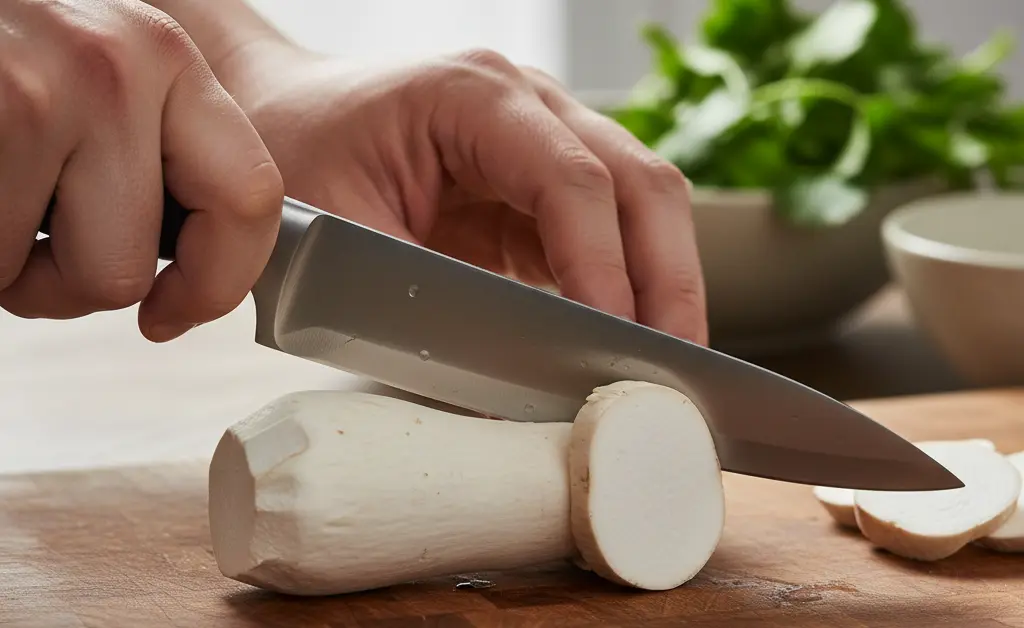
Slicing is one of the most common ways to prepare King Oyster Mushrooms, opening up a world of culinary possibilities, from stir-fries to elegant side dishes. Mastering the art of how to cut king oyster mushroom into various slices can dramatically change a dish’s texture and cooking time.
Cutting Thinly vs. Thickly
The thickness of your slices significantly impacts the final dish. Thinly sliced mushroom pieces will cook faster and become more tender, ideal for quick sautés, delicate garnishes, or when you want the mushroom to meld into a sauce. Thicker slices, on the other hand, retain more of their meaty texture, offering a more substantial bite. These are perfect for grilling, roasting, or creating medallions that stand out in a dish. Consider the cooking method and desired texture when deciding whether to slice thinly or thick.
Creating Lengthwise Slices
For impressive, elongated pieces, creating lengthwise slices is the preferred technique. Begin by cutting the mushroom in half lengthwise. Then, place each half flat side down on your cutting board. Using your sharp knife, slice along the length of the mushroom to create long strips or planks. This method preserves the natural fibers of the mushroom, resulting in a robust, chewy texture that can mimic meat in vegan preparations. These planks are excellent for searing or grilling.
Achieving Crosswise Slices (Rounds or Coins)
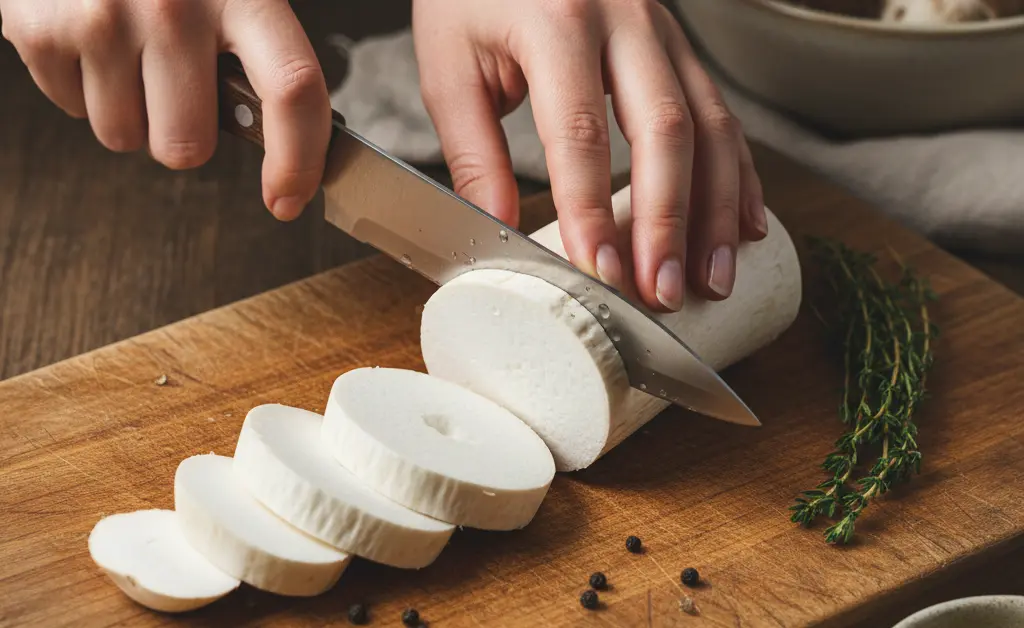
If you prefer uniform, round pieces, crosswise slicing is the way to go. Place the entire trimmed mushroom on its side on the cutting board. Then, using a steady hand, slice the mushroom into even rounds or coins across its width. The thickness can vary based on your preference, from thin medallions to thicker discs. These rounds are visually appealing and cook evenly, making them suitable for everything from pan-frying to adding to soups or hotpots.
How to Dice King Oyster Mushrooms
Dicing King Oyster Mushrooms provides small, uniform pieces that are excellent for adding texture and flavor to a variety of dishes, such as fried rice, spaghetti, or as a component in stuffings. Knowing how to cut king oyster mushroom into precise dice ensures consistency in your cooking.
Steps for Small Dices
To create small dices, start by cutting the mushroom into planks or thick slices, as described in the slicing techniques. Once you have your planks, stack a few together if they are stable, or work with one at a time. Cut the planks into uniform strips. Finally, turn the strips 90 degrees and chop across them to create small, evenly sized cubes. This technique is ideal when you want the mushroom to blend seamlessly into a sauce or filling, offering bursts of umami flavor without dominating the dish.
Steps for Larger Cubes
For more substantial, larger cubes, the process is similar but with wider cuts. Begin by cutting the mushroom into thicker planks or medallions. Then, cut these thicker pieces into wider strips. Turn the strips and chop across them to form generous cubes. These larger pieces hold their shape well during cooking and provide a satisfying, meaty texture. They are perfect for stews, skewers, or when you want the mushroom to be a prominent component in a stir-fry or other hearty dish.
How to Shred King Oyster Mushrooms
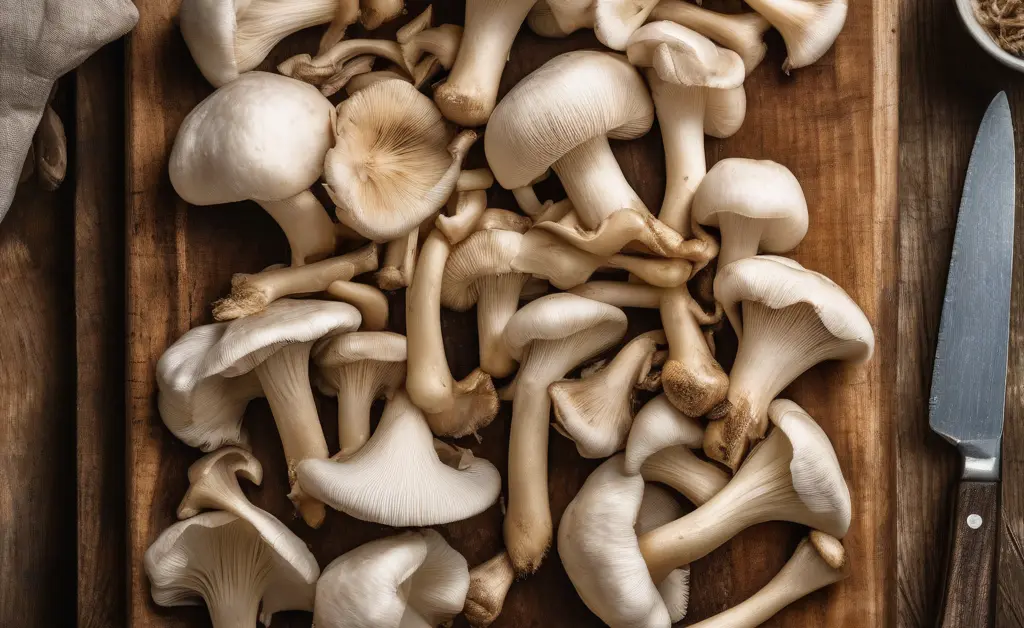
Shredding King Oyster Mushrooms is a unique preparation method that transforms their firm texture into a delightful, stringy consistency, often used to replicate pulled meat in vegan recipes. This innovative approach to how to cut king oyster mushroom opens up exciting culinary possibilities.
Manual Shredding Techniques
Manual shredding allows you to create rustic, irregular strips that possess a distinct chewiness. After trimming the mushroom base, you can start by gently pulling the mushroom apart lengthwise with your hands. The fibers of the King Oyster Mushroom naturally lend themselves to this process. Alternatively, you can make a few shallow cuts lengthwise into the mushroom and then use your fingers to pull the sections apart along those lines. This method yields uneven, meat-like pieces that are excellent for absorbing marinades and spices, perfect for dishes like vegan “pulled pork” sandwiches or tacos.
Using a Fork for a ‘Pulled’ Texture
For an even more refined ‘pulled’ texture, a fork can be an invaluable tool. After trimming the mushroom, you can either gently steam or boil the whole mushroom for a few minutes to soften it slightly, or work with it raw if it’s not too firm. Then, hold the mushroom firmly and use a fork to scrape along the length of the stem, pulling away thin strands of mushroom. The tines of the fork help separate the fibers, creating a remarkably similar texture to pulled chicken or pork. This technique is particularly effective for dishes like vegan “crab cakes” or shredded mushroom salads, offering a truly unique mouthfeel.
Mastering the various ways to cut King Oyster Mushrooms—whether slicing, dicing, or shredding—empowers you to unlock the full potential of this versatile fungus in your kitchen. Each technique offers a unique texture and presentation, allowing you to tailor your mushroom preparation to suit any recipe or desired culinary outcome. Experiment with these methods to elevate your dishes and fully appreciate the distinctive qualities of the King Oyster Mushroom.
not applicable
FAQ
— What parts of a king oyster mushroom should you trim before cutting?
The very bottom, tough, fibrous section of the stem, where it was attached to its growing medium, should be trimmed. Unlike some other varieties, the entire stem and cap of the king oyster are valued for their texture and flavor, so only remove any discolored or overly dry parts at the base.
— What tools are best for cutting king oyster mushrooms?
A sharp chef’s knife or a sturdy paring knife is generally ideal for preparing king oyster mushrooms. Their dense, firm texture benefits from a clean, precise cut rather than tearing or squishing. Using a well-sharpened blade ensures safety and yields neat pieces for cooking.
— Are there different ways to cut king oyster mushrooms?
Absolutely, there are several versatile methods for how to cut king oyster mushroom, each yielding different textures and aesthetic qualities suitable for various dishes. You can slice them crosswise into rounds, lengthwise into planks, or even dice them for smaller preparations. The chosen approach often depends on the specific recipe and desired presentation.
— How do you get lengthwise slices from a king oyster mushroom?
To achieve lengthwise slices, simply place the king oyster mushroom on its side on a cutting board. Carefully slice along the entire length of the stem, creating uniform planks of your desired thickness. This method is excellent for applications where a “steak-like” or “scallop-like” texture is intended.
— What are common shapes to cut king oyster mushrooms into?
King oyster mushrooms are commonly cut into thick rounds or “scallops” for sautéing or grilling, which showcases their meaty texture. They are also often sliced lengthwise into planks, sometimes referred to as “steaks,” perfect for roasting or searing. Additionally, dicing or quartering can be used for stir-fries or stews where smaller, bite-sized pieces are preferred.