
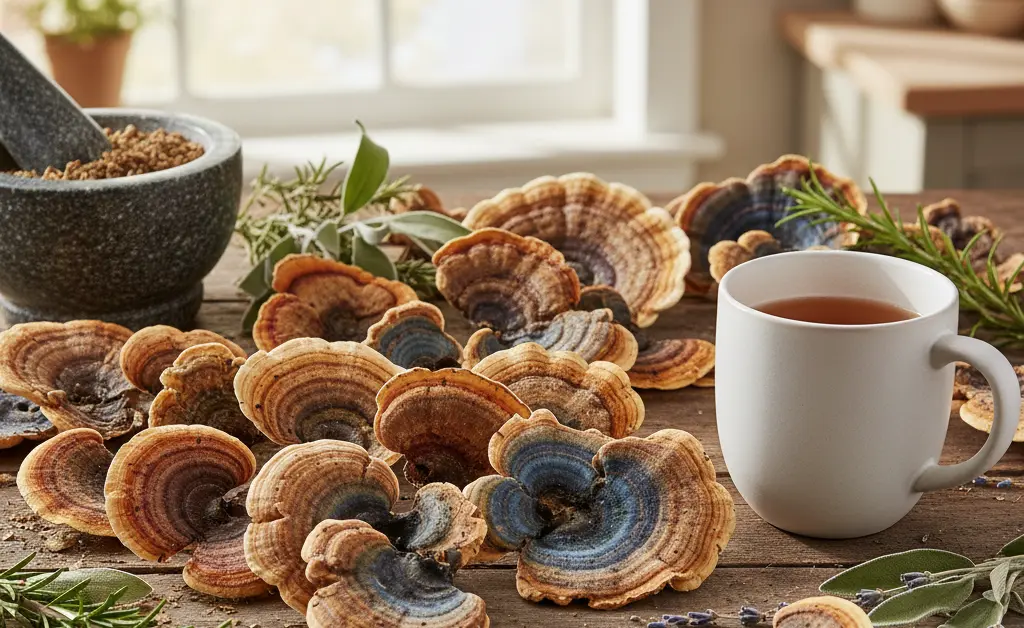
Turkey Tail mushrooms (Trametes versicolor) are distinct fan-shaped fungi widely recognized for their vibrant, concentric rings and significant wellness potential. Found growing on dead logs and branches in forests worldwide, these powerful medicinal mushrooms have been utilized in traditional practices for centuries, particularly for their immune-modulating compounds. While not typically consumed for their texture like culinary mushrooms, their benefits are primarily extracted through various preparation methods. Understanding how to prepare turkey tail mushroom properly is crucial to unlock its bioactive compounds, transforming raw specimens into potent teas, tinctures, or powders. This guide will explore comprehensive techniques for cleaning, drying, grinding, and effectively extracting the beneficial properties of turkey tail, ensuring you can integrate this remarkable fungus into your health regimen.
How to Prepare and Process Turkey Tail Mushrooms
The journey to utilizing the beneficial compounds of this fungus begins with proper handling and processing. Learning how to prepare turkey tail mushroom effectively ensures maximum potency and longevity of the product. From initial cleaning to grinding into a fine powder, each step is vital for creating a high-quality ingredient ready for various applications.
Cleaning and Inspecting Fresh Specimens
When collecting or receiving fresh turkey tail specimens, the first step is thorough cleaning and inspection. Carefully remove any debris such as soil, leaves, or twigs attached to the fruiting body. Inspect the mushroom closely for any signs of mold, rot, or insect infestation. While turkey tail mushrooms are generally safe, proper identification is crucial to avoid any poisonous look-alikes. For general health and safety information, you can refer to resources like the CDC. Gently brush off dirt with a soft brush or a damp cloth. Avoid submerging the mushrooms in water for extended periods, as this can reduce their potency and make drying more difficult.
Sizing and Breaking Down Turkey Tail Pieces
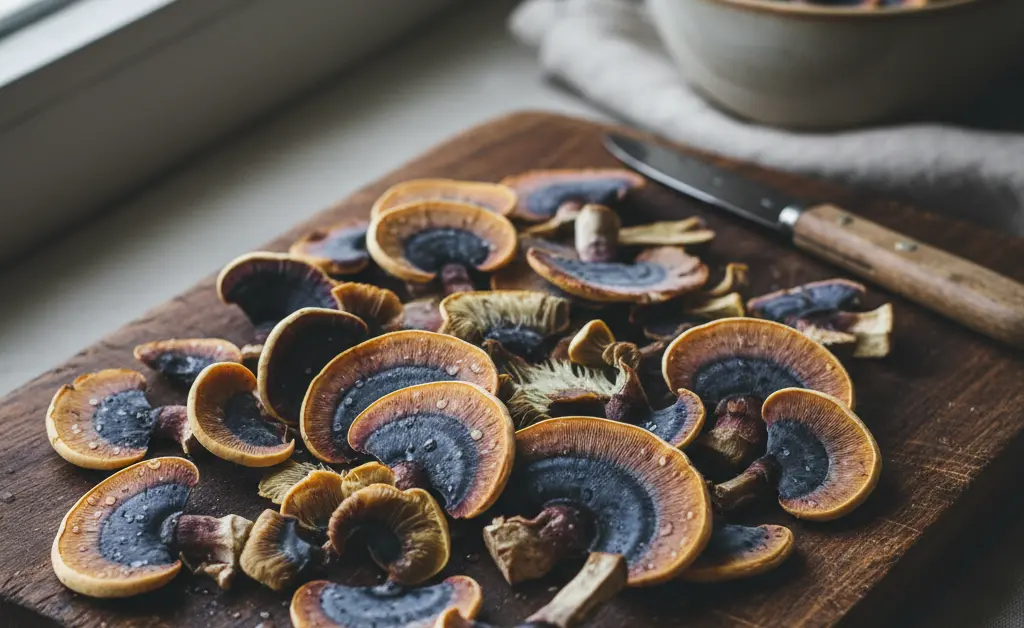
Fresh turkey tail mushrooms can be quite tough and fibrous. To facilitate drying and subsequent extraction, it’s beneficial to break them down into smaller, more manageable pieces. This can be done by hand, or by using sharp shears or a sturdy knife to slice or chop the mushrooms. Smaller pieces will dry more quickly and efficiently, and will also be easier to grind into powder later. Aim for uniform pieces to ensure consistent drying times.
How to Dry Turkey Tail Mushrooms for Later Use
Drying is a critical step in preparing turkey tail mushrooms, preserving their beneficial compounds and extending their shelf life. Several methods can be employed. Air drying in a well-ventilated area can work, but a food dehydrator is often preferred for its efficiency and controlled environment. Arrange the cleaned and sized turkey tail pieces in a single layer on dehydrator trays. Set the temperature to a moderate level and allow them to dry until they are brittle and snap easily, typically taking several hours. Proper drying prevents mold growth and ensures the mushrooms are stable for storage.
Grinding Dried Turkey Tail into Powder
Once thoroughly dried, turkey tail mushrooms can be ground into a fine powder, which is ideal for teas, tinctures, or culinary applications. A high-speed blender, coffee grinder, or spice grinder works effectively for this task. Process the dried pieces until a consistent, fine powder is achieved. This increases the surface area, making it easier to extract compounds during brewing and enhancing bioavailability. Store the turkey tail powder in an airtight container in a cool, dark place to maintain its potency and freshness.
Methods for Preparing Turkey Tail Tea and Tinctures
Extracting the full spectrum of beneficial compounds from turkey tail mushrooms requires specific preparation methods. Whether you’re interested in a simple infusion or a comprehensive dual-extraction, understanding these techniques is key to appreciating how to prepare turkey tail mushroom for optimal wellness support.
Brewing Turkey Tail Tea
A simple turkey tail tea is an accessible way to enjoy some of the water-soluble compounds. To brew, take dried and preferably powdered turkey tail mushroom. Place it in a tea infuser or directly into a cup. Pour hot, but not boiling, water over the mushroom material. Allow it to infuse for about 10-15 minutes. This method provides a milder extraction suitable for daily enjoyment. While beneficial, a simple tea may not extract the full range of compounds that require longer simmering.
Creating a Turkey Tail Decoction
For a more potent extraction of water-soluble polysaccharides and beta-glucans, a decoction is preferred over a simple tea. A decoction involves simmering the dried turkey tail mushroom material in water for an extended period. Typically, the mushroom pieces or powder are added to water and brought to a gentle simmer. This process, often lasting for several hours, helps break down the tough cell walls of the fungus, releasing a greater concentration of its beneficial compounds. Strain the liquid, and the resulting decoction can be consumed warm or stored for later use.
Making a Dual-Extraction Turkey Tail Tincture
A dual-extraction tincture is considered the most comprehensive method to capture both water-soluble and alcohol-soluble compounds from turkey tail mushrooms. This process involves two distinct stages: first, an alcohol extraction to draw out triterpenoids and other alcohol-soluble components, followed by a hot water extraction (decoction) to extract polysaccharides like beta-glucans. The two resulting liquids are then combined. This meticulous method ensures a broad spectrum of the mushroom’s beneficial properties are preserved, offering a potent and shelf-stable product.
Recommended Simmering Times and Temperatures for Extraction
Optimizing extraction and potency for turkey tail hinges on appropriate simmering times and temperatures, particularly for decoctions and the water phase of dual extractions. For a robust decoction, gentle simmering for at least one to three hours is commonly recommended. The goal is to maintain a consistent, low boil or simmer, avoiding excessive heat that could potentially degrade certain delicate compounds. This prolonged exposure to heat helps break down the chitin in the mushroom cell walls, making the beneficial compounds more bioavailable. For tinctures, the alcohol extraction phase typically involves soaking the mushrooms in high-proof alcohol for several weeks, followed by the specific water extraction guidelines.
Recipes for Cooking Turkey Tail Mushrooms
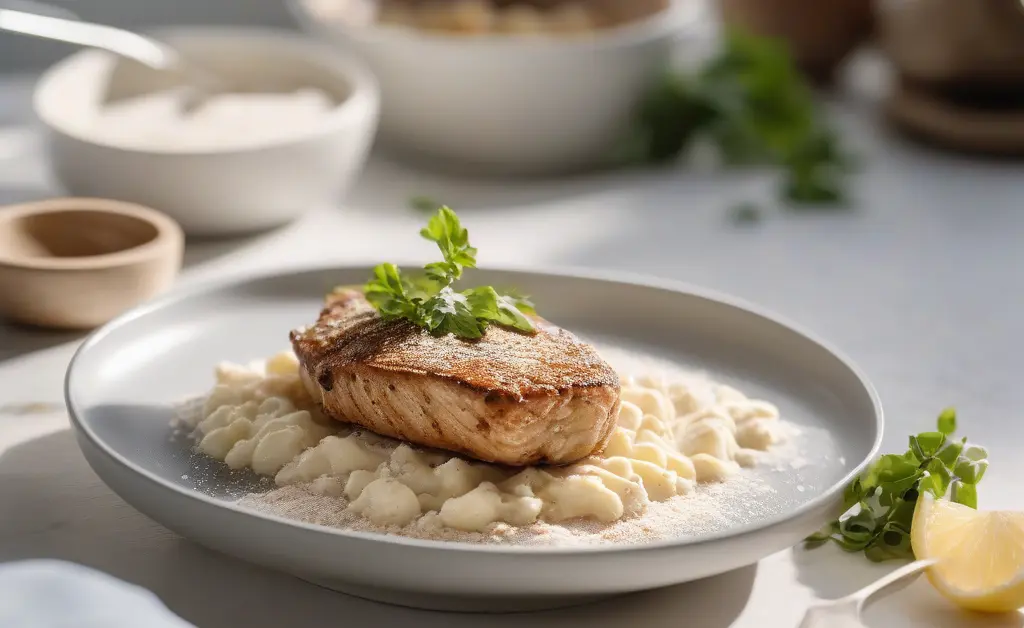
While the texture of fresh turkey tail mushrooms is not typically suited for direct culinary consumption like gourmet mushrooms, the powdered form of prepared turkey tail mushroom can be a versatile addition to various dishes, infusing them with its unique properties without altering texture. For inspiring turkey tail mushroom recipes, explore various culinary applications.
Using Turkey Tail Mushroom Powder in Culinary Applications
Turkey tail mushroom powder offers an easy way to incorporate its beneficial compounds into everyday cooking. Due to its mild, earthy flavor, it can be seamlessly blended into a variety of dishes. Consider adding a small amount to soups, stews, or broths, where its compounds can further infuse into the liquid. It can also be mixed into smoothies, salad dressings, or sauces. Some individuals even sprinkle it over roasted vegetables or incorporate it into baked goods. The key is to remember that turkey tail is primarily valued for its nutritional contribution rather than its flavor or texture in these culinary applications, offering an easy way to integrate it into a balanced dietary regimen.
Readers should understand that this article does not offer medical diagnosis or treatment. The information provided is for general knowledge and informational purposes only, and does not constitute medical advice. It is essential to consult with a qualified healthcare professional before making any decisions about your health or starting any new health regimen, especially if you have existing health conditions or are taking medications. Individual results may vary.
FAQ
— How do you prepare fresh turkey tail mushrooms for consumption?
Given their tough, woody texture, directly eating fresh turkey tail mushrooms is uncommon, and the primary goal for *how to prepare turkey tail mushroom* is typically to extract their beneficial compounds. This usually involves drying them first, then processing them into powders or extracting them into liquids like teas or tinctures. The hard nature of the mushroom means it’s rarely consumed whole.
— What is the best way to extract beneficial compounds from turkey tail?
A hot water extraction method is known for effectively releasing water-soluble polysaccharides, such as beta-glucans, which are significant compounds in turkey tail. For a more comprehensive extraction that includes alcohol-soluble triterpenoids, a dual extraction method combining both hot water and alcohol is often utilized. This approach helps to make a broader spectrum of the mushroom’s compounds available.
— Can you simply boil turkey tail mushrooms?
Boiling turkey tail mushrooms is a traditional and effective method for extracting many of their water-soluble compounds. Sustained heat helps break down the mushroom’s tough chitin cell walls, allowing for the release of beneficial polysaccharides into the water. This process results in a potent tea or decoction.
— How long should turkey tail be simmered?
The duration of simmering is relevant to ensuring a thorough extraction of the mushroom’s beneficial compounds. Longer simmering times are generally associated with a more complete release of water-soluble polysaccharides and other components from the mushroom’s fibrous structure. This allows for a richer and more concentrated final product.
— How do I dry turkey tail mushrooms for later use?
Drying turkey tail mushrooms is a common preservation method that helps maintain their quality for future use. This involves carefully removing moisture from the fungi to prevent spoilage and inhibit mold growth. You can achieve this by air drying them in a well-ventilated area or by using a food dehydrator at a low temperature.







