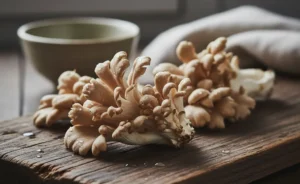

A common sight for many home growers and foragers is the distinct clustering of oyster mushrooms on logs or various substrates. Mastering proper oyster mushroom harvesting ensures the best quality, maximizing both yield and flavor. These versatile fungi are prized for their delicate texture and umami taste, making them a favorite for culinary applications worldwide. Whether cultivated in a controlled environment or discovered in their natural habitat, understanding the optimal moment for collection is crucial for a successful yield. This guide will provide essential insights into recognizing maturity, employing correct techniques, and preserving the integrity of your harvest, ensuring you enjoy these delectable mushrooms at their peak.
A Comprehensive Guide to Oyster Mushroom Harvesting
Successful oyster mushroom harvesting begins with understanding the life cycle and growth patterns of these fascinating fungi. Whether you are cultivating them in a controlled environment using grow bags or blocks, or you are a seasoned forager, the principles of collection remain largely consistent. The goal is always to gather the fruiting bodies at their peak, when they offer the best balance of flavor, texture, and nutritional value. This process requires careful observation and a gentle approach to ensure the sustainability of your oyster mushroom cultivation efforts and to maximize your yield.
Optimizing the harvest involves more than just picking the mushrooms; it encompasses creating the right environmental conditions, monitoring their development, and employing precise techniques to avoid damaging the mycelial network. Attention to detail throughout the growing stages is paramount for a bountiful and high-quality harvest, leading to excellent freshness and a longer shelf life once collected.
Understanding Oyster Mushroom Harvest Readiness and Techniques
Identifying the precise moment for oyster mushroom harvesting is a key skill for any grower or forager. Rushing the process can result in underdeveloped mushrooms, while waiting too long can lead to over-mature specimens that quickly degrade. Knowing the signs of readiness and employing correct collection techniques are crucial for maintaining quality and maximizing the longevity of your fresh harvest.
Recognizing When Oyster Mushrooms Are Ready to Harvest
Oyster mushrooms display several clear indicators when they are ready for harvest. The caps are often the most telling feature. They typically flatten out or become slightly wavy at the edges as they mature, but before they start to curl upwards excessively or become brittle. The gills on the underside of the caps should be well-defined and free of significant discoloration. A light dusting of white spores on nearby surfaces or on lower caps in a cluster can also signal maturity, indicating that the mushroom has begun to release its spores. While spore release is a sign of readiness, harvesting just before or as significant spore release begins can help reduce mess and potentially improve the texture of the mushroom.
The size of the individual fruiting bodies within a cluster is another important consideration. While they will continue to grow, there is an optimal size where the texture and flavor are at their best. Overly large caps can sometimes become tougher or more watery. Observing the blue oyster mushroom growing stages can provide visual cues, with the ideal harvest window typically occurring just as the caps have fully expanded but before their edges begin to thin or crack.
Oyster mushroom harvesting time
The optimal oyster mushroom harvesting time is generally when the caps have reached a good size, their edges are still slightly rolled under or flat, and before they begin to turn yellow, dry out, or show signs of deterioration. This sweet spot ensures the best texture, flavor, and overall quality. Harvesting too early might mean missing out on larger yield, while delaying too long can result in a shorter shelf life and a less desirable consistency. It’s often recommended to harvest entire clusters rather than individual mushrooms, as the smaller ones in a cluster will continue to develop, and removing the whole group allows for new growth cycles. Pay close attention to the specific variety you are growing, as growth rates and appearance can vary slightly.
Proper Techniques for Harvesting Oyster Mushrooms
When it comes to the physical act of picking, the technique is straightforward but requires care. For mushrooms growing on a grow bag or block, it’s best to harvest the entire cluster at once. The most common method involves gently twisting the cluster off the substrate. Hold the base of the cluster firmly and twist it in one fluid motion until it separates cleanly. Alternatively, a sharp, clean knife can be used to cut the cluster at its base, as close to the substrate as possible, without damaging the block itself. This cutting method helps to prevent leaving residual mushroom tissue that could attract pests or lead to decay in the grow medium.
Ensure that any remaining stem material or debris is cleaned from the surface of the block after harvesting, preparing it for subsequent flushes. These careful steps not only ensure a clean harvest but also protect the mycelium, promoting future yields from your oyster mushroom cultivation efforts. After collection, handle the fresh mushrooms gently to avoid bruising before storing or preparing them.
Harvesting Wild Oyster Mushrooms
Foraging for wild oyster mushrooms can be a rewarding experience, offering a unique connection to nature and a delicious harvest. However, harvesting wild oyster mushrooms requires a different set of considerations compared to cultivated varieties. Proper identification is paramount; always be certain of the mushroom’s identity before consumption, as some inedible or toxic species can resemble edible ones. Consult field guides or experienced foragers if unsure.
Wild oyster mushrooms commonly grow on dead or decaying hardwood logs, stumps, or standing trees. When you locate a cluster, assess its maturity using the same principles as cultivated mushrooms: look for fully expanded caps with slightly rolled edges, and avoid overly old, withered, or insect-ridden specimens. For harvesting, a sharp knife is typically preferred for wild mushrooms. Cut the cluster cleanly at the base, leaving as much of the host wood intact as possible to encourage future growth. Always practice sustainable foraging by taking only what you need and leaving some mushrooms behind to spore, ensuring the patch continues to produce for years to come. Transport your wild harvest in a breathable basket or paper bag to maintain freshness and prevent premature spoilage before you consider methods for drying oyster mushrooms or preparing them for short-term storage for fresh oyster mushrooms. For comprehensive health information, consult reliable sources like the NIH.
Mastering the art of oyster mushroom harvesting is a skill that enhances the enjoyment and yield of these versatile fungi. By understanding the signs of maturity, employing gentle and effective techniques, and ensuring proper handling, growers and foragers alike can consistently achieve high-quality results. Whether destined for immediate culinary use or for long-term storage, a well-executed harvest guarantees the best possible flavor and texture from your oyster mushrooms.
The purpose of this content is to educate, not to diagnose or treat. This information is intended for general knowledge and informational purposes only, and does not constitute medical advice. Always consult with a qualified healthcare professional for any health concerns or before making any decisions related to your health or well-being. Individual results may vary, and the efficacy of any natural remedy or dietary approach is not guaranteed.
FAQ
— When are oyster mushrooms ready to be harvested?
Oyster mushrooms are typically ready for harvest when their caps begin to flatten out but before the edges start to turn upwards or yellow. At this stage, the gills underneath the cap are still fresh and firm. Harvesting at the right time ensures optimal flavor and texture.
— What is the best way to harvest oyster mushrooms?
The most effective method for oyster mushroom harvesting involves gently twisting or cutting the cluster at its base, close to the substrate. This approach minimizes damage to the growing medium, potentially allowing for future flushes. Ensuring a clean separation helps preserve the integrity of the mushrooms.