Many novice growers assume that harvesting cultivated or wild mushrooms is a straightforward task, merely involving plucking them from their substrate or host tree. However, achieving optimal yields and ensuring the longevity of your mushroom patch, especially with delicate varieties, requires a more discerning approach than often perceived. Mastering the art of oyster mushroom harvesting, for instance, involves understanding specific readiness cues and employing precise techniques to ensure both quality and sustained growth. This guide delves into the essential steps and insights necessary to perfectly collect your oyster mushrooms, whether from a grow kit in your home or foraging them in their natural habitat, transforming a simple act into a skillful practice that maximizes both flavor and future abundance.
A Comprehensive Guide to Oyster Mushroom Harvesting
Successful oyster mushroom harvesting is more than just collecting fruiting bodies; it’s a critical step that impacts the flavor, texture, and shelf life of your yield, as well as the potential for future flushes. Whether you are cultivating oyster mushrooms from a grow bag or block, or you are foraging them in the wild, understanding the nuances of when and how to pick them can significantly enhance your experience. This guide provides a detailed overview, ensuring you approach oyster mushroom cultivation with the expertise needed to gather a bountiful and high-quality crop.
Understanding Oyster Mushroom Harvest Readiness and Techniques
Knowing precisely when to begin oyster mushroom harvesting and employing the correct methods are fundamental for maximizing both quality and quantity. Optimal oyster mushroom growing conditions are essential for achieving robust and timely harvests. Premature harvesting can result in underdeveloped fruiting bodies and reduced yield, while delaying the harvest too long can lead to over-mature, less palatable mushrooms with a shorter shelf life. Therefore, recognizing the optimal moment and applying proper techniques are key to a successful harvest.
Recognizing When Oyster Mushrooms Are Ready to Harvest
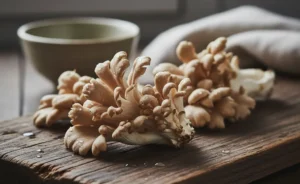
Identifying oyster mushroom ready for harvest involves observing several visual cues. Maximizing your oyster mushroom yield depends significantly on harvesting at this optimal stage. Typically, oyster mushrooms display their optimal characteristics just as their caps begin to flatten out or slightly curl upwards, but before they start releasing a significant amount of spores. The edges of the caps should appear smooth and firm, not brittle or ragged. For many varieties, the caps will reach a size appropriate for their type, often ranging from two to five inches in diameter. Overly mature mushrooms may exhibit a yellowish discoloration, become tougher, and release copious amounts of white spores, which can create a mess and signal a decline in quality.
Oyster mushroom harvesting time
The ideal oyster mushroom harvesting time is a relatively narrow window, often lasting only a few days once the mushrooms appear ready. Environmental factors such as temperature, humidity, and ventilation can influence this timing. It’s crucial to check your grow kit or foraging spot daily once the Blue oyster mushroom growing stages advance to cap formation. Harvesting too early means the mushrooms haven’t fully developed their flavor or mass. Harvesting too late means they may have started to degrade, impacting their freshness and shelf life. The goal is to catch them at their peak, ensuring the best culinary experience and preserving their texture.
Proper Techniques for Harvesting Oyster Mushrooms
When it comes to picking oyster mushrooms, the technique can vary slightly depending on whether they are growing individually or in a cluster. For a cluster, the most common approach is to grasp the entire cluster at its base, close to the substrate, and gently twist and pull. This method helps to cleanly separate the fruiting bodies from the grow bag or block, minimizing damage to the substrate and encouraging subsequent flushes. Alternatively, a sharp knife can be used to cut the base of the cluster, leaving a small stub attached to the substrate. This cutting technique can be particularly useful for delicate varieties or when aiming for a very clean separation. For individual mushrooms, a gentle twist or a precise cut at the stem base is usually sufficient. Always handle the mushrooms carefully to avoid bruising, which can shorten their shelf life and affect their appearance.
Harvesting Wild Oyster Mushrooms
Engaging in oyster mushroom harvesting from their natural environment requires a distinct set of considerations beyond those for cultivated varieties. When foraging, accurate identification is paramount; always be certain of the species before consumption. For general health guidance, consulting reputable sources like the NHS is always advisable. Wild oyster mushrooms typically grow on decaying hardwood trees, often appearing in shelf-like clusters. When you locate a suitable patch, assess the maturity of the fruiting bodies. Look for firm, healthy clusters, avoiding any that show signs of decay, insect damage, or significant spore release, which indicates they are past their prime. Employ a clean cutting technique using a sharp knife to remove the cluster from the tree trunk, minimizing disturbance to the host and the surrounding ecosystem. It is a good practice to leave some smaller mushrooms or parts of a large cluster behind to ensure the patch can continue to thrive in future seasons. After harvesting, transport your wild bounty in a breathable container, such as a basket or paper bag, to maintain freshness.
Mastering oyster mushroom harvesting is a rewarding endeavor that significantly impacts the quality and sustainability of your mushroom supply. By understanding the optimal harvest readiness, employing precise picking or cutting techniques, and applying responsible foraging practices for wild varieties, you ensure a continuous yield of fresh, delicious oyster mushrooms. This careful approach not only maximizes your immediate culinary enjoyment but also fosters the longevity and abundance of your mushroom cultivation efforts.
The content provided in this article is intended for informational learning, not clinical application. While general information about oyster mushrooms and their harvesting is discussed, this article does not offer medical advice, diagnoses, or treatment recommendations. Always consult with a qualified healthcare professional or mycologist for any health concerns or before making decisions related to your health or mushroom consumption, especially when foraging in the wild. Individual experiences may vary, and the information presented should not be considered a substitute for professional guidance.
FAQ
— When are oyster mushrooms ready to be harvested?
Oyster mushrooms are generally ready when their caps have expanded and flattened, but before the edges begin to significantly curl upwards. At this stage, the gills are still visible and firm, indicating optimal texture and flavor. Harvesting them before they release a large amount of spores is ideal for freshness and appearance.
— What is the best way to harvest oyster mushrooms?
For effective oyster mushroom harvesting, gently twist or cut the entire cluster cleanly at its base, close to the growing medium. This method helps prevent damage to the substrate, which is important for promoting subsequent flushes of mushrooms. A careful harvest ensures the remaining mycelium can continue to produce.