
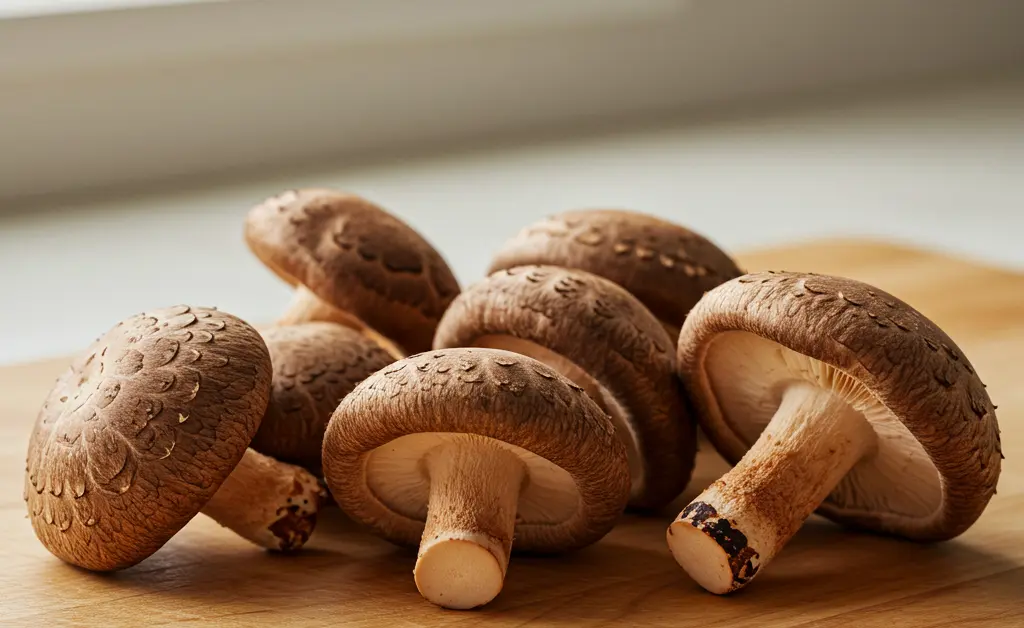
Shiitake mushrooms are widely appreciated in global cuisine for their distinct savory flavor and numerous nutritional advantages, making them a staple in many meals. While these popular fungi are largely considered safe for consumption, inadequate preparation, particularly undercooking, can occasionally result in an unusual skin condition. This reaction, which typically emerges hours or even days after ingestion, presents as an intensely itchy rash. Recognizing the specific causes and unique characteristics of shiitake mushroom dermatitis is crucial for individuals who enjoy these mushrooms and for medical practitioners. This comprehensive guide will delve into the origins, identifiable symptoms, and effective approaches for preventing and managing this specific dermatological response, ensuring a better understanding for everyone.
What is Shiitake Mushroom Dermatitis?
Shiitake mushroom dermatitis is a distinctive skin reaction that occurs in some individuals after consuming raw or undercooked shiitake mushrooms. It is not an allergic reaction in the traditional sense, but rather a toxic reaction to a specific compound found within the mushroom. This dermatosis is characterized by a unique pattern of skin lesions and is generally self-limiting, resolving on its own over time. Understanding this condition is important for anyone who regularly consumes Lentinula edodes, the scientific name for shiitake mushrooms. To learn more about other potential shiitake mushroom side effects, further research may be beneficial.
Overview of the Condition
The condition involves an inflammatory response of the skin, typically manifesting as an erythematous (red) and intensely itchy rash. It’s a non-allergic sensitivity to a component within the mushroom that, when not properly denatured by heat, can trigger this particular skin reaction. The development of shiitake mushroom dermatitis underscores the importance of proper food preparation, even for commonly consumed ingredients.
Also Known As: Flagellate Dermatitis
Shiitake mushroom dermatitis is most famously known as “flagellate dermatitis” due to the characteristic rash pattern it produces. The lesions often appear as linear streaks, resembling whip marks or flagellation marks on the skin. This unique visual presentation is a key diagnostic indicator that helps differentiate it from other types of skin rashes or allergic reactions, guiding medical professionals in identifying the cause of the irritation.
Prevalence and Rarity
While shiitake mushrooms are globally popular, instances of shiitake mushroom dermatitis are considered relatively rare. It affects only a small percentage of individuals who consume raw or undercooked shiitake. The condition is more commonly reported in regions where shiitake mushrooms are a dietary staple and might be consumed more frequently or prepared in varying ways, increasing the chance of encountering an inadequately cooked mushroom.
Clinical Variability
The severity and extent of the rash can vary significantly among affected individuals. Some may experience mild, localized itching and a few streaks, while others might develop a more widespread and intensely pruritic (itchy) rash. This clinical variability depends on factors such as the amount of raw or undercooked mushroom ingested and individual sensitivity to the compounds responsible for the reaction.
Is Shiitake Dermatitis Contagious?
No, shiitake mushroom dermatitis is not contagious. It is an internal reaction to compounds ingested from the mushroom and cannot be transmitted from person to person through contact. The rash is confined to the individual who consumed the undercooked shiitake, making it a personal and non-communicable skin reaction.
Causes and Risk Factors of Shiitake Dermatitis

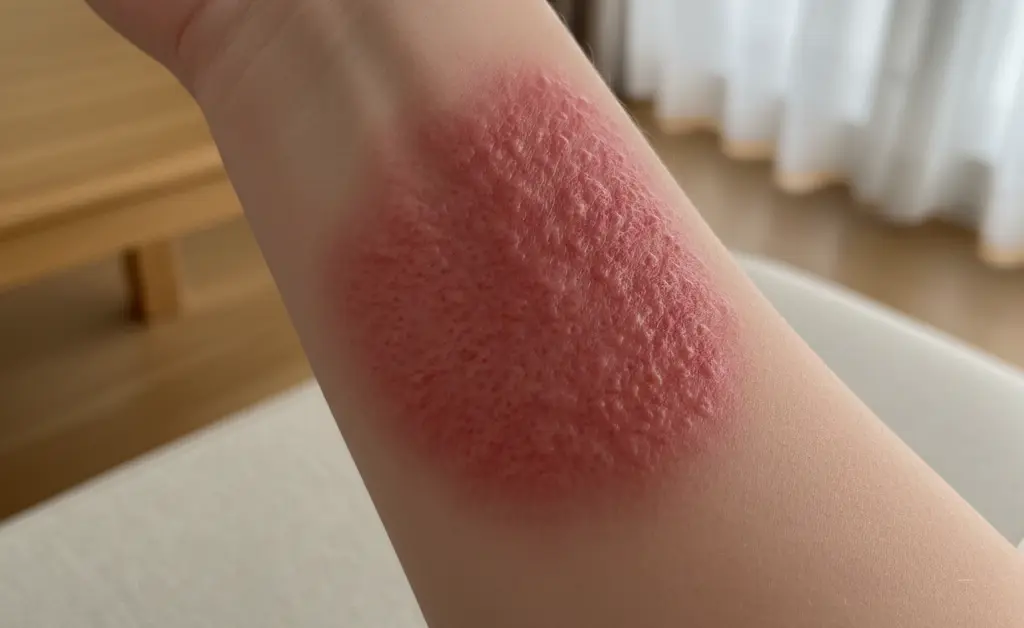
The primary cause of shiitake mushroom dermatitis is the consumption of shiitake mushrooms that have not been adequately cooked. This condition is not an allergy but rather a toxic reaction to a specific polysaccharide present in the mushroom. Understanding these causes and risk factors is crucial for preventing this uncomfortable skin reaction.
Ingestion of Raw or Undercooked Shiitake
The leading cause of flagellate dermatitis is the ingestion of shiitake mushrooms that are either completely raw or have been insufficiently cooked. Proper cooking, typically through heating, is essential to break down the compound responsible for the rash. When consumed raw or undercooked, this compound remains intact and can trigger the characteristic skin reaction as it passes through the body.
Role of Lentinan or Other Compounds
Research suggests that a specific thermolabile (heat-sensitive) polysaccharide, known as lentinan, is the primary culprit behind shiitake mushroom dermatitis. While lentinan is studied for various potential health benefits, in its undenatured form, it is thought to induce a toxic reaction in the skin when ingested. Some theories also suggest the involvement of other enzymatic reactions or compounds, but lentinan remains the most widely accepted cause of this unique dermatosis.
Specific Part of the Mushroom Responsible
The lentinan thought to cause shiitake mushroom dermatitis is distributed throughout the mushroom’s cap and stem. Therefore, consuming any part of the raw or undercooked Lentinula edodes mushroom can potentially trigger the reaction. There is no specific part of the mushroom that is considered safer to consume raw than another regarding the risk of developing this rash.
Symptoms and What It Looks Like

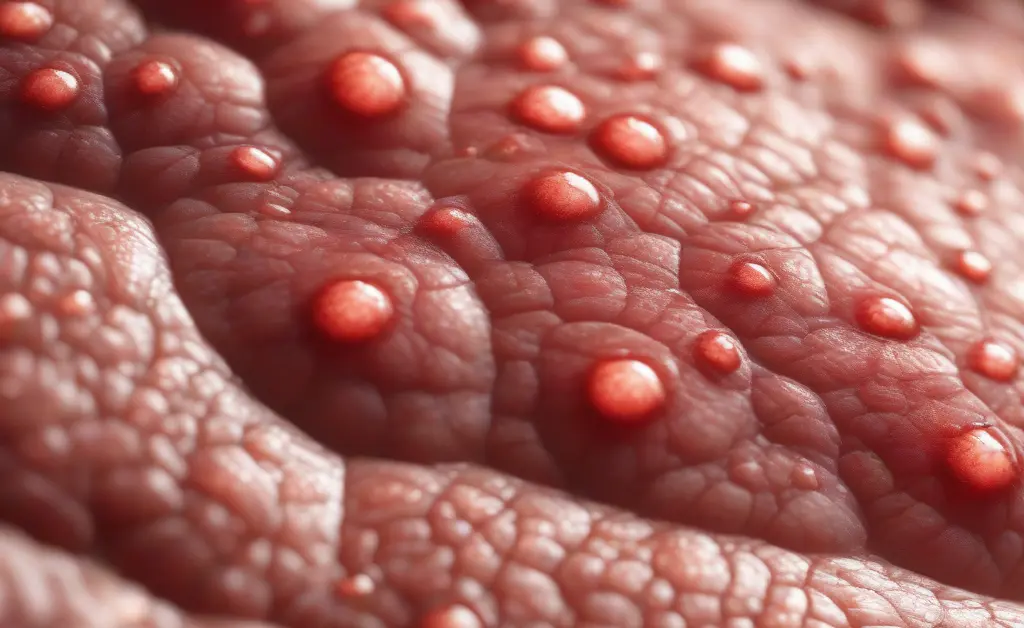
The presentation of shiitake mushroom dermatitis is highly distinctive, making it recognizable to those aware of the condition. The symptoms typically appear hours to days after ingestion and are primarily characterized by a unique rash pattern and intense itching.
Characteristics of the Rash (Flagellate Pattern)
The most defining characteristic of shiitake mushroom dermatitis is the “flagellate” pattern of the rash. This refers to the appearance of linear, streaky erythematous lesions on the skin, resembling whip marks or scratches. These streaks often run parallel to each other, predominantly on the torso, neck, and extremities. This unique visual presentation is a hallmark of the condition and helps in its clinical diagnosis.
Associated Symptoms (e.g., Itching)
Intense itching (pruritus) is another prominent symptom accompanying the rash. The itching can be severe and may precede or occur concurrently with the visible skin lesions. Other associated symptoms may include a feeling of warmth or burning in the affected areas. Systemic symptoms are generally absent, reinforcing the localized nature of this particular skin reaction.
Visual Presentation and Rash Pictures
Visually, the rash typically appears as red to reddish-purple streaks or patches. The individual lesions can range from a few millimeters to several centimeters in length. The distinct linear orientation is crucial for identification. When considering the possibility of a strange rash after shiitake consumption, comparing the appearance to documented cases and rash pictures of flagellate dermatitis can be helpful for initial recognition.
Allergy-like Symptoms
While often mistaken for an allergic reaction due to the rash and itching, shiitake mushroom dermatitis is not a true immunological allergy. For more information on identifying a genuine shiitake mushroom allergy, it is useful to understand the distinct differences. Unlike typical allergies, it does not involve the production of IgE antibodies, and symptoms like swelling of the airways or anaphylaxis are not associated with this condition. The symptoms are more akin to a toxic or irritant skin reaction rather than an allergic one.
Diagnosis of Shiitake Mushroom Dermatitis
Diagnosing shiitake mushroom dermatitis primarily relies on a thorough clinical examination and a detailed patient history, given its distinctive symptoms and the typical timeline of symptom onset after consumption. There are usually no specific laboratory tests required for confirmation.
Clinical Examination and Patient History
During a clinical examination, a healthcare professional will observe the characteristic flagellate pattern of the rash on the skin. The linear streaks are often highly indicative of the condition. Crucially, a detailed patient history will be taken, focusing on recent dietary intake, specifically the consumption of shiitake mushrooms. Information about whether the mushrooms were raw or undercooked, the quantity consumed, and the timing of ingestion relative to symptom onset is vital for making an accurate diagnosis of shiitake mushroom dermatitis.
Differential Diagnosis
Distinguishing shiitake mushroom dermatitis from other dermatological conditions is important. Other conditions that might present with similar-looking rashes, such as contact dermatitis, drug eruptions, or other forms of toxic dermatoses, must be considered. However, the unique flagellate pattern, coupled with the history of raw or undercooked shiitake consumption, usually helps differentiate this condition. For instance, some chemotherapy agents can also cause a flagellate pattern, but the patient history would quickly rule out shiitake as the cause in such cases.
Treatment Options for Shiitake Dermatitis


The primary approach to treating shiitake mushroom dermatitis focuses on symptomatic relief, as the condition is self-limiting and typically resolves on its own. The goal is to alleviate the intense itching and discomfort while the body naturally clears the offending compound.
Symptomatic Relief Strategies
Since the most distressing symptom is often severe itching, symptomatic relief is key. This may involve using cool compresses, taking lukewarm baths with colloidal oatmeal, and avoiding scratching, which can worsen skin irritation or lead to secondary infections. Keeping the skin moisturized can also help maintain the skin barrier and reduce discomfort associated with the rash of shiitake mushroom dermatitis.
Topical Applications (e.g., Corticosteroids)
Topical corticosteroids are often prescribed to reduce inflammation and itching associated with the rash. These creams or ointments can be applied directly to the affected skin areas. The strength and duration of use will depend on the severity of the rash and the recommendation of a healthcare professional. They work by suppressing the inflammatory response in the skin, providing localized relief.
Oral Medications (e.g., Antihistamines)
For more widespread or intensely itchy cases, oral medications may be recommended. Antihistamines, particularly sedating ones, can help reduce itching and promote sleep, which might be disrupted by discomfort. These medications address the histamine release that contributes to the itchy sensation, offering systemic relief from the symptoms of shiitake mushroom dermatitis. It is important to consult a healthcare provider before starting any new medication.
Prevention of Shiitake Mushroom Dermatitis
Preventing shiitake mushroom dermatitis is straightforward and involves simple adjustments to how these delicious fungi are prepared. Since the condition is caused by a heat-sensitive compound, proper cooking is the most effective preventive measure.
Importance of Proper Shiitake Cooking
Thorough cooking is paramount to prevent shiitake mushroom dermatitis. The compound responsible for the skin reaction, believed to be lentinan, is denatured by heat. This means that adequate cooking breaks down or alters the compound, rendering it harmless. Ensuring that shiitake mushrooms are cooked through, whether sautéed, boiled, roasted, or grilled, is essential. Cooking until they are tender and have lost their raw texture is generally sufficient to avoid the risk. Food safety guidelines often emphasize proper preparation techniques, as highlighted by organizations like EFSA.
Avoiding Raw Shiitake Consumption
Directly linked to the importance of cooking is the recommendation to strictly avoid consuming raw shiitake mushrooms. This includes any preparations where shiitake might be lightly blanched, marinated without significant heat, or added uncooked to dishes like salads or sushi. Always confirm that any shiitake in a meal has been thoroughly cooked to eliminate the risk of developing this particular skin reaction.
How Long Does Shiitake Dermatitis Last? (Prognosis)
Shiitake mushroom dermatitis is typically a self-limiting condition with a favorable prognosis. While uncomfortable, the rash and associated symptoms usually resolve completely without long-term complications, provided further exposure to raw or undercooked shiitake is avoided.
Onset and Duration of Symptoms
The onset of symptoms for shiitake mushroom dermatitis can range from several hours to a few days after ingesting raw or undercooked mushrooms. Once the rash appears, it typically lasts for about one to three weeks. The duration can vary depending on the individual’s sensitivity and the amount of causative compound ingested, but the symptoms almost invariably improve over this period.
Expected Recovery Time
Most individuals experience a full recovery from shiitake mushroom dermatitis within two to four weeks. The skin lesions fade, and the itching subsides completely. Scarring is generally not a concern unless there has been excessive scratching leading to secondary skin damage or infection. The body naturally processes and eliminates the compound, allowing the skin to heal.
Potential for Recurrence
The potential for recurrence is high if raw or undercooked shiitake mushrooms are consumed again. While an individual may not react every single time, re-exposure to the active compound significantly increases the likelihood of developing the flagellate dermatitis once more. Therefore, strict avoidance of improperly cooked shiitake is the key to preventing future episodes.
Is Shiitake Mushroom Dermatitis Dangerous?
Shiitake mushroom dermatitis, while intensely itchy and visually concerning due to its distinct rash, is generally not considered a dangerous or life-threatening condition. It is primarily a benign, self-limiting skin reaction.
The main danger associated with the condition stems from the discomfort of severe itching, which can disrupt daily activities and sleep. Excessive scratching, however, could lead to skin excoriations, which are open sores that can become secondarily infected by bacteria. In rare cases, if left untreated and severely scratched, these infections might require antibiotics. However, the condition itself does not lead to systemic illness, organ damage, or allergic anaphylactic shock. It is a localized dermatological issue that resolves with time and symptomatic care, reinforcing the importance of proper cooking to prevent its occurrence. For specific dietary considerations, especially regarding the consumption of shiitake mushroom during pregnancy, it is always best to consult a healthcare professional.
This information should be viewed as educational rather than medical advice. It is intended for general knowledge and understanding only, and does not address individual circumstances. For any health concerns or before making any decisions related to your health or treatment, always consult with a qualified healthcare professional. Self-treating any medical condition without professional guidance can be risky.
FAQ
— What causes shiitake mushroom dermatitis?
This unique skin reaction is primarily caused by lentinan, a thermolabile polysaccharide found in raw or undercooked shiitake mushrooms. When ingested, lentinan is thought to induce a toxic reaction in some individuals, leading to the characteristic rash known as shiitake mushroom dermatitis. It’s a non-allergic inflammatory response, distinct from a typical allergic hypersensitivity.
— What does shiitake mushroom dermatitis look like?
The rash typically presents as distinctive linear, whip-like streaks of redness and small bumps across the torso, limbs, and neck. These red lesions are often intensely itchy, resembling flagellated marks or scratches. The eruption can also include scattered papules and plaques, appearing symmetrically on both sides of the body.
— How is shiitake mushroom dermatitis treated?
Managing this rash primarily involves avoiding further consumption of raw or undercooked shiitake mushrooms, as recurrence is possible. Symptomatic relief is often provided through topical corticosteroids to reduce inflammation and antihistamines to alleviate the intense itching. Cool compresses and emollients can also help soothe the irritated skin during the healing process.
— How long does shiitake mushroom dermatitis last?
The rash generally resolves spontaneously within one to three weeks after the last ingestion of the mushroom. While the itching can be quite severe, the lesions typically fade without leaving any lasting marks or pigmentation changes. The duration is linked to the body’s natural processing and elimination of the causative compound.
— Can you prevent shiitake mushroom dermatitis?
Preventing this condition is generally achieved by thoroughly cooking shiitake mushrooms before consumption, as the heat-sensitive compound responsible for the reaction is deactivated by proper cooking. Individuals who have previously experienced the rash are advised to completely avoid shiitake mushrooms, even when cooked, to prevent a recurrence. Consuming only well-cooked mushrooms significantly reduces the risk for most people.
— Is shiitake mushroom dermatitis an allergic reaction?
No, this skin reaction is not considered a true IgE-mediated allergic response. It is classified as a toxic dermatitis, where the lentinan directly irritates the skin’s vasculature, leading to an inflammatory response. Unlike an allergy, it does not involve the immune system producing antibodies against the mushroom.
— Is shiitake mushroom dermatitis contagious?
This rash is not contagious and cannot be spread from person to person through contact. It is an internal reaction to a specific compound ingested from the mushroom, manifesting as a skin eruption. Therefore, there is no risk of transmission to others.