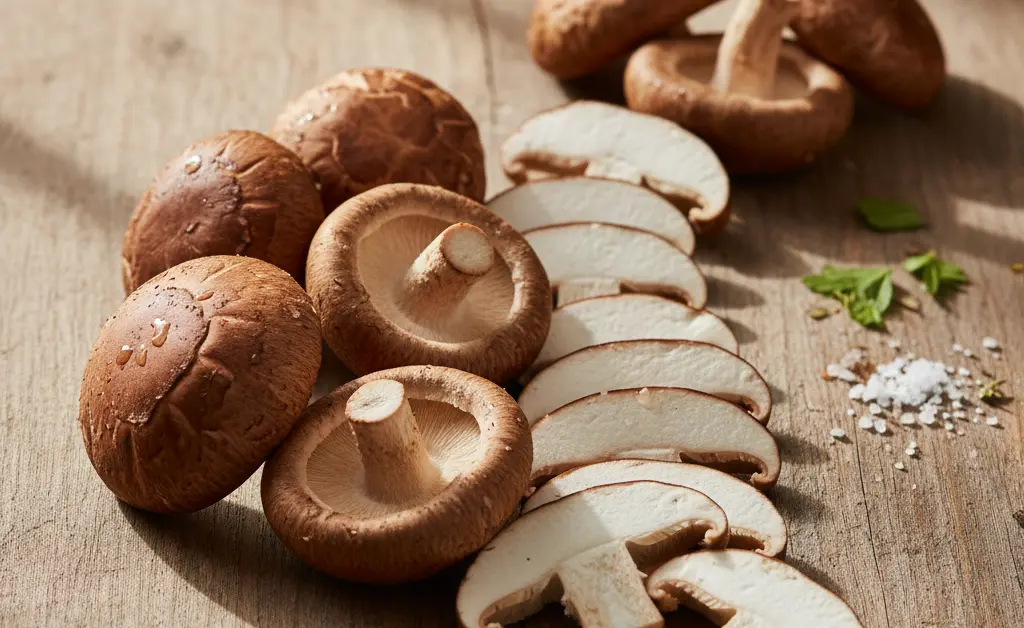
Imagine discovering a simple, natural element that not only enriches your meals but also contributes significantly to your overall well-being. There’s a certain quiet satisfaction in knowing that the foods we enjoy can offer profound benefits beyond just taste. In an age where health consciousness is paramount, many are turning to nature’s bounty for answers. Among these treasures, the humble shiitake mushroom stands out, not just for its distinctive umami flavor but particularly for its impressive nutritional profile. This article delves into the often-overlooked yet vital component: shiitake mushroom fiber, exploring its unique properties, how it compares to other dietary fibers, and its various applications for a healthier lifestyle. Prepare to unlock the full potential of this remarkable ingredient.
Shiitake Mushroom Fiber Benefits
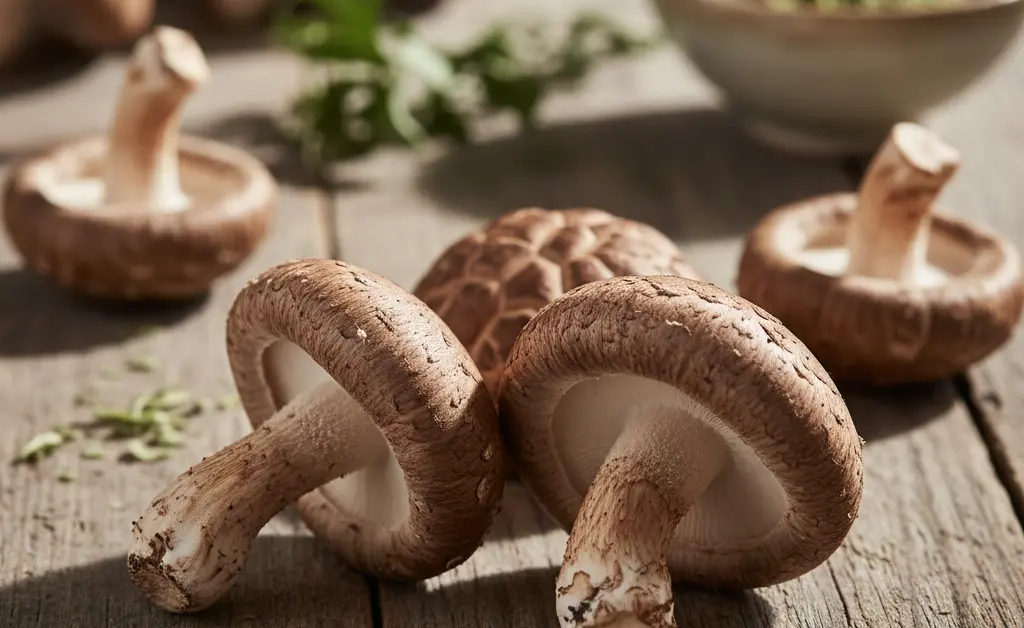
The role of dietary fiber in maintaining overall health is well-established, and the fiber found in shiitake mushrooms is no exception. Incorporating shiitake mushroom fiber into one’s diet offers a spectrum of potential advantages, primarily centered around digestive wellness and broader systemic support. Beyond fiber, the Shiitake Mushroom Protein content further contributes to its nutritional value. The complex carbohydrates present, particularly polysaccharides like beta-glucans, contribute to the unique properties of this mushroom’s fiber. These components are known for their potential to support gut health by acting as a prebiotic, fostering a balanced microbiome. A healthy gut is intrinsically linked to efficient digestion and nutrient absorption, which can positively impact various bodily functions.
Beyond digestive aid, the fiber in shiitake mushrooms may also play a role in other aspects of well-being. For instance, its presence can contribute to feelings of satiety, which may be helpful in managing appetite. Furthermore, studies published on NCBI suggest that certain types of fiber, including those found in shiitake, are associated with supporting healthy blood sugar levels already within a normal range and promoting heart health. The comprehensive impact of shiitake mushroom fiber makes it a valuable addition to a balanced dietary regimen, contributing to general vitality and potentially aiding in areas such as “Shiitake for Constipation Relief” and “Shiitake and Hypertension Management.”
Fiber per 100g: Shiitake vs Other Mushrooms
When evaluating the nutritional composition of various fungi, it becomes clear that the shiitake mushroom holds a notable position regarding its fiber content. While many edible mushrooms contribute to daily fiber intake, shiitake mushroom fiber compares favorably to other commonly consumed varieties. For example, some common mushrooms like white button or cremini mushrooms offer dietary fiber, but shiitake are recognized for their particularly significant contribution. This makes them an excellent choice for individuals aiming to increase their fiber intake naturally. Understanding these “Shiitake Mushroom Nutrition Facts” highlights why this specific mushroom is often praised not just for its flavor but also its robust nutritional profile, particularly when considering fiber per 100g of cooked shiitake mushrooms.
Is Shiitake Mushroom Rich in Fiber?
Yes, the shiitake mushroom is indeed considered rich in fiber, making it a valuable food source for those looking to enhance their dietary fiber intake. This richness comes from a combination of both soluble and insoluble fiber components. Soluble fiber, which dissolves in water, can form a gel-like substance in the digestive tract, potentially influencing digestion and nutrient absorption. Insoluble fiber, on the other hand, adds bulk to stool and supports regular bowel movements, contributing to digestive regularity. A significant portion of the shiitake mushroom fiber consists of beta-glucans, a specific type of soluble dietary fiber known for its prebiotic properties and its studied connection to various aspects of health. Additionally, these mushrooms are a notable source of Shiitake Mushroom Vitamin D. These polysaccharides underscore why the shiitake mushroom is valued beyond its culinary appeal, offering substantial “Shiitake Mushroom Health Benefits” through its impressive fiber content.
Shiitake Mushroom Fiber Powder Applications
The concentrated form of shiitake mushroom fiber, available as a powder, offers versatile applications for integrating this beneficial component into daily routines. This powder allows for easy incorporation into a variety of foods and beverages without significantly altering their taste or texture. Common powder applications include blending into smoothies or juices for a nutritional boost. It can also be mixed into soups, stews, or sauces as a thickening agent while simultaneously adding valuable dietary fiber. Some individuals may choose to incorporate shiitake mushroom fiber powder into baked goods, such as bread or muffins, to enhance their fiber content. For those seeking a convenient way to supplement their diet, the powder can also be added to various functional foods or taken directly with water. Understanding the Shiitake Mushroom Calories in these applications can aid in overall dietary planning. This flexibility makes it an accessible option for people looking to benefit from the unique properties of shiitake mushroom fiber in a convenient format.
The journey through the world of shiitake mushroom fiber reveals a multifaceted natural ingredient with significant potential benefits. From supporting digestive regularity and gut health to playing a role in satiety and other systemic functions, its fiber profile positions it as a valuable dietary component. Whether enjoyed whole in culinary dishes or utilized in its powdered form for versatile applications, the consistent integration of this remarkable mushroom can be a simple yet profound step toward supporting overall wellness. Embracing the rich nutritional heritage of the shiitake mushroom, particularly its fiber content, offers a natural path to a more balanced and health-conscious lifestyle.
The purpose of this content is to educate, not to diagnose or treat. It is essential to consult with a qualified healthcare professional before making any dietary changes or starting any new supplement regimen, especially if you have underlying health conditions or are taking medications. Information provided is for general knowledge and informational purposes only, and does not constitute medical advice.
FAQ
— What makes functional mushrooms different from culinary mushrooms?
Functional mushrooms are distinguished by their specific bioactive compounds, such as beta-glucans and triterpenes, which have been studied for their unique health-supporting properties beyond basic nutrition. While culinary mushrooms primarily offer nutritional value and flavor, functional varieties are specifically explored for their potential interactions with various bodily systems.
— How do functional mushrooms support immune health?
Many functional mushrooms contain polysaccharides, especially beta-glucans, that are known to interact with immune cells. This interaction can help modulate immune responses, supporting the body’s natural defense mechanisms to function optimally.
— Are there any specific compounds in functional mushrooms that are responsible for their benefits?
Indeed, several specific compounds are recognized for contributing to the studied benefits of functional mushrooms. Beta-glucans are particularly relevant for immune support, while other compounds like triterpenes and various antioxidants are linked to diverse physiological roles.
— What is the role of adaptogenic mushrooms in stress management?
Adaptogenic mushrooms, such as Reishi and Cordyceps, are a class of functional fungi known for their ability to help the body maintain balance and adapt to stressors. They are thought to support the body’s natural resilience systems, contributing to a sense of overall equilibrium.
— Can functional mushrooms be incorporated into a daily wellness routine?
Many individuals choose to integrate functional mushrooms into their daily wellness practices, often by adding them to beverages, smoothies, or meals. Their versatile nature makes them a popular and accessible addition for those seeking to support various aspects of their health consistently.
— How do functional mushrooms contribute to gut health?
Certain functional mushrooms contain prebiotic fibers that are known to nourish beneficial gut bacteria, which is crucial for a healthy gut microbiome. For example, shiitake mushroom fiber is known to act as a prebiotic, playing a role in maintaining digestive wellness and promoting a balanced intestinal environment.