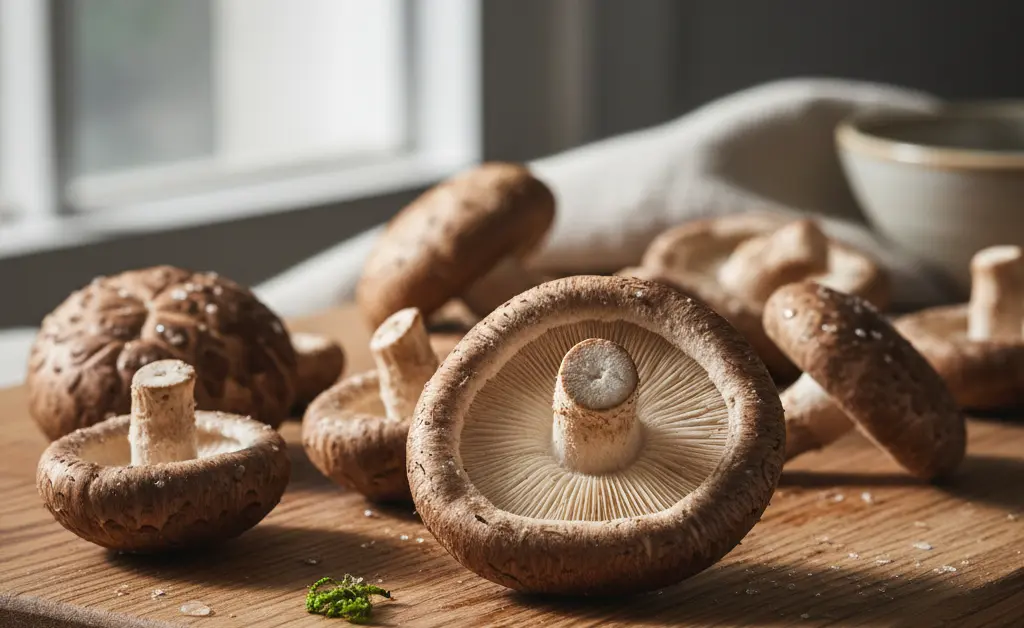
Many people think of meat or legumes when considering dietary protein sources. However, just like certain vegetables offer surprising nutritional benefits, some fungi also provide valuable macronutrients. Shiitake mushrooms, for instance, are not only prized for their umami flavor and medicinal properties but also for their notable protein content. Understanding the nutritional profile of these popular fungi is crucial for those integrating them into a balanced diet, especially vegetarians and vegans. This guide delves into the specific amount of shiitake mushroom protein available, whether it constitutes a complete protein, and the growing interest in shiitake mushroom protein powder. Exploring these aspects can help individuals make informed dietary choices and appreciate the diverse contributions of nature’s bounty to our nutritional needs.
Shiitake Mushroom Protein Content
Shiitake mushrooms are celebrated globally for their distinct flavor and texture, but their nutritional value, particularly their protein content, is often underestimated. While not as protein-dense as animal products or legumes, these fungi offer a respectable amount of protein, making them a valuable contributor to dietary protein intake, especially for those following plant-based diets. The exact amount of shiitake mushroom protein can vary depending on factors such as cultivation methods, preparation, and whether they are fresh or dried. Dried shiitake mushrooms typically have a higher concentration of nutrients, including protein, due to the removal of water. Information regarding nutrient content and food safety standards can often be found through organizations like EFSA.
Beyond protein, shiitake mushrooms are a good source of various essential nutrients. They contain dietary fiber, B vitamins, and important minerals. These mushrooms can also be a surprising source of shiitake mushroom vitamin D when exposed to UV light. Their overall nutritional value contributes to their reputation as a beneficial food item that supports general wellness. Many people consider mushrooms a good protein source when seeking diverse plant-based options to round out their meals.
Shiitake Mushroom Nutrition Facts (per 100g)
When looking at the nutrition facts for shiitake mushrooms, particularly for a typical serving size like 100g, it’s clear they offer more than just flavor. Besides their notable shiitake mushroom protein, they provide a range of other beneficial compounds. They contribute to the total calorie count in a meal, offering a moderate energy source. This makes them a nutrient-rich addition without being excessively calorie-dense. The carbohydrate content is largely composed of fiber, which is important for digestive health. Additionally, these mushrooms contain various vitamins and minerals that are vital for bodily functions. Understanding these comprehensive nutrition facts helps in appreciating their role in a balanced diet.
Shiitake Mushroom Protein Comparison

When evaluating shiitake mushroom protein against other common dietary protein sources, it’s important to consider the context of a balanced diet. While individual mushrooms may not rival the protein density of a piece of chicken or a serving of lentils, their contribution can be significant when consumed regularly as part of a varied plant-based diet. Compared to many common vegetables, shiitake mushrooms offer a more substantial protein content, placing them in a unique position among plant-derived foods. For example, they generally contain more protein than many leafy greens or root vegetables.
Many plant-based eaters actively seek out diverse sources to meet their protein needs, and shiitake mushrooms offer a flavorful and nutrient-rich option. They can complement other vegan protein and vegetarian protein sources like beans, nuts, and whole grains, enhancing the overall protein quality of a meal. This holistic approach ensures that individuals receive a broad spectrum of nutrients. This protein comparison highlights why these mushrooms are increasingly valued for their nutritional input.
Is Shiitake Mushroom a Complete Protein?
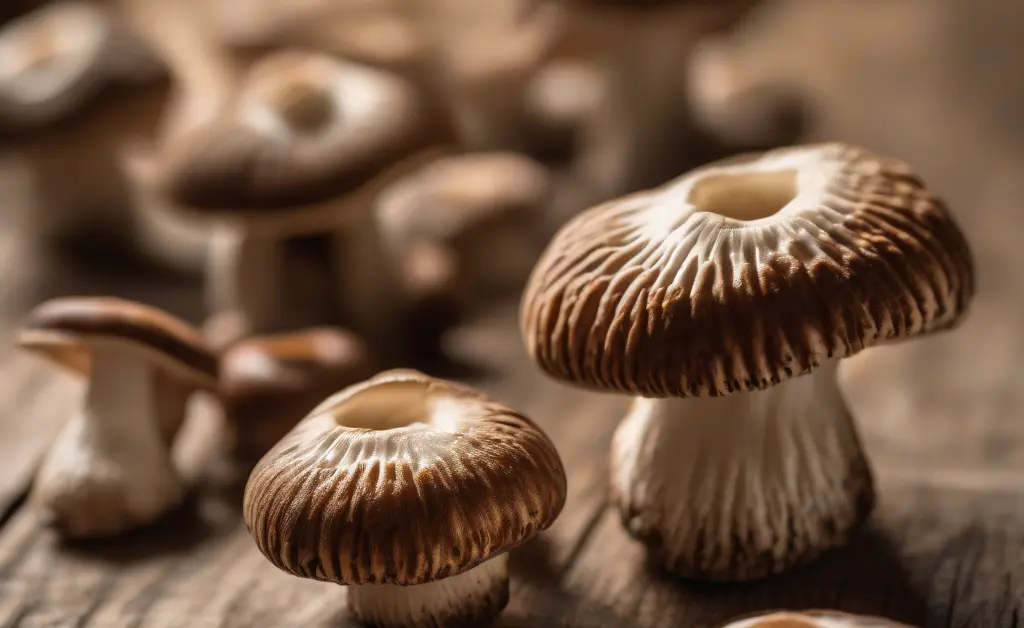
Understanding whether a food is a “complete protein” is crucial for those building a diet, especially without animal products. A complete protein contains all nine essential amino acids that the human body cannot produce on its own. While many animal proteins are naturally complete, most plant-based proteins are considered incomplete, meaning they lack one or more of these essential amino acids. The question of whether shiitake mushroom protein is a complete protein is often raised in nutritional discussions.
Shiitake mushrooms contain a broad spectrum of amino acids, and some research suggests they offer many, if not all, of the essential amino acids. However, the exact profile and quantity can vary. Generally, like most fungi and plant-based sources, shiitake mushrooms may not be considered a “complete protein” in the same way as, for instance, quinoa or soy. Nevertheless, they contribute significantly to the overall amino acid pool in the diet. For vegetarians and vegans, combining shiitake mushrooms with other plant proteins throughout the day (such as grains, legumes, and nuts) ensures that all essential amino acids are consumed, creating a complete protein intake across meals.
Shiitake Mushroom Protein Powder
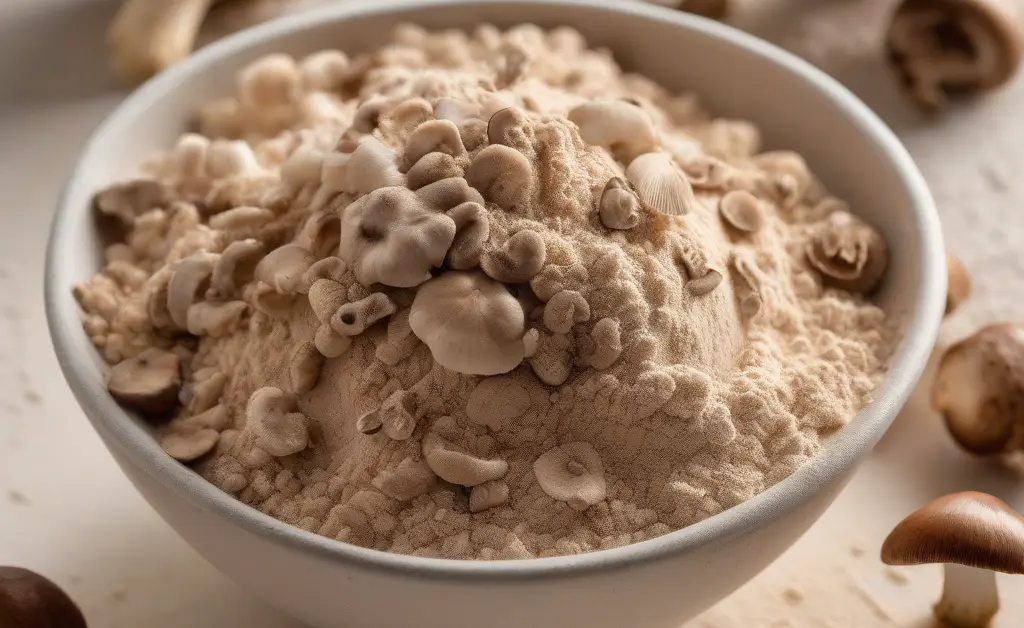
The growing interest in functional foods and dietary supplements has led to the emergence of shiitake mushroom protein powder. This innovative product offers a concentrated form of the mushroom’s beneficial compounds, including its protein. Shiitake mushroom protein powder is typically made from dried and finely milled shiitake mushrooms, sometimes combined with other protein sources or adaptogenic mushrooms. This form makes it easy to integrate the nutritional benefits of shiitake into various dietary regimens.
People use this protein powder for several reasons. It can be added to smoothies, shakes, soups, and even baked goods, providing a convenient way to boost protein intake and incorporate the health benefits of shiitake mushrooms. Users often seek out this form for its potential to support overall wellness, leveraging the therapeutic properties of shiitake mushrooms. As part of a balanced diet, shiitake mushroom protein powder can be a practical option for those looking to diversify their protein sources and enjoy the unique contributions of this esteemed fungus.
Shiitake mushrooms are a versatile and nutrient-dense food that offers more than just culinary delight. Their notable protein content, while not always a complete protein on its own, makes them a valuable addition to a balanced diet, particularly for those on plant-based regimens. From their comprehensive nutrition facts to their comparison with other protein sources, shiitake mushrooms stand out as a beneficial ingredient. The availability of shiitake mushroom protein powder further expands the ways individuals can incorporate this “superfood” into their daily lives, harnessing its health-supporting properties. By understanding their protein profile, consumers can make informed choices to enhance their nutritional intake and appreciate the diverse contributions of nature.
This material is shared for educational insight, not for clinical decision-making. Information regarding dietary components and their potential benefits should be considered in the context of a varied diet and healthy lifestyle. Always consult with a qualified health professional for personalized advice concerning your health and nutritional needs. This content is not intended to provide medical advice, diagnosis, or treatment for any health condition.
FAQ
— What are adaptogens and how do they work in the body?
Adaptogens are a unique category of botanicals known to help the body maintain balance when facing various forms of stress. They are thought to support the body’s natural resilience by influencing stress response pathways, helping to modulate physiological processes. This contributes to a sense of equilibrium without overstimulating or sedating the system.
— Can functional mushrooms replace a balanced diet?
Functional mushrooms are wonderful additions to a balanced lifestyle, providing a variety of beneficial compounds. However, they are intended to complement a nutritious diet, not to serve as a substitute for whole foods, fruits, vegetables, and lean proteins. A diverse diet remains fundamental for comprehensive nutrient intake and overall health.
— How do beta-glucans in mushrooms support wellness?
Beta-glucans are complex carbohydrates found in the cell walls of functional mushrooms, and they are extensively studied for their role in immune system modulation. When consumed, these compounds interact with immune cells in the gut, which can help support the body’s natural defense mechanisms. This interaction is key to how mushrooms are thought to influence overall vitality.
— Are all functional mushroom extracts the same?
The quality and composition of functional mushroom extracts can vary significantly depending on several factors, including the mushroom species, the part of the mushroom used (fruiting body versus mycelium), and the extraction methods employed. Different extraction techniques are designed to concentrate specific beneficial compounds, leading to distinct profiles in the final product. For instance, the beneficial properties attributed to shiitake mushroom protein can vary depending on the processing.
— What is the difference between mushroom fruiting body and mycelium?
The fruiting body is the visible, umbrella-shaped part of the mushroom that grows above ground, while mycelium is the underground root-like network from which the fruiting body develops. Both parts contain beneficial compounds, but the concentration and types of these compounds can differ. The fruiting body is often recognized for its rich concentration of beta-glucans and triterpenes.