
You’ve just acquired some turkey tail mushroom—perhaps a dried extract, a powder, or even fresh specimens—and you’re contemplating how to integrate it into your daily wellness routine. As you prepare to brew a cup of tea or mix it into a smoothie, a common question arises: what exactly is the turkey tail mushroom taste like? Beyond its acclaimed immune-boosting properties, the culinary experience it offers is a significant factor for many users. Understanding its unique flavor profile, from its initial notes to any lingering aftertastes, can help set realistic expectations and guide its optimal use. This article will delve into the nuanced characteristics of this intriguing fungus, ensuring you can confidently incorporate it into your diet.
What Does Turkey Tail Mushroom Taste Like?
Unpacking the Primary Taste Notes (Earthy, Mild)
The primary turkey tail mushroom taste is often described as subtly earthy and notably mild. Unlike some other medicinal fungi that can have a potent or overwhelming flavor, turkey tail generally offers a gentle experience for the palate. Its “mushroomy” character is present but not dominant, blending a woody quality with the distinct fungal notes. This mildness makes it a versatile ingredient, often allowing it to be integrated into various preparations without drastically altering their overall flavor profile. The aroma often complements this, being similarly subtle and natural, enhancing the overall sensory description rather than overpowering it.
Identifying the Subtle Aftertaste (Bitter Nuances)
While the initial impression is mild, some individuals may detect a subtle aftertaste with bitter nuances when consuming turkey tail mushroom. This bitterness is typically not intense or unpleasant, but rather a gentle undertone that lingers briefly on the palate. Factors like the concentration of the extract or the preparation method (such as a strong decoction) can sometimes amplify these bitter notes. It’s an important aspect of its overall flavor profile to acknowledge, as it influences how well it pairs with certain foods and beverages.
Comparing Turkey Tail’s Flavor to Other Common Mushrooms
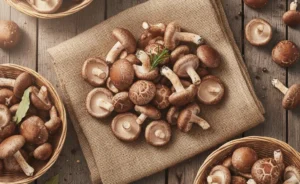
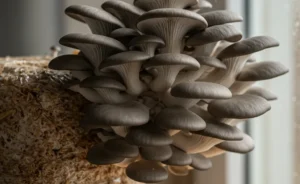
When comparing the turkey tail mushroom taste to other common edible fungi, it stands apart. It lacks the robust, umami-rich flavor of a shiitake or portobello, and it doesn’t possess the distinctive nuttiness of an oyster mushroom. Instead, its flavor is more akin to a delicate, almost neutral backdrop. While some might draw comparisons to certain types of woody herbal teas due to its mildness and potential for bitter undertones, its fungal identity remains. This distinct yet understated flavor allows it to complement rather than compete with other ingredients in culinary applications.
Factors That Influence Turkey Tail’s Taste
Taste Differences Between Fresh, Dried, and Powdered Forms
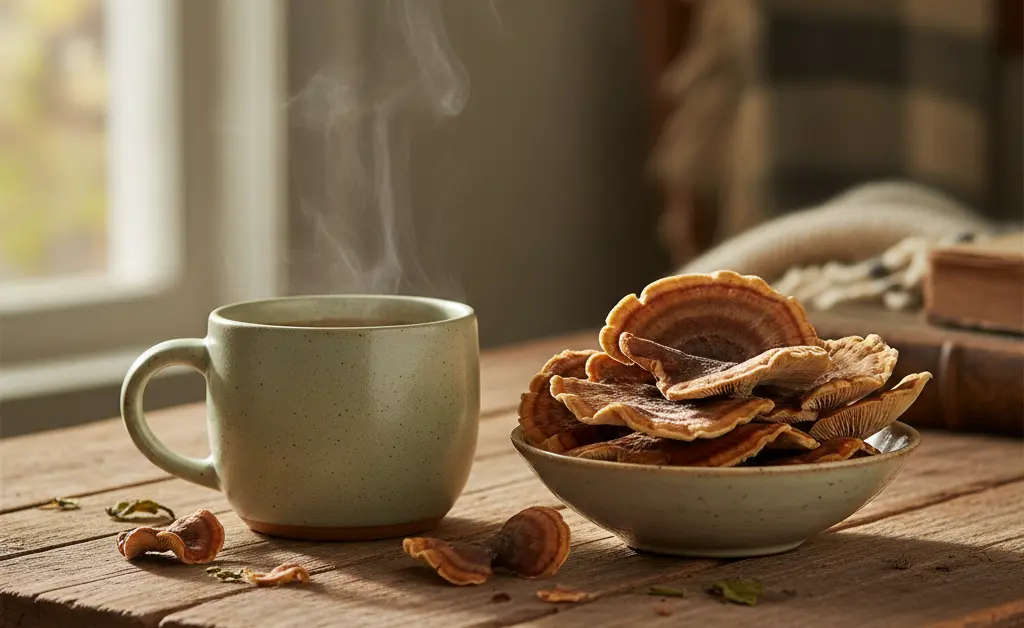
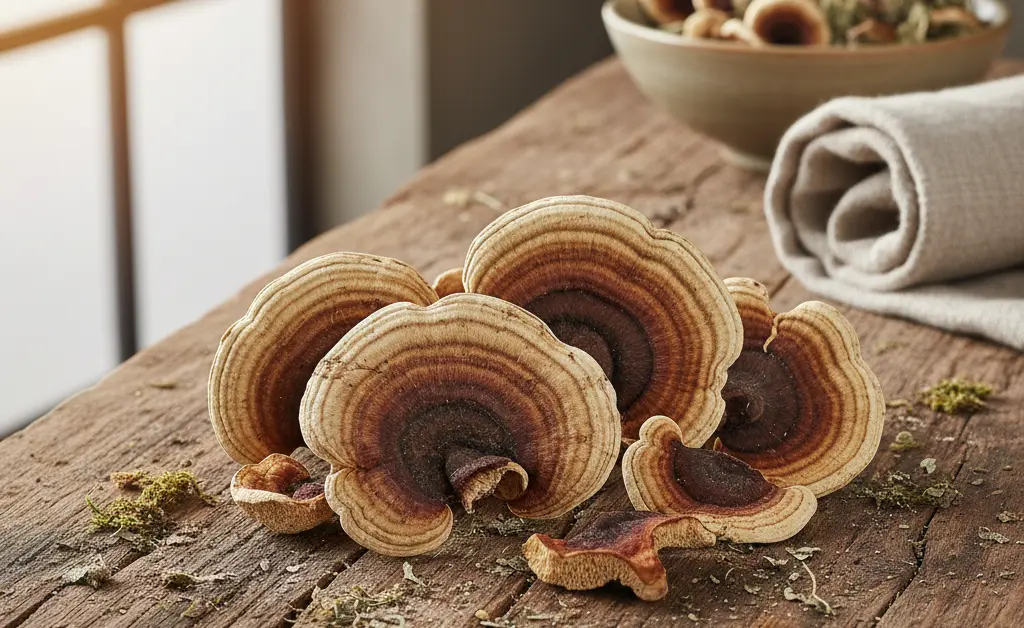
The form of turkey tail mushroom significantly impacts its taste. Fresh turkey tail mushrooms, though tough in texture and generally not consumed raw due to their leathery consistency, possess a very mild, almost watery fungal taste if one were to chew a small piece. Drying the mushroom intensifies its flavor, making the earthy notes more concentrated and potentially bringing out the subtle bitterness more distinctly. When dried turkey tail is used to make a tea or infusion, these flavors are released into the liquid. Powdered forms, often created from dried and ground mushrooms or as extracts, offer the most concentrated taste. A pure extract powder, especially, might present a more pronounced earthy or bitter flavor due as it’s a condensed form. The growth environment of the mushroom, including factors like the type of wood it grew on, can also subtly influence its specific woody and earthy notes. Additionally, the impact of preparation methods, such as brewing versus cooking, plays a crucial role; a long-simmered broth will extract different compounds and thus a different palate experience than a quickly steeped tea. Understanding the turkey tail mushroom price can also be a factor in choosing the right form.
Culinary Applications and Ideal Flavor Pairings
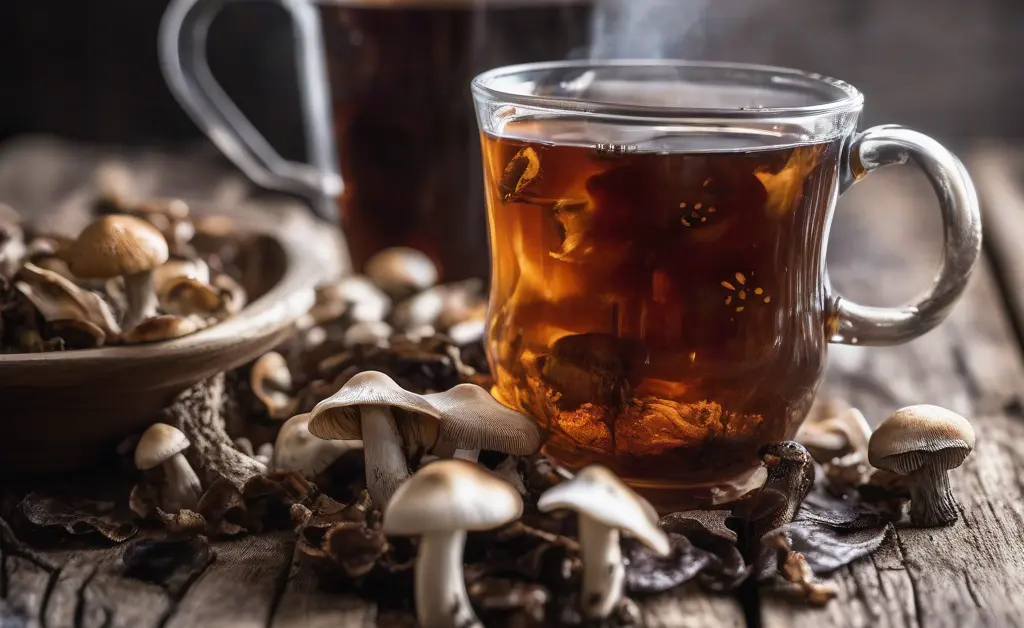
Given the mild and earthy turkey tail mushroom taste, it lends itself well to various culinary uses, particularly those where its subtle notes can integrate without overpowering other ingredients. For optimal palatability and to maximize its Turkey tail mushroom benefits, it’s often prepared as a decoction or infusion. Preparing turkey tail tea is a popular method, allowing its essence to be gently steeped, and can be enhanced with natural sweeteners or other herbs. Similarly, it’s an ideal addition to savory dishes like soups, stews, and broths, where its woody and fungal notes can deepen the overall flavor profile without becoming dominant. Using turkey tail tinctures offers a more concentrated way to consume it, often with just a few drops under the tongue or mixed into a drink. When considering ideal flavor pairings, ingredients such as ginger, turmeric, cinnamon, and various types of tea (like green or black tea) can complement its earthy character, masking any perceived bitterness and creating a more harmonious blend. Its versatility makes it a valuable component in a gastronomy focused on functional ingredients, offering a unique sensory description that enriches the palate.
Setting Taste Expectations and Common Misconceptions
Addressing Perceived Intensity of Its Flavor
Many newcomers to medicinal mushrooms often expect a strong, perhaps even unpleasant, flavor. However, the turkey tail mushroom taste is generally quite mild, often leading to a pleasant surprise for those anticipating something more intense. Common perceptions and community insights suggest that while it has a distinct earthy and sometimes slightly bitter note, it rarely falls into the category of “strong taste” that some other herbal remedies might. The actual intensity of its flavor can vary depending on its concentration (e.g., a strong extract versus a diluted tea) and individual palate sensitivity, but it’s important to set realistic expectations that it’s not overpowering.
Distinguishing Flavor from Potency
A crucial misconception to address is equating a mild turkey tail mushroom taste with a lack of potency. This is incorrect. The effectiveness or beneficial compounds of turkey tail are not directly correlated with the strength of its flavor. A subtle flavor does not mean the mushroom is less potent or effective in delivering its Turkey tail mushroom benefits. Many highly beneficial substances have very mild or even imperceptible flavors. Therefore, one should not be discouraged by its unassuming taste, as its value lies in its rich profile of compounds rather than a bold culinary presence. Further research and clinical trials on its efficacy are often cataloged by reputable sources like the Cochrane Library.
The turkey tail mushroom, with its distinctly mild and earthy flavor, offers a unique addition to wellness routines. While primarily appreciated for its beneficial properties, understanding its subtle nuances—from the woody notes to the potential bitter aftertaste—is key to integrating it successfully. Its versatility in various forms, from teas and broths to extracts, allows for flexible incorporation into daily life. By appreciating its understated culinary profile and dispelling misconceptions about flavor intensity versus potency, users can fully embrace the experience this remarkable fungus provides.
While this article discusses health-related topics, it does not provide medical guidance. The information presented is for informational purposes only and is not intended to be a substitute for professional medical advice, diagnosis, or treatment. Always consult with a qualified healthcare provider before making any decisions about your health or starting any new dietary or wellness regimen, especially if you have a medical condition or are taking medication.
FAQ
— Does Turkey Tail mushroom have a strong taste?
The turkey tail mushroom taste is generally mild and earthy, rather than intensely strong or pungent. Its flavor profile is often described as subtle, allowing it to blend well into various preparations without dominating. This makes it a versatile ingredient, particularly when used in teas or broths.
— Is Turkey Tail mushroom bitter to eat?
Some individuals perceive a mild bitterness in Turkey Tail mushrooms, especially when consumed directly or in concentrated forms. This can be attributed to the natural compounds present within the mushroom, which are known for their distinctive characteristics. Proper preparation, such as extended simmering, can help to moderate this particular nuance.
— What does Turkey Tail mushroom tea taste like?
Turkey Tail mushroom tea typically presents a very earthy and somewhat woody flavor. It is often described as a mellow brew with a subtle umami note, lacking the strong, pungent flavors associated with some other types of mushrooms. Many find its taste quite neutral, making it an excellent base for blending with other herbs or flavors.
— How can you improve the taste of Turkey Tail mushrooms?
To enhance the palatability of Turkey Tail mushrooms, incorporating them into savory dishes or combining them with stronger flavors is a common approach. Brewing them as a tea and adding ingredients like ginger, honey, or other herbal infusions can also effectively mellow their natural earthiness. Extraction methods, such as hot water or dual extraction, concentrate beneficial compounds while allowing for easier flavor integration into foods or beverages.
— Are fresh Turkey Tail mushrooms different in taste from dried?
Fresh Turkey Tail mushrooms tend to have a more delicate and slightly less pronounced earthy flavor compared to their dried counterparts. Drying concentrates the mushroom’s natural compounds, leading to a more intense and often deeper earthy or woody taste. This concentration means that a smaller amount of dried mushroom can yield a more robust flavor profile in teas or broths.