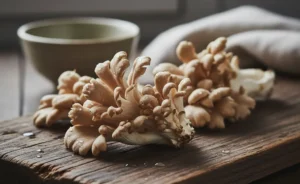
In today’s fast-paced world, individuals are increasingly seeking natural and holistic approaches to enhance their well-being. From incorporating adaptogens into morning routines to exploring ancient remedies, the focus on proactive health management is growing. Among the myriad of natural supplements gaining attention, the turkey tail mushroom (Trametes versicolor) stands out for its long history of use in traditional medicine, particularly in Asian cultures. This distinctive fungi, with its vibrant, fan-like appearance resembling a turkey’s tail, is now a subject of modern scientific inquiry. As more people integrate functional ingredients into their lifestyle for daily support, a common question arises: what does turkey tail mushroom do for the body, and how can it contribute to overall health?
What Does Turkey Tail Mushroom Do For The Body?

Turkey tail mushroom, known scientifically as Trametes versicolor, is a type of edible fungus revered for its potential health benefits, primarily through its rich content of polysaccharides like PSK (polysaccharide-K) and PSP (polysaccharopeptide). These bioactive compounds, along with beta-glucans, are believed to be responsible for many of the mushroom’s studied effects. Fundamentally, what does turkey tail mushroom do for the body is largely centered around its adaptogenic properties, helping the body respond to various stressors and supporting overall wellness. It acts as a bio-modulator, interacting with various bodily systems to promote balance and resilience. This mushroom is widely recognized for its immune-modulating capabilities, a key area of scientific exploration.
Common Side Effects
While generally considered safe for consumption, some individuals may experience mild side effects from turkey tail mushroom, particularly when first introducing it into their regimen. These can include digestive discomfort such as bloating, gas, or an upset stomach. It is always advisable to begin with a smaller serving to assess individual tolerance. Some reports also suggest changes in stool color or consistency. These effects are typically mild and often resolve as the body adjusts to the supplement. As with any natural product, individual reactions can vary, and it is prudent to monitor one’s body for any unusual responses.
Liver Toxicity Concerns
Concerns regarding liver toxicity with turkey tail mushroom are generally minimal when consumed appropriately. Scientific studies and traditional use have not widely reported significant adverse effects on liver health. However, like any supplement, it is crucial to consider individual health conditions, especially for those with pre-existing liver issues or those taking medications that impact liver function. It is important to source high-quality supplements to avoid contamination, which could potentially pose health risks. Consulting with a healthcare professional before starting any new supplement, particularly for individuals with compromised liver function, is always recommended to ensure safety and appropriateness for their specific health needs.
Health Benefits of Turkey Tail Mushroom
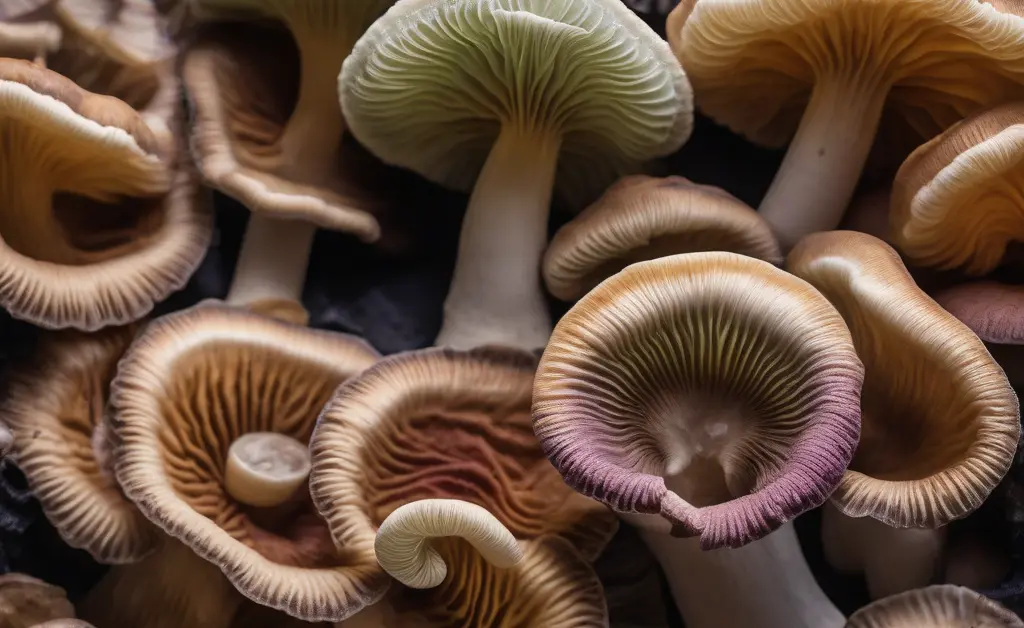
The extensive research into Trametes versicolor has highlighted a wide array of potential health benefits of turkey tail mushroom, solidifying its reputation as a significant functional food. Many of these benefits stem from its powerful antioxidant and anti-inflammatory properties, alongside its unique polysaccharide content. Understanding what does turkey tail mushroom do for the body in terms of promoting overall well-being requires an exploration of these specific areas, from immune support to cognitive enhancement.
Immune System Support
One of the most well-documented health benefits of turkey tail mushroom is its robust capacity to support the immune system. For more evidence-based research on natural health interventions, you may consult the Cochrane Library. The polysaccharides, particularly PSK and PSP, are recognized for their ability to modulate immune responses. These compounds are believed to stimulate various immune cells, such as natural killer cells and lymphocytes, which play crucial roles in the body’s defense mechanisms. By promoting a balanced and responsive immune system, turkey tail mushroom may help the body maintain its protective functions. This adaptogenic effect allows the immune system to respond more efficiently to challenges while avoiding overreaction, contributing to overall cellular health.
May Support Autoimmune Conditions
Due to its immune-modulating properties, turkey tail mushroom is being explored for its potential role in supporting individuals with autoimmune conditions. Rather than merely boosting the immune system, its adaptogenic nature suggests it may help to balance immune responses, which is particularly relevant where the immune system may be overactive or misdirected. By promoting immune regulation, this edible fungus may contribute to a more harmonious immune environment. However, individuals with autoimmune conditions should approach any new supplement with caution and under the guidance of a healthcare provider, given the complex nature of these conditions.
Promotes Gut Health
Emerging research indicates that turkey tail mushroom may play a significant role in promoting gut health, which is intrinsically linked to overall wellness. This is attributed to its prebiotic properties; the compounds in the mushroom can nourish beneficial gut bacteria. A healthy microbiome is essential for digestion, nutrient absorption, and even immune function. By supporting a diverse and thriving community of microorganisms in the gut, turkey tail mushroom may help to maintain digestive balance, reduce inflammation in the gut, and enhance the body’s overall internal environment. This connection between the gut and other bodily systems underscores the holistic benefits of this mushroom.
Enhances Cognitive Health
The potential of turkey tail mushroom to enhance cognitive health is an area of growing interest. Its antioxidant and anti-inflammatory compounds may help protect brain cells from oxidative stress and inflammation, which are factors implicated in cognitive decline. By fostering a healthier cellular environment in the brain, turkey tail mushroom may contribute to improved focus, memory, and overall cognitive function. Its adaptogenic properties might also help the brain manage stress, which is known to negatively impact cognitive performance. Further exploration into specific mechanisms is ongoing, but initial insights suggest promising links.
Boosts Exercise Performance
For individuals seeking natural ways to support their physical endurance and recovery, turkey tail mushroom may offer benefits related to exercise performance. Its adaptogenic qualities are thought to assist the body in managing physical stress and optimizing energy utilization. By potentially reducing oxidative stress induced by intense physical activity and supporting cellular energy production, it may help improve stamina and aid in post-exercise recovery. This aspect of turkey tail mushroom’s action can be particularly appealing to athletes or those maintaining active lifestyles, contributing to sustained vitality and quicker bounce-back after exertion.
Potential Benefits for Skin Health
The antioxidants present in turkey tail mushroom, such as phenols and flavonoids, contribute to its potential benefits for skin health. These compounds help combat free radicals, which are major contributors to skin aging and damage from environmental factors. By protecting skin cells from oxidative stress, the mushroom may help maintain skin elasticity, reduce the appearance of fine lines, and promote a more youthful complexion. Its anti-inflammatory properties could also aid in soothing skin irritations, contributing to overall skin wellness and a healthier appearance.
Benefits for Female Health
Turkey tail mushroom may offer unique benefits for female health, primarily through its immune-modulating and anti-inflammatory actions. While research is ongoing, traditional uses suggest support for general well-being, which extends to various aspects of female physiological balance. Its ability to support a healthy immune system is particularly relevant for maintaining overall vitality. The adaptogenic nature of the mushroom can also assist the body in managing stress, which can impact hormonal balance and overall health in women. It may contribute to supporting cellular health, a fundamental aspect of maintaining overall health throughout different life stages.
Benefits for Male Health
For male health, turkey tail mushroom provides broad support through its well-established contributions to immune system function and cellular health. Its adaptogenic effects can help the male body cope with daily stressors, which are crucial for maintaining vigor and resilience. The mushroom’s antioxidant properties are also beneficial for protecting cells throughout the body from damage. By fostering a robust immune response and supporting cellular integrity, turkey tail mushroom can be a valuable component of a comprehensive approach to men’s wellness and vitality, contributing to sustained health over time.
Benefits for Liver Health
As a key organ for detoxification and metabolism, the liver benefits from compounds that support its cellular integrity and function. Turkey tail mushroom contains antioxidants and other bioactive compounds that may help protect liver cells from oxidative stress and inflammation. By supporting the liver’s natural detoxification processes and maintaining cellular health, this mushroom contributes to the optimal functioning of this vital organ. Its potential role in modulating immune responses within the liver could also be beneficial, helping to maintain liver wellness and overall systemic health.
This article aims to inform, not to replace professional healthcare advice. It is essential to consult with a qualified healthcare provider before making any decisions about your health or starting any new supplement regimen, especially if you have pre-existing medical conditions or are taking other medications. The information provided is for educational purposes only and should not be used for diagnosing, treating, or preventing any disease or health condition.
FAQ
— What are the main health benefits of turkey tail mushroom?
Turkey tail mushroom is prominently recognized for its rich content of beneficial polysaccharides, such as PSK and PSP, which are significant for immune system modulation. These compounds contribute to its strong antioxidant capacity, offering support for cellular health throughout the body. Therefore, what turkey tail mushroom does for the body primarily revolves around enhancing immune function and providing protective antioxidant effects.
— How does turkey tail mushroom affect the immune system?
The impact of turkey tail mushroom on the immune system is primarily attributed to its complex polysaccharides, specifically polysaccharide Krestin (PSK) and Polysaccharopeptide (PSP). These compounds are understood to interact with immune cells, potentially supporting their activity and communication. This interaction helps to modulate immune responses, fostering a balanced and robust defense system within the body.
— Are there any adverse effects of taking turkey tail mushroom?
Generally, turkey tail mushroom is considered to be well-tolerated by most individuals. On rare occasions, some users have reported mild digestive discomfort, such as gas or bloating, or a temporary darkening of stools. These effects are typically minor and not widely reported.
— Can turkey tail mushroom improve cognitive function?
While turkey tail mushroom is primarily known for its immune benefits, direct evidence for significant cognitive enhancement is less established. However, its antioxidant properties and potential to support a healthy inflammatory response could indirectly contribute to overall brain health. Maintaining general cellular health is relevant to supporting optimal neurological function.
— Is turkey tail mushroom beneficial for gut health?
Turkey tail mushroom is indeed considered beneficial for gut health, primarily due to its rich content of prebiotic fibers. These fibers are known to nourish beneficial gut bacteria, contributing to a balanced and diverse microbiome. A healthy gut environment is intrinsically linked to overall digestive wellness and can indirectly support immune function.