
Have you ever wondered about the hidden networks beneath the forest floor that contribute to the remarkable properties of medicinal mushrooms? This intricate network, known as mycelium, is a fascinating subject, especially when it comes to beneficial fungi like the turkey tail mushroom. Specifically, understanding the unique characteristics and benefits of turkey tail mushroom mycelium is becoming increasingly relevant for those seeking natural health support. This introductory exploration will delve into what mycelium is, why its biomass is distinct from the fruiting body, and the various ways it can be utilized for wellness. We will also touch upon its potential applications for pet health and provide guidance on identifying high-quality products. Prepare to uncover the intricate world of this powerful fungal component and how it can be thoughtfully incorporated into daily life.
Understanding Turkey Tail Mushroom Mycelium
You can often spot turkey tail mushroom on trees, growing in distinct fan-like layers on various wood types.
What is Turkey Tail Mycelium?
Mycelium represents the vegetative part of a fungus, consisting of a network of fine white filaments called hyphae. This intricate, root-like structure typically grows underground or within its substrate, such as decaying wood, and serves as the primary digestive and absorptive system for the fungus. The turkey tail mushroom mycelium is particularly known for its extensive network, which plays a crucial role in nutrient cycling within ecosystems. It is the precursor to the visible fruiting body (the mushroom cap) and is often considered the “brain” of the organism, constantly exploring its environment and interacting with other organisms. Mycology, the study of fungi, extensively explores these hidden networks to understand their ecological roles and potential benefits. For a broader overview, understanding what is turkey tail mushroom is a great starting point.
Key Characteristics of Mycelial Biomass
The biomass derived from turkey tail mushroom mycelium differs significantly from the fruiting body. While both contain beneficial compounds, mycelial biomass is typically cultivated on a grain substrate. During this cultivation process, the mycelium digests the grain, converting it into a new, unique set of bioactive compounds. This method can result in a rich profile of enzymes, antioxidants, and a wide array of polysaccharides, including beta-glucans, which are highly valued for their potential health-supporting properties. Understanding these nutritional and active compound variations is important when considering the implications for supplement efficacy, as the specific constituents can influence how the body utilizes the product. Understanding how the fungus reproduces through turkey tail mushroom spores is crucial for its cultivation.
Health Benefits of Turkey Tail Mycelium
Its rich history reveals the diverse turkey tail mushroom origin and traditional uses across cultures.
The health benefits associated with turkey tail mushroom mycelium are largely attributed to its rich content of bioactive compounds, particularly polysaccharides. These include well-studied components like Polysaccharide K (PSK) and Polysaccharopeptide (PSP), which are extensively researched for their immunomodulator properties. Regular integration may offer overall immune system support by potentially influencing nonspecific immune response. Beyond immune health, there’s growing interest in its role in gut health. The complex carbohydrates found in the mycelium can act as a prebiotic, potentially nourishing beneficial gut bacteria and supporting a balanced gut microbiome and digestive health. Scientific context and research continues to explore its potential as an adaptogen, assisting the body in responding to various stressors. For reliable general health information, always consult official health organizations like the CDC.
Turkey Tail Mycelium for Pets
Just as in humans, turkey tail mushroom mycelium is also explored for its potential to support the well-being of pets. Many pet owners and veterinarians are looking into functional mushrooms as a natural addition to animal health regimens. The same beneficial polysaccharides and other bioactive compounds that may support immune health in humans are thought to offer similar advantages for our animal companions. This can be particularly relevant for supporting immune function, especially in older pets or those needing general wellness support. It’s important to approach pet supplementation with care and always consult with a veterinary professional to ensure appropriate usage for specific animal needs.
Sourcing, Forms, and Incorporation of Turkey Tail Mycelium
Identifying Quality Mycelium Products
When seeking high-quality turkey tail mushroom mycelium products, several factors are crucial for informed decision-making. Consumers should look for supplements that specify the cultivation method and the substrate used, as these can influence the final compound profile. Transparency from manufacturers regarding their biotechnology and sourcing practices is a positive indicator. It’s also beneficial to look for products that provide information on the concentration of key bioactive compounds, such as beta-glucans. Identifying quality mycelium products often involves examining third-party testing certifications, which can help verify purity and potency, ensuring you receive a product with integrity and bioavailability.
Integrating Turkey Tail Mycelium into Your Routine
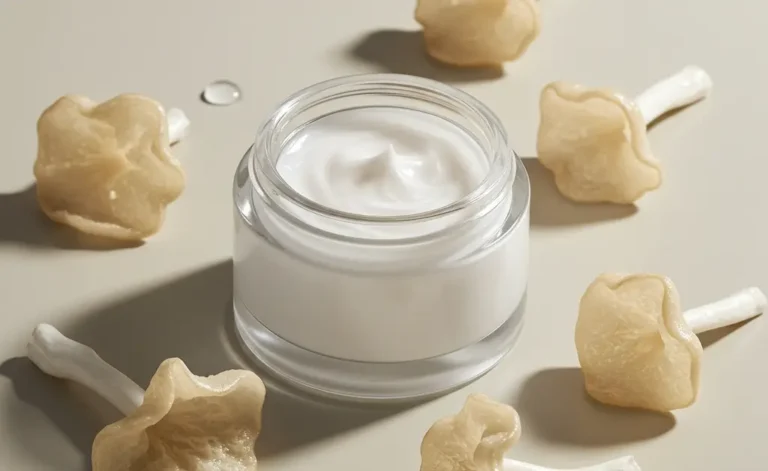
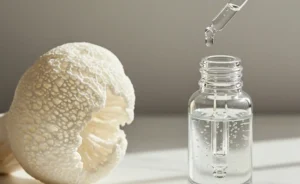
Incorporating turkey tail mushroom mycelium into your daily routine can be straightforward, given the variety of available forms. It is commonly found as a powder, which can be easily mixed into smoothies, coffee, tea, or other beverages. Capsules offer a convenient and precise way to consume the mycelium, while tinctures provide a liquid extract that can be taken sublingually or added to drinks. The choice of form often depends on personal preference and lifestyle. When beginning any new supplement, it’s generally advisable to start with a smaller amount to assess individual response and gradually adjust as needed, considering your overall health and wellness goals.
This content is for informational use and should not be considered medical instruction. It is not intended to diagnose, treat, cure, or prevent any disease or health condition. Always consult with a qualified healthcare professional before making any decisions about your health, diet, or lifestyle. Individual results may vary, and the information provided is not a substitute for professional medical advice.
FAQ
— Is turkey tail mycelium effective for immune support?
Turkey tail mushroom mycelium is recognized for its immune-modulating properties, primarily due to unique polysaccharides like PSP and PSK. These compounds play a role in supporting various aspects of the immune system by interacting with immune cells. Research has investigated its ability to help maintain immune balance and responsiveness.
— What are the specific benefits of turkey tail mycelium for gut health?
Turkey tail mycelium is linked to promoting a healthy gut environment, acting as a prebiotic that nourishes beneficial gut bacteria. This support can help foster a balanced microbiome, which is relevant to digestive well-being and nutrient absorption. Its compounds can create a favorable environment for probiotic species to thrive.
— How does turkey tail mycelium differ from the fruiting body?
The mycelium represents the underground, root-like network of the fungus, while the fruiting body is the visible, spore-producing structure typically seen above ground. While both parts contain beneficial compounds, their concentrations and specific profiles can vary, reflecting their distinct biological roles. The mycelium is often cultivated on grain substrates, which may influence its final composition.
— What forms of turkey tail mycelium products are available?
Products containing turkey tail mycelium are commonly found as powders, capsules, or liquid extracts. These forms are often processed to concentrate the beneficial compounds, making them convenient for consumption. You might encounter them as stand-alone supplements or as part of broader mushroom blends.
— Are there any side effects of taking turkey tail mycelium?
Turkey tail mycelium is generally well-tolerated by most individuals. However, as with any supplement, mild digestive upset such as bloating or gas has been noted in sensitive individuals, though it is rare. It is always prudent to consider individual sensitivities when introducing new wellness products.