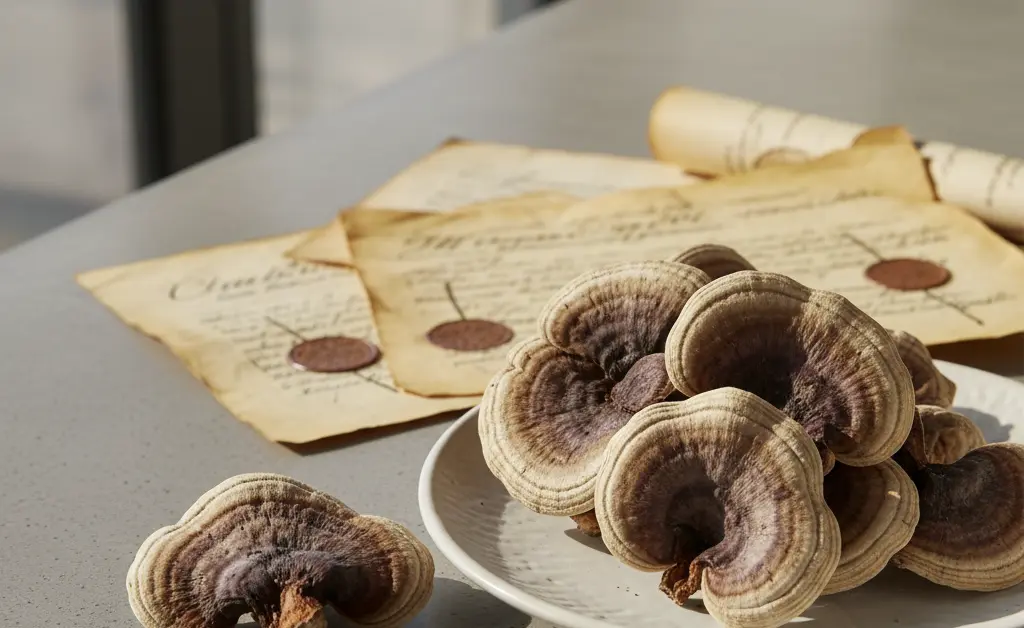
Turkey tail mushroom (Trametes versicolor), distinguished by its vibrant, fan-like bands reminiscent of a turkey’s tail, is a functional fungus widely revered in traditional medicine systems, particularly across Asia. Historically utilized for its diverse wellness properties, it has recently garnered global attention as a popular dietary supplement, often consumed in extract or powder form. Despite its widespread traditional use and growing consumer interest, navigating the legal landscape surrounding its distribution and sale can be complex, especially within the United Kingdom. This article aims to demystify the intricacies of the turkey tail mushroom uk ban, exploring the regulatory framework, its practical implications for consumers and businesses, and the broader context of novel food regulations that govern its status. We will delve into why this popular fungi faces restrictions and what options exist for those seeking its benefits.
Understanding the turkey tail mushroom uk ban
The situation surrounding the availability of certain fungal products in the UK, often colloquially referred to as a turkey tail mushroom uk ban, is primarily a matter of regulatory classification rather than an outright prohibition based on safety concerns. This distinction is crucial for understanding the legal landscape for both consumers and businesses. The current framework dictates how specific dietary supplements, including those derived from fungi like Trametes versicolor, can be legally marketed and sold within the United Kingdom.
What is Banned: Turkey Tail and Cordyceps in the UK
Within the UK, the “ban” on certain mushrooms, including Turkey Tail (Trametes versicolor, also known as Coriolus versicolor) and Cordyceps, is not a declaration that these fungi are inherently harmful or illegal to possess. Instead, it refers to their classification under the Novel Foods Regulation. This regulation means that products containing these mushrooms, especially as extracts or powdered forms intended for use as food supplements or food ingredients, have not undergone the necessary authorization process to be legally sold in the UK market. Therefore, while the raw fungi might not be explicitly “banned,” their commercial sale as health products or food supplements without proper authorization is restricted.
Distinguishing Between ‘Ban’ and ‘Regulation’
It is important to differentiate between a complete ban and stringent regulation. A complete ban would imply that a substance is deemed unsafe or illegal under all circumstances. In the case of turkey tail mushroom, the situation is one of regulation, specifically under the Novel Foods framework. This means that a product cannot be legally placed on the market as a food or food supplement until it has received authorization, which requires demonstrating a history of significant consumption in Europe before May 1997 or undergoing a comprehensive safety assessment. The absence of this authorization is what restricts market availability, rather than an official decree of danger.
Post-Brexit Implications for UK Law
Following Brexit, the UK adopted much of the existing EU law into its domestic legislation, including the Novel Foods Regulation. While the overarching principles remain similar, the UK now has its own independent regulatory framework and approval process, managed by the Food Standards Agency (FSA) for England and Wales, and Food Standards Scotland. This means that any authorization previously granted by the EU for a novel food no longer automatically applies to the UK market, and conversely, any future UK-specific authorizations will not apply to the EU. Businesses and consumers must now navigate a distinct UK-specific regulatory pathway for novel food applications and compliance.
The Novel Foods Regulation: Why Turkey Tail is Under Scrutiny
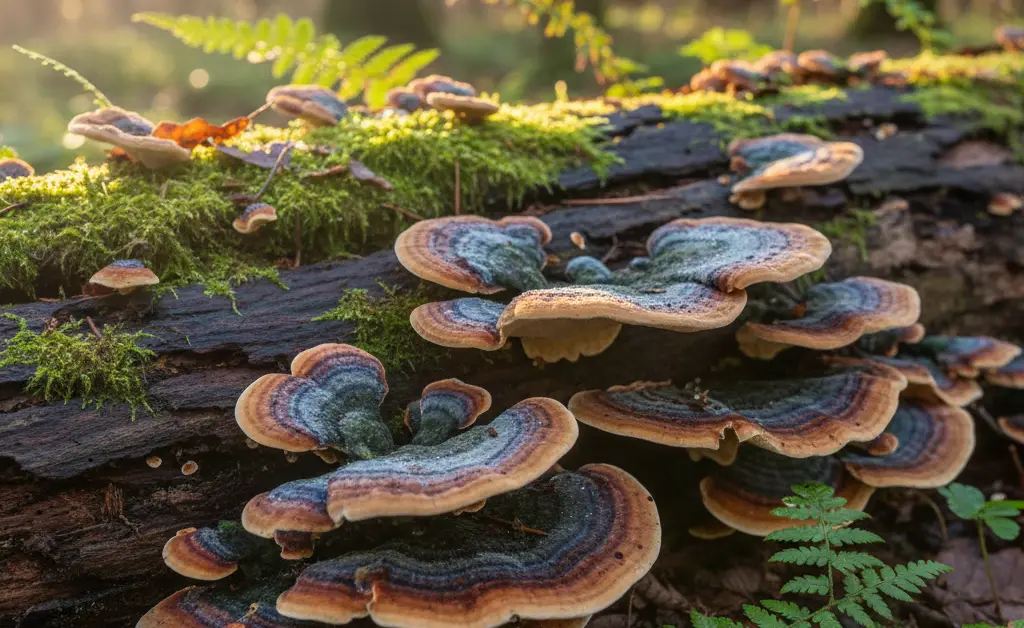
The primary reason for the challenges faced by products containing turkey tail mushroom in the UK, often perceived as a turkey tail mushroom uk ban, lies squarely with the Novel Foods Regulation. This framework helps explain why turkey tail mushroom is banned for commercial distribution. This regulatory framework is designed to ensure the safety of food products that do not have a significant history of consumption within the European Union prior to a specific date. For traditional ingredients originating from outside Europe, this regulation can present a significant hurdle to market entry.
Origin and Purpose of the Novel Foods Regulation
The Novel Foods Regulation (initially EC No 258/97, now Regulation (EU) 2015/2283, and retained in UK law) was established to regulate foods and food ingredients that had not been consumed to a significant degree by people in the EU before May 15, 1997. For more information on food safety in the EU, consult the EFSA website. Its main purpose is to ensure that all novel foods are safe for consumption and properly labelled to avoid misleading consumers. This protective measure mandates a pre-market authorization process, where scientific evidence must be submitted to demonstrate the product’s safety.
How the Regulation Applies to Traditional Ingredients
The regulation’s scope extends even to ingredients with a long and respected history of traditional use in non-European countries. If a traditional ingredient, like turkey tail mushroom, does not have a demonstrable history of significant consumption within Europe before the cut-off date, it is classified as a ‘novel food’. This classification triggers the requirement for a specific authorization process, which can be time-consuming and costly, involving detailed scientific assessment of potential health products and food supplement forms.
Lack of Significant Consumption History in Europe
Despite its extensive use in traditional medicine systems across Asia for centuries, turkey tail mushroom lacks a documented history of significant consumption as a conventional food or food supplement within Europe before 1997. This historical context is critical for its classification under the Novel Foods Regulation. Because of this, even though it has been used for generations elsewhere, it is treated as a novel ingredient that requires rigorous safety checks before it can be legally sold on the UK market as a food product or herbal supplement.
Requirements for Novel Food Authorization
For a novel food to gain authorization, applicants must submit a comprehensive dossier to the relevant regulatory body (the FSA in the UK). This dossier must include detailed information on the food’s composition, nutritional value, typical levels of use, and a thorough assessment of potential toxicological effects. For fungal extracts like those from turkey tail, specific components such as Beta-glucans, Polysaccharide-K (PSK), and Polysaccharide-Peptide (PSP) may require detailed analysis. The process is science-based, requiring robust data to confirm product safety for consumers.
Safety Concerns vs. Traditional Use of Turkey Tail
It’s crucial to understand that the Novel Foods Regulation’s scrutiny of turkey tail mushroom is not necessarily indicative of specific safety concerns identified by regulatory bodies. Rather, it stems from the *absence* of a formal safety assessment for its use as a food or food supplement in the European context. While traditional use in other regions often suggests a history of safe consumption, the regulatory framework requires scientific verification tailored to the specific context of the UK population and consumption patterns. Therefore, the regulation is a proactive measure to prevent potential unknown risks, rather than a response to known dangers of Trametes versicolor.
Implications for Consumers and Businesses in the UK
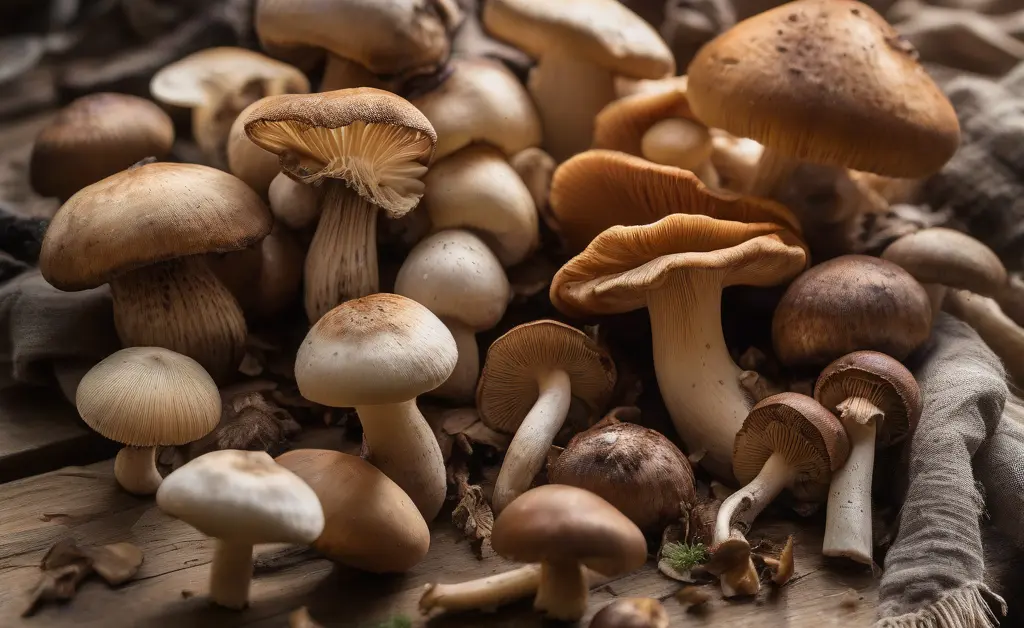
The Novel Foods Regulation and its application to turkey tail mushroom create distinct implications for both consumers and businesses operating within the UK. The situation shapes market availability, product legality, and even personal importation, making the landscape of the turkey tail mushroom uk ban challenging to navigate for many stakeholders.
Availability of Turkey Tail Products in the UK
For consumers in the UK, the primary implication is the limited market availability of turkey tail mushroom products. Retailers, both online and brick-and-mortar, are generally prohibited from selling these products if they are intended for human consumption as a food or food supplement, unless they have received Novel Food authorization. This means that finding fungal extracts or other forms of turkey tail as dietary supplements through conventional legal channels can be difficult, if not impossible, within the UK. This scarcity impacts those seeking health products for personal use.
Impact on Suppliers and Retailers
The regulatory environment imposes significant challenges on suppliers and retailers. Businesses wishing to sell turkey tail mushroom products must either invest considerable time and resources into the Novel Food authorization process, which can be lengthy and expensive, or refrain from selling these items altogether. Non-compliance can lead to legal penalties, product seizures, and reputational damage. This situation has led many potential suppliers to avoid the UK market for such herbal supplements, thereby limiting consumer choice and market competition.
Personal Importation Rules and Restrictions
While commercial sale of unauthorized novel foods is restricted, the rules around personal importation by individuals can be complex. Generally, individuals importing small quantities of products for personal use, which are not intended for onward sale, may face fewer direct hurdles. However, it is essential for consumers to be aware that even personal importation of products deemed a novel food could technically fall outside compliance with UK food law. Customs authorities have the power to seize goods if they are deemed unsafe or non-compliant with import restrictions, even if bought for personal use. Consumers should exercise caution and verify the product legality before attempting to import any unapproved food supplement.
Navigating the Landscape: Alternatives and Future Outlook

Given the current regulatory landscape concerning the turkey tail mushroom uk ban, understanding how to navigate these restrictions and what the future might hold is crucial for both consumers and the industry. While direct commercial access to turkey tail products may be limited, there are pathways and ongoing discussions that could shape future market dynamics.
Sourcing Compliant Products
For consumers interested in mushroom-based health products, the key is to seek out compliant products that are legally available in the UK. This might mean exploring other mushroom supplements that have received Novel Food authorization or are traditionally accepted as foods in Europe. Alternatively, some companies may offer turkey tail products marketed in ways that avoid the Novel Food classification, such as those sold for non-human consumption purposes, though consumers should be cautious and verify the intent and legality. Always prioritize products from reputable suppliers who adhere strictly to regulatory frameworks and can demonstrate full compliance with UK legislation for food supplements.
Ongoing Discussions and Potential Policy Changes
The regulatory environment for novel foods is not static. There are ongoing discussions within the scientific community and among regulatory bodies regarding the categorization of traditional ingredients. As more research emerges and public interest grows, there is always potential for policy changes or for specific applications for novel food authorization to be submitted and approved. If robust scientific dossiers demonstrating safety are presented to the Food Standards Agency (FSA) for particular turkey tail mushroom preparations, or if a significant history of consumption within Europe can eventually be established for certain forms, the status could change. However, such processes are typically long and require substantial investment. Until then, the current restrictions largely define the turkey tail mushroom uk ban on commercial sales.
The regulatory status of turkey tail mushroom in the UK highlights the intricate balance between consumer interest, traditional uses, and the imperative for public health protection. While not an outright “ban” based on inherent danger, the Novel Foods Regulation effectively restricts the commercial availability of turkey tail mushroom products as food supplements. This framework ensures that all new food products entering the market undergo rigorous safety assessments, reflecting the UK’s commitment to product safety. For consumers and businesses alike, understanding this distinction is key to navigating the current landscape, making informed choices, and preparing for any potential future policy shifts that could alter the availability of this widely revered functional fungus.
The purpose of this content is to educate, not to diagnose or treat. The information provided is for general knowledge and informational purposes only, and does not constitute medical advice. Always consult with a qualified healthcare professional before making any decisions about your health, diet, or supplement regimen. This article does not endorse the use of any specific product or treatment.
FAQ
— Is turkey tail mushroom legal to buy in the UK?
Turkey tail mushroom is currently not authorized for sale as a food or food supplement in the UK under the Novel Foods Regulation. While the mushroom itself isn’t illegal to possess, its commercial sale for human consumption requires specific authorization. This regulation ensures the safety of new food products before they enter the market.
— What is the Novel Foods Regulation for mushrooms in the UK?
The Novel Foods Regulation in the UK, similar to its EU predecessor, governs the authorization of foods and ingredients not widely consumed before May 1997. For mushrooms, this means any species or form of mushroom not historically present in the European diet must undergo a rigorous safety assessment. Only after authorization can they be legally marketed and sold for human consumption as food.
— Why are some mushrooms banned in the UK?
Certain mushrooms are not permitted for sale in the UK primarily due to the Novel Foods Regulation, which requires new food ingredients to undergo a safety assessment before market entry. Additionally, some specific varieties are restricted due to their psychoactive properties, falling under different controlled substances legislation. Therefore, when discussing a potential turkey tail mushroom uk ban, it’s usually in reference to its unauthorized status as a novel food, rather than an outright prohibition of the mushroom itself.
— Can I import turkey tail mushroom into the UK?
Importing turkey tail mushroom for personal consumption can be a nuanced area, as the Novel Foods Regulation primarily applies to placing products on the market. However, any commercial import intended for sale as a food or food supplement in the UK requires prior authorization under these specific regulations. Without such approval, selling imported turkey tail products for human consumption remains prohibited.
— Where can I buy legal turkey tail mushroom in the UK?
Currently, finding turkey tail mushroom products legally sold as food supplements for human consumption in the UK is challenging due to the Novel Foods Regulation. While some products might be available for non-human use or imported for personal consumption, their sale as food requires specific authorization. Consumers should be aware of these regulations when seeking such products.