
The classification of novel food items is crucial for ensuring consumer safety and market clarity. Among the many functional ingredients drawing consumer interest, the turkey tail mushroom (Coriolus versicolor) stands out. Its long history of use in traditional practices across various cultures contrasts with its recent designation as a novel food in many Western regulatory frameworks, particularly within the European Union. Understanding the intricacies of this classification, including the requirements for approval and its implications for market access, is essential for producers and consumers alike. This article delves into why turkey tail mushroom novel food status is important, exploring the regulatory journey and what it means for its future availability.
Understanding Turkey Tail Mushroom’s Novel Food Classification
The regulatory landscape for food products, particularly functional ingredients and food supplements, is designed to ensure safety and transparency. For the turkey tail mushroom, its path to market in certain regions like the European Union is governed by novel food regulations, which necessitates a thorough authorization process. This classification ensures that any new food or food ingredient, including turkey tail mushroom novel food products, undergoes a rigorous scientific assessment before it can be legally sold.
What Defines a ‘Novel Food’?
A ‘novel food’ is generally defined as food that has not been widely consumed by people in a particular region before a specific historical cut-off date. In the European Union, for instance, this date is May 1997. The aim of this classification is to ensure that any food item introduced to the market, which lacks a history of safe consumption, undergoes a comprehensive safety assessment. This can include anything from newly developed foods using innovative technologies to traditional foods from non-EU countries that have not been widely consumed within the EU.
Why Turkey Tail is Classified as a Novel Food
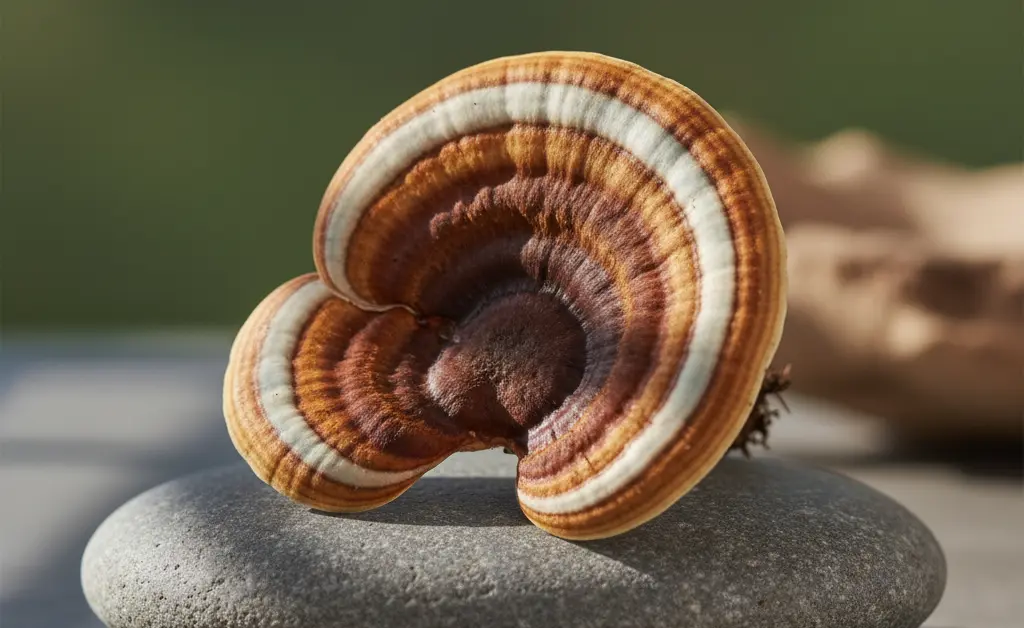
Despite its extensive use in traditional practices globally, the turkey tail mushroom, scientifically known as Coriolus versicolor or Trametes versicolor, is classified as a novel food in many Western regulatory frameworks because it does not meet the established criteria for significant consumption prior to the designated cut-off dates. This means that even though it is an edible mushroom with a long history of use as a functional ingredient, its widespread consumption in regions like the EU is considered ‘novel’. This classification applies to various forms, including the fruiting body, mycelium, and particularly extracts and powders used in food supplements. This classification often raises the question of why is turkey tail mushroom banned in certain regions despite its long history of use elsewhere.
Historical Use vs. Novel Food Status of Coriolus versicolor
The contrast between the historical use of Coriolus versicolor and its novel food status highlights the differences in traditional practices and modern regulatory frameworks. In many parts of Asia, the turkey tail mushroom has been revered for centuries as a medicinal mushroom and adaptogen, integrated into traditional remedies and dietary practices. This rich history demonstrates cultural familiarity and perceived efficacy. However, regulatory bodies base novel food status not on global traditional use, but on documented significant consumption within specific geographic regions prior to regulatory deadlines. Therefore, while globally recognized, its market entry as a food supplement in novel food regulated regions requires specific authorization, bridging the gap between historical precedent and contemporary safety standards.
Turkey tail mushroom novel food benefits
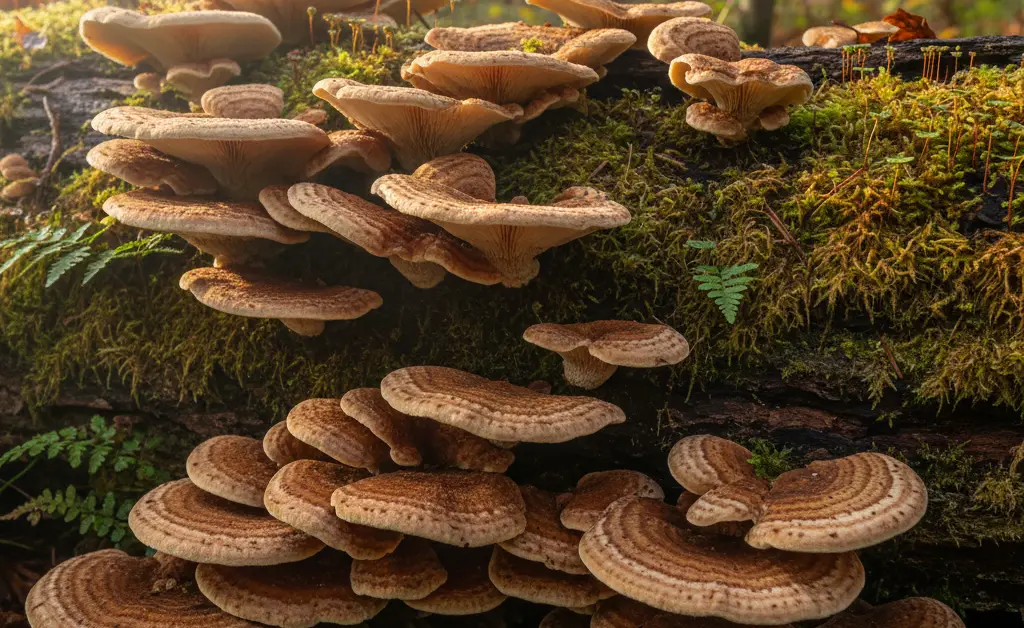
Consumers are increasingly interested in the potential turkey tail mushroom novel food benefits, often drawing from its long history in traditional wellness practices. This functional ingredient is widely studied for its content of polysaccharides, particularly beta-glucans, which are often highlighted in discussions about what turkey tail mushroom does for your body. For more scientific research on these benefits, one can explore studies indexed on PubMed. The mushroom’s adaptogenic properties are also a point of interest, aligning with the growing demand for natural substances that may support overall well-being.
When considering how to consume turkey tail mushroom, various forms are available, from dried powder to concentrated extracts. Some people also explore turkey tail mushroom recipes, integrating the whole mushroom into culinary dishes, although its texture can be quite tough. It is important to clarify that, despite its powerful reputation, Trametes versicolor does not have psychedelic effects; it is not a psychoactive mushroom and its traditional use is purely for its general wellness properties. Interest also extends to its use for pets, with many inquiring about turkey tail mushroom for dogs, though specific veterinary advice should always be sought for animal health applications.
Regulatory Requirements for Turkey Tail as a Novel Food
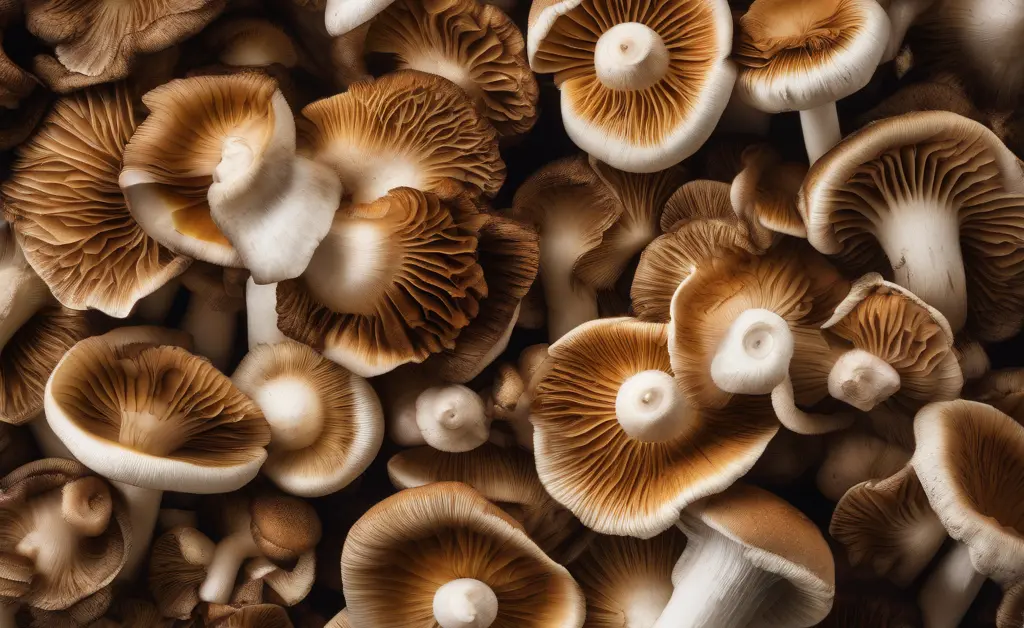
Navigating the regulatory landscape for any novel food, including a turkey tail mushroom novel food, requires a comprehensive understanding of specific authorization processes and data requirements. These regulations are primarily designed to ensure consumer safety and to establish clear guidelines for commercialization. The intricate application process can be substantial, demanding rigorous scientific evidence.
EU novel food regulation
The European Union operates under a stringent novel food regulation framework, most notably Regulation (EU) 2015/2283, which replaced the earlier EC Regulation No 258/97. This framework mandates that any food or food ingredient not consumed to a significant degree by humans in the EU before May 1997 must undergo authorization before it can be placed on the market. The process involves a thorough safety assessment, often conducted by the European Food Safety Authority (EFSA), which culminates in a scientific opinion. For products like turkey tail mushroom extracts, adherence to these EU novel food requirements is paramount for market access. This strict authorization process sometimes leads consumers to question if turkey tail mushroom is illegal in the UK without proper approval.
Turkey Tail Mushroom – remove from EU novel food list.
For a substance like turkey tail mushroom to be removed from the EU novel food list, it would typically need to demonstrate a history of significant consumption in the EU prior to May 1997, which is often challenging to prove for non-indigenous ingredients. Alternatively, manufacturers seeking to market turkey tail mushroom must obtain a specific novel food authorization for their particular product form (e.g., fruiting body extract, mycelial biomass). This authorization process, while rigorous, is the established pathway for bringing such functional ingredients to the European food market legally and safely. Many inquiries arise concerning a turkey tail mushroom UK ban in light of these stringent novel food regulations.
The Authorisation Process for Novel Foods
The authorization process for novel foods is a multi-step procedure. It begins with the submission of a detailed dossier by the applicant to a Member State’s competent authority, which then forwards it to the European Commission. The dossier must contain comprehensive scientific data demonstrating the safety of the food. EFSA typically conducts a risk assessment and provides a scientific opinion on the safety of the proposed novel food. Based on this opinion, the European Commission, in consultation with Member States, decides whether to authorize the novel food. This authorization specifies the conditions of use, labeling requirements, and any post-market monitoring.
Key Data and Documentation Required for Turkey Tail
To secure novel food authorization for turkey tail, applicants must compile a robust dossier. This typically includes detailed information on the composition, specifications, production process, and proposed uses of the specific turkey tail mushroom product (e.g., extract, powder). Critical data required covers toxicology studies, stability data, absorption, metabolism, distribution, and excretion (ADME) studies, and where relevant, preclinical data and clinical data. Any health claims or efficacy statements must be thoroughly substantiated by scientific evidence. This comprehensive documentation is essential for a successful risk assessment and subsequent scientific opinion.
Relevant Regulatory Bodies and Frameworks
The primary regulatory bodies overseeing novel food approvals in the EU are the European Commission and the European Food Safety Authority (EFSA). EFSA is responsible for the scientific risk assessment, while the European Commission manages the overall application process and grants the final authorization. National food safety authorities in individual Member States also play a role in receiving initial applications and enforcing compliance. In the UK, following Brexit, a separate UK novel food regulatory framework is in place, largely mirroring the EU’s approach initially, with the Food Standards Agency (FSA) taking a central role in safety assessments. Consumers often wonder if turkey tail mushroom is banned in the UK due to these regulatory changes.
Implications of Turkey Tail’s Novel Food Status
The designation of turkey tail mushroom as a novel food carries significant implications for its commercialisation and availability across markets with such regulations. This status, while ensuring safety, also introduces complexities for producers. Understanding the requirements of turkey tail mushroom novel food status is crucial for businesses aiming to introduce these functional ingredients into the food supply chain.
Impact on Commercialisation and Product Development
The novel food classification significantly impacts the commercialization strategies and product development timelines for turkey tail mushroom products. Manufacturers must invest substantial resources in compiling the necessary dossier, covering safety and compositional data, which can be a lengthy and costly process. This regulatory hurdle can slow market entry and influence product formulations, often favoring specific extracts or powders that have successfully navigated the authorization process. Furthermore, labeling and marketing must strictly adhere to authorized uses and health claims, limiting the scope of promotional activities until full compliance is achieved within the regulatory framework.
Ensuring Consumer Safety and Compliance
At its core, the novel food regulatory framework prioritizes consumer safety. For turkey tail mushroom products, the authorization process ensures that only thoroughly evaluated and safe forms are introduced into the food market. This includes rigorous testing to address concerns such as “Is Trametes versicolor safe to consume?” and potential interactions. Companies bringing novel foods to market are responsible for maintaining strict compliance with the conditions of authorization, including specifications for composition, purity, and manufacturing processes. This ongoing commitment to compliance protects consumers and builds trust in the functional ingredient category.
Future Outlook for Turkey Tail Products in the Food Market
Despite the challenges associated with novel food authorization, the future outlook for turkey tail products in the food market remains positive, especially as more applications are processed and approved. As scientific understanding grows and successful dossiers are submitted, the availability of various turkey tail mushroom forms—such as extracts, powders, and food supplements—is likely to expand. This could lead to greater innovation in product development, making this popular medicinal mushroom more accessible to consumers seeking functional ingredients. The increasing consumer interest in natural wellness products will continue to drive demand, underscoring the importance of navigating the regulatory landscape effectively to ensure broader commercialization and market growth.
Conclusion

The journey of the turkey tail mushroom from traditional remedy to regulated novel food underscores the intersection of historical use and modern consumer safety. Its classification as a novel food in various Western regulatory frameworks, particularly within the EU, mandates a rigorous authorization process, requiring comprehensive scientific dossiers and safety assessments. This process, while challenging for commercialization and product development, ultimately serves to protect consumers and ensure the quality of functional ingredients entering the food market. As the understanding of this versatile mushroom deepens and regulatory approvals are secured, the future availability of turkey tail mushroom novel food products is poised for growth, allowing more consumers to access this revered adaptogen under clear and safe conditions.
The content provided in this article is intended for informational learning, not clinical application. It is important to consult with qualified professionals for any health concerns or before making decisions related to diet, supplements, or lifestyle. This information should not be used as a substitute for professional advice, diagnosis, or treatment. Individual responses to dietary supplements can vary.
FAQ
— Is turkey tail mushroom classified as a novel food?
Yes, in certain regulatory frameworks, particularly within the European Union, turkey tail mushroom novel food is classified as such. This classification applies to foods that were not widely consumed by humans in the EU before May 1997, requiring specific authorization before they can be legally marketed.
— What does novel food authorization mean for turkey tail?
Novel food authorization for turkey tail means that a thorough safety assessment has been conducted and approved by regulatory bodies. This process ensures that the mushroom is safe for human consumption under specified conditions of use. It also provides a legal framework for its sale and distribution within the relevant markets.
— What are the regulations for selling turkey tail mushroom in food products?
Regulations for selling turkey tail mushroom in food products vary significantly by geographical region. In areas where it is considered a novel food, like the EU, specific authorization is required, which involves submitting a dossier demonstrating its safety and intended use. Other regions may have different requirements, but generally, all food products must comply with local food safety and labeling standards.
— Why is Coriolus versicolor considered a novel food?
Coriolus versicolor, the scientific name for turkey tail, is considered a novel food in certain jurisdictions because its history of significant consumption in those particular regions does not predate a specific cutoff date, typically May 1997 in the EU. This criterion applies to any food not extensively consumed before that time, regardless of its traditional use in other parts of the world. The classification is a regulatory measure to ensure the safety of newly introduced foods to a market.
— What is the process for gaining novel food approval for turkey tail?
Gaining novel food approval for turkey tail involves submitting a comprehensive application to the relevant regulatory authority. This application typically includes detailed scientific data on the mushroom’s composition, nutritional value, potential allergenic properties, and proposed conditions of use. The aim is to demonstrate convincingly that the ingredient poses no risk to human health when consumed as intended.