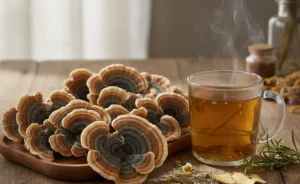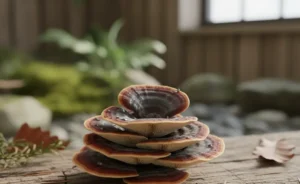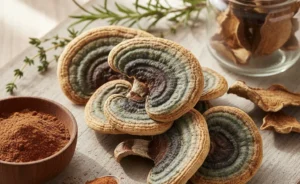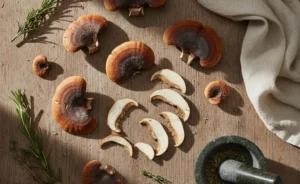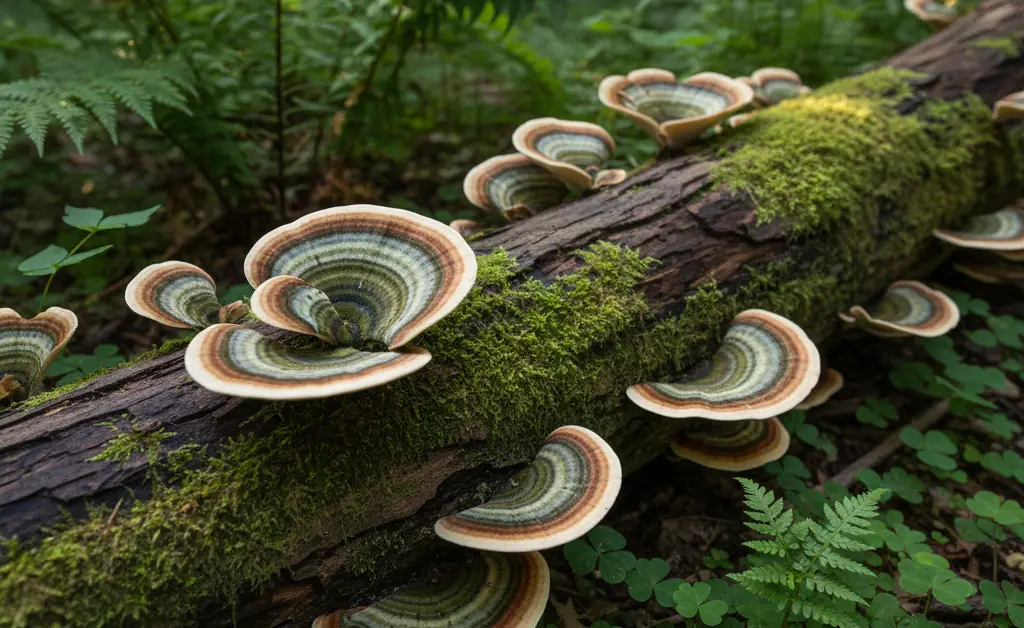
There’s a prevailing misconception that all aspects surrounding the turkey tail mushroom are strictly prohibited within the United Kingdom. While the regulatory landscape for this popular fungus can appear complex and often leads to confusion, the reality is far more nuanced than a blanket ban might suggest. Many assume that merely possessing or using turkey tail is outright illegal, overlooking the specific legal frameworks governing its sale, importation, and classification as a food product or supplement. This article aims to demystify the legal status, clarifying precisely why some aspects of turkey tail mushroom uk illegal for commercial purposes, while personal possession or use may fall under different regulations. We will delve into the intricacies of UK law, distinguishing between various forms and applications of this fascinating mushroom.
Is Turkey Tail Mushroom Illegal in the UK? Understanding the Ban
The question of whether the turkey tail mushroom is illegal in the UK often arises from a misunderstanding of specific legislation rather than a general prohibition on the mushroom itself. In essence, the commercial sale and distribution of *Trametes versicolor*, commonly known as turkey tail, in certain forms, is indeed restricted under current UK law. This isn’t because the mushroom is inherently harmful or hallucinogenic—it is not—but due to its classification under the Novel Food Regulation. This regulatory framework dictates that any food or food ingredient not widely consumed in the EU (and subsequently the UK after Brexit) before May 1997 must undergo a rigorous authorisation process before it can be legally sold. Therefore, while the raw mushroom itself is not technically illegal to possess, its commercial availability as a food supplement or ingredient is where the restrictions primarily apply, making certain aspects of the turkey tail mushroom uk illegal for commercial sale.
Legal Status of Turkey Tail Products in the UK
The legal status of turkey tail products in the UK largely depends on how they are processed and marketed. Products such as dried turkey tail mushroom powders, extracts, tinctures, or capsules intended for human consumption are generally considered “novel foods.” This classification means they cannot be legally sold in the UK without specific authorization from the Food Standards Agency (FSA). Without this approval, manufacturers and retailers are prohibited from offering these products to consumers. This regulatory hurdle explains why many commercial forms of turkey tail mushroom tincture UK or other supplements are unavailable or difficult to find through legitimate channels within the country. This situation directly relates to the broader turkey tail mushroom UK ban on commercial sales. The focus of the legislation is on consumer safety and ensuring that any new food products have been thoroughly assessed before entering the market.
Official UK Government Stance on Turkey Tail
The official UK government stance, primarily articulated through the Food Standards Agency (FSA), is that turkey tail mushrooms and products derived from them are “novel foods.” The FSA maintains a “Novel Food Catalogue” which lists various food items and their novel food status. According to this catalogue, *Trametes versicolor* (turkey tail) is indeed considered a novel food, meaning it requires pre-market authorization. This position is a continuation of regulations that existed when the UK was part of the EU, and post-Brexit, the UK has largely maintained these frameworks. The Medicines and Healthcare products Regulatory Agency (MHRA) would also be involved if any health claims were made that positioned turkey tail as a medicinal product, requiring a separate licensing process. However, for general food supplement purposes, the FSA’s novel food classification is the primary barrier to legal sale and distribution.
Turkey Tail and Cordyceps Mushroom Ban in the UK
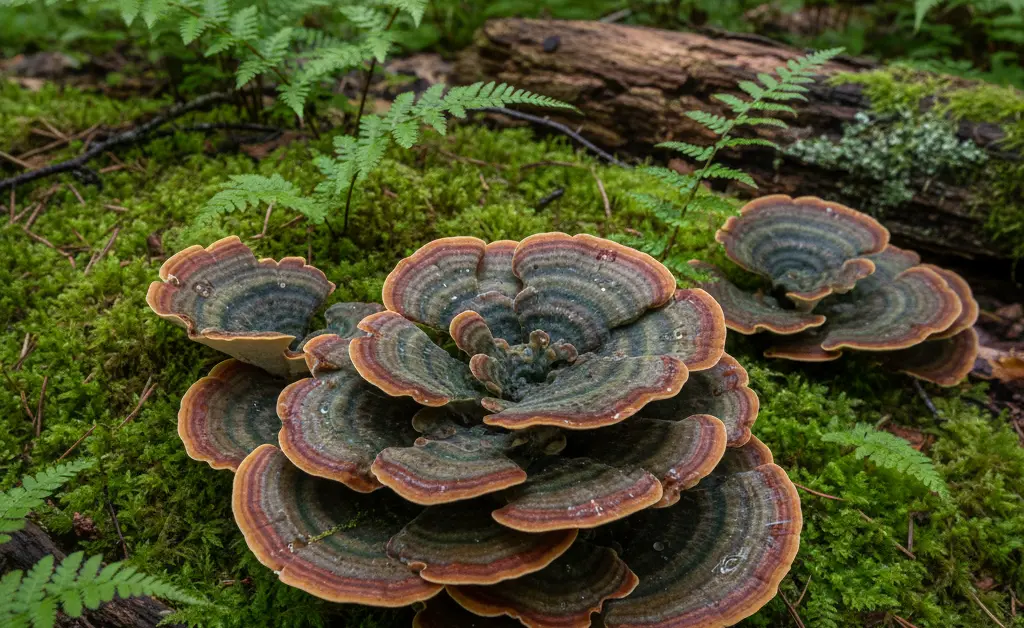
Many wonder why is turkey tail mushroom banned in the UK. The regulatory challenges faced by turkey tail mushrooms in the UK are often mirrored by other so-called “medicinal mushrooms,” including cordyceps. Both fall under similar regulatory scrutiny primarily due to the Novel Food Regulation. This means that if these fungi, or their derivatives, were not consumed to a significant degree by humans in the UK or EU prior to May 1997, they require pre-market authorization to be legally sold as food or food supplements. The perceived “ban” on both turkey tail and cordyceps mushroom in the UK stems from this lack of authorization, rather than any inherent danger or specific prohibition targeting these species. The intention behind such regulations is to ensure that all new food items available to consumers have been deemed safe.
Turkey Tail and Cordyceps UK Ban Explained
The “ban” on both turkey tail and cordyceps in the UK is best understood as an absence of *permission to sell* rather than an outright prohibition on the mushrooms themselves. For commercial operators, this distinction is crucial. It means that while you might encounter the fresh fungi in nature or even cultivate it for personal use (subject to land ownership rules), selling processed forms like supplements or extracts without novel food authorization is unlawful. The regulatory bodies, like the FSA, require extensive data on safety, nutritional value, and proposed use before granting such authorization. The process is lengthy and costly, which discourages many smaller businesses from pursuing it. Until such an application is successfully made and approved, the commercial trade of these “novel” mushrooms and their products remains restricted, effectively making the commercial sale of turkey tail mushroom uk illegal under current rules.
UK Regulations and the Legal Framework for Turkey Tail
Understanding the UK’s regulatory environment for substances like turkey tail involves navigating specific legal frameworks designed to protect public health and ensure product safety. Understanding these regulations is crucial for ensuring product safety and public health, areas also extensively researched by global institutions such as the NIH. The key legislation revolves around food safety, food supplements, and “novel foods.” These regulations govern what can be sold, how it can be labelled, and what claims can be made. For entities wishing to commercialize products derived from *Trametes versicolor*, particularly in forms that deviate from traditional unprocessed consumption, compliance with these frameworks is essential. The complex interplay of these regulations determines why, for commercial purposes, certain presentations of turkey tail mushroom uk illegal, despite its traditional use in other parts of the world.
The Novel Food Catalogue and Turkey Tail
The Novel Food Catalogue is a critical component of UK food law that affects turkey tail. A “novel food” is defined as any food that was not used for human consumption to a significant degree within the European Union before 15 May 1997. Following Brexit, the UK adopted its own version of these regulations. Since turkey tail mushrooms and their extracts do not meet this historical consumption criterion within the UK/EU, they are automatically classified as novel foods. This classification means that any product containing or derived from turkey tail intended for sale as food must undergo a pre-market authorization process. This process requires applicants to submit scientific data proving the safety of the product, including details on its composition, manufacturing process, and intended use. Without this authorization, selling turkey tail products as food is prohibited.
How UK Food Supplement Regulations Apply
Food supplement regulations in the UK are also pertinent to turkey tail. Even if a product were to receive novel food authorization, it would still need to comply with specific regulations governing food supplements. These regulations cover aspects such as permitted ingredients, maximum daily doses, labelling requirements, and restrictions on health claims. For instance, any claims made about turkey tail mushroom benefits would need to be scientifically substantiated and authorized by the FSA. The lack of novel food authorization currently makes the application of general food supplement regulations somewhat moot for turkey tail, as the primary hurdle remains its novel food status. However, should it ever be authorized, manufacturers would then need to navigate both sets of regulations to ensure full compliance for any turkey tail mushroom tincture UK or other supplement product.
Specific Legislation Affecting Sale and Distribution
Beyond the Novel Food Regulation, other legislation can impact the sale and distribution of turkey tail. The Food Safety Act 1990 is a broad piece of legislation ensuring that all food sold in the UK is safe to eat. Additionally, regulations regarding health and nutrition claims, enforced by bodies like the Advertising Standards Authority (ASA), would prevent unsubstantiated statements about potential turkey tail mushroom benefits. Importers also face scrutiny from UK Customs, which is tasked with enforcing import restrictions on unauthorized goods. Businesses failing to comply with these various legislations can face penalties, including fines and product seizures. The comprehensive nature of UK law means that multiple layers of regulation apply, making the legal pathway for commercial turkey tail products challenging.
Implications for Consumers: Buying and Using Turkey Tail in the UK
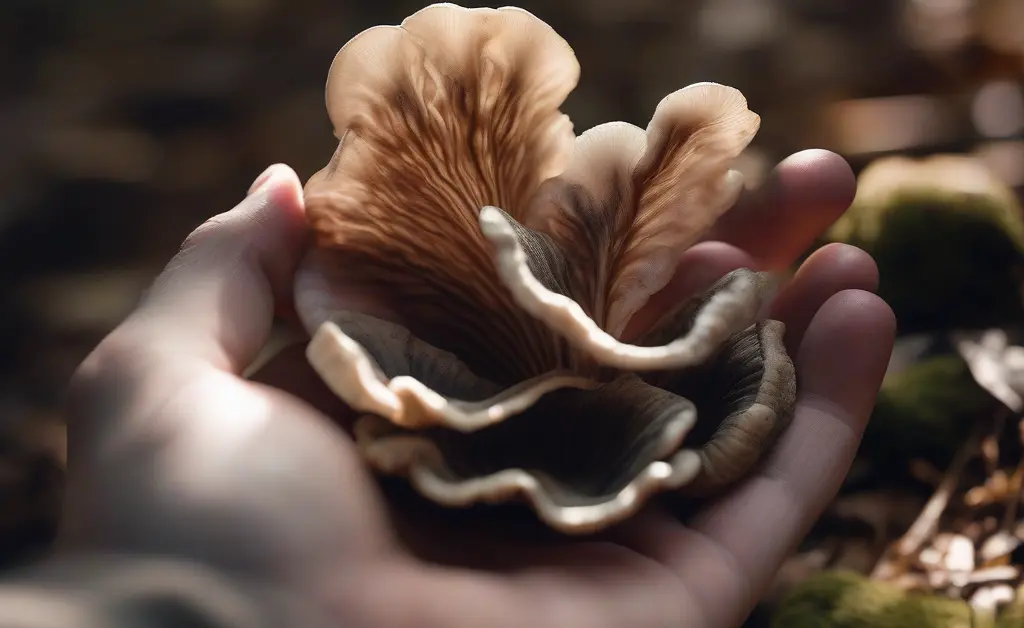
For consumers in the UK interested in turkey tail mushrooms, understanding the nuances of the law is crucial to avoid inadvertently breaking regulations or purchasing illicit products. While the commercial sale of novel turkey tail products is restricted, the situation regarding personal possession and use is different. The key distinction lies between commercial activities, which are heavily regulated, and individual actions, which are generally less scrutinized, though not entirely without limits. This differentiation helps clarify why certain forms of turkey tail mushroom uk illegal for businesses to sell, but might not carry the same legal risk for a private individual.
Distinction Between Sale and Personal Possession
There is a significant legal distinction between selling turkey tail products and possessing them for personal use in the UK. The Novel Food Regulation primarily targets commercial activities—the manufacturing, importing, and selling of novel foods. It does not explicitly criminalize the personal possession of a novel food for individual consumption. Therefore, a private individual growing turkey tail mushrooms at home for their own use, or even possessing a small amount of an extract for personal consumption, is unlikely to face legal repercussions. However, the moment an individual attempts to sell or distribute these products, they cross into the commercial sphere, which then triggers the stringent novel food regulations, effectively making commercial dealing in turkey tail mushroom uk illegal.
Can You Import Turkey Tail for Personal Use?
Importing turkey tail for personal use presents a greyer area. While strict regulations apply to commercial imports, individuals importing small quantities for personal consumption may face fewer immediate issues, but it is not without risk. UK Customs and border agencies are primarily focused on large-scale commercial imports, illegal substances, and items that pose a clear health risk. However, technically, any food product classified as “novel” requires authorization to enter the UK, regardless of quantity. If a package containing turkey tail extract were to be intercepted and identified as an unauthorized novel food, it could be seized. The likelihood of this may vary, but it’s important for consumers to be aware that even for personal use, there’s a theoretical risk of goods being held or confiscated at the border, aligning with the general restriction on unauthorized novel foods.
In conclusion, the legal status of turkey tail mushrooms in the UK is not a straightforward ban but rather a nuanced application of food safety and novel food regulations. While possessing or growing the mushroom for personal use is not explicitly prohibited, the commercial sale and distribution of turkey tail products, particularly as food supplements or ingredients, are significantly restricted due to their classification as novel foods. This requires a stringent authorization process that most products have yet to undergo. Consumers and businesses alike must understand these distinctions to ensure compliance with UK law regarding this increasingly popular fungus.
This information is provided for educational purposes only. It is not intended as legal advice and should not be relied upon as such. Laws and regulations can change, and their interpretation can vary. For specific legal guidance regarding turkey tail mushroom or any other product in the UK, it is essential to consult with a qualified legal professional.
FAQ
— Is it illegal to possess turkey tail mushroom in the UK?
Possession of raw turkey tail mushroom for personal use is not specifically prohibited in the UK. The legal framework primarily addresses the sale and marketing of novel foods and food supplements. Therefore, simply having the mushroom does not mean turkey tail mushroom uk illegal.
— Why is turkey tail mushroom banned from sale as a food in the UK?
Turkey tail mushroom products intended for sale as food or food supplements in the UK are subject to the Novel Food Regulation. This regulation requires any food not widely consumed in the EU before May 1997 to undergo a pre-market safety assessment and authorization. Since turkey tail has not completed this authorization process, it is not permitted for sale as a food product.
— Can I legally import turkey tail mushroom products into the UK?
Importing turkey tail mushroom products for commercial sale into the UK is generally not permitted without Novel Food authorization. For personal use, the rules can be less stringent, though travelers should always be aware of any restrictions on bringing plant materials or food products across borders. It is always advisable to check the latest customs regulations for specific product categories.