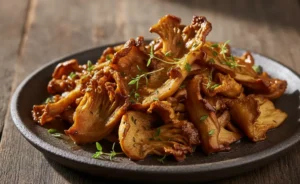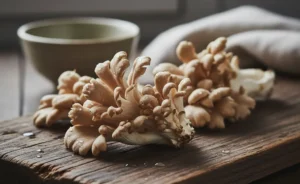

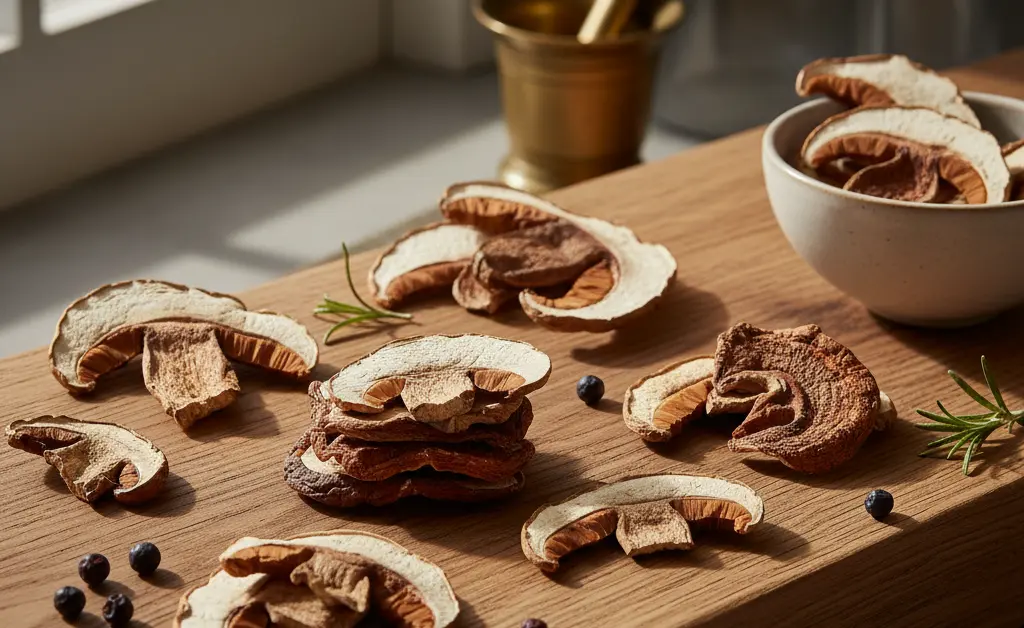
Many individuals interested in natural health supplements often encounter the concerning phrase that certain products are ‘banned.’ When it comes to the revered turkey tail mushroom, a common misconception arises from its current regulatory status, particularly within the UK. While it’s tempting to assume a straightforward prohibition due to safety concerns, the reality is far more nuanced. This article aims to clarify precisely why is turkey tail mushroom banned from general sale and import in the UK, exploring the intricate details of novel food regulations rather than any inherent danger. Understanding these distinctions is crucial for both consumers and suppliers navigating the complex landscape of natural health products.
Why is Turkey Tail Mushroom Banned in the UK?
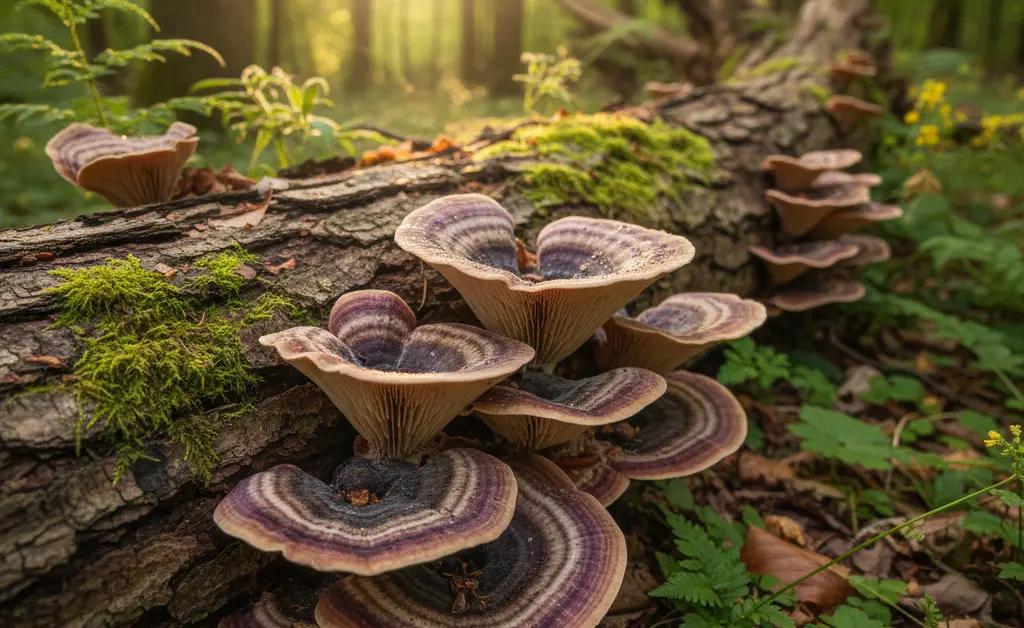
The term “banned” often carries connotations of outright prohibition due to inherent danger or illegality, but understanding why is turkey tail mushroom banned in the UK requires a deeper look into the country’s novel food regulations. The restrictions are less about the safety of the mushroom itself and more about its classification and the legal framework governing its sale and import.
Turkey Tail as a Novel Food
In the UK, as in the European Union previously, the turkey tail mushroom (scientific names: Coriolus versicolor or Trametes versicolor) has been classified as a “novel food.” This designation applies to any food that was not widely consumed by humans in the UK or EU before May 15, 1997. If a food product, including a mushroom or its extracts, doesn’t meet this historical consumption criterion, it must undergo a rigorous authorization process before it can be legally sold.
The Overnight Change in Status
For a period, turkey tail mushroom products were available on the UK market. However, due to clarifications and stricter enforcement of existing legislation, the regulatory status of these products shifted. This change wasn’t an “overnight ban” in the traditional sense, but rather a re-affirmation and enforcement of the Novel Food Regulation, leading to many products being removed from sale because they lacked the necessary authorization. This created the perception that the mushroom had suddenly been banned, causing confusion among consumers and suppliers.
Is Turkey Tail Being Discontinued?
While products containing turkey tail mushroom have largely been removed from general sale in the UK, it’s not a complete discontinuation based on safety. Instead, its availability is restricted due to its unauthorized novel food status. For a product to be sold legally, an application proving its safety and traditional use (or demonstrating it meets other novel food criteria) would need to be approved by the relevant authorities, such as the Food Standards Agency (FSA) in the UK.
Addressing the ‘Banned’ Terminology
Using the term “banned” might be misleading as it implies a health risk or illegal substance. In the context of turkey tail mushroom, the situation is better described as “unauthorized for sale and import” under current novel food legislation. This distinction is crucial because it highlights a regulatory barrier rather than an inherent danger to consumers. The primary reason why is turkey tail mushroom banned from easy access is a bureaucratic classification, not a direct health warning from food safety bodies.
Overview of Novel Food Regulation
Novel Food Regulation is a legislative framework designed to ensure that new foods introduced to the market are safe for consumers and properly labeled. Originating from EU regulations, this framework was incorporated into UK law post-Brexit. It mandates a pre-market authorization procedure for any food product not consumed to a significant degree before the 1997 cut-off date. This regulatory status applies to a wide range of food products, from new ingredients to traditional foods from non-EU countries.
Criteria for Novel Food Classification
A food can be classified as novel if it falls into several categories, including having a new or intentionally modified molecular structure, being obtained from new production processes, or being comprised of or isolated from microorganisms, fungi, algae, plants, or animals not traditionally consumed. For turkey tail mushroom, its classification largely stems from a lack of documented significant human consumption within the UK/EU before the 1997 date, despite its extensive traditional use in other parts of the world.
Application to Herbs and Natural Products
The Novel Food Regulation has significant implications for many herbs, medicinal mushrooms, and other natural products that have a long history of use in traditional medicine systems outside of Europe. Even if a product like turkey tail mushroom has a well-established history of use and perceived benefits globally, if its consumption in the UK/EU before 1997 cannot be demonstrated, it is deemed a novel food and requires authorization. This applies to various supplements and extracts derived from such natural sources.
Impact on Sale and Import
The classification of turkey tail mushroom as a novel food means that its sale and import into the UK for human consumption are restricted unless it has undergone and passed the rigorous authorization process. Without this authorization, suppliers cannot legally market or sell turkey tail mushroom products. This has led to the removal of many products from shelves and online stores, significantly limiting consumer access.
Implications for Consumers and Suppliers
For consumers, the main implication is the inability to legally purchase turkey tail mushroom products within the UK. Those interested in potential turkey tail mushroom benefits may need to look for alternative authorized supplements or consult with healthcare professionals. For suppliers, the legal implications are substantial, as selling unauthorized novel foods can lead to fines and product seizures. Obtaining authorization is a complex, time-consuming, and expensive process, requiring extensive data on safety and composition.
Is ‘Banned’ the Correct Term?
Given the regulatory specifics, “banned” is not entirely accurate. It implies a direct prohibition due to proven harm, which is not the case for turkey tail mushroom in the UK. Instead, it is unauthorized for sale as a food or food ingredient because it lacks the necessary Novel Food authorization. The regulatory status reflects a gap in documentation and approval processes rather than an explicit condemnation of the mushroom’s safety.
Regulatory Status vs. Health Concerns
It is important to differentiate between a regulatory restriction and a ban based on health concerns. The Novel Food Regulation is a mechanism for food safety and market control, ensuring new products are assessed before widespread consumption. The restrictions on turkey tail mushroom in the UK are primarily due to its regulatory status as an unauthorized novel food, not because it has been proven to be unsafe. In other countries, and in traditional uses, it is often regarded as generally safe and associated with various health aspects, such as supporting general wellness. Further scientific research can often be found on PubMed.
The Joint Ban Announcement
The regulatory changes impacting turkey tail mushroom did not occur in isolation. Similar actions were taken regarding other medicinal mushrooms, such as cordyceps. The joint regulatory action regarding these mushrooms highlighted a broader enforcement of Novel Food Regulation across several natural health supplements. This regulatory decision has led to the effective turkey tail mushroom UK ban for general sale. This joint announcement solidified the stance that these products, without specific authorization, could not be freely sold or imported into the UK, clarifying the ‘ban’ and its implications for a wider range of similar products.
In conclusion, the restrictions on turkey tail mushroom in the UK stem from its classification as an unauthorized novel food under specific legislation, rather than a direct ban due to inherent safety risks. This regulatory framework aims to ensure consumer safety by requiring rigorous assessment of foods not traditionally consumed before 1997. While this means limited availability for consumers and challenges for suppliers, it is crucial to understand that the ‘banned’ terminology reflects a legal status rather than a definitive statement on the mushroom’s health properties. As regulations evolve, it remains to be seen if or when turkey tail mushroom might gain authorization for general sale and import in the future.
Readers should understand that this article does not offer medical diagnosis or treatment. The information provided is for informational purposes only and is not intended to be a substitute for professional medical advice, diagnosis, or treatment. Always seek the advice of your physician or other qualified health provider with any questions you may have regarding a medical condition or before making any changes to your health regimen.
FAQ
— Is turkey tail mushroom legal in the UK?
Turkey tail mushroom is currently classified as a novel food in the UK, which means its sale for human consumption requires specific authorization. While possessing the mushroom is not illegal, commercializing it as a food product without prior approval is restricted under current regulations.
— Why is turkey tail considered a novel food?
Turkey tail is classified as a novel food because there isn’t a history of significant consumption of this specific mushroom product within the European Union or the UK prior to May 1997. This classification triggers a requirement for a safety assessment and authorization process before it can be legally sold as a foodstuff.
— What does the Novel Food Regulation mean for mushroom products?
The Novel Food Regulation ensures that any food not widely consumed before May 1997 undergoes a scientific safety assessment by regulatory bodies. For mushroom products, this means manufacturers must submit detailed applications demonstrating the product’s safety for human consumption before it can be legally placed on the market.
— Can I buy turkey tail mushroom in the UK?
Due to its novel food classification, the sale of turkey tail mushroom for human consumption in the UK is restricted unless it has received specific authorization. Consumers may encounter products marketed for other uses, but its availability as a food supplement or ingredient is limited by these regulations.
— What is the difference between a ban and novel food classification?
Addressing concerns about why is turkey tail mushroom banned, it is more accurate to understand its novel food classification, which is not an outright prohibition but a regulatory hurdle. A ban implies a substance is illegal to possess or distribute entirely, whereas novel food status means a food requires pre-market authorization based on a safety assessment due to its lack of historical consumption.