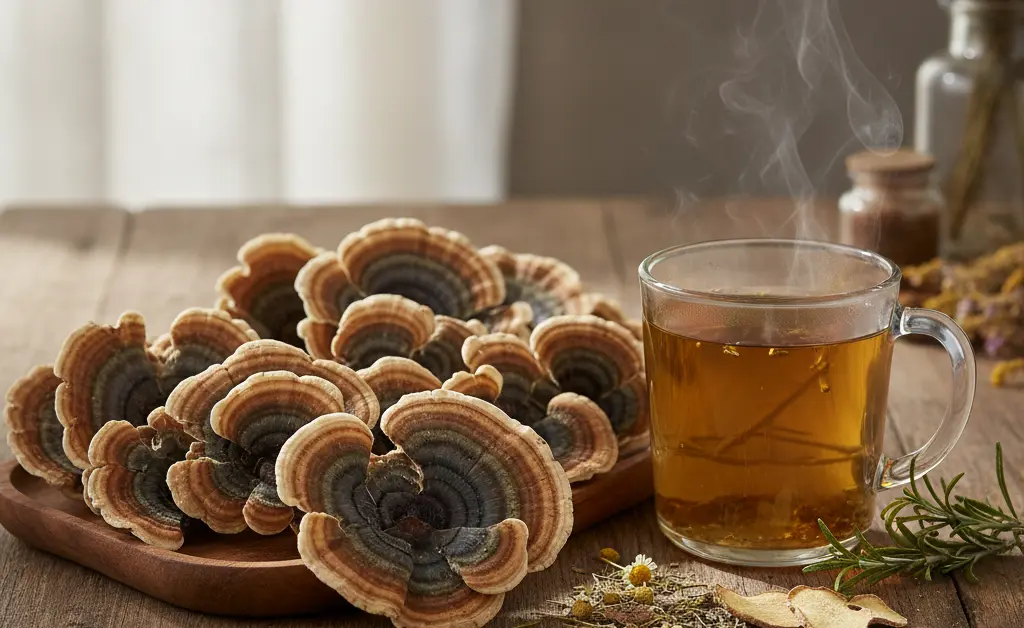
As the morning sun streams into the kitchen, many individuals are increasingly seeking natural ways to support their daily well-being. Perhaps you’re stirring a warm beverage, contemplating how to best enhance your body’s resilience. In this quest for holistic health, one intriguing natural ingredient that has garnered significant attention is the turkey tail mushroom. Revered for centuries in traditional medicine, this distinctive fungus is now at the forefront of modern scientific inquiry, exploring its diverse range of turkey tail mushroom medicinal properties. From its historical roots to contemporary research, understanding these attributes can shed light on its potential role in a comprehensive wellness regimen.
Exploring the Medicinal Properties of Turkey Tail Mushroom
The turkey tail mushroom, scientifically known as Trametes versicolor or Coriolus versicolor, is a fascinating fungus with a rich history of use in various cultures. Its array of unique constituents contributes to the profound turkey tail mushroom medicinal properties that have been observed over centuries and are now being investigated through modern scientific methods. From bolstering the body’s defenses to supporting cellular health, this mushroom offers a compelling profile for those interested in natural wellness.
Historical Use in Traditional Medicine
For thousands of years, turkey tail mushroom has held a place of honor in traditional medicine systems, particularly in Asian countries like China and Japan. In traditional Chinese medicine (TCM), it is known as “Yun Zhi” and has been used to promote energy, strength, and overall vitality. Practitioners recognized its potential to support general health and well-being, often incorporating it into daily regimens. Its long history of traditional use provides a foundational understanding of its perceived health benefits and adaptogenic qualities.
Turkey tail mushroom benefits
The benefits associated with turkey tail mushroom are diverse, primarily centering on its potent effects on the immune system. Beyond immune support, it is recognized for its antioxidant capacity, which helps combat cellular damage. Emerging research also points towards its role in promoting a healthy gut environment, contributing to overall digestive wellness. These broad-spectrum benefits make turkey tail mushrooms a subject of continuous interest in natural health circles.
Turkey tail benefits for female
For females, the general immune-supporting and adaptogenic qualities of turkey tail mushroom may contribute to overall well-being. By helping the body adapt to various stressors and supporting robust immune function, it potentially aids in maintaining balance and resilience. While not specific to female reproductive health, its broad benefits could indirectly support women’s health by promoting a healthier internal environment and a more resilient immune system.
Turkey tail benefits for male
Similarly, for males, the inherent properties of turkey tail mushroom, particularly its immune-modulating effects, can be beneficial for maintaining general health and vitality. A strong immune system is fundamental for combating daily stressors and environmental challenges, which is universally important. The mushroom’s potential to support cellular health and promote overall resilience aligns with common health goals for men seeking natural wellness approaches.
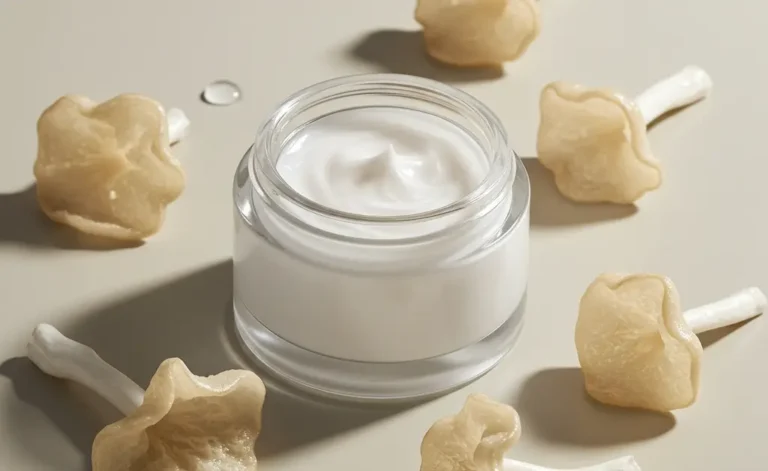
Turkey tail mushroom benefits for skin
The skin, being the body’s largest organ, is constantly exposed to environmental factors that can lead to oxidative stress and inflammation. Turkey tail mushroom’s antioxidant and potentially anti-inflammatory properties may contribute to skin health by helping to protect skin cells from damage caused by free radicals. This protective action could support the skin’s natural resilience and contribute to a healthier appearance.
Enhances Immune System Function
One of the most well-studied turkey tail mushroom medicinal properties is its profound ability to enhance immune system function. It contains unique bioactive compounds that are believed to interact with immune cells, helping to modulate and strengthen the body’s natural defenses. This support can be crucial in maintaining overall health and helping the body respond effectively to various challenges.
Contains Potent Antioxidants
Turkey tail mushroom is rich in various antioxidant compounds, including phenols and flavonoids. These antioxidants play a critical role in neutralizing free radicals, unstable molecules that can cause oxidative stress and damage to cells and tissues. By reducing oxidative stress, turkey tail mushrooms contribute to cellular protection and overall health, supporting the body’s ability to maintain balance and prevent premature aging.
Promotes Gut Health and Microbiota Balance
Emerging research highlights the role of turkey tail mushroom in promoting a healthy gut environment. It acts as a prebiotic, providing nourishment for beneficial gut bacteria. A balanced gut microbiota is essential for digestion, nutrient absorption, and even immune function. By supporting the growth of beneficial bacteria, turkey tail mushroom may contribute to a robust digestive system and overall wellness.
May Reduce Inflammation
Chronic inflammation is a significant concern in modern health. Studies suggest that certain compounds found in turkey tail mushroom may possess anti-inflammatory properties, potentially helping to modulate the body’s inflammatory responses. By influencing pathways related to inflammation, this mushroom could offer support in managing discomfort and promoting a more balanced physiological state.
Active Compounds and Mechanisms of Action
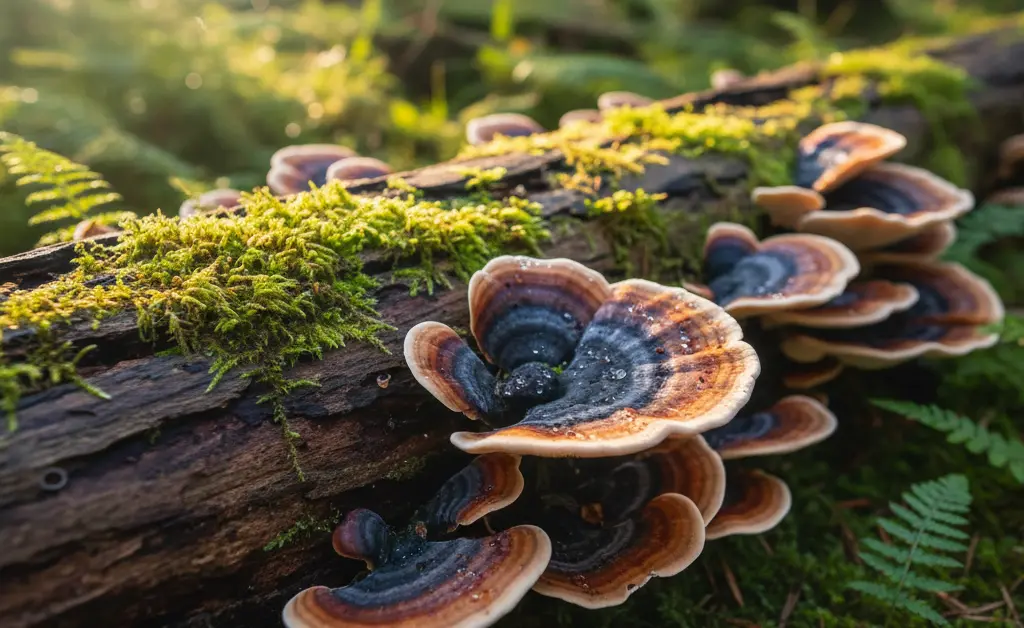
The remarkable turkey tail mushroom medicinal properties are primarily attributed to its complex array of bioactive compounds. Understanding these components and how they interact with the body offers deeper insight into its health-supporting potential. These active compounds work through various sophisticated mechanisms, making turkey tail a subject of extensive scientific investigation.
Polysaccharopeptides (PSP) and Polysaccharide-K (PSK)
Among the most significant active compounds in turkey tail mushroom are polysaccharopeptides (PSP) and polysaccharide-K (PSK), also known as Krestin. These are protein-bound polysaccharides that have been extensively studied for their immunomodulatory effects. PSP and PSK are believed to stimulate the immune system by activating certain immune cells and enhancing their communication, thereby strengthening the body’s defensive capabilities. They represent key components driving the observed health benefits of this medicinal fungi.
Beta-Glucans and Their Immunomodulatory Effects
Beta-glucans are complex carbohydrates found in the cell walls of fungi, including turkey tail mushroom. These particular beta-glucans are recognized as potent immunomodulators, meaning they can interact with and fine-tune the immune system. They work by binding to specific receptors on immune cells, such as macrophages and natural killer cells, prompting them to become more active and efficient in identifying and responding to threats. This interaction is central to the mushroom’s ability to support robust immune health.
How Antioxidants Combat Oxidative Stress
Antioxidants present in turkey tail mushroom, such as phenols and flavonoids, function by neutralizing free radicals in the body. Free radicals are highly reactive molecules generated during normal metabolic processes or from exposure to environmental toxins. If left unchecked, they can lead to oxidative stress, damaging cellular components like DNA, proteins, and lipids. The antioxidants donate electrons to these free radicals, stabilizing them and preventing them from causing further harm, thus protecting cells and tissues and supporting overall cellular integrity.
Scientific Research and Evidence
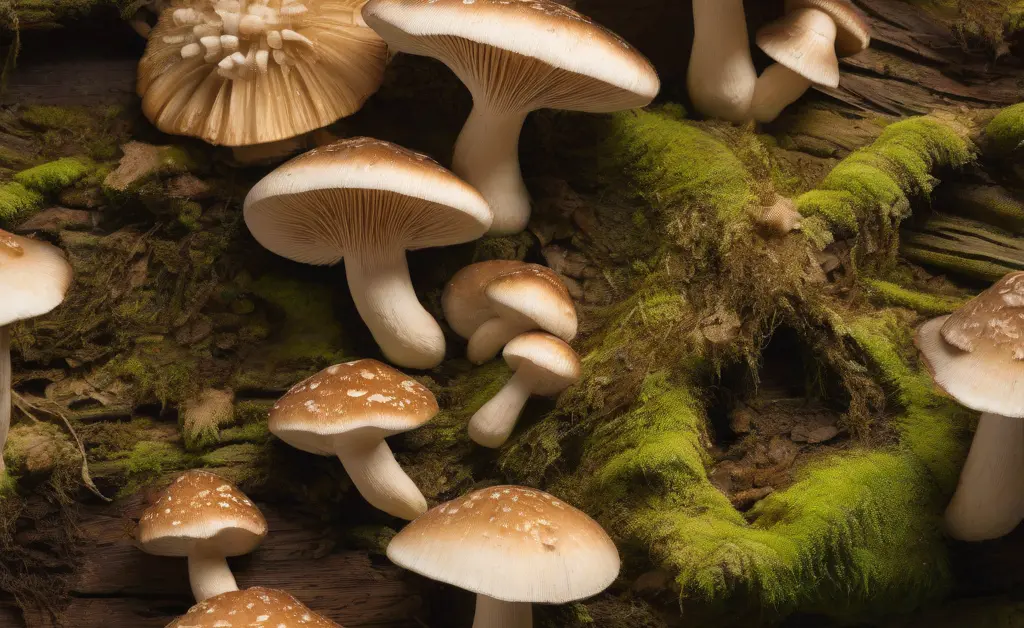
Modern scientific research has increasingly focused on validating the traditional uses and exploring the full scope of turkey tail mushroom medicinal properties. Rigorous studies are shedding light on its complex mechanisms and confirming many of the health benefits long observed in traditional medicine. This growing body of evidence helps to solidify its place as a significant natural health ally. Further scientific understanding and regulation are often reviewed by authorities such as the EFSA.
Studies on Immune Support and Viral Infections
Numerous studies have investigated the efficacy of turkey tail mushroom extracts, particularly PSK and PSP, in supporting immune function. Research has explored how these compounds may enhance various aspects of the immune response, including increasing the activity of natural killer cells and lymphocytes, which are crucial for defense. Furthermore, some studies have examined its potential role in supporting the body’s natural defenses against certain viral infections, underscoring its broad immunomodulatory capabilities.
Emerging Evidence on Gut Health
Beyond its well-known immune effects, emerging scientific evidence points to turkey tail mushroom’s positive impact on gut health. Studies suggest that the polysaccharides in turkey tail can act as prebiotics, promoting the growth of beneficial bacteria in the gut microbiota. A healthy and balanced gut microbiome is intricately linked to various aspects of health, including digestion, nutrient absorption, and immune system regulation. This connection between turkey tail and gut microbiota balance is an active area of ongoing research, revealing another dimension of its health benefits.
The purpose of this content is to educate, not to diagnose or treat. This information is intended for general knowledge and informational purposes only, and does not constitute medical advice. It is essential to consult with a qualified healthcare professional before making any decisions about your health or treatment. Reliance on any information provided in this article is solely at your own risk.
FAQ
— What are the health benefits of turkey tail mushroom?
Among the most researched of functional mushrooms, the turkey tail mushroom medicinal properties are largely attributed to its unique polysaccharide compounds. These compounds are extensively studied for their potential to support various physiological functions. This mushroom is recognized for its broad-spectrum support in maintaining overall wellness.
— Does turkey tail mushroom boost immunity?
Turkey tail mushroom is well-regarded for its role in immune system modulation. Its bioactive compounds interact with immune cells, helping to maintain a balanced and responsive immune defense. Research indicates its capacity to support the body’s natural immunological processes.
— What active compounds are in turkey tail mushroom?
The significant biological activity of turkey tail mushroom stems from its rich array of active compounds. Polysaccharide-K (PSK) and Polysaccharide Peptider (PSP) are two of the most prominent and well-researched components. These polysaccharides, along with triterpenes and phenolic compounds, contribute to its functional profile.
— What is the difference between PSK and PSP?
Both PSK (Polysaccharide-K) and PSP (Polysaccharide Peptider) are distinct proteoglycan compounds isolated from turkey tail mushroom, known for their immune-modulating effects. While structurally similar, PSK is primarily a protein-bound polysaccharide, whereas PSP incorporates a different polypeptide component. Each has been independently researched and developed, often in different geographic regions, though both are recognized for supporting immune health.
— Does turkey tail mushroom have anti-inflammatory properties?
Studies indicate that turkey tail mushroom contains compounds that may help modulate inflammatory responses in the body. Its polysaccharides and other bioactive constituents are thought to interact with pathways involved in inflammation. This suggests a role in supporting the body’s natural ability to manage inflammatory processes.
— What is turkey tail mushroom used for traditionally?
For centuries, traditional Asian medicine systems have highly valued turkey tail mushroom. It has historically been consumed to support vitality and overall health. Practitioners often utilized it to fortify the body and maintain robust immune function.