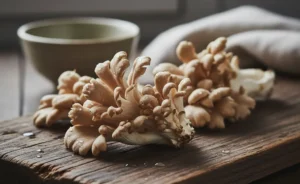
Mushrooms have long been valued in traditional practices across various cultures, not just for culinary purposes but also for their profound medicinal properties. Among these, the turkey tail mushroom (Trametes versicolor) stands out for its distinctive appearance and a rich history of application in folk medicine. Its fan-like, colorful fruiting bodies, resembling a turkey’s tail, are more than just aesthetically pleasing; they encapsulate a complex array of bioactive compounds. Modern scientific inquiry is increasingly exploring the full spectrum of turkey tail mushroom uses, confirming many traditional claims and uncovering new potential health benefits. This guide aims to delve into the diverse applications of this fascinating fungus, exploring its documented benefits for immunity, general wellness, and specific health concerns, while also touching upon appropriate dosage considerations for safe and effective incorporation into a health regimen.
Turkey Tail Mushroom Uses and Health Benefits
The array of turkey tail mushroom uses extends across various aspects of general health and wellness. This unique fungus, also known by its scientific names Trametes versicolor or Coriolus versicolor, is recognized for its rich composition of polysaccharides, antioxidants, and other beneficial compounds. These constituents are believed to contribute to a range of physiological effects that support the body’s natural functions and overall well-being. From supporting cellular health to potentially influencing metabolic processes, the integration of Turkey Tail Mushrooms into health regimens has been a subject of increasing interest. Exploring the various turkey tail mushroom benefits is crucial for understanding its full potential.
Benefits for Skin Health
The potential for Turkey Tail Mushrooms to support skin health is an area gaining attention, primarily due to their antioxidant and anti-inflammatory properties. Antioxidants help protect skin cells from oxidative stress caused by environmental factors, which can contribute to premature aging and damage. By supporting cellular health, these fungi may help maintain the skin’s natural resilience and appearance. While more dedicated research is needed, the compounds within Turkey Tail Mushrooms are thought to contribute to a healthier skin barrier and a more balanced complexion. Some research also explores the role of turkey tail mushroom for hair growth.
Anti-Inflammatory Effects
Chronic inflammation is a contributing factor to various health concerns, and the anti-inflammatory effects of Turkey Tail Mushrooms are a significant area of study. The polysaccharides, particularly beta-glucans, found in this fungus are considered to play a role in modulating inflammatory responses within the body. By helping to maintain a balanced inflammatory state, Turkey Tail Mushrooms may contribute to overall comfort and the healthy functioning of various bodily systems. This immunomodulatory action is one of the key reasons for their traditional use.
Supporting Metabolic Health
Emerging research suggests that Turkey Tail Mushrooms may offer support for metabolic health. Studies have explored their potential influence on factors such as insulin sensitivity and blood sugar regulation. Certain compounds within the mushroom are thought to interact with metabolic pathways, potentially aiding in the maintenance of healthy glucose levels already within a normal range. This area of study is crucial for understanding the broader applications of this fungi in promoting systemic wellness and is an interesting facet of various turkey tail mushroom uses. Additionally, some evidence points towards the potential of turkey tail mushroom for liver support.
Enhancing Physical Performance
For individuals looking to support their physical capabilities, Turkey Tail Mushrooms are being investigated for their potential to enhance endurance and stamina. While not a direct energy source, the compounds within the mushroom may support the body’s ability to cope with physical stress and optimize energy utilization. This could translate to improved athletic performance and a quicker recovery time, contributing to overall vitality and physical well-being. Research in this area is continuous, exploring the mechanisms behind these observed effects.
Immune-Boosting Benefits of Turkey Tail Mushroom

One of the most well-documented and celebrated turkey tail mushroom uses is its profound ability to support and modulate the immune system. The mushroom contains unique polysaccharide compounds, such as PSK (polysaccharide-K) and PSP (polysaccharide peptide), which are extensively studied for their immunomodulatory properties, as detailed by institutions like the National Library of Medicine. These compounds are believed to interact with various components of the immune system, helping to strengthen its responses and maintain balance. This makes Turkey Tail Mushrooms a prominent focus in discussions about natural immune support. Many wonder what exactly makes turkey tail mushroom good for overall health.
Antiviral and Antibacterial Properties
Beyond general immune support, Turkey Tail Mushrooms are recognized for their potential antiviral and antibacterial properties. Research indicates that certain extracts from Trametes versicolor may help the body combat various pathogens. By stimulating immune cells and potentially interfering with microbial replication, these fungi may offer a natural line of defense. This protective aspect is a significant reason why Turkey Tail Mushrooms are considered beneficial for maintaining health, particularly during times when the body needs extra support.
Nonspecific Immune System Activation
The active compounds, notably the beta-glucans and other polysaccharides, in Turkey Tail Mushrooms are known to activate various components of the nonspecific immune system. This means they can stimulate a broad-spectrum immune response, helping the body recognize and address potential threats more effectively. This activation helps fortify the body’s natural defenses, promoting a robust and responsive immune system capable of adapting to challenges. The mechanisms of potent immune system support from this fungi are a key area of scientific inquiry.
Potential Role in Autoimmune Disease Management
Given their immunomodulatory nature, Turkey Tail Mushrooms are being explored for their potential role in supporting individuals with autoimmune conditions. Instead of merely boosting the immune system, they are thought to help balance its activity, which could be beneficial where the immune system is overactive or misdirected. This delicate balancing act, rather than an aggressive stimulation, is what makes them an interesting subject in the context of maintaining immune homeostasis and potentially supporting those with complex immune challenges.
Turkey Tail Mushroom Dosage

Understanding turkey tail mushroom uses also involves knowing general considerations for appropriate incorporation into a wellness routine. The availability of Turkey Tail Mushrooms in various forms, such as powders, extracts, and capsules, means that concentrations of active compounds can differ. Due to the variability in products and individual needs, consulting with a healthcare professional before incorporating any new supplement is advisable. They can provide personalized guidance based on an individual’s specific health status and other supplements or medications being used. Always refer to the product label for recommended serving sizes and directions, and it is often suggested to start with a smaller amount to assess tolerance. Consistency in use, as guided by a professional or product instructions, is generally considered more beneficial than sporadic consumption for experiencing the potential effects of Turkey Tail Mushrooms.
This material is shared for educational insight, not for clinical decision-making. Information regarding supplements and health practices is intended for general knowledge and should not replace professional medical advice. Always consult with a qualified healthcare provider for any health concerns or before making any decisions related to your health or treatment plan. Individual responses to supplements can vary.
FAQ
— What is turkey tail mushroom primarily used for?
Turkey tail mushroom is primarily studied for its potential to support immune health. It contains compounds like polysaccharopeptides (PSPs) and polysaccharide krestin (PSK) which are researched for their effects on various immune cells and pathways. Many of the traditional and contemporary turkey tail mushroom uses revolve around promoting general well-being through immune modulation.
— What are the main health advantages of taking turkey tail mushroom?
The primary health advantages associated with turkey tail mushroom relate to its well-documented immunomodulating properties. This mushroom is recognized for its rich content of beneficial polysaccharides, which are compounds that interact with the body’s immune system to help maintain balance. It contributes to overall cellular health and the body’s natural defense mechanisms.
— How does turkey tail mushroom benefit the immune system?
Turkey tail mushroom benefits the immune system through its unique bioactive compounds, especially beta-glucans and polysaccharopeptides (PSPs and PSK). These components are understood to interact with immune cells, potentially influencing their activity and communication. This interaction is relevant to supporting a robust and balanced immune response throughout the body.
— Can turkey tail mushroom help reduce inflammation?
Research indicates that turkey tail mushroom contains compounds with properties that are linked to modulating inflammatory pathways. The polysaccharides within the mushroom may play a role in balancing the body’s inflammatory responses. This suggests an influence on processes related to healthy inflammation, which is a normal biological function.
— Does turkey tail mushroom improve insulin resistance?
Some preliminary research has explored turkey tail mushroom’s potential connection to metabolic health. While direct studies on insulin resistance in humans are limited, certain components are being investigated for their influence on glucose metabolism. It is an area of ongoing scientific inquiry, but not a primary focus for its established benefits.
— Is turkey tail mushroom good for exercise performance?
Turkey tail mushroom is not directly known for enhancing exercise performance in the same way certain other compounds might be. Its primary recognized benefits focus on immune support and overall vitality, which indirectly contribute to general well-being relevant for physical activity. There isn’t significant research directly linking it to acute improvements in athletic output or endurance.
— Can turkey tail mushroom help fight viruses?
Turkey tail mushroom contains compounds that are relevant to supporting a healthy immune response, which is the body’s natural defense mechanism against various challenges. Its constituents, such as PSK and PSP, have been studied for their ability to interact with the immune system’s cellular functions. A well-functioning immune system is crucial for the body to manage external threats, including viral agents.