
Many individuals are increasingly concerned about maintaining optimal health, yet the daily stressors of modern life, poor dietary habits, and environmental factors can place significant strain on vital organs like the liver. This essential organ, responsible for detoxification and numerous metabolic processes, often works tirelessly behind the scenes, making its support crucial for overall well-being. Finding natural and effective ways to bolster liver function is a common challenge for those seeking proactive health solutions. Amidst growing interest in natural remedies, the unique properties of cordyceps mushroom have emerged as a promising area of investigation for hepatic support. This article delves into how cordyceps mushroom liver interactions can potentially offer significant benefits, exploring its mechanisms and scientific backing for promoting liver health and aiding in the management of specific conditions.
Cordyceps Mushroom Liver: Benefits and Scientific Evidence
The intricate relationship between the cordyceps mushroom and liver health has garnered significant attention in recent years, with a growing body of scientific inquiry exploring its therapeutic potential. This functional fungus, traditionally valued in Traditional Chinese Medicine, is studied for its adaptogenic and hepatoprotective properties. Preclinical findings suggest that cordyceps benefits extend to supporting various aspects of liver function, potentially helping to maintain its structural integrity and physiological processes. The adaptogenic nature of cordyceps implies its capacity to help the body resist various stressors, which can indirectly contribute to overall liver wellness by reducing systemic burdens. Research also explores how Cordyceps sinensis and Cordyceps militaris may influence liver cells, offering a pathway to cellular protection against various forms of liver injury.
General Cordyceps Benefits for the Liver
Beyond its well-known roles in energy and immunity, cordyceps has been observed to offer more direct benefits for liver function. Its rich composition of active compounds, including polysaccharides and adenosine, contributes to its antioxidant properties. These compounds may help to neutralize harmful free radicals, thereby reducing oxidative stress on hepatocytes, which are the primary functional cells of the liver. By mitigating oxidative damage, cordyceps mushroom liver support can contribute to the preservation of liver tissue and optimize its detoxification capabilities. Furthermore, some experimental evidence suggests that cordyceps may influence hepatic metabolic pathways, aiding in the processing of fats and sugars, which are crucial for maintaining liver health. For those considering supplementation, understanding the cordyceps mushroom capsules benefits can be very helpful.
Cordycepin: Bioactive Compound for Liver Health
Cordycepin, a nucleoside analog unique to Cordyceps, is considered one of its most potent bioactive compounds responsible for many of its health-promoting effects. Specifically regarding liver health, cordycepin has been a focus of extensive research. Studies indicate that cordycepin may play a crucial role in cellular protection and modulating inflammatory responses within the liver. Its ability to influence various biochemical mechanisms makes it a subject of interest for its potential to safeguard liver cells from damage and support their regenerative capacity. This active ingredient underscores the therapeutic potential of cordyceps in maintaining long-term liver support.
Role of Cordyceps Mycelium in Hepatic Support
The mycelium, the vegetative part of the cordyceps mushroom, is also a rich source of beneficial compounds. Like the fruiting body, the mycelium contains polysaccharides, proteins, and other metabolites that contribute to its overall hepatoprotective effects. Research on cordyceps mycelium suggests its potential in supporting liver function by enhancing antioxidant defenses and modulating immune responses. The comprehensive profile of compounds found in the mycelium works synergistically, potentially offering broad-spectrum support for liver cells and contributing to the organ’s resilience against environmental and metabolic challenges. This makes the cordyceps mushroom liver applications quite diverse.
Cordyceps and Liver Health: Risks, Side Effects, and Warnings

While cordyceps is generally considered to have a favorable safety profile, it is important to be aware of potential considerations when using it for liver health. Most studies indicate that cordyceps mushroom liver toxicity is low at traditionally used amounts, but individual responses can vary. As with any natural compound, some individuals may experience mild side effects, which could include gastrointestinal discomfort such as nausea or diarrhea. There is limited information regarding specific dangers and side effects of cordyceps in individuals with pre-existing severe liver conditions or those undergoing specific medical treatments. For instance, individuals on immunosuppressant medications or anticoagulants should exercise caution due to cordyceps’ potential immunomodulatory and anticoagulant properties. Those with autoimmune conditions or bleeding disorders, or women who are pregnant or breastfeeding, are often advised to approach such supplements with prudence. An overview of recent research, while largely positive, emphasizes the need for further clinical studies to fully understand the efficacy and safety considerations for Cordyceps militaris and Cordyceps sinensis across various demographics and health statuses, as detailed by institutions like the NIH. Consulting with a healthcare professional before incorporating cordyceps into a health regimen is always recommended, especially for those concerned about who should avoid cordyceps, and they can also advise on how to take cordyceps mushroom properly. While this article focuses on liver health, it’s worth noting that research also explores cordyceps mushroom menopause benefits for women.
Cordyceps’ Role in Fatty Liver Disease and Hepatic Lipid Accumulation
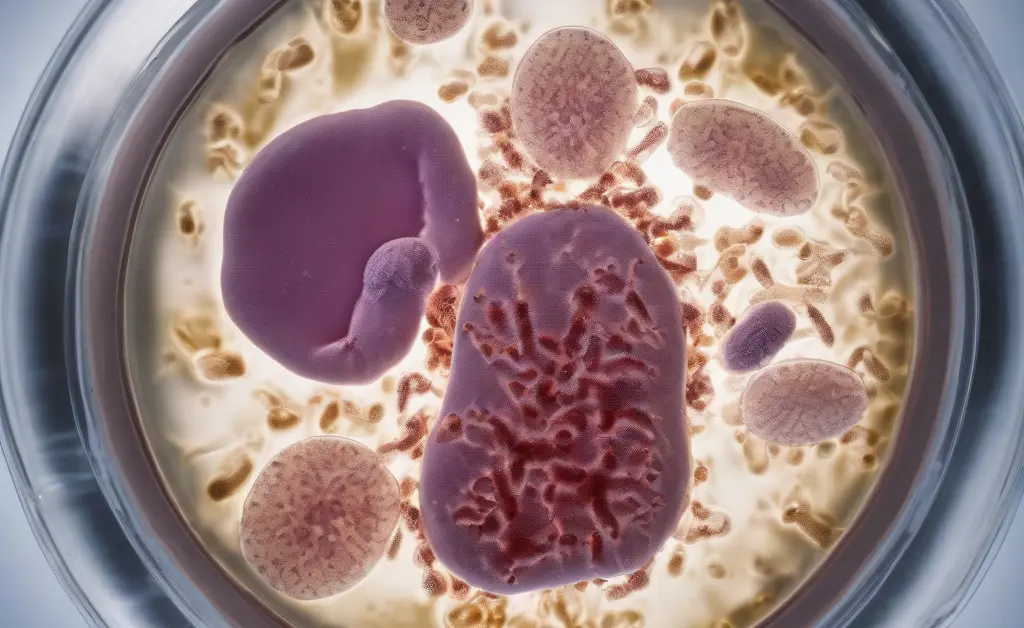
One of the most significant areas of research regarding cordyceps and liver health focuses on its potential role in addressing fatty liver disease, particularly metabolic-associated fatty liver disease (MAFLD). This condition, characterized by hepatic lipid accumulation, represents a growing global health concern. The active compounds in cordyceps, including cordycepin and polysaccharides, are being investigated for their capacity to influence lipid metabolism within liver cells, offering a promising avenue for intervention.
Cordycepin’s Action in Reducing Lipid Accumulation
Cordycepin has shown a particular affinity for modulating pathways involved in lipid metabolism. Experimental evidence suggests that this potent compound may help in reducing the accumulation of fat droplets within hepatocytes. It potentially achieves this by influencing key enzymes and transcription factors that regulate fatty acid synthesis and storage. By intervening in these biochemical mechanisms, cordycepin may contribute to a healthier lipid profile within the liver, thereby lessening the burden of excessive fat accumulation. This specific action highlights the unique therapeutic potential of cordyceps in addressing conditions characterized by hepatic lipid accumulation.
Preventing Metabolic-Associated Fatty Liver Disease
Given its influence on lipid metabolism, cordyceps is being explored for its potential in preventing the progression of metabolic-associated fatty liver disease. Early intervention is crucial in MAFLD, as it can otherwise advance to more severe forms of liver injury. By helping to regulate lipid deposition and potentially improve insulin sensitivity, cordyceps may contribute to a metabolic environment less conducive to the development of fatty liver. The adaptogenic properties of cordyceps might also play a supportive role by helping the body manage metabolic stressors that contribute to MAFLD.
Mechanisms of Lipid Reduction in the Liver
The mechanisms by which cordyceps promotes lipid reduction in the liver are multifaceted. Beyond cordycepin’s direct effects on fatty acid synthesis, other compounds, such as polysaccharides, may also contribute. These compounds are studied for their potential to enhance the liver’s ability to oxidize fats for energy, rather than storing them. They might also modulate gut microbiota, which in turn can influence hepatic lipid metabolism. This complex interplay of active compounds suggests a comprehensive approach to managing and potentially reversing the processes that lead to excessive fat in the liver. This makes the cordyceps mushroom liver interaction a topic of significant interest for ongoing research.
Implications for Fatty Liver Disease Management
The collective findings regarding cordyceps’ impact on hepatic lipid accumulation offer promising implications for fatty liver disease management. While not a standalone cure, incorporating cordyceps, alongside lifestyle modifications, may provide a supportive strategy for individuals seeking to manage or prevent the progression of MAFLD. Its potential to reduce lipid accumulation, coupled with its antioxidant and anti-inflammatory effects, positions cordyceps as a natural ingredient worthy of further clinical exploration in this context.
Molecular Mechanisms and Anti-Inflammatory Effects of Cordyceps on the Liver
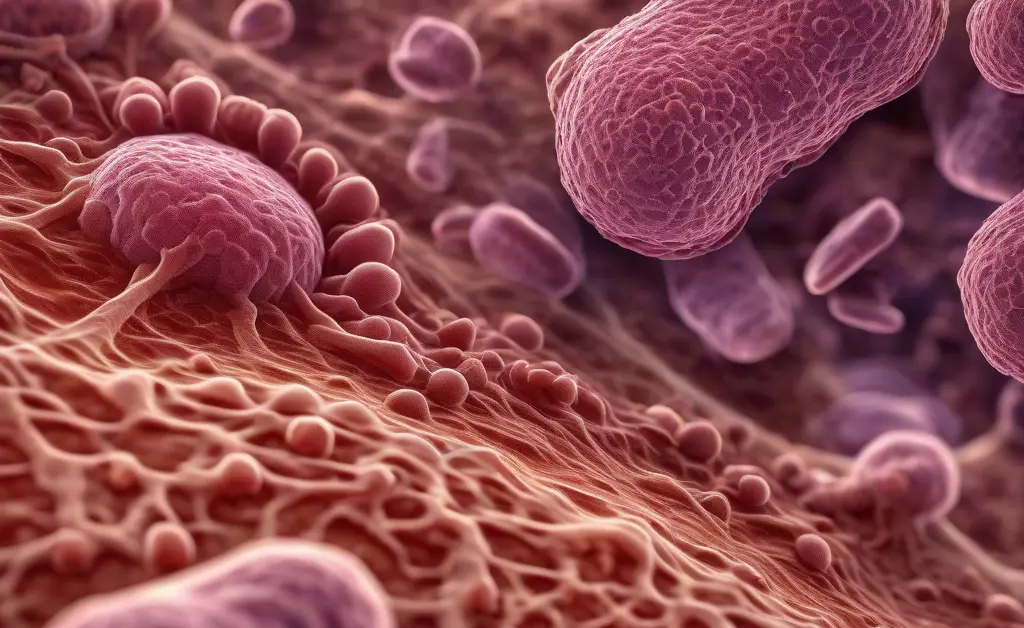
Beyond its impact on lipid metabolism, cordyceps exerts significant influence through its molecular mechanisms, particularly its anti-inflammatory effects on the liver. Liver inflammation is a common underlying factor in various forms of liver injury and chronic liver diseases. By modulating these inflammatory pathways, cordyceps may offer a protective benefit to hepatocytes and the overall hepatic environment. Recent research overview provides compelling preclinical findings on how cordyceps interacts with key cellular mechanisms involved in inflammation.
Modulating Liver Inflammation
Cordyceps has been observed to possess potent anti-inflammatory properties, which are highly relevant for liver health. Chronic liver inflammation can lead to fibrosis and eventually cirrhosis. Active compounds within cordyceps, such as cordycepin and polysaccharides, are thought to interfere with the production and release of pro-inflammatory cytokines and chemokines. By dampening these inflammatory signals, cordyceps can help to reduce the overall inflammatory burden on the liver, thereby potentially preventing or mitigating cellular damage and supporting the organ’s healing processes. This makes cordyceps mushroom liver support a valuable consideration for inflammatory conditions.
Suppression of TLR4 Expression
One specific molecular mechanism identified involves the suppression of Toll-like receptor 4 (TLR4) expression. TLR4 is a pattern recognition receptor that plays a critical role in initiating inflammatory responses, particularly in the context of liver injury induced by toxins, pathogens, or metabolic stress. By inhibiting the expression of TLR4, cordyceps may effectively block a key upstream pathway of inflammation in the liver. This suppression helps to prevent the activation of downstream inflammatory cascades, contributing significantly to its hepatoprotective effects and overall liver wellness.
Inactivation of NFκB Pathway
Another crucial molecular target of cordyceps’ anti-inflammatory action is the nuclear factor kappa-light-chain-enhancer of activated B cells (NFκB) pathway. NFκB is a protein complex that controls transcription of DNA, cytokine production, and cell survival, and it is a central mediator of inflammatory and immune responses. In many liver diseases, the NFκB pathway is abnormally activated, driving chronic inflammation. Cordyceps, particularly its cordycepin component, has been shown to inactivate the NFκB pathway, thereby reducing the expression of numerous pro-inflammatory genes. This inactivation is a powerful mechanism by which cordyceps can help to mitigate liver inflammation and protect hepatocytes from damage.
Cellular Mechanisms of Liver Protection
Collectively, these molecular interactions highlight the cellular mechanisms by which cordyceps offers comprehensive liver protection. Beyond anti-inflammatory effects, cordyceps also enhances antioxidant defenses, which directly counter oxidative stress—another major contributor to liver injury. By simultaneously modulating inflammatory pathways, suppressing key inflammatory receptors like TLR4, inactivating NFκB, and bolstering antioxidant capacity, cordyceps supports liver cells at multiple levels. These actions underscore the multifaceted approach of cordyceps in promoting liver health and resilience against various forms of stress and injury, enhancing overall liver wellness. The understanding of these intricate cellular mechanisms provides a strong basis for the therapeutic potential of the cordyceps mushroom liver relationship. Beyond traditional supplement forms, some individuals also enjoy the benefits of cordyceps through products like cordyceps mushroom coffee.
The comprehensive exploration of the cordyceps mushroom liver interactions reveals a fascinating natural compound with significant therapeutic potential. From its general hepatoprotective effects, driven by compounds like cordycepin and polysaccharides, to its specific actions in mitigating hepatic lipid accumulation and robustly modulating inflammatory pathways through mechanisms like TLR4 suppression and NFκB inactivation, cordyceps emerges as a promising agent for supporting liver health. As research continues to unfold, the evidence reinforces the traditional uses and modern applications of the cordyceps mushroom in promoting overall liver wellness and addressing specific hepatic concerns.
This information is provided for educational purposes only. It is not intended to be a substitute for professional medical advice, diagnosis, or treatment. Always seek the advice of your physician or other qualified health provider with any questions you may have regarding a medical condition. Never disregard professional medical advice or delay in seeking it because of something you have read here.
FAQ
— What is cordycepin’s role in liver health?
Cordycepin, a unique nucleoside found in cordyceps, has been studied for its potential in influencing cellular processes relevant to liver function. It plays a role in various biological activities, including supporting cellular regeneration and mitigating fibrotic changes within tissues. Its mechanisms are relevant to maintaining overall liver integrity.
— How does cordyceps mycelium benefit the liver?
Cordyceps mycelium contains a spectrum of bioactive compounds, including polysaccharides and triterpenes, which contribute to its recognized health benefits. These compounds are known for their antioxidant and immune-modulating properties, which can support the liver’s natural detoxification processes and cellular defense. The collective action of these compounds helps maintain a healthy internal environment.
— Can cordyceps alleviate hepatic lipid accumulation?
Research has investigated cordyceps for its potential influence on lipid metabolism within the liver. Studies suggest it is linked to supporting the liver’s ability to process fats more efficiently, which could help manage the buildup of lipids in hepatic cells. This interaction involves mechanisms that support healthy fatty acid oxidation.
— What are the anti-inflammatory effects of cordyceps on the liver?
The cordyceps mushroom liver connection is strongly supported by its anti-inflammatory properties, which are relevant to maintaining liver health. Cordyceps is known for its ability to modulate the body’s inflammatory responses, helping to mitigate cellular stress in hepatic tissues. This action contributes to a balanced environment within the liver, essential for its proper function.
— Does cordyceps suppress TLR4 expression in the liver?
Studies indicate that cordyceps is relevant to the modulation of immune signaling pathways, including the expression of TLR4 in the liver. By influencing TLR4, cordyceps is associated with a reduction in the initial signals that can trigger inflammatory cascades. This mechanism helps to temper the liver’s inflammatory response.
— How does cordyceps inactivate the NFκB pathway in the liver?
Cordyceps is understood to influence key cellular signaling pathways, including the inactivation of the NFκB pathway within liver cells. By inhibiting NFκB, cordyceps impacts the transcription of genes responsible for producing pro-inflammatory proteins. This action helps to regulate and reduce the overall inflammatory burden on the liver.
— What scientific studies support cordyceps for liver inflammation?
Preclinical research and some human studies provide insights into the role of cordyceps in managing liver inflammation. These findings suggest that various bioactive compounds within cordyceps can modulate inflammatory markers and pathways. Such scientific investigations contribute to understanding its potential benefits for liver health.