Lately, I’ve been feeling the midday slump more often, making me wonder if my morning routine needs an overhaul. I often brew a cup of herbal tea, contemplating what natural boosts might genuinely help. On other days, the mental fog makes it hard to focus on complex tasks, prompting me to seek clarity. This journey into optimizing daily wellness often leads to fascinating discoveries, particularly in the realm of functional fungi. For many, the choice between different adaptogenic mushrooms can be perplexing, especially when trying to pinpoint specific benefits. This is precisely why understanding the distinct properties becomes crucial. We’ll delve into the core differences and complementary aspects of cordyceps mushroom vs lion’s mane, exploring how each might address unique health objectives, from sustained energy to enhanced cognitive function.
Cordyceps Mushroom vs. Lion’s Mane: A Detailed Comparison
When evaluating the benefits of functional fungi, understanding the specifics of cordyceps mushroom vs lion’s mane is essential. While both are highly valued in traditional medicine and modern wellness circles, their primary areas of influence often differ. Cordyceps is frequently associated with supporting energy levels and physical endurance, making it a popular choice among those seeking vitality and stamina. Lion’s Mane, on the other hand, has gained prominence for its potential to support brain health and cognitive function. This detailed comparison aims to clarify their unique attributes and help individuals make informed decisions based on their personal health goals.
Comparing Primary Benefits (Energy vs. Cognitive Support)
Cordyceps is widely recognized for its association with energy and physical performance. It is traditionally used to support stamina and endurance, potentially benefiting athletic performance and overall vitality. Many individuals explore Cordyceps for its adaptogenic properties, which may help the body manage various stressors and support sustained energy levels without the jitters often associated with stimulants. Tracing the cordyceps mushroom origin reveals its historical significance in various cultures.
In contrast, Lion’s Mane is predominantly valued for its potential impact on cognitive function and brain health. It is studied for its capacity to support focus, memory, and overall mental clarity. Lion’s Mane is often considered a nootropic due to its unique compounds that may support nervous system health, making it an intriguing option for those looking to enhance their mental performance.
Comparing Mechanisms of Action
The mechanisms through which Cordyceps and Lion’s Mane exert their influences are distinct. Cordyceps is thought to support the body’s natural production of adenosine triphosphate (ATP), which is a fundamental source of cellular energy. This increase in ATP may contribute to improved oxygen utilization and enhanced stamina. Its bioactive compounds, including polysaccharides and cordycepin, are key to these potential effects on energy metabolism and respiratory health.
Lion’s Mane is particularly noted for compounds known as hericenones and erinacines, which are unique to this mushroom. These compounds are studied for their potential to support Nerve Growth Factor (NGF) production in the brain. NGF plays a crucial role in the maintenance, survival, and regeneration of neurons. By potentially supporting NGF, Lion’s Mane may contribute to neuroprotection and the health of the nervous system, thereby influencing cognitive function.
Traditional Applications and Forms Compared
Cordyceps has been a staple in traditional Asian medicine for centuries, often used to support respiratory health, kidney health, and overall vitality. It was, and still is, highly prized for its adaptogenic qualities and its association with enhancing physical endurance. Traditionally, it was consumed in various forms, including teas and culinary preparations, and today it is commonly available as powdered extracts, capsules, and tinctures. Consumers often inquire about the legal aspects of cordyceps mushroom to ensure compliance with regulations.
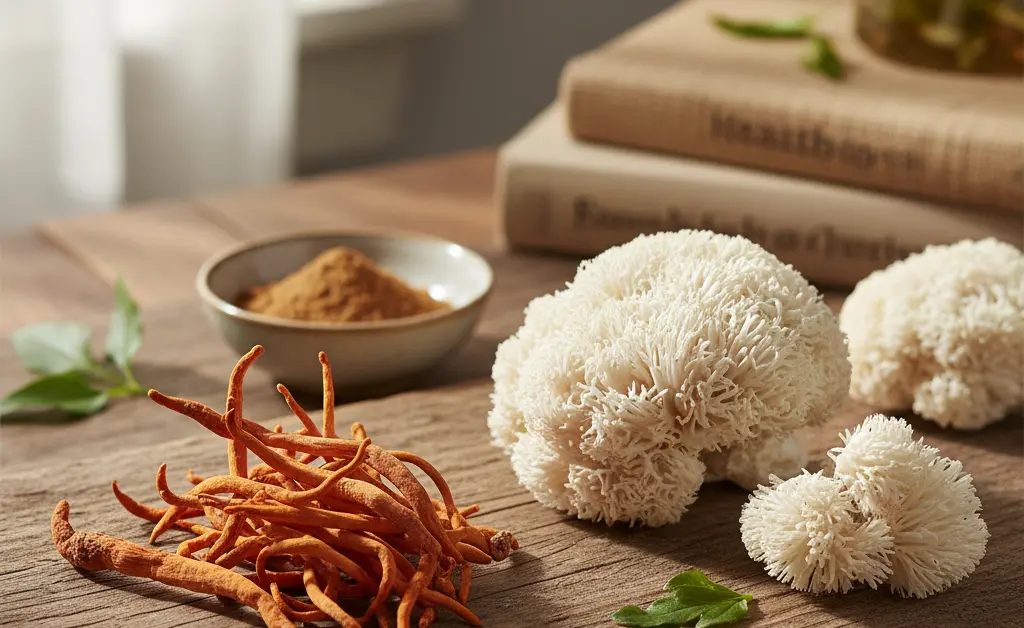
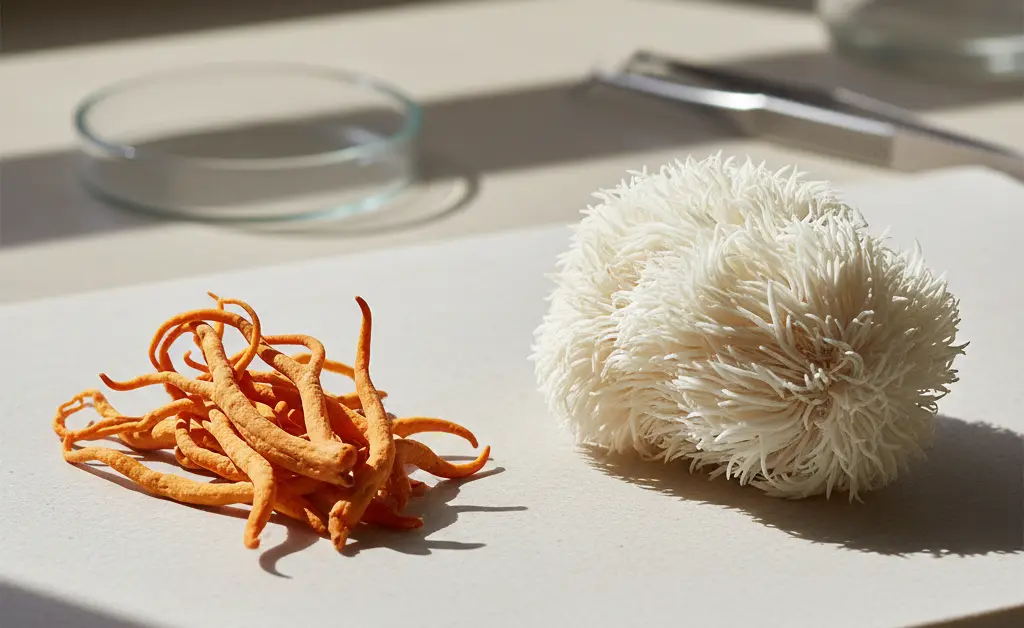
Lion’s Mane has also been utilized in traditional East Asian medicine, particularly for its benefits related to digestive health and nervous system support. Its unique appearance, resembling a shaggy white waterfall, makes it easily identifiable. In traditional practices, it was prepared as food, often fried or stewed, and brewed into medicinal teas. Modern applications see Lion’s Mane widely available in supplemental forms like powders, capsules, and liquid extracts, allowing for convenient integration into daily wellness routines.
Distinct Benefits of Each Mushroom
While both Cordyceps and Lion’s Mane offer broad health benefits as medicinal mushrooms and adaptogens, their primary impacts tend to diverge. Understanding these distinct advantages is crucial when navigating the choices available for individual health objectives. This section further elaborates on the unique contributions of each, moving beyond the general comparison of cordyceps mushroom vs lion’s mane to focus on their specialized roles.
When to Choose Cordyceps
Cordyceps may be a suitable choice for individuals looking to support their energy levels, physical endurance, and stamina. It is often favored by athletes or those with demanding physical lifestyles who seek natural ways to enhance their performance and recover. Beyond physical energy, Cordyceps is also explored for its potential role in supporting respiratory health and immune system function, making it appealing for those aiming for overall vitality and resilience. If your primary goal involves boosting physical capability, managing fatigue, or supporting respiratory wellness, Cordyceps could align well with your needs. Understanding the various cordyceps mushroom types can help in selecting the right product for specific needs.
When to Choose Lion’s Mane
Lion’s Mane stands out for its specific focus on cognitive function and nervous system support. It is particularly relevant for individuals seeking to enhance mental clarity, improve focus, and support memory. Students, professionals, and anyone experiencing mental fog or seeking proactive brain health support may find Lion’s Mane beneficial. Its unique compounds are studied for their neuroprotective properties and ability to potentially support the health of neurons. If your primary health objective is centered on brain health, sharpening cognitive abilities, or maintaining a healthy nervous system, Lion’s Mane may be the ideal choice.
Benefits of Taking Both Together

Considering the distinct benefits of Cordyceps and Lion’s Mane, many individuals explore the potential advantages of taking both together. This approach aims to create a more comprehensive wellness strategy, addressing both physical energy and cognitive function simultaneously. The combination may offer synergistic effects, where the individual benefits of each mushroom are complemented and enhanced when consumed concurrently.
By pairing Cordyceps, which is traditionally associated with supporting energy, stamina, and physical endurance, with Lion’s Mane, known for its potential to support brain health and cognitive functions like focus and memory, users might experience a holistic uplift. This combination could be particularly appealing for those leading active lifestyles that also demand high levels of mental acuity. The adaptogenic qualities present in both mushrooms may also contribute to the body’s overall ability to adapt to stressors, supporting general well-being and vitality.
Guidelines for Combination Use
When considering the combined use of Cordyceps and Lion’s Mane, it is generally prudent to approach it with thoughtful consideration. As with any dietary addition, understanding your individual health needs and body’s responses is paramount. While both mushrooms are broadly regarded as adaptogens that may support the body’s balance, their integration should ideally align with your personal wellness objectives.
It is often recommended to start with lower amounts of each mushroom when combining them and observe how your body reacts before making any adjustments. This allows for a gradual introduction and helps to identify any individual sensitivities. Consulting with a healthcare professional is always a beneficial step, especially if you have existing health conditions or are taking other supplements or medications. They can provide personalized advice based on your unique health profile, ensuring that the combination of these powerful fungi aligns safely and effectively with your specific circumstances. The goal is to support your health journey in a balanced and informed manner. For accurate guidance on supplement safety and regulations, one might refer to information from the FDA.
When to Consider Both

There are specific scenarios where considering both Cordyceps and Lion’s Mane may be particularly advantageous. Individuals who experience both physical fatigue and mental fogginess might benefit from the complementary actions of these two functional fungi. For instance, someone with a demanding job that requires sustained focus throughout the day and also engages in regular physical activity could find a combined approach supportive for both their cognitive and physical energy needs.
Furthermore, during periods of increased stress or when seeking to support overall vitality and resilience, integrating both mushrooms could offer a more comprehensive adaptogenic effect. This dual approach aims to support the body’s ability to maintain balance across multiple systems, potentially enhancing both mental clarity and physical stamina. It’s about pursuing holistic well-being rather than just isolated benefits, recognizing that optimal health often involves supporting multiple bodily functions simultaneously.
Making an Informed Decision
Ultimately, making an informed decision about whether to choose Cordyceps, Lion’s Mane, or both, boils down to understanding your unique health goals and lifestyle. The primary keyword, cordyceps mushroom vs lion’s mane, highlights a distinction that is crucial for targeted support. If your focus is predominantly on physical energy, stamina, and athletic performance, Cordyceps may be your preferred choice. Conversely, if cognitive enhancement, memory, and nervous system support are at the forefront of your wellness objectives, Lion’s Mane could be more suitable.
However, for those seeking a more integrated approach to wellness, addressing both mental and physical vitality, a combination of these two powerful mushrooms might offer the most comprehensive benefits. Pay attention to how your body responds and adjust your intake accordingly. The journey to optimal health is often a personal one, requiring careful consideration of various natural options and, ideally, guidance from a qualified professional.
In summary, the choice between cordyceps mushroom vs lion’s mane, or the decision to combine them, depends entirely on individual health aspirations. Cordyceps is often sought for its association with energy and physical stamina, while Lion’s Mane is valued for its potential cognitive and nervous system support. Both offer unique adaptogenic benefits that may contribute to overall well-being. By understanding their distinct properties and considering your personal needs, you can make an informed decision to support your vitality, focus, and overall health.
Readers should understand that this article does not offer medical diagnosis or treatment. The information provided is for educational purposes only and is not intended to be a substitute for professional medical advice. Individuals should consult with a qualified healthcare professional before making any decisions related to their health or before incorporating any new supplements into their routine. Personal health conditions and individual responses can vary greatly.
FAQ
— What is the main difference between Cordyceps and Lion’s Mane?
The main difference between cordyceps mushroom vs lion’s mane lies in their primary traditional uses and studied benefits. Cordyceps is recognized for its potential role in energy, stamina, and athletic performance, while Lion’s Mane is predominantly linked to cognitive function and nerve support. Each mushroom contains distinct compounds that contribute to these specific areas of wellness.
— Should I take Cordyceps or Lion’s Mane for energy?
For supporting energy, Cordyceps is often highlighted due to its traditional use and studied effects on physical stamina. This mushroom is known for its adaptogenic properties, which play a role in how the body manages energy. Research has explored its potential to support the body’s natural energy production processes.
— Is Lion’s Mane better than Cordyceps for brain health?
Lion’s Mane has a strong reputation for its relevance to brain health and cognitive function. It is known for containing compounds that support nerve growth factor (NGF) production, which is crucial for the growth and maintenance of brain cells. This mushroom is primarily focused on supporting neurological well-being.
— Can you combine Cordyceps and Lion’s Mane supplements?
Many individuals choose to combine Cordyceps and Lion’s Mane supplements due to their complementary properties. Cordyceps is linked to energy and physical performance, while Lion’s Mane is valued for cognitive support. When used together, they are often sought to provide a broad spectrum of benefits for overall well-being.
— Which mushroom is better for focus and concentration?
For supporting focus and concentration, Lion’s Mane is often the mushroom of choice due to its established links to cognitive function. It contains specific compounds, such as hericenones and erinacines, which are relevant to brain health. These components are studied for their potential role in supporting nerve cell communication, which can influence mental clarity.