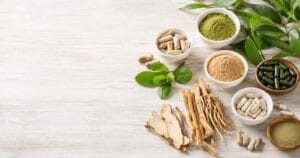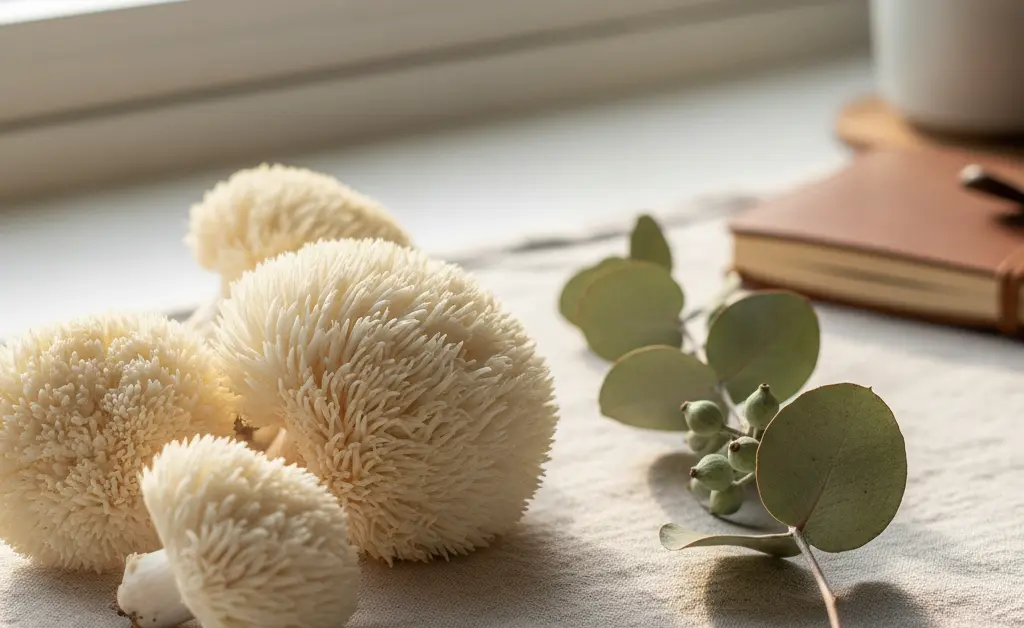
While the surge in popularity of natural health supplements has led many to embrace their potential benefits for general well-being, pregnancy introduces a uniquely cautious perspective. It’s a common, yet often misguided, assumption that if a natural product is beneficial for one’s overall health, it automatically translates to safety during gestation. The reality is more complex, as the physiological changes and heightened vulnerabilities of pregnancy necessitate a rigorous, evidence-based evaluation of anything consumed. This article aims to cut through general perceptions to provide a clear, balanced overview of the specific considerations surrounding lion’s mane mushroom and pregnancy, particularly highlighting what is currently known and, crucially, what remains unknown regarding its use during this sensitive period.
Lion’s Mane Mushroom and Pregnancy: Safety and Key Considerations
The decision to incorporate any supplement, including medicinal mushrooms like Hericium erinaceus, into one’s diet during gestation requires careful thought. Navigating the world of natural health products can be challenging, especially when considering the unique physiological state of pregnancy. The well-being of both the expectant parent and the developing fetus is paramount, making an informed approach essential for any form of supplementation. Thus, the safety of lion’s mane mushroom and pregnancy becomes a critical topic for discussion.
Why the Concern About Supplements During Pregnancy?
Pregnancy represents a period of significant physiological change and increased vulnerability. What might be deemed safe or beneficial for a non-pregnant individual may pose risks during gestation due to altered metabolism, hormonal shifts, and the potential for substances to cross the placenta and affect fetal development. Many supplements, even those derived from natural sources, have not undergone rigorous testing specifically in pregnant populations, as highlighted by resources from the NIH. This lack of targeted research means that their effects on the delicate balance of maternal health and fetal growth are largely unknown, necessitating a conservative approach. For example, research also investigates lion’s mane mushroom for menopause, highlighting different applications across various life stages.
Current Research and Evidence for Pregnancy Safety
Despite the growing interest in medicinal mushrooms for their potential health benefits, specific scientific research regarding the safety of lion’s mane mushroom during pregnancy is notably scarce. Most studies on Hericium erinaceus have focused on its general effects on neurological health, cognitive function, and immune system support in non-pregnant adults. While these studies may highlight general benefits like anti-inflammatory and antioxidant properties, they do not provide the specific insights needed to assess pregnancy safety or potential adverse effects on maternal health or the fetus. While this article focuses on pregnancy, the potential use of lion’s mane mushroom for kids is another area of ongoing research.
Lack of Clinical Trials in Pregnant Populations
A significant challenge in determining the safety profile of many supplements, including lion’s mane, during gestation is the inherent ethical and practical difficulties in conducting clinical trials on pregnant individuals. Such studies carry potential risks to both the pregnant person and the embryo or fetus, limiting direct investigation. Consequently, healthcare providers often rely on animal studies, historical data, or extrapolation from non-pregnant human trials, none of which offer definitive assurances for pregnancy. This absence of direct clinical evidence means that the risk assessment for lion’s mane mushroom and pregnancy largely remains theoretical.
Potential Benefits of Lion’s Mane for Maternal Health
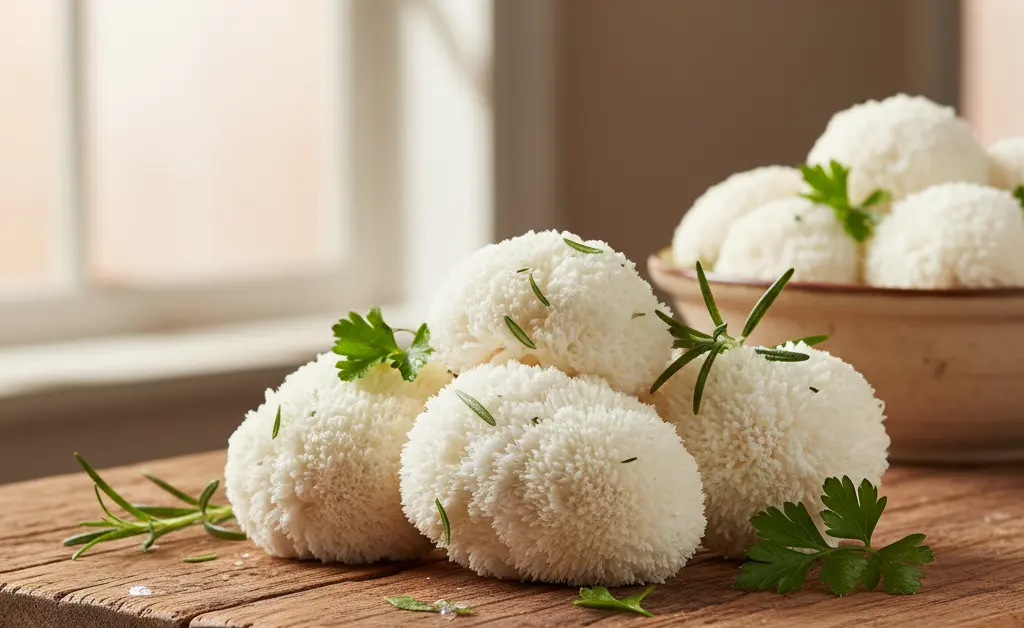
Lion’s mane mushroom is widely studied for its rich nutritional profile, containing polysaccharides, erinacines, and hericenones, which are believed to contribute to its various health-supporting properties. Generally, these compounds are associated with immune support and nerve growth factor stimulation, which could theoretically offer benefits to general well-being. However, when considering its application for maternal health, these potential advantages must be weighed against the scarcity of specific pregnancy safety data. Beyond the general benefits, exploring specific lion’s mane mushroom benefits for women can offer further insights into its potential uses.
Exploring Cognitive and Mood Support (with caution for pregnancy)
Among the most widely discussed lion’s mane benefits are its potential contributions to cognitive function and mood support. Research in non-pregnant populations suggests it may play a role in neurogenesis and overall neurological health, potentially assisting with focus, memory, and managing mild mood fluctuations. For some individuals, these effects could be appealing, particularly if they experience “pregnancy brain” or mood changes during gestation. However, due to the lack of dedicated studies on lion’s mane mushroom and pregnancy, these generalized benefits cannot be directly extrapolated or recommended for pregnant individuals without specific guidance from a healthcare provider. The delicate nature of fetal development and the unknown impact on the placental environment mean that any theoretical cognitive or mood support during this period requires extreme caution.
Understanding Risks and Side Effects of Lion’s Mane
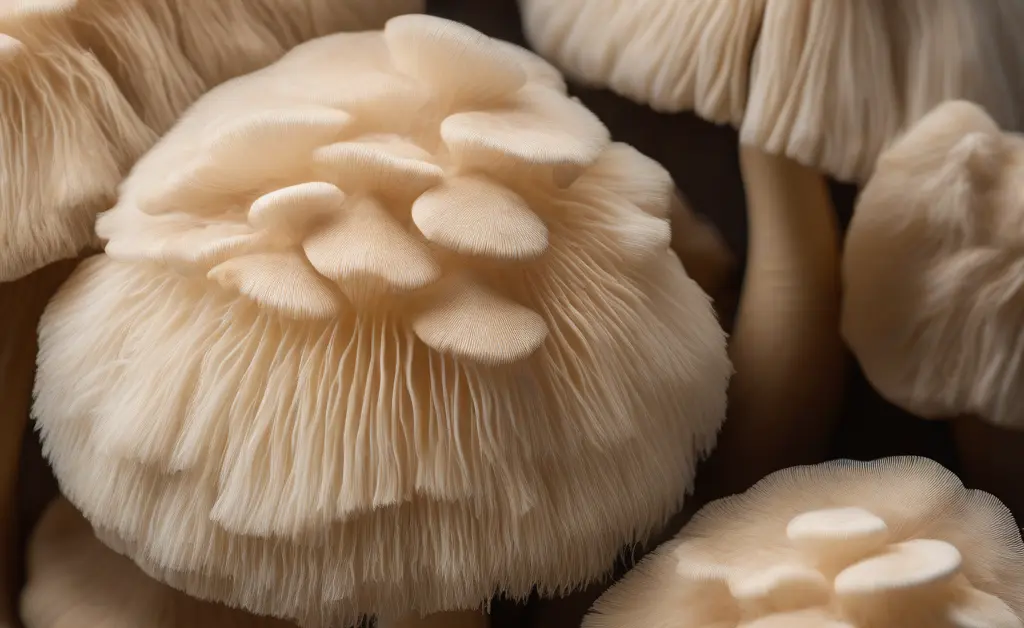
While generally considered safe for healthy adults, understanding the potential risks and side effects of any supplement is crucial, especially during pregnancy. For lion’s mane mushroom, reported side effects in the general population are typically mild and uncommon, often involving digestive discomfort. However, the unique physiological state of pregnancy necessitates a heightened awareness of any potential adverse effects, even if not directly observed in non-pregnant individuals.
Potential Risks Specific to Pregnancy (theoretical)
Given the absence of direct research on lion’s mane mushroom and pregnancy, any discussion of specific risks remains largely theoretical. The primary concern revolves around the unknown. Without scientific research, it is impossible to definitively rule out potential impacts on fetal development, uterine contractions, or interactions with prenatal care medications. There is no specific evidence suggesting teratogenicity or toxicity from lion’s mane; however, the lack of studies means these possibilities cannot be completely dismissed. The body’s immune system also undergoes changes during pregnancy, and the potential immunomodulating effects of medicinal mushrooms, while generally considered beneficial, might interact differently in this context. Therefore, due to this profound knowledge gap, the prudent approach is to exercise extreme caution regarding lion’s mane mushroom and pregnancy. Beyond pregnancy, some individuals may also consider lion’s mane mushroom for fertility, which also necessitates professional guidance.
Dosage Considerations and Professional Advice for Lion’s Mane Use
Determining an appropriate dosage for any supplement is complex, but it becomes particularly critical during pregnancy, a period where even small amounts of certain substances can have significant impacts. Given the lack of specific research on lion’s mane mushroom during gestation, there is no established safe or recommended dosage for pregnant individuals. General recommended dosages for non-pregnant adults, whether in extract, powder, or capsule form, cannot be applied to pregnancy due to the unique physiological and developmental considerations involved.
When to Consult Your Healthcare Provider
It is always advisable for pregnant individuals to consult their healthcare provider before taking any new supplement, including lion’s mane mushroom. This consultation is critical even for products perceived as “natural” or “safe” for general consumption. Your obstetrician or prenatal care provider can offer personalized medical advice based on your individual health history, current medications, and the stage of your pregnancy. They possess the expertise to assess potential risks, interactions, and whether any supplement aligns with the best practices for maternal health and fetal development.
Discussing Supplements with Your Obstetrician
When discussing lion’s mane or any other supplements with your obstetrician, be prepared to provide detailed information about the product, including its form (e.g., extract, powder), ingredients, and your reasons for considering it. Open and honest communication is vital. Your healthcare provider can help you conduct a thorough risk assessment, explain potential contraindications, and advise on safer alternatives if necessary. Prioritizing this professional medical advice ensures that any decisions regarding lion’s mane mushroom and pregnancy are made with the utmost consideration for safety and well-being.
The available evidence concerning lion’s mane mushroom and pregnancy suggests a cautious approach is warranted due to the significant lack of specific clinical research. While lion’s mane offers potential benefits for general health, its safety profile during gestation remains largely unexplored. Pregnant individuals are strongly encouraged to prioritize consultation with their healthcare provider to discuss any supplements, ensuring all decisions support both maternal and fetal well-being, especially when considering lion’s mane mushroom and pregnancy.
Readers should understand that this article does not offer medical diagnosis or treatment. The information provided is for general informational purposes only and is not a substitute for professional medical advice, diagnosis, or treatment. Always seek the advice of your physician or other qualified health provider with any questions you may have regarding a medical condition or before making any decisions about your health or treatment plan. Never disregard professional medical advice or delay in seeking it because of something you have read in this article.
FAQ
— Is it safe to consume lion’s mane mushroom while pregnant?
There is currently a lack of scientific research specifically on the consumption of lion’s mane mushroom during pregnancy in humans. Due to this absence of specific data, experts generally recommend caution. It’s always advisable to consult with a healthcare provider before introducing any new supplement or dietary change during this sensitive period.
— What are the risks of taking lion’s mane during pregnancy?
Given the limited research on lion’s mane mushroom consumption in pregnant individuals, potential risks have not been thoroughly evaluated or established. Without specific human studies, it is not possible to definitively outline any particular adverse effects on maternal or fetal health. This data gap is why healthcare professionals often advise a cautious approach with unstudied supplements during pregnancy.
— Are there any benefits to lion’s mane mushroom for pregnant women?
While lion’s mane is recognized for its potential benefits in other populations, there is no scientific evidence specifically demonstrating benefits for pregnant women. The physiological changes and unique nutritional needs during pregnancy mean that findings from other groups cannot be directly extrapolated. Therefore, any potential advantages in this specific context remain unconfirmed by research.
— Can lion’s mane affect fetal development?
The potential impact of lion’s mane mushroom and pregnancy on fetal development has not been investigated in human clinical trials. Without specific research to assess its effects during this crucial period, it is impossible to determine if it influences fetal growth or development. This absence of data underscores the recommendation for careful consideration regarding unstudied supplements.
— Should I stop taking lion’s mane if I become pregnant?
Given the absence of safety data for lion’s mane during pregnancy, it is generally advised to discuss all current supplements with your healthcare provider immediately upon becoming pregnant. Many professionals recommend discontinuing supplements that lack clear safety profiles for pregnant individuals. This approach prioritizes caution for both maternal and fetal well-being.
— What is the recommended dosage of lion’s mane for pregnant individuals?
There are no established or recommended dosages for lion’s mane mushroom for pregnant individuals due to the lack of specific clinical research in this population. Without safety and efficacy data, any suggested amount would be speculative and not medically supported. Therefore, healthcare providers cannot endorse a specific dosage for use during pregnancy.
— Does lion’s mane interact with prenatal vitamins or medications?
Specific interaction studies between lion’s mane mushroom and prenatal vitamins or other medications in pregnant populations have not been conducted. This means that potential interactions, though not documented, cannot be entirely ruled out. Always inform your healthcare provider about all supplements, including functional mushrooms, to ensure comprehensive medical oversight.