
The quest for natural pathways to support reproductive health often leads to exploring ancient remedies and powerful functional foods. Among these, the distinctive lion’s mane mushroom has emerged as a subject of considerable interest, extending its reputed benefits beyond cognitive enhancement to potentially influence fertility. As a seasoned observer of natural health trends, it’s clear that individuals are increasingly seeking comprehensive solutions to optimize their reproductive well-being. This exploration navigates the current understanding of lion’s mane mushroom for fertility, examining how this unique organism might interact with the intricate biological processes governing conception. We will dissect available insights and practical considerations, offering a balanced perspective for those looking to integrate natural support into their family planning journey.
Understanding Lion’s Mane Mushroom for Fertility
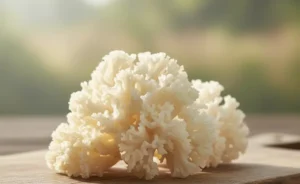
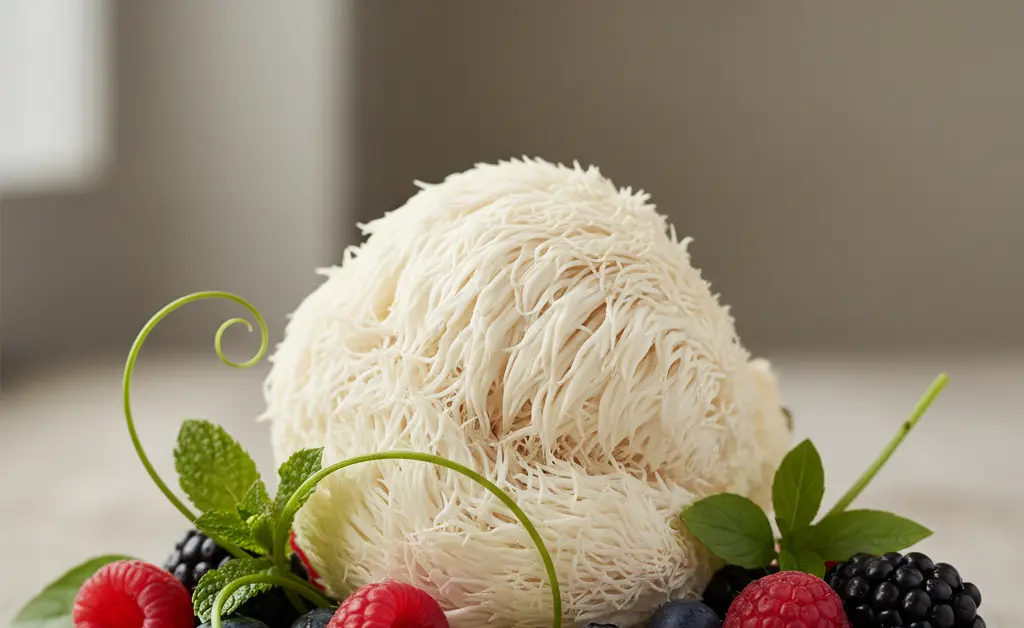
Lion’s Mane, scientifically known as Hericium erinaceus, is a medicinal mushroom recognized for its unique appearance and a long history of use in traditional medicine. Beyond its well-documented neuroprotective qualities, this functional fungus contains a rich array of bioactive compounds, including hericenones and erinacines. These compounds are studied for their adaptogenic properties and potential to influence various physiological systems, including those relevant to reproductive health. The growing interest in natural approaches has led many to consider the potential benefits of lion’s mane mushroom for fertility, exploring how its broad spectrum of actions might support the complex processes of conception. Other medicinal varieties, such as exploring chaga mushroom benefits for fertility, also draw interest in this field.
Lion’s Mane and Hormonal Balance
Hormonal balance is a critical factor in both male and female reproductive health. The intricate dance of sex hormones, regulated by the endocrine system, dictates ovulation, sperm production, and the overall conditions for conception. While direct research on lion’s mane mushroom’s specific impact on reproductive hormones is still emerging, its general adaptogenic effects suggest a potential role in helping the body manage stress and maintain physiological equilibrium. A balanced endocrine system is fundamental for optimal reproductive function, and the general well-being supported by medicinal mushrooms may indirectly contribute to this delicate balance.
Lion’s Mane for Male Fertility
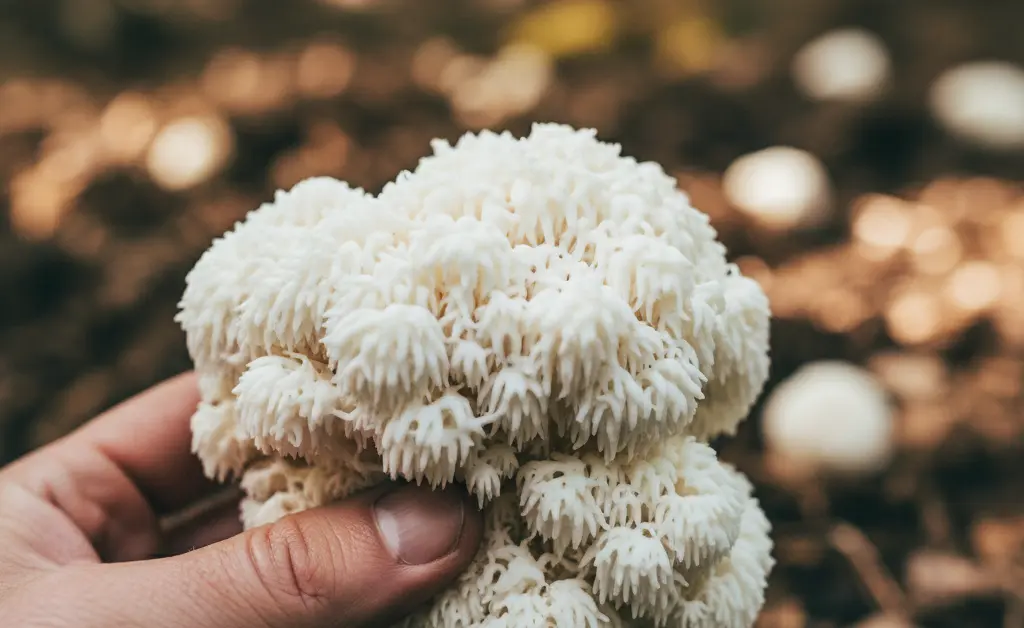
Supporting male reproductive health is an increasingly important aspect of the fertility journey for many couples. Environmental factors, lifestyle choices, and underlying health conditions can all impact male fertility. As a natural supplement, the lion’s mane mushroom for fertility is being explored for its potential to offer supportive benefits. Its broad array of compounds may contribute to an environment conducive to healthy reproductive function, making it an interesting subject for those considering fertility supplements for men.
Benefits for Male Reproductive Health
The overall health of the male reproductive system relies on various factors, including cellular integrity and protection against damage. Lion’s Mane is known for its antioxidant and anti-inflammatory properties, which could be beneficial. Oxidative stress and inflammation are recognized contributors to male infertility, potentially impairing sperm production and function. By helping to mitigate these factors, lion’s mane may indirectly support the health and resilience of male reproductive tissues.
Impact on Sperm Quality
Sperm quality, encompassing parameters like count, motility, and morphology, is crucial for successful conception. While specific clinical studies on lion’s mane’s direct impact on human sperm quality are limited, the mushroom’s antioxidant capacity is a key area of interest. Protecting sperm cells from oxidative damage is vital for maintaining their structural integrity and functional capability. Any agent that can reduce oxidative stress within the reproductive system may theoretically contribute to improved sperm health, thereby offering a potential indirect benefit to male fertility.
Lion’s Mane for Female Fertility
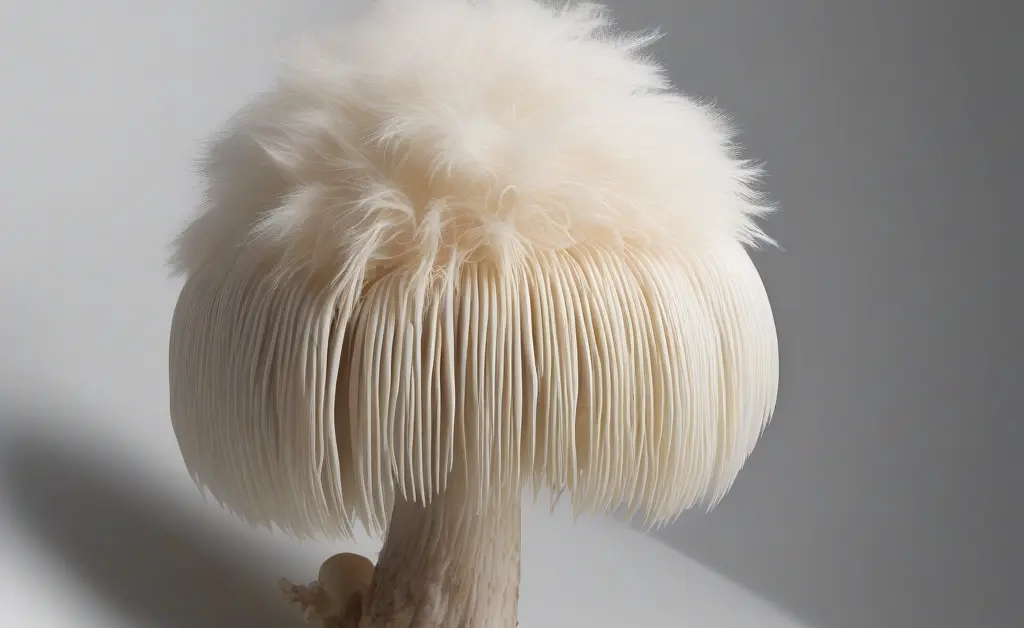
Female fertility is a complex interplay of hormonal regulation, egg quality, and uterine health. With a growing interest in holistic approaches, the potential role of lion’s mane mushroom for fertility in women’s reproductive health is drawing attention. While more specific research is needed, the mushroom’s general properties may offer broad support for the female reproductive system and contribute to overall well-being during the fertility journey.
Benefits for Female Reproductive Health
Similar to its potential benefits for men, the antioxidant and anti-inflammatory properties of lion’s mane may extend to supporting female reproductive health. Chronic inflammation and oxidative stress can negatively impact various aspects of female fertility, including ovarian function and the uterine environment. By helping to reduce these stressors, lion’s mane may contribute to a healthier internal environment that is more conducive to conception. Its adaptogenic qualities might also assist the body in coping with stress, which can sometimes interfere with reproductive processes. The mushroom’s broader applications, such as lion’s mane mushroom for menopause, are also areas of ongoing interest in women’s health.
Addressing PCOS and Fertility
Polycystic Ovary Syndrome (PCOS) is a common endocrine disorder that can significantly impact female fertility by disrupting hormonal balance and ovulation. While lion’s mane is not a direct treatment for PCOS, its potential to influence hormonal pathways and reduce inflammation might offer supportive benefits. Some research suggests that managing inflammation and oxidative stress can be beneficial for individuals with PCOS. Further studies are required to determine any specific role of lion’s mane in addressing PCOS-related fertility challenges.
Impact on Egg Quality
Egg quality is a critical determinant of female fertility and the likelihood of successful conception. Factors such as age, oxidative stress, and inflammation can all diminish egg quality. The antioxidant compounds found in lion’s mane could play a role in protecting oocytes from cellular damage, thereby potentially supporting overall egg health. A healthy cellular environment is paramount for optimal egg maturation and subsequent embryonic development, making the exploration of natural compounds like those in lion’s mane an area of interest for fertility support.
Scientific Evidence and Research on Lion’s Mane for Fertility
The scientific community continues to explore the diverse health benefits of medicinal mushrooms, including the lion’s mane mushroom for fertility. While much of the existing research has focused on its neuroprotective and cognitive-enhancing effects, studies are gradually expanding to investigate its broader physiological impacts, some of which may indirectly relate to reproductive health. Understanding the current state of scientific evidence is crucial for a balanced perspective.
Current Studies and Findings
Current research regarding lion’s mane and fertility is primarily in its early stages, often involving animal models or focusing on indirect mechanisms. Studies have shown its ability to modulate inflammation, act as an antioxidant, and potentially influence nerve growth factors, which could have downstream effects on various body systems. However, direct clinical trials specifically investigating the impact of lion’s mane on human fertility parameters, such as sperm count, egg quality, or pregnancy rates, are still scarce. The findings often suggest a general supportive role rather than a direct causative effect on fertility outcomes.
Limitations of Existing Research
Despite the promising initial insights into lion’s mane, there are significant limitations to the existing research on its role in fertility. Many studies are conducted in vitro or on animals, which may not directly translate to human physiology. The methodologies, dosages used, and specific extracts of lion’s mane can vary widely across studies, making it challenging to draw definitive conclusions. Furthermore, the complex nature of human fertility means that many factors contribute to conception, and isolating the specific effect of a single supplement requires rigorous, large-scale, placebo-controlled clinical trials, which are currently lacking for lion’s mane in this specific context.
How to Incorporate Lion’s Mane for Fertility Support
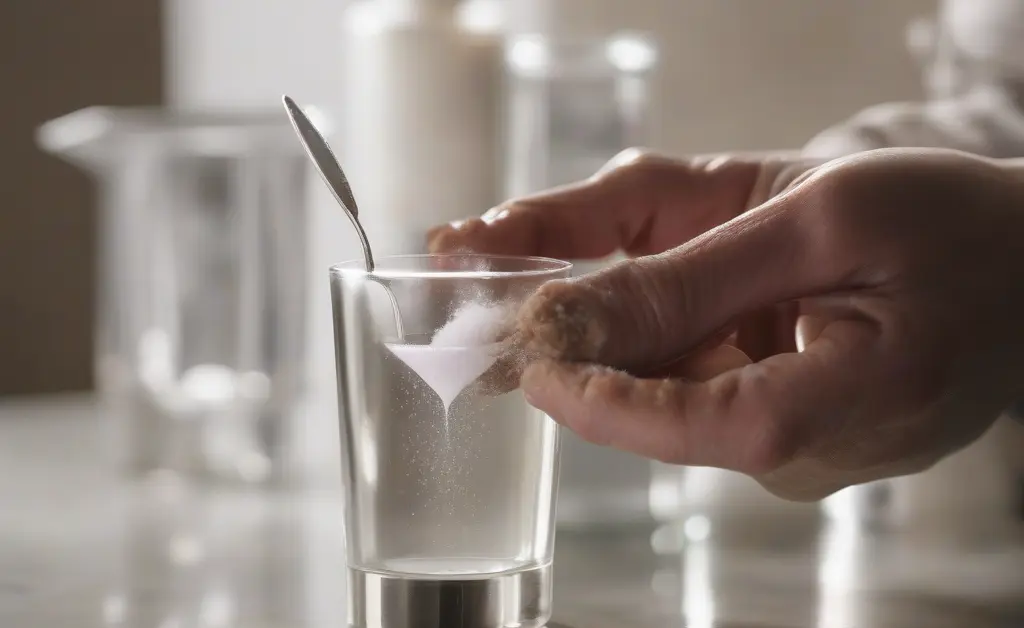
For individuals interested in exploring natural avenues for fertility support, incorporating lion’s mane can be considered as part of a broader wellness strategy. However, careful consideration and professional guidance are essential before integrating any new supplement into a fertility journey. The goal is to support overall health in a way that may indirectly benefit reproductive well-being.
Recommended Forms and Dosages
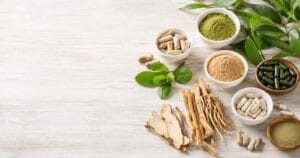
Lion’s mane mushroom is available in various forms, including powdered extracts, capsules, tinctures, and even fresh or dried culinary mushrooms. Extracts are often preferred for their concentrated bioactive compounds. When considering supplementation, it is generally advised to seek high-quality products from reputable sources that provide transparent information about their sourcing and processing. The appropriate amounts can vary significantly based on the specific product, individual needs, and health status. It is important to always consult with a healthcare professional to determine suitable forms and amounts. Consumers should ensure that any supplements adhere to guidelines set by regulatory bodies like the FDA.
Considerations for Supplementation
When considering lion’s mane for fertility support, a few key points are important. Consistency in supplementation is often more important than sporadic use for potential long-term benefits. Always check for third-party testing to ensure product purity and potency. Furthermore, remember that supplements should complement a healthy lifestyle, not replace it. A balanced diet, regular physical activity, stress management, and sufficient sleep remain foundational to reproductive health.
Can I take Lion’s Mane while trying to get pregnant?
For individuals actively trying to conceive, it is strongly recommended to consult a healthcare professional before starting any new supplement, including lion’s mane. While generally considered safe for many, specific interactions with existing medications or unique health conditions related to fertility need to be evaluated. A professional can provide personalized advice based on individual health profiles and ensure that any supplementation aligns safely with the fertility journey. Understanding the considerations around lion’s mane mushroom and pregnancy is crucial.
Potential Side Effects
Lion’s mane is generally well-tolerated by most individuals. However, as with any supplement, some people may experience mild side effects. These can occasionally include digestive upset, such as stomach discomfort or diarrhea, especially when first introducing the mushroom or taking larger amounts. Allergic reactions are rare but possible. If any adverse reactions occur, it is advisable to discontinue use and consult a healthcare provider.
Who Should Exercise Caution or Avoid
Certain individuals should exercise caution or avoid lion’s mane. This includes pregnant or breastfeeding individuals due to a lack of extensive research on safety in these populations. People with known allergies to mushrooms should also avoid lion’s mane. Additionally, those on blood-thinning medications or with bleeding disorders should consult their doctor, as some medicinal mushrooms may have mild anti-platelet effects. Individuals with pre-existing medical conditions or those taking prescription medications should always seek medical advice before starting any new supplement regimen.
Consulting a Healthcare Professional
The most crucial step for anyone considering lion’s mane for fertility support is to consult with a qualified healthcare professional. This includes general practitioners, fertility specialists, or integrative medicine doctors. They can provide accurate guidance, assess potential risks and benefits based on your medical history, and help integrate supplements safely into a comprehensive fertility plan. Professional advice ensures that decisions are informed and aligned with individual health needs and fertility goals.
The exploration of natural remedies like lion’s mane mushroom for fertility highlights a growing interest in holistic approaches to reproductive well-being. While scientific understanding is still evolving, the potential antioxidant, anti-inflammatory, and adaptogenic properties of this medicinal mushroom suggest a supportive role for overall health that may indirectly benefit both male and female fertility. As with any aspect of the fertility journey, a balanced approach, informed by current research and guided by professional medical advice, remains paramount.
This article is meant for general informational use and awareness. It is not intended to provide medical advice, diagnosis, or treatment. Always consult with a qualified healthcare professional for any health concerns or before making any decisions related to your health or treatment. Individual results may vary, and the information presented here should not be used as a substitute for professional medical guidance.
FAQ
— Does Lion’s Mane improve fertility?
Current scientific understanding does not indicate that Lion’s Mane mushroom directly improves human fertility. Research primarily focuses on its neuroprotective and cognitive support properties, with no strong evidence to suggest a direct impact on reproductive success.
— What is the research on Lion’s Mane and reproductive health?
The body of research on Lion’s Mane mushroom has largely concentrated on its benefits for brain health, nerve regeneration, and immune support. Studies specifically investigating its effects on human reproductive health or fertility parameters are extremely limited.
— How does Lion’s Mane mushroom affect hormones related to fertility?
Lion’s Mane is not primarily known for its direct interaction with human endocrine systems that regulate fertility hormones. Its studied mechanisms relate more to nerve growth factor stimulation and antioxidant properties rather than influencing reproductive hormone balance.
— Is Lion’s Mane safe for men trying to conceive?
Generally, Lion’s Mane is considered well-tolerated, and adverse effects are uncommon. However, there is a lack of specific clinical research on its safety profile or efficacy for men who are actively trying to conceive.
— Is Lion’s Mane safe for women trying to conceive?
For women trying to conceive, there is no significant clinical data specifically addressing the safety or effects of Lion’s Mane mushroom during this sensitive period. As with any supplement, it is prudent to consider the absence of specific studies in this context.
— What dosage of Lion’s Mane is used for fertility?
No specific dosage of Lion’s Mane mushroom has been established or clinically studied for the purpose of fertility support. Since there is limited research connecting Lion’s Mane to reproductive outcomes, there are no guidelines on appropriate amounts for this use.
— Are there any side effects of taking Lion’s Mane for fertility?
Lion’s Mane is typically well-tolerated, with very few reported side effects such as mild digestive upset or allergic reactions in sensitive individuals. These potential effects are general and not specific to use for fertility purposes.
— Can Lion’s Mane help with egg quality?
There is currently no established scientific evidence linking lion’s mane mushroom for fertility directly to improvements in human egg quality. The primary focus of research on this mushroom centers on its neurotrophic and cognitive benefits.
— Can Lion’s Mane help with sperm quality?
Specific human clinical trials examining the impact of Lion’s Mane on sperm quality are not widely available. While some mushrooms are explored for various health aspects, direct enhancement of sperm parameters is not a recognized area of research for Lion’s Mane.