What if you could harness the distinctive flavor and texture of lion’s mane mushrooms into a satisfying, plant-based jerky? For many, the idea of turning a fungus into a chewy, savory snack might seem unusual, but lion’s mane offers remarkable culinary versatility. Known for its unique, almost crab-like consistency when cooked, this remarkable mushroom is an ideal candidate for creating delicious and nutritious alternatives to traditional meat jerky. This comprehensive guide will walk you through every step, from selecting and preparing your mushrooms to marinating and drying them to perfection. You’ll discover how simple it is to craft a wholesome and flavorful treat right in your own kitchen, culminating in the ultimate lion’s mane mushroom jerky recipe that promises to delight your taste buds and impress your friends. Get ready to explore a world of umami-rich flavors and satisfying textures.
Best lion’s mane mushroom jerky recipe
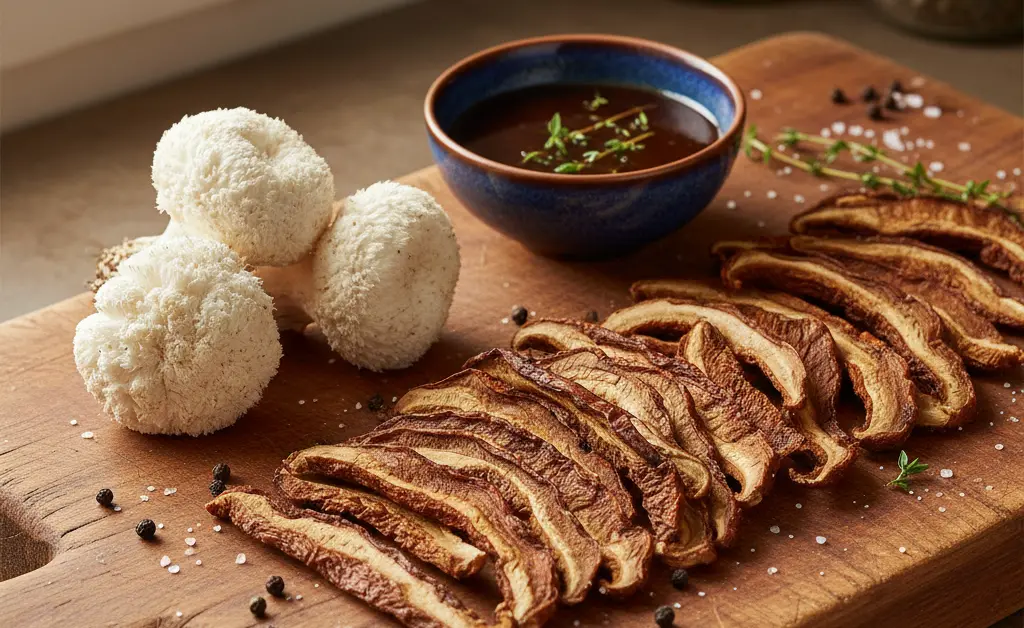
Crafting the best lion’s mane mushroom jerky recipe begins with understanding the unique characteristics of this remarkable fungus. Lion’s mane (Hericium erinaceus) is celebrated for its distinctive appearance and its ability to mimic the texture of seafood or meat when cooked. This makes it an ideal ingredient for a plant-based snack, offering a fibrous, tender yet firm bite that holds up exceptionally well to drying and marinating. Its mild flavor profile also readily absorbs the rich notes of a savory marinade, transforming it into a deeply flavorful and satisfying chewy texture. The process is designed to highlight the mushroom’s natural qualities, ensuring that each piece of jerky is both enjoyable and a fantastic alternative to conventional options.
Choosing and Preparing the Mushrooms
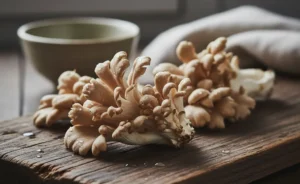
Selecting high-quality lion’s mane mushrooms is the first crucial step in any successful homemade snack. Look for mushrooms that are firm, bright white, and free from any dark spots or signs of decay. Freshness is key to achieving the desired chewy texture. Once selected, preparing the mushrooms is relatively simple. Gently brush off any dirt or debris with a soft brush or a damp cloth. Avoid rinsing them under running water, as mushrooms can absorb excess moisture, which can hinder the drying process and dilute the flavor of your marinade. Handle them with care to maintain their delicate structure.
Slicing the Lion’s Mane
Achieving a uniform and consistent chewiness requires precise slicing of the lion’s mane. The goal is to create pieces that are thin enough to dry evenly but thick enough to retain their satisfying, meaty substitute texture. Aim for slices that are approximately a quarter to half an inch thick. You can either tear the mushroom into natural strips, following its grain, or use a sharp knife to cut it into desired shapes. The key is consistency in thickness across all pieces to ensure they dehydrate at roughly the same rate, preventing some pieces from becoming overly brittle while others remain too moist.
Ingredients for Savory Lion’s Mane Jerky
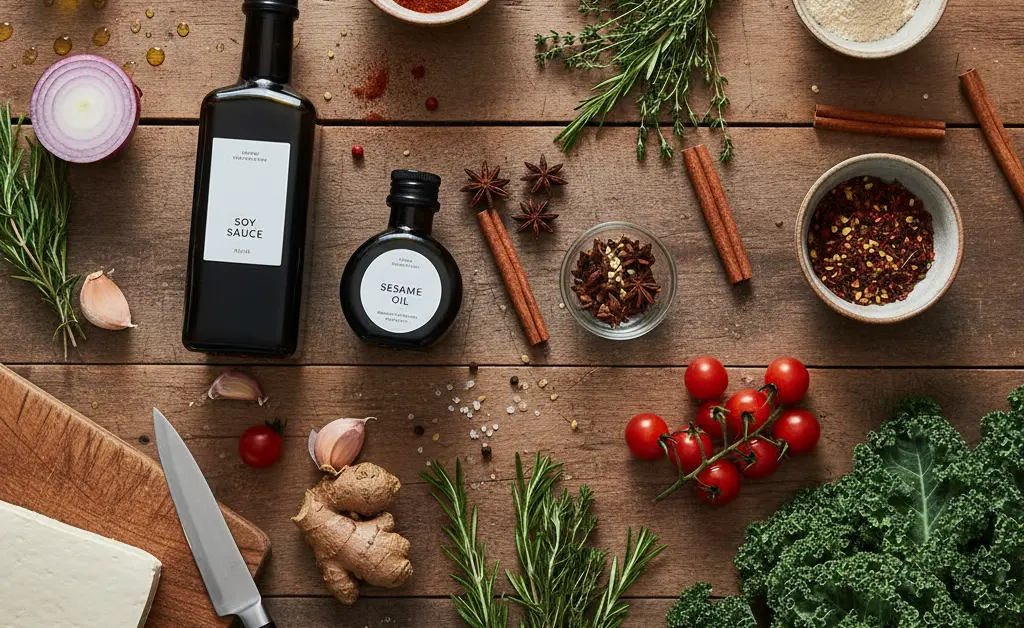
The success of any lion’s mane mushroom jerky recipe heavily relies on a well-balanced and potent marinade. This section focuses on assembling the essential ingredients that will infuse your mushrooms with an irresistible umami flavor, transforming them into a delicious vegan jerky. The combination of savory, sweet, and smoky elements is crucial for creating a complex flavor profile that satisfies the palate and enhances the natural qualities of the lion’s mane.
For the Umami-Rich Marinade
An exceptional marinade is the heart of a great plant-based snack. For an umami-rich marinade, a robust base of soy sauce or tamari (for a gluten-free option) is essential, providing deep savory notes. To balance this, a touch of natural sweetener like maple syrup or agave nectar can be incorporated, which also aids in caramelization during the drying process. Aromatic additions such as garlic powder and onion powder contribute foundational savory flavors, while smoked paprika offers a warm, earthy depth. For an authentic smoky essence, a small amount of liquid smoke can be a transformative ingredient, giving the jerky a distinct, barbecue-like aroma and taste without a smoker. Black pepper and a hint of red pepper flakes can provide a gentle warmth and spice, completing a truly irresistible savory marinade.
Marinating for Maximum Flavor
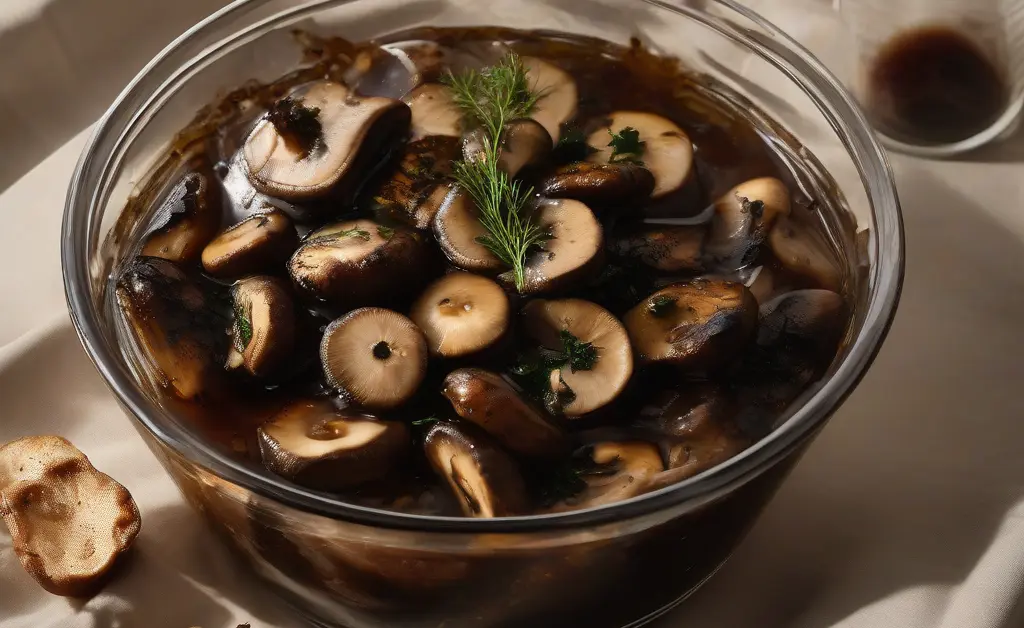
Proper marination is paramount to developing deep, complex flavors in your lion’s mane mushroom jerky recipe. This step allows the mushroom to fully absorb the savory marinade, ensuring every bite is packed with umami flavor. It’s not just about coating the mushrooms; it’s about infusing them from within, transforming their relatively neutral taste into a symphony of spices and seasonings. The duration of the marinating time is as important as the ingredients themselves, as it dictates how thoroughly the flavors penetrate the mushroom fibers.
Marinating for Maximum Flavor
Once your lion’s mane slices are prepared, gently place them into a large, non-reactive bowl or a resealable bag. Pour the prepared umami-rich marinade over the mushrooms, ensuring that all pieces are thoroughly coated. Gently massage the bag or stir the bowl to distribute the marinade evenly. For optimal flavor absorption and to develop that perfect chewy texture, allow the mushrooms to marinate in the refrigerator. The ideal marinating time is typically several hours. This extended soak ensures the mushroom fibers become saturated with all the delicious flavors, preparing them for the drying process ahead.
Cooking Methods: Dehydrator, Oven, Air Fryer, and Smoker
Transforming marinated lion’s mane into a chewy, savory snack requires careful consideration of the drying method. Each cooking technique offers distinct advantages and can influence the final texture and flavor of your lion’s mane mushroom jerky recipe. Whether you opt for a consistent dehydrator, a conventional oven, a quick air fryer, or a flavor-imparting smoker, understanding the nuances of each will help you achieve perfectly dried and delicious jerky.
Using a Dehydrator
A food dehydrator is often the preferred method for making dehydrated mushrooms and achieving the best chewy texture for homemade jerky. Its controlled, low-heat environment ensures even drying without cooking the mushrooms, preserving their nutrients and concentrating their flavors. For more information on nutritional benefits or health research, resources like the NIH can provide valuable insights. Arrange the marinated lion’s mane slices in a single layer on the dehydrator trays, ensuring there’s no overlap for optimal airflow. Set the dehydrator to a low temperature. The precise duration can vary depending on your dehydrator model, the thickness of your slices, and desired crispness, but expect several hours of drying time. Periodically check the jerky for flexibility and chewiness; it should be pliable but not brittle.
Baking in the Oven
For those without a dehydrator, an oven can serve as an effective alternative for oven-baked jerky. The key is to use the lowest possible temperature setting, ideally below 200°F (93°C). Line baking sheets with parchment paper and arrange the marinated mushroom slices in a single layer. To promote air circulation and prevent the jerky from baking rather than drying, prop the oven door open slightly with a wooden spoon. This allows moisture to escape. Flip the pieces periodically to ensure even drying. This method may take several hours, so monitor closely to prevent burning and achieve the desired chewy texture.
Using an Air Fryer
An air fryer can offer a quicker alternative for making plant-based snack jerky, though it requires more diligent monitoring due to its intense heat. Preheat your air fryer to a very low setting. Place marinated lion’s mane slices in a single layer in the air fryer basket. Cook in short intervals, flipping the pieces frequently to ensure even drying and prevent scorching. The air fryer’s powerful convection currents can dry the mushrooms efficiently, but it’s essential to check the jerky often to avoid over-drying and achieve the perfect balance of firmness and chewiness.
Using a Smoker
For an intensely smoky flavor profile, a smoker can create a truly unique homemade snack. This method combines drying with smoke infusion, yielding a rich and complex taste. Prepare your smoker with a mild wood, such as apple or cherry, and maintain a low temperature. Arrange the marinated lion’s mane slices directly on the grates or on mesh mats if your grates are too wide. The low, consistent heat and continuous smoke will slowly dehydrate the mushrooms while imbuing them with a deep, smoky essence. This process will take several hours, and the smoky flavor will become more pronounced over time. Monitor the temperature and the jerky’s texture throughout the smoking process.
Marinade Variations and Flavor Ideas
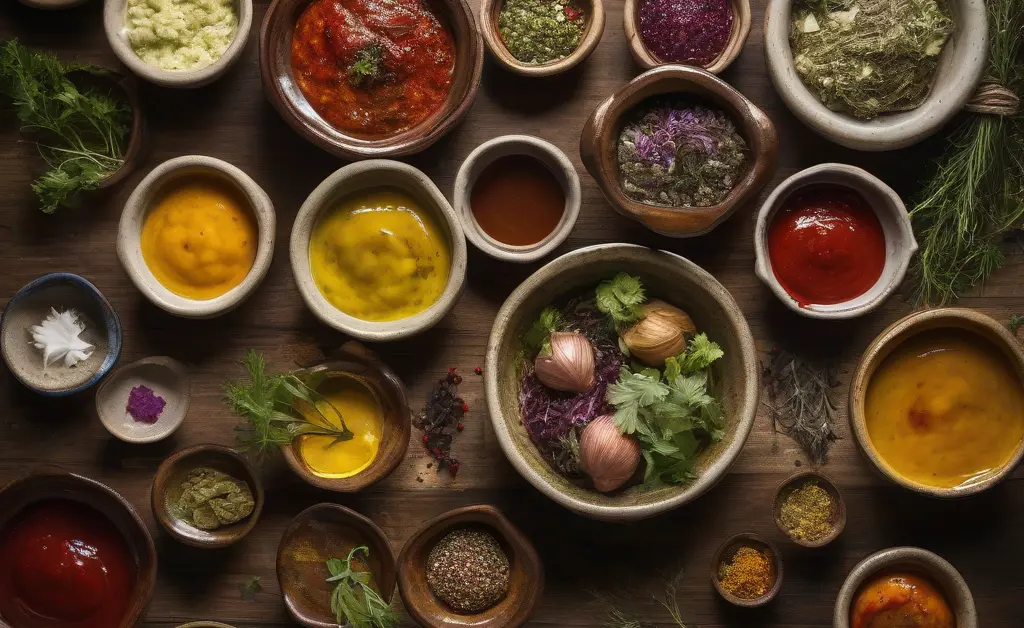
While a classic savory marinade is delicious, the versatility of lion’s mane allows for endless creativity in flavor profiles. Experimenting with different marinade variations can lead to a diverse range of plant-based snack options, ensuring your homemade mushroom jerky never gets boring. You might also consider preparing a delicious lion’s mane mushroom crumble as another versatile dish. Consider regional flavors or your personal preferences to customize your next batch.
Soy Sauce Marinade Recipe
A simple yet potent soy sauce marinade recipe forms an excellent foundation for umami-rich jerky. Combine quality soy sauce (or tamari for a gluten-free option) with finely minced fresh ginger and garlic for a pungent kick. A touch of rice vinegar can add a subtle tang, while a dash of sesame oil brings nutty depth. For a hint of sweetness that balances the savory notes and aids in achieving a desirable caramelization, include a small amount of maple syrup or brown sugar. This combination yields a classic, deeply savory flavor that pairs wonderfully with the meaty substitute texture of lion’s mane.
Teriyaki Mushroom Jerky Recipe
For a sweeter and more complex profile, a teriyaki mushroom jerky recipe is an excellent choice. This marinade typically combines soy sauce with mirin (sweet rice wine) and sake (or rice vinegar as a substitute), creating a balanced sweet and savory base. Additions like grated fresh ginger, minced garlic, and a spoon of brown sugar or honey deepen the flavor and contribute to a glaze-like finish once dried. A small amount of cornstarch can sometimes be added to the marinade to help it adhere better to the mushrooms, resulting in a more pronounced teriyaki coating on your chewy texture snack. Given its unique texture, lion’s mane is also an excellent ingredient for lion’s mane mushroom crab cakes.
Tips for the Ideal Texture & Common Mistakes to Avoid
Achieving the perfect chewy texture is crucial for a satisfying homemade snack. The ideal lion’s mane jerky should be pliable and slightly resistant to the bite, not brittle or soggy. This balance is often a result of careful preparation and consistent drying. Common mistakes, however, can easily lead to undesirable outcomes. Uneven slicing is a frequent culprit; if pieces vary too much in thickness, some will dry out too quickly, becoming tough and brittle, while others remain under-dried and prone to spoilage. Over-marinating can sometimes lead to a mushy texture, especially if acidic ingredients are heavily used, so respecting the marinating time is key. Conversely, under-marinating results in a bland product. Finally, drying at too high a temperature can cook the mushrooms rather than dehydrate them, leading to a crispy, cracker-like texture instead of the desired chewiness. Always prioritize low and slow drying, with proper air circulation, to achieve the best results.
How to Store Homemade Mushroom Jerky
Proper storage is essential to maintain the freshness and longevity of your homemade mushroom jerky. Once your lion’s mane jerky has reached its desired chewy texture and has cooled completely, it’s important to store it correctly to prevent spoilage and retain its quality. Exposure to air and moisture can quickly degrade the jerky, leading to a loss of flavor and an increased risk of mold. For optimal storage tips, place the completely dry and cooled jerky in an airtight container or a resealable bag. Removing as much air as possible will significantly extend its shelf life. Storing it in a cool, dry place, away from direct sunlight, is generally recommended. While precise durations can vary based on drying completeness and storage conditions, proper handling helps ensure this delicious plant-based snack remains enjoyable for an extended period, allowing you to savor your efforts in crafting the perfect lion’s mane mushroom jerky recipe.
Crafting your own lion’s mane mushroom jerky recipe is a rewarding culinary adventure that yields a remarkably flavorful and satisfying plant-based snack. From selecting and preparing the unique Hericium erinaceus to infusing it with a rich, savory marinade and perfectly drying it, each step contributes to a delicious and wholesome homemade snack. This ultimate guide provides all the knowledge you need to create a truly exceptional lion’s mane mushroom jerky recipe that will impress your taste buds and become a staple in your snack repertoire.
Readers should understand that this article does not offer medical diagnosis or treatment. The information provided is intended for general informational purposes only and should not be considered a substitute for professional medical advice. Always consult with a qualified healthcare provider regarding any health concerns or before making any decisions related to your health or treatment plans. The content presented here is not intended to diagnose, treat, cure, or prevent any disease.
FAQ
— What is the best way to cut lion’s mane for jerky?
For lion’s mane jerky, slicing the mushroom into uniform strips or planks, typically 1/4 to 1/2 inch thick, is ideal. This consistent thickness promotes even drying and helps achieve a chewy, meat-like texture. Cutting along the natural grain, if visible, can also contribute to a satisfying mouthfeel.
— Can I make lion’s mane jerky without a dehydrator?
Yes, you can prepare lion’s mane jerky without a dedicated dehydrator by using a conventional oven. Set your oven to its lowest temperature, often around 150-200°F (65-95°C), and prop the door slightly ajar to allow moisture to escape. This method effectively mimics a dehydrator’s function, crucial for achieving the desired chewy texture often found in a good lion’s mane mushroom jerky recipe.
— How long does it take to dehydrate lion’s mane mushrooms for jerky?
The dehydration time for lion’s mane mushrooms destined for jerky varies significantly depending on slice thickness, dehydrator model, and ambient humidity. Typically, it can take anywhere from 4 to 12 hours. The goal is a pliable, leathery texture that is completely dry to the touch, ensuring proper preservation.