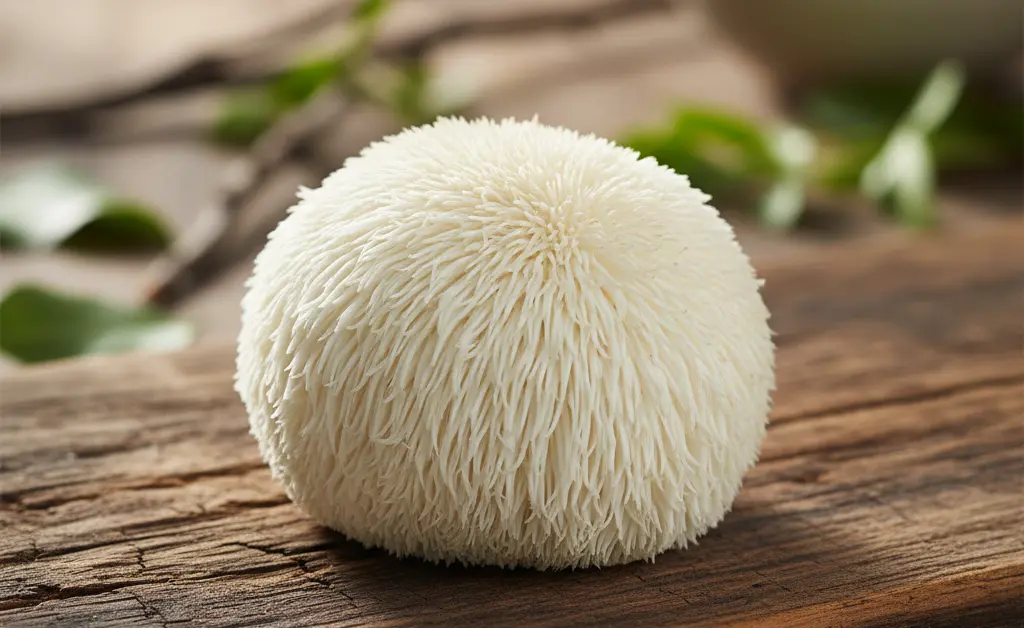
As culinary interests expand and the pursuit of natural health supplements grows, exotic ingredients like lion’s mane mushrooms are finding their way into more kitchens and wellness routines. Known for its unique appearance and potential cognitive benefits, this remarkable fungus is often consumed in powders, tinctures, or cooked dishes. However, with the rise of raw food trends and a desire to preserve nutrients, a common question emerges among enthusiasts and curious foodies alike: can you eat lion’s mane mushroom raw? This inquiry delves beyond simple preparation, touching upon aspects of food safety, nutritional availability, and the overall gastronomic experience. Understanding the implications of raw consumption versus cooked preparation is crucial for those looking to safely and effectively incorporate this distinctive mushroom into their diet.
Can you eat lion’s mane mushroom raw
While the idea of consuming foods in their most natural, unprocessed state appeals to many, the question of “can you eat lion’s mane mushroom raw” requires careful consideration. Unlike some fruits and vegetables, mushrooms, including Hericium erinaceus, possess unique structural and biological characteristics that make raw consumption a topic of discussion regarding both safety and efficacy. Understanding these factors is key to deciding how to best incorporate this medicinal mushroom into one’s diet.
Food Safety and Potential Contaminants
Consuming any raw food item carries inherent risks related to food safety, and raw mushrooms are no exception. Wild or even cultivated raw mushrooms may harbor bacteria, yeasts, or molds from their growing environment. Proper cleaning of lion’s mane mushrooms is essential to remove any visible dirt or debris, but it may not eliminate all potential contaminants. Furthermore, some raw mushrooms contain naturally occurring compounds that can cause digestive discomfort for sensitive individuals. Thorough cooking typically mitigates these risks by eliminating pathogens and breaking down complex components, making the mushroom safer to consume. Understanding how to cook lion’s mane mushroom properly ensures both safety and enjoyment.
Can I eat lion’s mane raw in a salad?
While technically possible to slice raw lion’s mane mushroom into a salad, it’s generally not recommended. Beyond the food safety concerns, the fibrous and somewhat tough texture of raw Hericium erinaceus can be challenging to chew and digest when uncooked. The natural state of the mushroom is quite different from the tender, juicy texture often achieved through cooking. For culinary enjoyment and optimal digestibility, it is often suggested to cook lion’s mane rather than adding it raw to dishes like salads, where its unyielding nature might detract from the overall experience.
What Does Raw Lion’s Mane Taste and Feel Like?
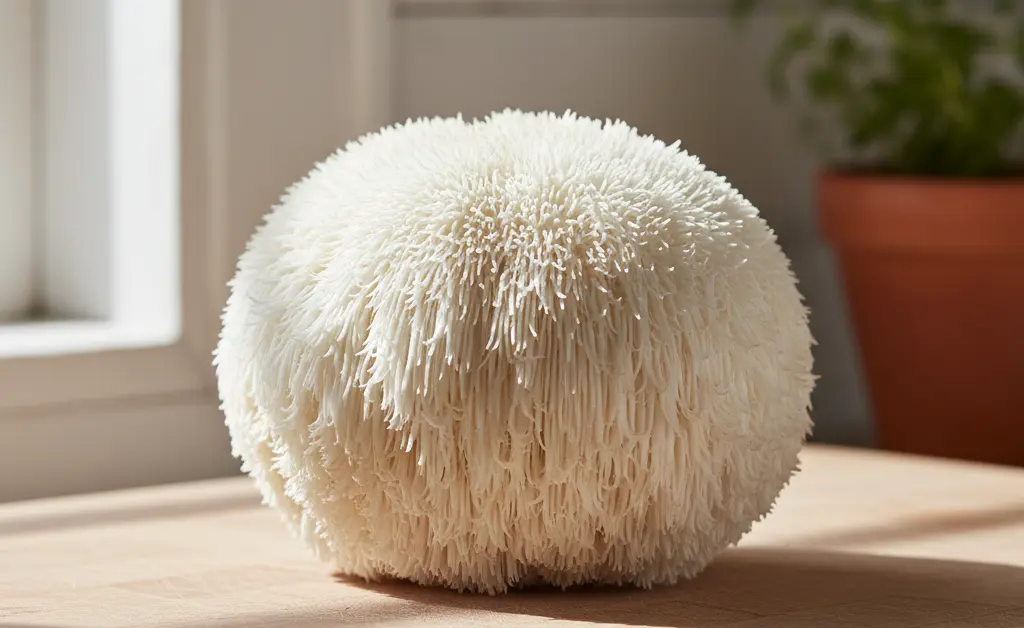
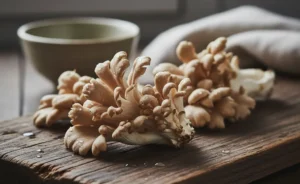
The sensory experience of eating raw lion’s mane mushroom can be quite distinct from its cooked counterpart. In its raw form, Hericium erinaceus typically possesses a firm, somewhat spongy, and fibrous texture that can be notably tougher than expected. Some describe it as chewy or rubbery, making it less palatable for direct raw consumption compared to many conventional raw vegetables. From a flavor perspective, raw lion’s mane often has a very subtle, earthy, and sometimes slightly bitter taste, which might not be as appealing or nuanced as the umami-rich flavors that develop through cooking. While the question “can you eat lion’s mane mushroom raw” might arise from a desire for minimal processing, understanding these textural and flavor differences is important for managing expectations.
Key Reasons to Cook Lion’s Mane Mushrooms
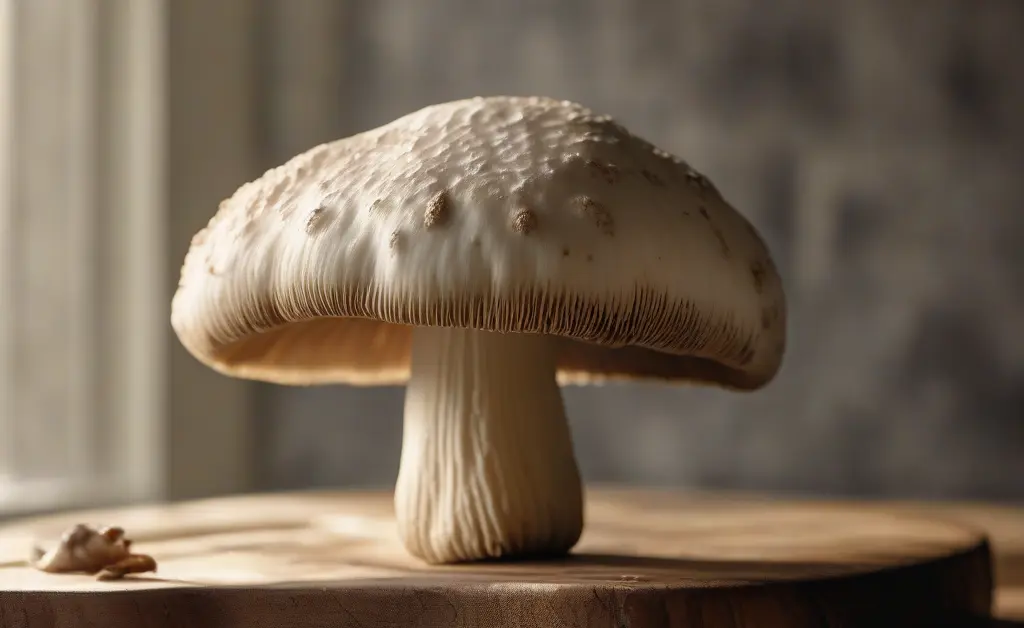
Beyond safety considerations, there are several compelling reasons why cooking is the preferred method for preparing lion’s mane mushrooms. Cooking not only enhances its flavor and texture but also significantly impacts its digestibility and the bioavailability of its beneficial compounds. These culinary processes transform the mushroom, making it a more pleasant and potentially more effective addition to one’s diet. For a fantastic culinary experience, exploring a specific lion’s mane mushroom recipe is highly recommended. While the question “can you eat lion’s mane mushroom raw” might arise from a desire for minimal processing, there are compelling reasons to opt for cooked preparation.
Digestibility and Chitin Content
Mushrooms, including lion’s mane, have cell walls made of chitin, a fibrous material also found in the exoskeletons of insects. Human digestive systems lack the enzyme chitinase, which is necessary to break down chitin efficiently. This means that consuming raw lion’s mane can lead to digestive issues such as bloating, gas, or general stomach upset, as the body struggles to process the indigestible chitin. Cooking methods like sautéing, roasting, or simmering help to soften and break down these tough chitin cell walls, making the mushroom easier to digest. This process allows the body to access and absorb nutrients more readily, minimizing potential discomfort and maximizing the nutritional value. You could even create delicious lion’s mane mushroom crab cakes.
Does Cooking Affect the Benefits of Lion’s Mane?
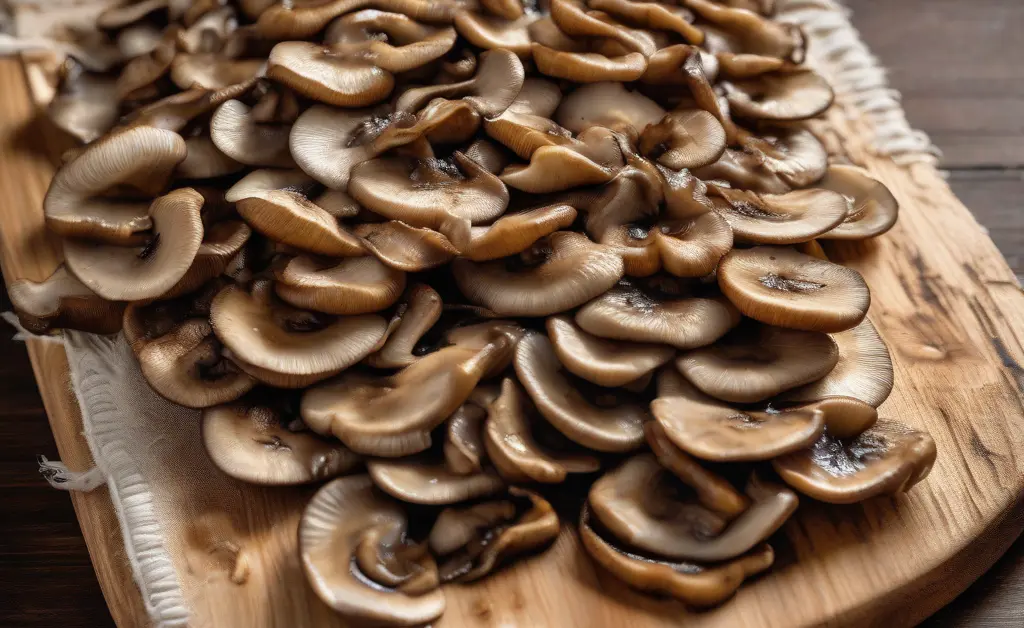
Many wonder, beyond simply “can you eat lion’s mane mushroom raw,” if the heat from cooking might diminish its celebrated compounds. Research suggests that while some heat-sensitive nutrients can be affected by cooking, the overall impact on the primary health benefits of lion’s mane is often positive or negligible. For more information on health research, you can consult resources like the NIH. Cooking can actually enhance the bioavailability of certain compounds, such as hericenones and erinacines, which are key for lion’s mane’s potential nerve growth factor support and cognitive function. The breakdown of cell walls during cooking can make these beneficial compounds more accessible for absorption by the body. Therefore, the various cooking methods often recommended, like sautéing or roasting, are generally considered beneficial for extracting the full range of health benefits from this medicinal mushroom, contributing to overall brain health and immune support. Preparing a soothing lion’s mane mushroom broth is another excellent way to enjoy its advantages.
Ultimately, while the question “can you eat lion’s mane mushroom raw” has a technical yes, the consensus among culinary experts and nutritional science leans towards cooking this unique fungus. Cooking lion’s mane not only addresses potential food safety concerns but also significantly improves its digestibility, palatability, and the bioavailability of its beneficial compounds. Whether sautéing, roasting, or incorporating it into soups and stews, preparing lion’s mane through heat treatment is generally considered the safest and most effective way to enjoy its distinctive flavor and purported health advantages, from brain health to immune support.
This article is meant for general informational use and awareness. It is not a substitute for professional medical advice, diagnosis, or treatment. Always consult with a qualified healthcare provider or medical professional before making any decisions about your health, diet, or treatment plans. Individual results and experiences may vary, and the information provided herein should not be used to self-diagnose or treat any health condition.
FAQ
— What happens if you eat raw lion’s mane mushroom?
While you can technically consume raw lion’s mane mushroom, it is not generally recommended due to its tough texture and high chitin content, which makes it difficult for the human digestive system to break down effectively. This fibrous material limits access to the beneficial compounds the mushroom contains. For optimal digestion and to enhance nutrient absorption, most experts suggest preparing lion’s mane through cooking methods.
— Do you have to cook lion’s mane before eating?
Cooking lion’s mane mushroom is highly advisable to enhance both its palatability and the extraction of its beneficial compounds. The mushroom’s cell walls contain chitin, a robust material that is challenging for human enzymes to digest when raw. Heat processing helps to break down these tough structures, making the mushroom easier to digest and potentially increasing the bioavailability of its active ingredients.