
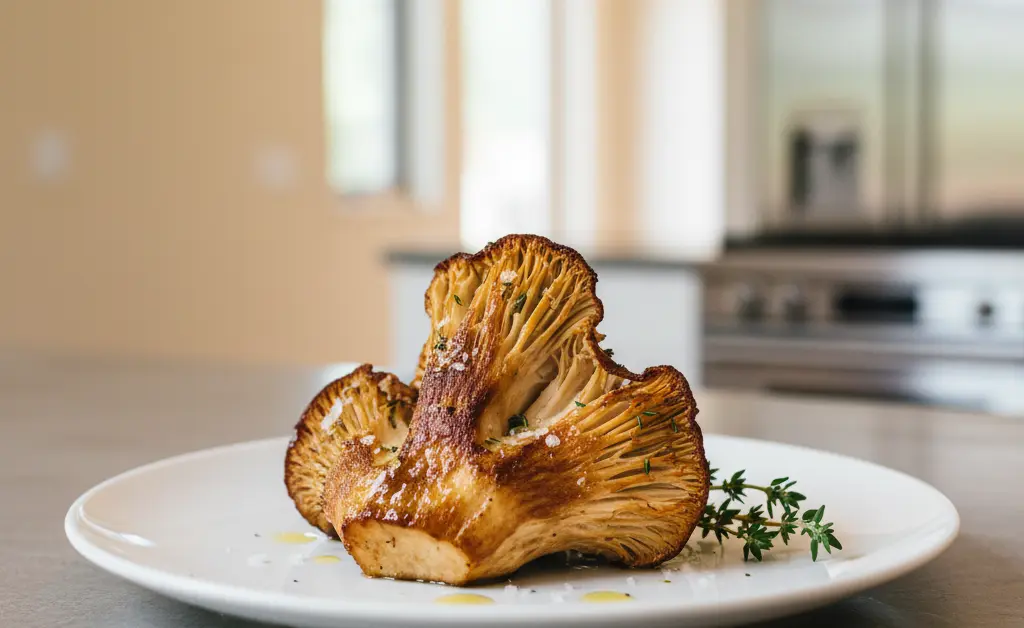
Just last week, while exploring a local farmers’ market, I stumbled upon a vendor proudly displaying an unusual, shaggy white mushroom. Its unique appearance instantly piqued my curiosity, prompting me to bring one home. The initial thought was daunting – how do I even begin to prepare this culinary marvel? Yet, with a bit of research and experimentation, it quickly transformed into a delightful and nutritious addition to my meal planning. This experience likely resonates with many who are curious about this remarkable fungus but are unsure of its practical application in the kitchen. If you’ve ever wondered how to eat lion’s mane mushroom, you’re in the right place. This comprehensive guide will walk you through everything from preparation to diverse cooking methods, ensuring you can confidently enjoy its unique texture and mild, seafood-like flavor in your own home.
How to Prepare Lion’s Mane for Cooking
Proper preparation is key to unlocking the full culinary potential of lion’s mane mushrooms. Its delicate texture and unique shape require a thoughtful approach to cleaning and cutting, setting the stage for a delicious meal.
Cleaning and Trimming the Mushroom
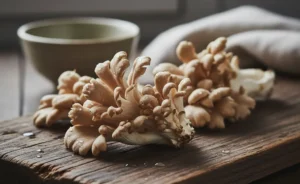
When you first bring home a fresh lion’s mane mushroom, it’s important to prepare it gently. Unlike some other fungi, lion’s mane rarely harbors significant dirt due to its growth habit. A light dusting or gentle wipe with a damp cloth is usually sufficient for cleaning. Avoid rinsing it under running water or soaking it, as this can cause the mushroom to absorb too much moisture, potentially affecting its texture during cooking. Focus on removing any visible debris or blemishes. The dense, core-like base where it was attached to the substrate or tree can sometimes be tougher than the shaggy tendrils; this part may be trimmed away for a more uniform texture.
Cutting and Slicing Techniques
The way you cut lion’s mane can significantly influence its final texture and how it integrates into a dish. For a steak-like experience, you might carefully slice the entire mushroom into thick, uniform rounds or slabs. These larger pieces are ideal for pan-frying or roasting, allowing the exterior to crisp while the interior remains tender. Alternatively, for dishes where you want to mimic the texture of shredded crab or lobster, you can gently pull apart or finely chop the mushroom’s tendrils. This technique is particularly effective for recipes like “crab” cakes or seafood-style salads. Consider the intended recipe and desired texture before deciding on your cutting approach, as this will help you understand what part of the lion’s mane mushroom you eat in different contexts.
Best Cooking Methods for Lion’s Mane
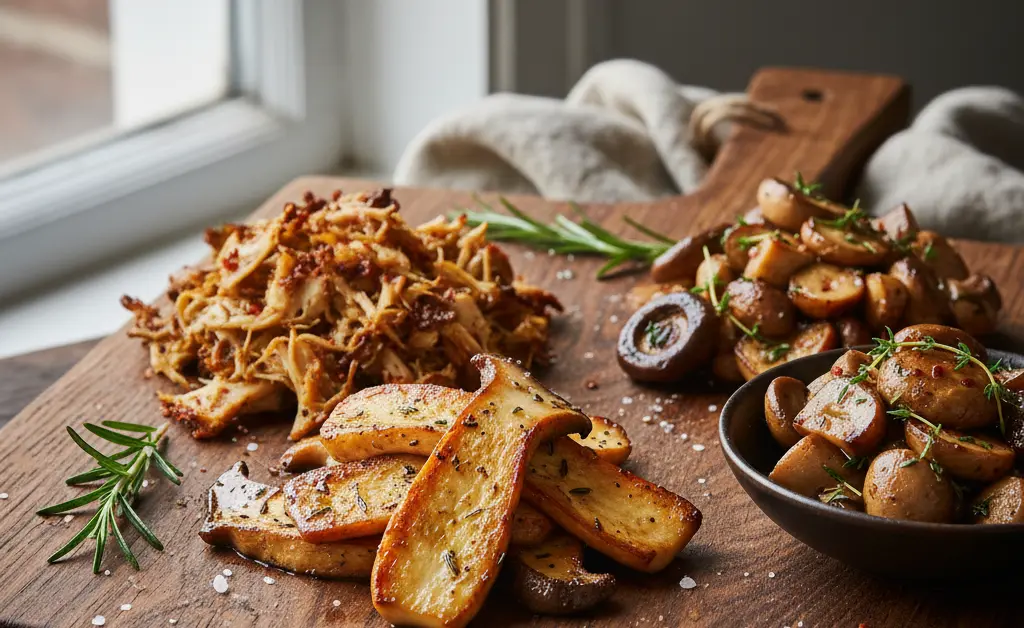
Once prepared, lion’s mane mushroom lends itself beautifully to various cooking methods, each designed to highlight its distinct flavor and texture. Understanding these methods is crucial for anyone wondering what is the best way to consume lion’s mane for optimal enjoyment.
Sautéing for a Simple Side Dish
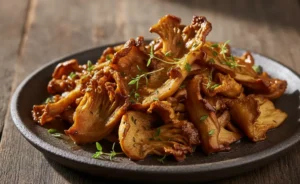
Sautéing is one of the most popular and straightforward ways to cook lion’s mane, bringing out its delicate, savory notes. Begin by heating a generous amount of butter or olive oil in a pan over medium-high heat. Add your sliced or shredded lion’s mane and cook until golden brown and tender. Season simply with salt and pepper, or enhance the flavor with minced garlic, fresh thyme, or a splash of soy sauce. Sautéing helps break down the mushroom’s chitin, making it more digestible and preventing potential gastric discomfort. This method ensures the mushroom is well-cooked, transforming it into a delicious side dish or a versatile base for other recipes.
Roasting to Enhance Texture
Roasting is another excellent method for lion’s mane, especially if you prefer a firmer, more substantial texture. Toss larger pieces or thick slices of the mushroom with olive oil, salt, and pepper, then spread them in a single layer on a baking sheet. Roast in a preheated oven until the edges are golden and slightly crispy, and the interior is tender. Roasting intensifies the mushroom’s umami flavor and creates a satisfyingly meaty bite, making it an ideal candidate for a main course component or a hearty addition to salads and grain bowls. The dry heat of roasting ensures thorough cooking, which is important for digestibility.
Lion’s Mane Mushroom Recipe Ideas
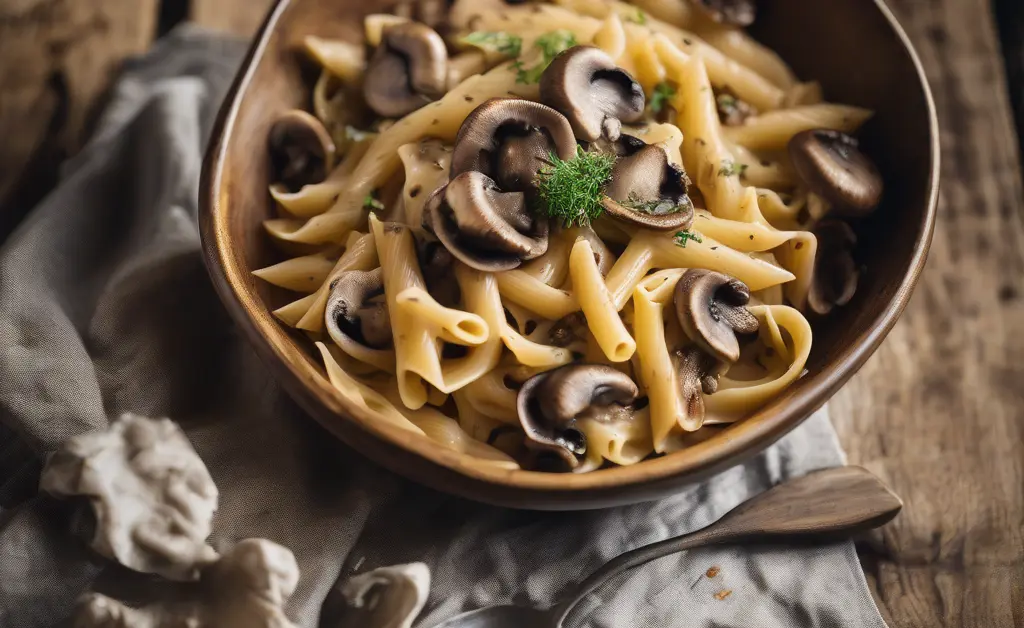
The versatility of lion’s mane mushroom extends to a wide array of culinary uses, inspiring many creative lion’s mane mushroom recipe ideas. Its unique flavor profile and texture make it a standout ingredient. For an Italian-inspired meal, consider a lion’s mane mushroom recipe pasta dish.
Using as a Seafood Substitute in Recipes
Perhaps one of the most exciting culinary uses for lion’s mane is its uncanny ability to mimic seafood. Its mild, slightly sweet flavor and fibrous, meaty texture make it an exceptional plant-based substitute for crab, lobster, or scallops. You can shred sautéed or roasted lion’s mane to create delicious “crab” cakes, which can be pan-fried until golden. Thick slices can be seared and served like scallops, offering a similar mouthfeel and delicate taste. It also shines in “fish” tacos or as a filling for wraps, providing a satisfying alternative to traditional seafood. You can also explore making a delicious lion’s mane mushroom crumble for a unique texture. This adaptability allows those exploring how to eat lion’s mane mushroom to experiment with familiar dishes in new, exciting ways, making it a favorite for vegetarian and vegan cooking.
How to Eat Lion’s Mane Mushroom
Understanding the best practices for consuming lion’s mane involves more than just cooking methods; it also includes considering how much to enjoy and whether raw consumption is advisable for optimal experience and well-being.
Recommended Serving Size
When incorporating lion’s mane into your diet, it’s generally recommended to start with a moderate portion, especially if you are new to this particular mushroom. As with any new food, observing how your body responds is key. A typical serving might be equivalent to a medium-sized mushroom, prepared thoroughly. Focusing on well-cooked preparations, whether sautéed, roasted, or pan-fried, is advisable. While there isn’t a strict universal guideline for precise amounts due to individual differences in digestion and dietary needs, prioritizing thorough cooking helps ensure you can enjoy its unique taste and texture without discomfort. Managing resources effectively is also key, and for cloud platforms, understanding AWS CloudFormation cost can be crucial. Learning how to eat lion’s mane mushroom is an enjoyable journey of culinary discovery.
Can You Eat Lion’s Mane Raw?
While some mushrooms can be consumed raw, it is generally not recommended for lion’s mane. Like many fungi, lion’s mane contains chitin, a compound also found in the exoskeletons of insects. While edible, chitin can be difficult for the human digestive system to break down, potentially leading to gastric upset if consumed raw. Cooking, especially thorough methods like sautéing, roasting, or steaming, helps to soften the chitin and make the mushroom more digestible and palatable. Cooking also helps to enhance its delicate, savory flavor and improve its texture. Always consider expert guidelines and scientific opinions, such as those provided by EFSA, when evaluating food safety. For these reasons, to avoid potential digestive discomfort and fully appreciate its unique qualities, it is best to enjoy lion’s mane mushroom after it has been properly cooked.
How to Eat Lion’s Mane Mushroom Powder
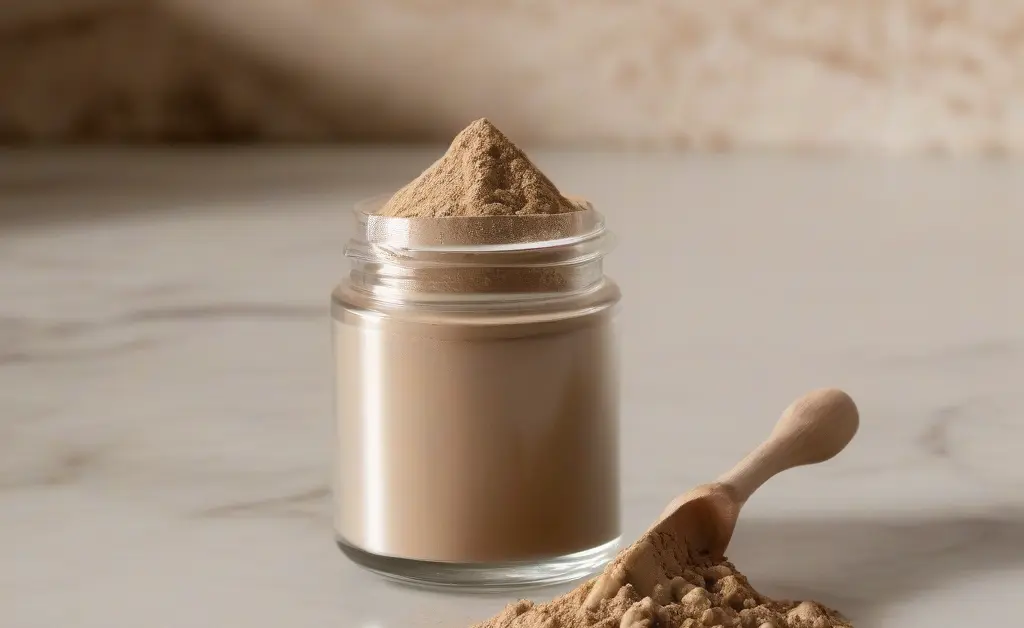
Beyond its fresh form, lion’s mane is also widely available as a concentrated powder, offering a convenient alternative for incorporating this beneficial fungus into your daily routine. This form is derived from dried and often extracted parts of the mushroom.
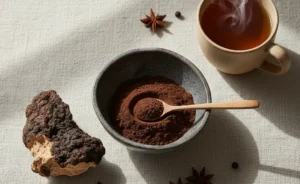
Lion’s mane mushroom powder is incredibly versatile and can be easily integrated into various foods and beverages. A popular method is to blend it into smoothies or shakes, where its subtle, earthy flavor tends to blend seamlessly with other ingredients. Many also enjoy stirring the powder into their morning coffee or tea, turning a daily ritual into an opportunity for consumption. For culinary applications, the powder can be whisked into soups, stews, or even sauces, adding a layer of umami without significantly altering the dish’s texture. This allows individuals to enjoy how to eat lion’s mane mushroom without needing extensive preparation, making it an accessible option for those seeking convenience.
Embracing the lion’s mane mushroom in your kitchen opens up a world of culinary possibilities, from simple sautéed dishes to innovative seafood substitutes. By understanding how to properly prepare, cook, and finally how to eat lion’s mane mushroom, you can confidently transform this unique fungus into a star ingredient, enriching your meals with its distinctive flavor and intriguing texture.
This information should be viewed as educational rather than medical advice. It is intended to provide general knowledge and understanding of the subject matter. Always consult with a qualified healthcare professional before making any decisions about your health, diet, or treatment plans. The content provided is not a substitute for professional medical advice, diagnosis, or treatment.
FAQ
— Can you eat lion’s mane mushroom raw?
While technically edible in its raw state, consuming lion’s mane mushroom raw is not typically recommended. Cooking helps to break down its cellular structure, which improves digestibility and makes its unique flavor and texture more palatable and enjoyable. Most people find that cooking unlocks the mushroom’s best sensory qualities and potential benefits.
— What is the best way to cook lion’s mane?
Many culinary experts agree that sautéing or pan-frying with a bit of oil or butter until golden brown is an excellent way to prepare this unique fungus. This method brings out its sought-after savory notes and delicate, crab-like texture, making it one of the most popular methods for how to eat lion’s mane mushroom. Roasting or even tearing it into pieces for stir-fries also yields delicious results.