Many culinary enthusiasts assume that preparing exotic fungi like lion’s mane mushroom requires specialized techniques or a gourmet kitchen. While its unique, shaggy appearance might suggest complexity, cooking lion’s mane is surprisingly accessible and rewarding, often simpler than one might imagine. This distinctive mushroom, prized for its subtle, seafood-like flavor and meaty texture, can be transformed into a delicious dish with basic cooking methods. Far from being an intimidating ingredient, understanding how to cook lion’s mane mushroom opens up a world of culinary possibilities, from simple pan-searing to creating impressive plant-based ‘steaks’. This guide will demystify its preparation, ensuring a delightful gastronomic experience for any home cook.
How to Prepare Lion’s Mane for Cooking
Understanding how to cook lion’s mane mushroom effectively begins with proper preparation. This unique fungus, also known as Hericium erinaceus, requires a gentle approach to cleaning and shaping to preserve its delicate structure and maximize its culinary potential. The goal is to remove any debris while maintaining its characteristic texture, setting the stage for a delicious meal. For general health information and dietary guidance, reliable resources like the NHS can provide further insights.
How to Clean Lion’s Mane Mushrooms
Lion’s mane mushrooms are delicate and absorb water easily, so traditional washing under a faucet is generally not recommended. Instead, a dry cleaning method is preferable. Use a soft brush, a damp cloth, or a paper towel to gently wipe away any visible dirt or substrate from the mushroom’s surface. Pay particular attention to the crevices and shaggy spines where debris might collect. For any stubborn spots, a slightly damp cloth can be used, but ensure the mushroom is not soaked. If absolutely necessary to rinse a small area, do so quickly and pat dry thoroughly immediately afterward.
The Best Way to Slice or Tear the Mushroom
The preparation method for lion’s mane often depends on the desired end result. For a “steak-like” presentation or to mimic crab meat, tearing the mushroom is often ideal. Its fibrous structure allows it to be pulled apart into strips or chunks that resemble seafood. This method also creates more irregular surfaces that can crisp up beautifully during cooking. Alternatively, for a more uniform appearance or for sautéing, slicing the mushroom into discs or planks works well. Using a sharp knife, cut across the grain to create pieces that will hold their shape. Both methods aim to capitalize on its unique meaty texture and subtle seafood flavor.
How to Cook Lion’s Mane Mushroom
Mastering how to cook lion’s mane mushroom opens a world of culinary possibilities, allowing its distinctive flavor and texture to shine. Whether you’re aiming for a crispy, pan-fried exterior, a substantial mushroom steak, or an addition to a comforting soup, this versatile fungus adapts well to various techniques. The key is often to manage its moisture content to achieve the desired texture, ranging from tender to wonderfully crispy.
Simple Pan-Seared Lion’s Mane Recipe
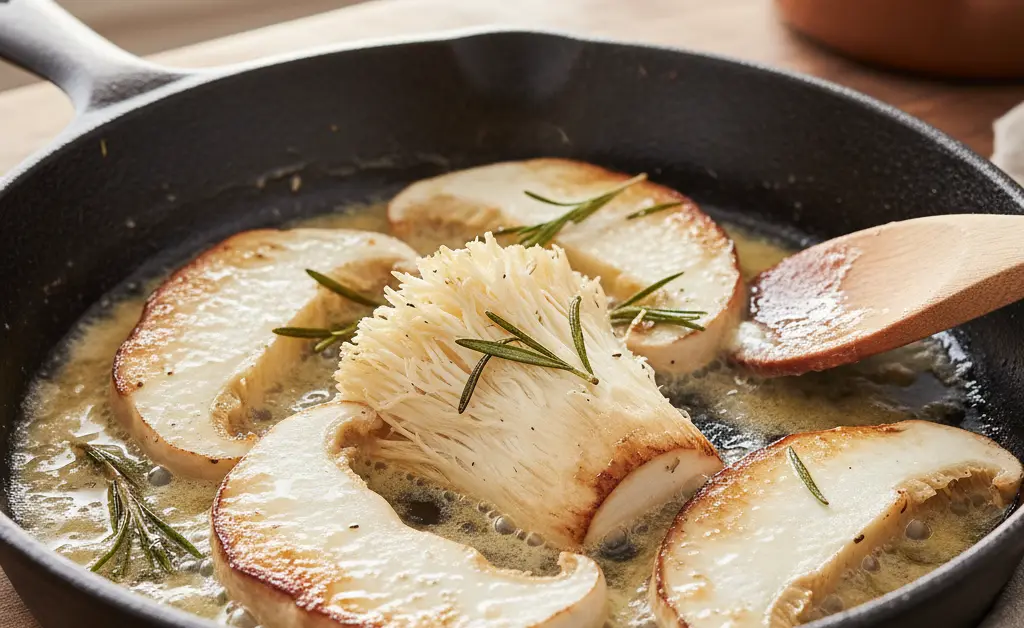
Pan-searing is one of the most popular ways to prepare lion’s mane, yielding a beautifully golden brown exterior and a tender, flavorful interior. Begin by dry sautéing the prepared mushroom pieces in a hot pan to release moisture. Once moisture has evaporated and the edges begin to crisp, add your chosen fat, such as olive oil or garlic butter. Cook the mushroom over medium heat, allowing it to develop a rich color and crispy edges. Season simply with salt and black pepper to enhance its natural umami and seafood flavor. This method is excellent for highlighting the mushroom’s inherent qualities and is often referred to as sautéed lion’s mane or pan-fried.
Lion’s Mane Mushroom Steak Recipe
For a substantial plant-based meal, a lion’s mane mushroom steak is an impressive option. Select larger, thicker slices or a whole mushroom to create these “steaks.” Follow the dry sauté method to reduce moisture, then sear aggressively in a cast iron skillet with a generous amount of butter or oil, along with aromatics like garlic and thyme. Pressing the mushroom gently with a spatula during searing can help achieve a denser, more cohesive texture, mimicking a traditional steak. The goal is a deeply caramelized surface and a firm, meaty texture throughout. This preparation makes a fantastic crab substitute. Lion’s mane also makes an excellent ingredient for plant-based lion’s mane mushroom crab cakes.
Air Fryer Lion’s Mane Mushroom Recipe
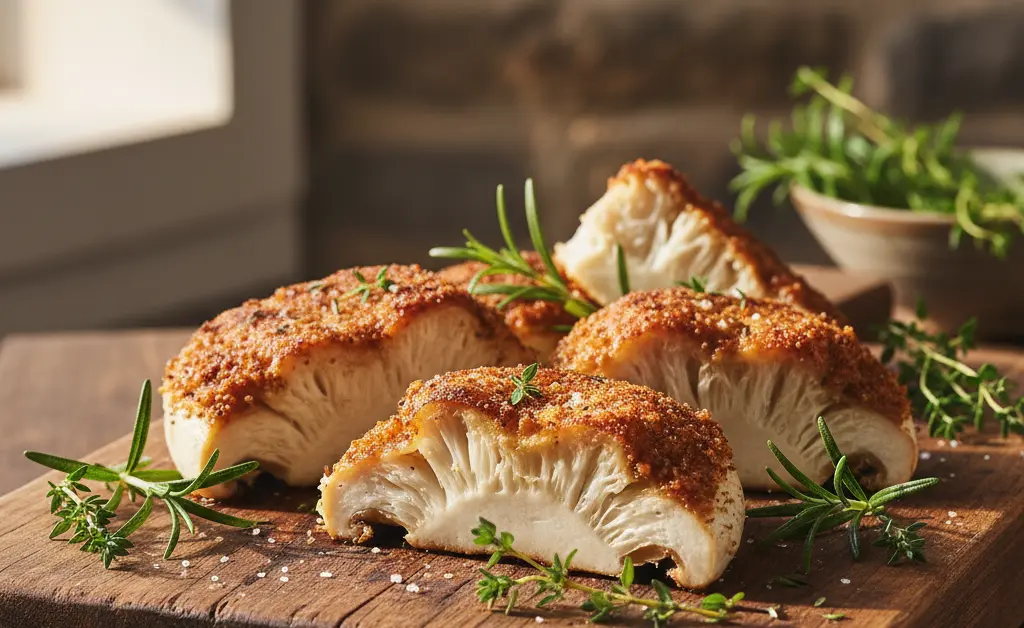
The air fryer offers a convenient way to achieve a wonderfully crispy lion’s mane with minimal oil. After preparing and seasoning your mushroom pieces, arrange them in a single layer in the air fryer basket, ensuring not to overcrowd it for optimal airflow. Cook at a moderate temperature, tossing or shaking the basket periodically, until the mushrooms are golden brown and have achieved a desirable texture. This method is particularly effective for creating crispy bits that can be used in various lion’s mane mushroom recipes, from salads to wraps. It can also be a unique base for a delicious lion’s mane mushroom crumble.
How to Use Lion’s Mane in Soups
Lion’s mane mushroom can also lend its unique flavor and texture to soups and broths. When incorporating it into soups, consider adding it towards the end of the cooking process to prevent it from becoming overly soft or disintegrating. Sliced or torn pieces can absorb the flavors of the broth while retaining some of their integrity, contributing a pleasant, hearty element to the dish. Its subtle seafood notes can complement a variety of soup bases, from clear broths to creamy chowders, where it can act as a crab substitute. Many enjoy using it to create a savory lion’s mane mushroom broth, rich in umami.
Cooking with Dried Lion’s Mane
Dried lion’s mane mushrooms offer a pantry-friendly alternative when fresh is unavailable. Before cooking, dried mushrooms must be rehydrated. Place the dried pieces in a bowl and cover them with warm water or broth for a period until they become plump and pliable. Once rehydrated, drain them thoroughly, gently pressing out excess moisture. The rehydrated mushroom can then be used in most lion’s mane mushroom recipes, though its texture may be slightly chewier than fresh. The soaking liquid can often be strained and reserved for use in soups or sauces, adding an extra layer of umami flavor.
Required Ingredients and Equipment
To embark on your lion’s mane cooking journey, a few basic ingredients and pieces of equipment will suffice. Essential ingredients typically include a quality cooking fat such as olive oil, butter, or a blend. Aromatic enhancements like fresh garlic, shallots, or herbs such as thyme and rosemary are often employed to complement the mushroom’s natural flavor. Seasonings like salt and freshly ground black pepper are fundamental. For equipment, a sturdy skillet, preferably a cast iron skillet, is highly recommended for achieving an excellent sear. Tongs or a spatula are also useful for handling and flipping the mushroom pieces.
Step-by-Step Cooking Instructions
While specific steps vary by recipe, a general approach for cooking lion’s mane involves several key stages. First, ensure your mushroom is clean and prepared (sliced or torn). Next, preheat your cooking vessel, whether it’s a pan or an air fryer. Begin by dry sautéing the mushroom over medium heat if using a pan, allowing its moisture content to release and evaporate. Once the mushroom starts to brown and any liquid has cooked off, add your chosen fat and any aromatics. Continue cooking, flipping or tossing regularly, until the mushroom develops a golden brown color and a desirable tender, yet firm, texture. Season liberally during or after cooking.
Visual Cues for Doneness
Knowing when your lion’s mane mushroom is perfectly cooked is largely a matter of visual and textural cues. The mushroom should exhibit a beautiful golden brown color, with some crispy edges, especially if pan-fried or air-fried. It should feel tender when pierced but still retain a slight chewiness, indicating its characteristic meaty texture. Avoid overcooking, which can lead to a rubbery texture, or undercooking, which may result in a spongy consistency. The goal is a balance between a pleasing outer crispness and a succulent, flavorful interior.
Tips for Achieving the Best Texture and Flavor
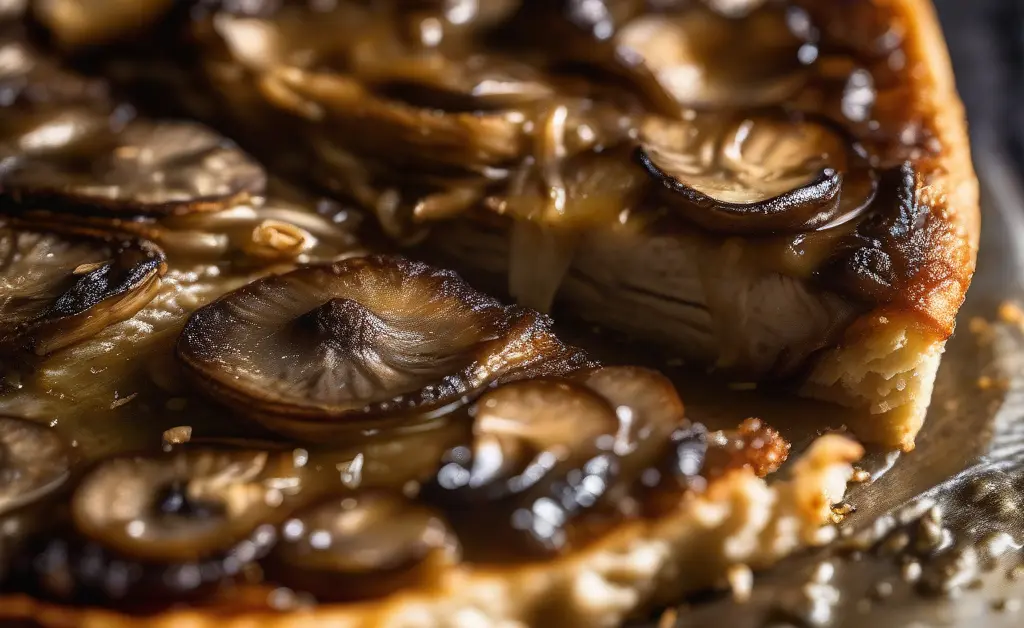
For those looking to truly perfect how to cook lion’s mane mushroom, certain techniques can elevate the outcome, enhancing both its unique texture and delicate flavor profile. Paying attention to details like initial moisture removal and the type of fat used can make a significant difference in the final dish.
Why You Should Dry Sauté First (Without Oil)
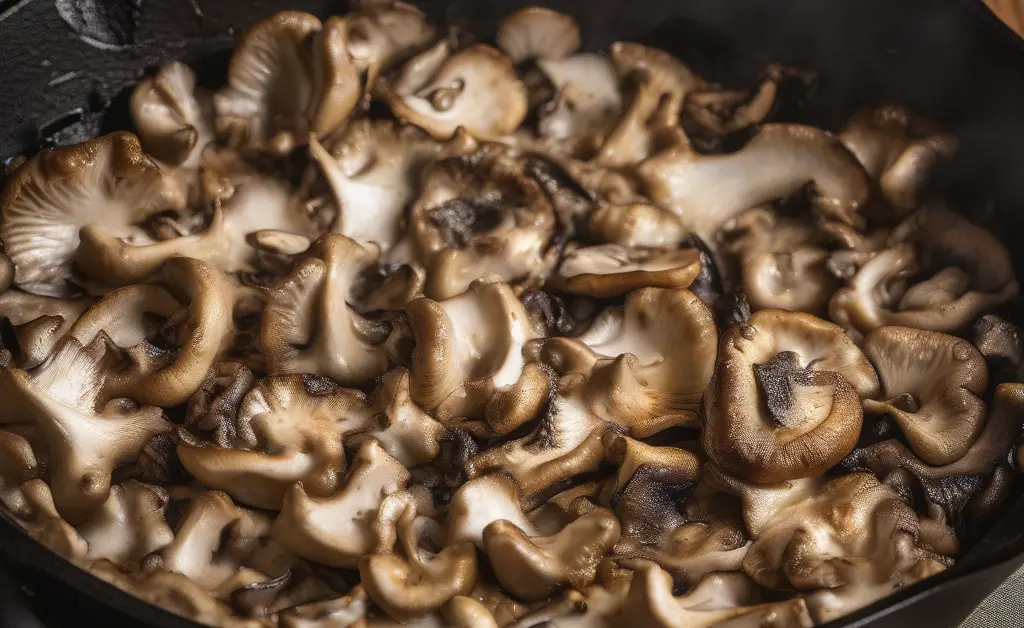
Lion’s mane mushrooms, like many fungi, contain a high moisture content. Dry sautéing involves cooking the mushroom in a hot, dry pan, typically a cast iron skillet, without any added oil or butter, for a few minutes. This process allows the mushroom to release its excess water, which then evaporates. By doing so, you prevent the mushroom from steaming and becoming soggy. Once the moisture has cooked off, the mushroom is primed to absorb fats and develop a much better sear and a more concentrated, richer flavor, contributing to a superior meaty texture.
Choosing the Right Fat: Butter vs. Oil
The choice of cooking fat significantly impacts the flavor and texture of your cooked lion’s mane. Olive oil is a popular choice for its mild flavor and high smoke point, making it suitable for searing and pan-frying. It allows the mushroom’s natural flavors to come through. Butter, especially when browned, adds a rich, nutty depth and can contribute to a more decadent flavor profile, often enhanced with garlic. Many chefs prefer a combination of both: starting with oil for the initial sear and adding butter towards the end for flavor and aroma, creating a delicious garlic butter finish. Consider what kind of lion’s mane mushroom recipes you’re preparing to make the best choice.
Seasoning Do’s and Don’ts
Seasoning lion’s mane mushroom is crucial for highlighting its umami and subtle seafood flavor. Do season adequately with salt and freshly ground black pepper, often added towards the end of the cooking process to avoid drawing out too much moisture prematurely. Do experiment with aromatics like fresh garlic, shallots, or herbs such as thyme or rosemary, which pair wonderfully. A splash of soy sauce or a squeeze of lemon juice can also brighten the flavors. Don’t overdo strong spices that might overpower the mushroom’s delicate taste. The aim is to complement, not mask, the unique characteristics of the lion’s mane.
Cooking lion’s mane mushroom is a delightful culinary adventure that rewards patience and a thoughtful approach to preparation. From simple pan-searing to creating impressive mushroom steaks, its versatility and unique profile make it a star ingredient. By following these techniques, you can confidently prepare this distinctive fungus and explore various delicious ways on how to cook lion’s mane mushroom, transforming it into a cherished addition to your recipe repertoire.
While this article discusses health-related topics, it does not provide medical guidance. The information presented here is for general knowledge and informational purposes only, and does not constitute medical advice. Always consult with a qualified healthcare professional before making any decisions about your health or treatment. Individual results may vary, and the applicability of any information may depend on your specific circumstances.
FAQ
— Should you wash lion’s mane mushrooms before cooking?
It’s generally recommended to avoid washing lion’s mane mushrooms under running water. These delicate fungi can absorb moisture readily, which might impact their texture and make it harder to achieve a nice sear when cooking. Instead, gently brush off any visible dirt or debris with a soft brush or a damp cloth.
— What is the best way to cook lion’s mane?
Many culinary enthusiasts find that sautéing or pan-frying is an excellent approach to how to cook lion’s mane mushroom. This method allows the mushroom to develop a beautiful golden-brown crust and a tender, almost “meaty” interior, which many describe as reminiscent of crab or lobster. High heat and a little fat are key to achieving this desirable texture and flavor profile.
— How do you know when lion’s mane is cooked through?
Lion’s mane is typically ready when it has developed a golden-brown exterior and feels tender throughout. As it cooks, the dense, shaggy texture softens, and the mushroom releases some of its moisture before reabsorbing it, indicating it’s thoroughly cooked. A visual check for browning and a gentle probe with a fork can confirm doneness.
— Do you need to press the water out of lion’s mane mushroom?
While not typically necessary, some chefs may opt to gently press lion’s mane if it appears particularly moist, especially after a quick rinse or if it’s very fresh. Reducing excess moisture can aid in achieving a crispier, more caramelized exterior when pan-frying or sautéing. However, for most preparations, simply ensuring the pan is hot enough allows the mushroom to release and reabsorb its natural water content effectively.